Committed to providing quick, convenient, and professiona...


Product Recommendation
3D printing is highly beneficial for prototype design. Speed is everything in prototype design, and the ability to move from CAD to printing with near-zero setup costs means 3D printers can rapidly produce parts, offering excellent unit economics for single pieces and small batch production.
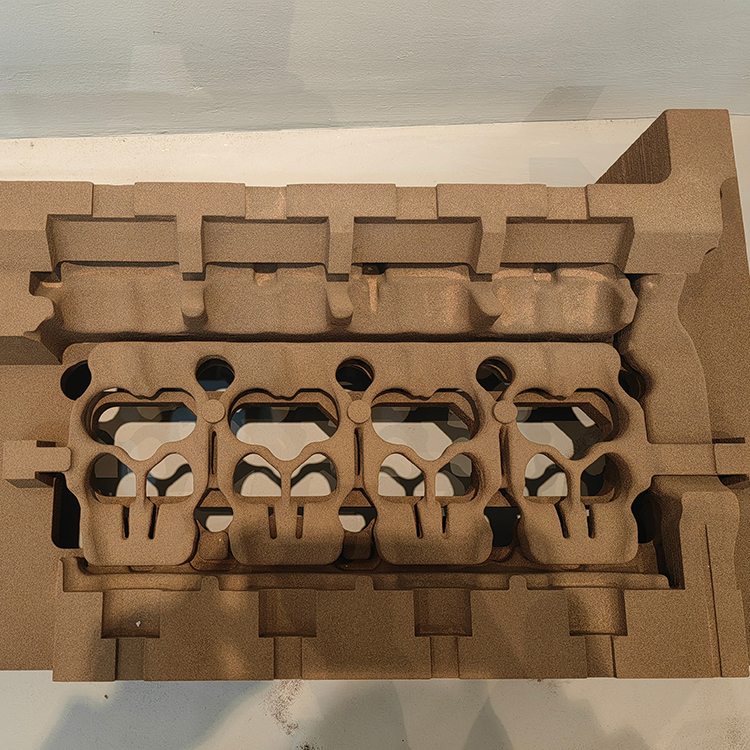
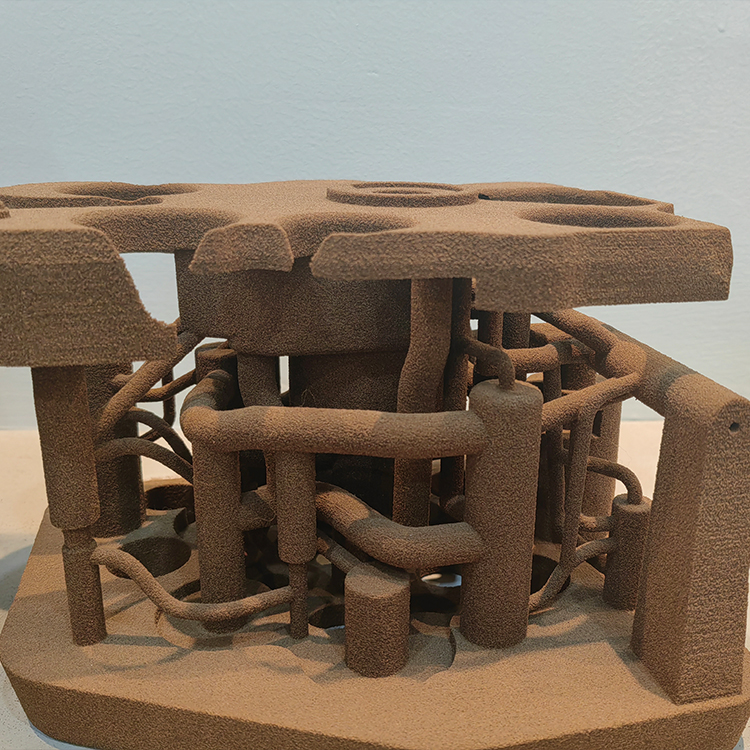
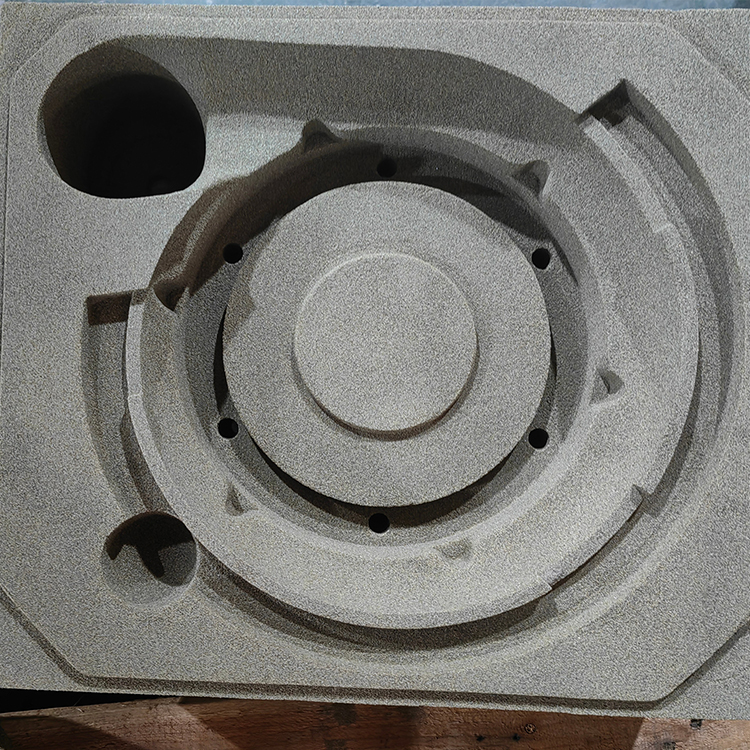
For printed production parts, speed and price are also crucial, but the often utilized features are design flexibility and ease of customization. In the aerospace and automotive sectors, topologically optimized structures with high strength-to-weight ratios are used for high-performance parts, and components that were previously assembled can now be merged into a single part. In the healthcare field, customization is paramount – most hearing aids made in the USA are almost entirely 3D printed. In manufacturing, low-run injection molds can be 3D printed with hard, heat-resistant plastics instead of being machined in metal, making them more affordable and faster to produce.
What are the benefits of 3D printing?
3D printing is a specialized tool for custom part manufacturing and rapid prototyping, offering a range of unique advantages, but also falling behind traditional manufacturing in certain aspects. The main benefits and limitations can be summarized as follows:
Advantages
Extremely low startup costs
Very quick turnaround
Time - A Large Supply of Available Materials
Design freedom, no additional costs.
Each part can be easily customized.
Limitations
At higher yields
Lower cost competitiveness - Limited accuracy and tolerance
-Lower strength and anisotropic material characteristics
- Post-processing and support removal required


b2b.china9.net © Zhongshang 114 Hebei Network Technology Co., Ltd.Address: Room 6009, Oriental New World Center, No.118 East Zhongshan Road, Qiaoxi District, Shijiazhuang City, Hebei ProvincePlatform Service Hotline: 4006299930