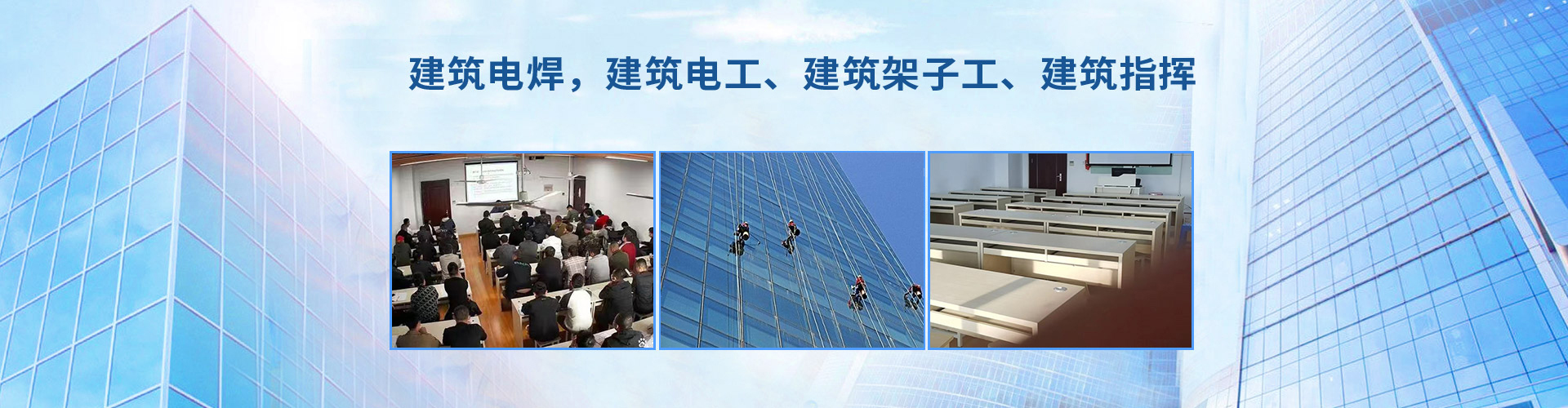
Special Operations Certification Training for Constructio...


High School Entrance Exam and Vocational Qualification Exam Preparatory Training Outline
Safety Inspection for High-Altitude Work Operations
All items found to be non-compliant during inspections must be corrected or appropriate measures taken before high-altitude work can be conducted.
Workers performing high-altitude tasks who fail to use safety equipment as required by protocols are at a higher risk of falling from heights.
(2) The edge of the high-altitude work area lacks safety lines and guardrails, and holes are not covered or protected by safety nets, posing a risk of falls from height.
(3) Equipment, materials, and tools used for high-altitude work lack fall prevention measures, making it prone to object strikes. (4) Improper use of power sources and substandard electrical tools in high-altitude work increases the risk of electric shock and falls.
(5) Elevated work platforms can easily cause object impact.
(6) Inadequate lighting for elevated work at night can easily lead to falls from height and object strikes.
3. Key Safety Operation Points for High-Altitude Work
All personnel involved in high-altitude work must pass a physical examination before engaging in such activities. Individuals suffering from mental illness, epilepsy, hypertension, or severe visual and hearing impairments are prohibited from performing high-altitude work.
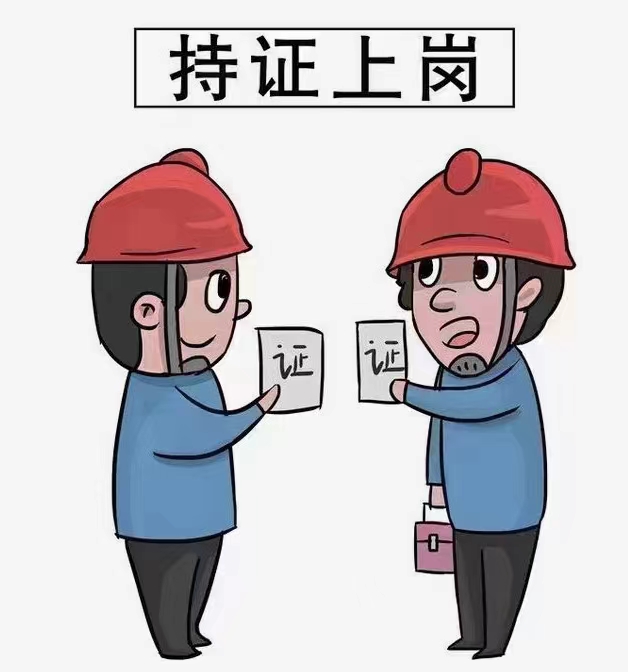
(2) Workers engaged in high-altitude operations and those responsible for setting up safety equipment for high-altitude work must undergo professional technical training and pass a professional examination. They must hold valid certifications and undergo regular physical examinations.
(3) Prior safety briefings must be conducted before working at heights. Any defects or hazards in safety equipment must be addressed promptly during the work, and operations must cease immediately if there is a risk to personal safety.
(4) When working at heights during rain or snow, implement reliable anti-slip, anti-freezing, and anti-cold measures. Water, ice, and frost should be promptly removed.
(5) No high-altitude work is permitted during severe weather conditions such as strong winds of level 5 or above and thick fog.
(6) Minimize the use of three-dimensional cross operations; when such operations are necessary, appropriate safety protection and isolation measures must be implemented. Without these measures, it is strictly prohibited.
Prohibition of concurrent construction activities. (7) High-altitude work must strictly adhere to the "Ten No-Nos": 1. No violation of regulations; 2. No alcohol consumption before or during work hours; 3. No resting in unsafe locations; 4. No throwing objects carelessly below; 5. No high-altitude work with severe sleep deprivation; 6. No gambling or fighting; 7. No tampering with machinery, fire safety, and hazardous equipment; 8. No unauthorized use of safety equipment; 9. No chasing or playing around in high-altitude work areas; 10. No disassembling or damaging safety equipment and facilities at will.


b2b.china9.net © Zhongshang 114 Hebei Network Technology Co., Ltd.Address: Room 6009, Oriental New World Center, No.118 East Zhongshan Road, Qiaoxi District, Shijiazhuang City, Hebei ProvincePlatform Service Hotline: 4006299930