




 Direct Tension Rope Encoder, Anal
 UHZ Magnetic Flip Level Gauge wit
 LDW Series Submersible Level Gaug
 Rope-type Position Sensor, 1-mete
 Magnetic Permeance Displacement S
 Rope Line Displacement Sensor, Ro
 FGJ Economy Electronic Flow Switc
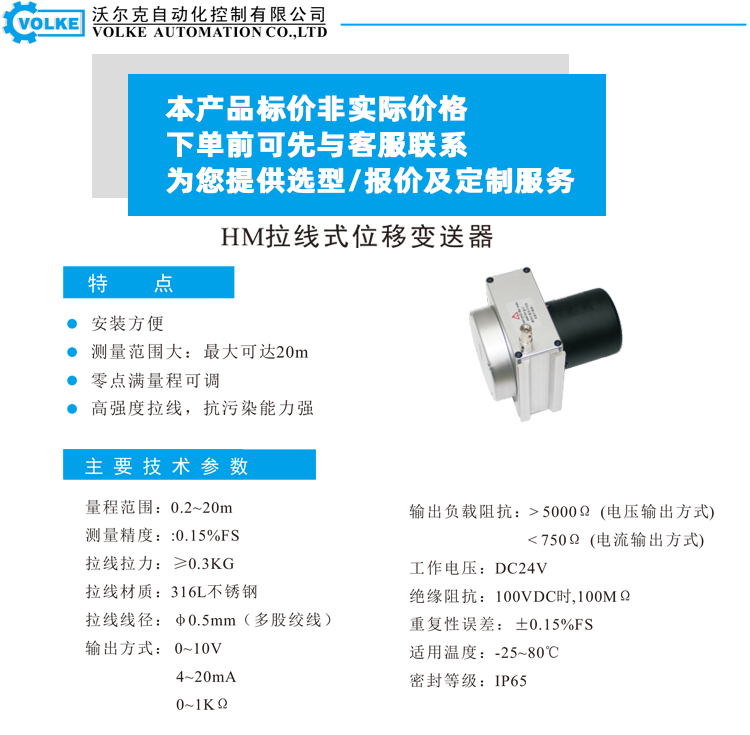
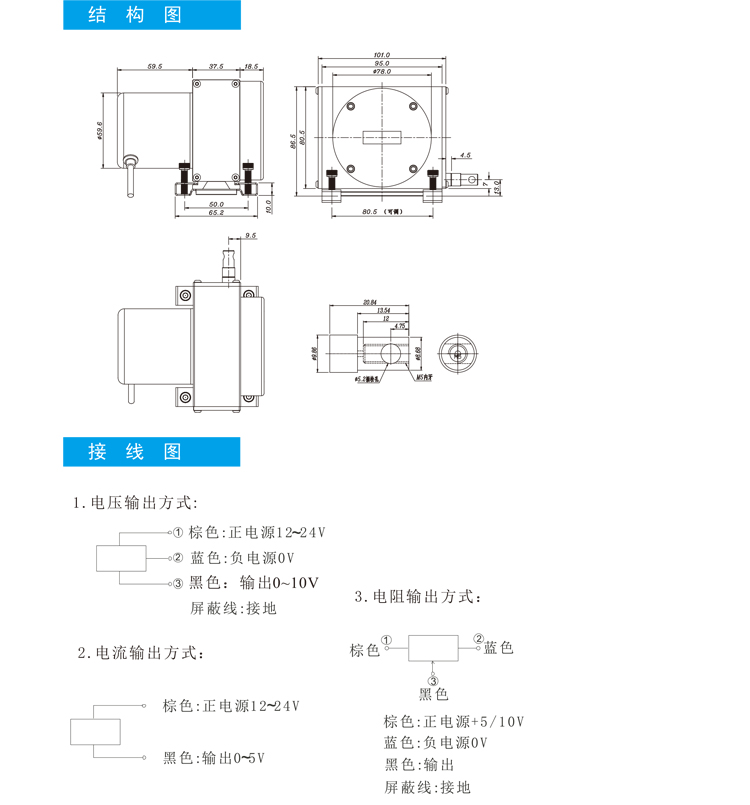
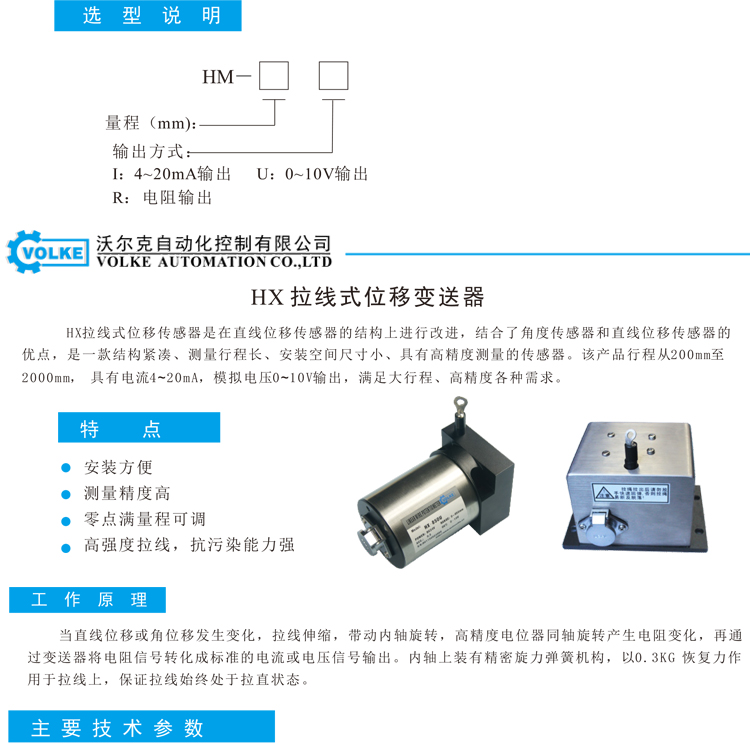
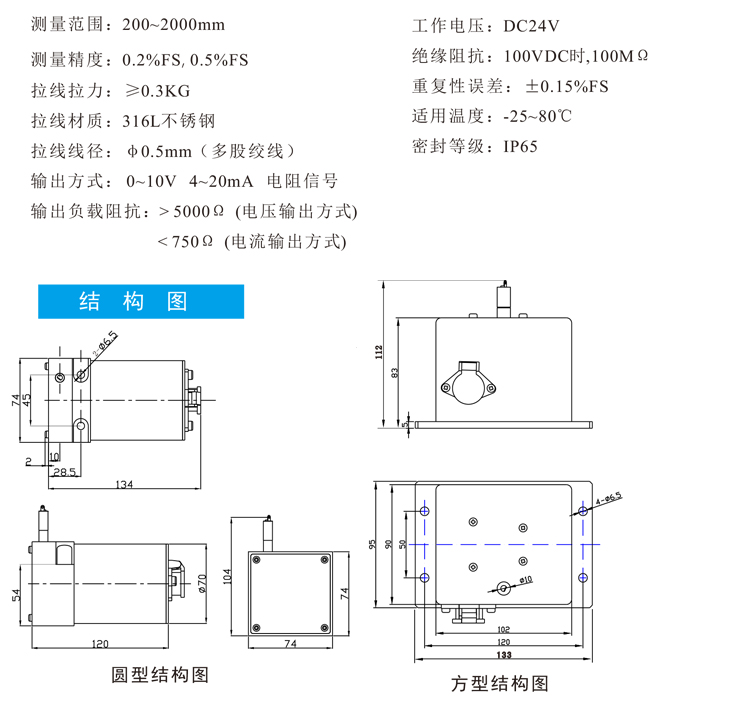
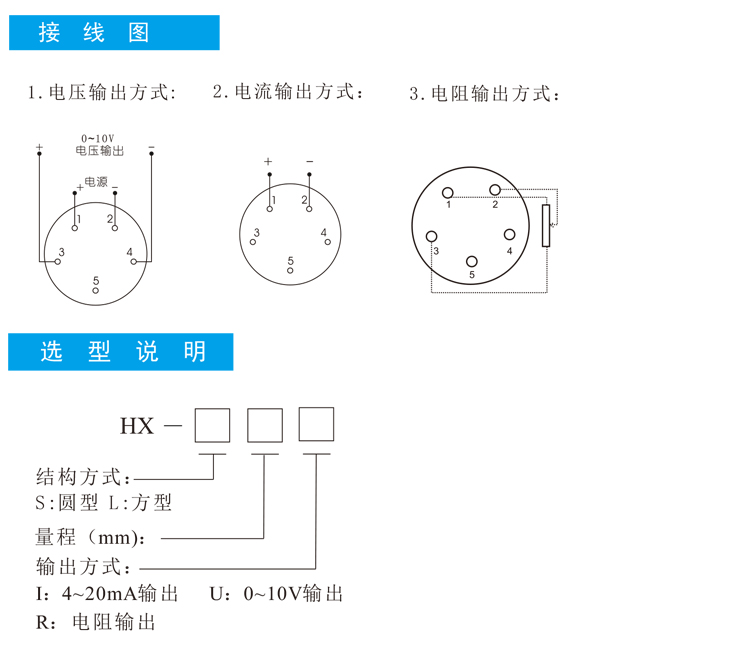
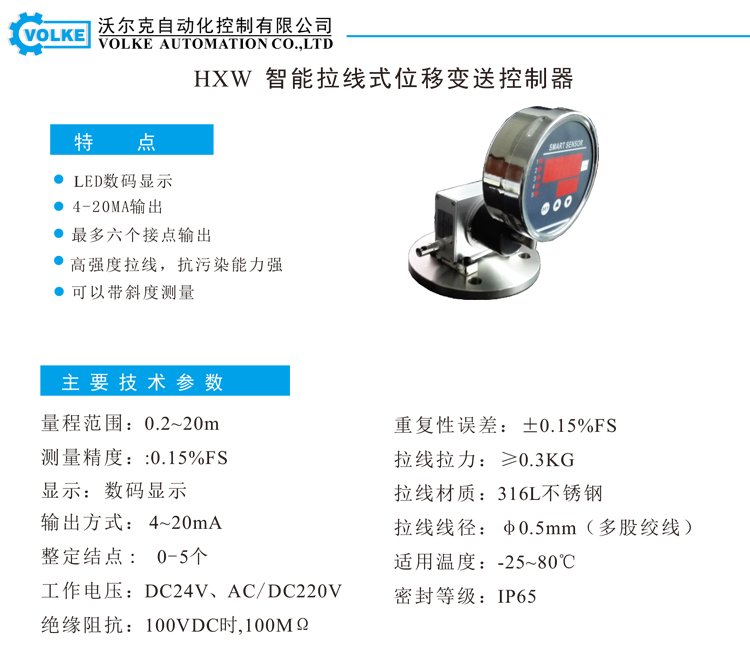
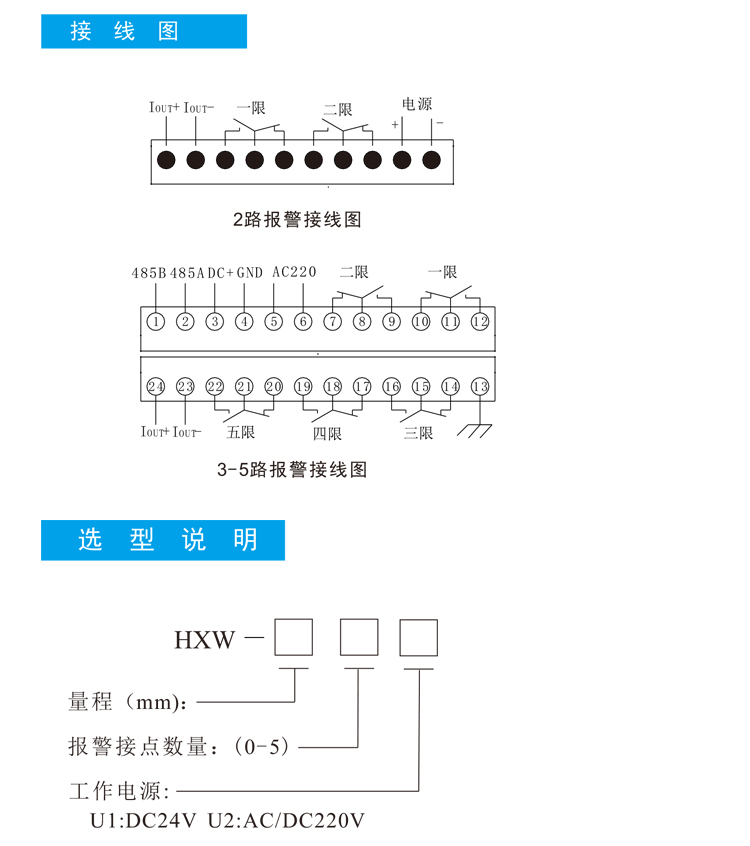
Cord-tensioned displacement sensor for synchronized up/down control
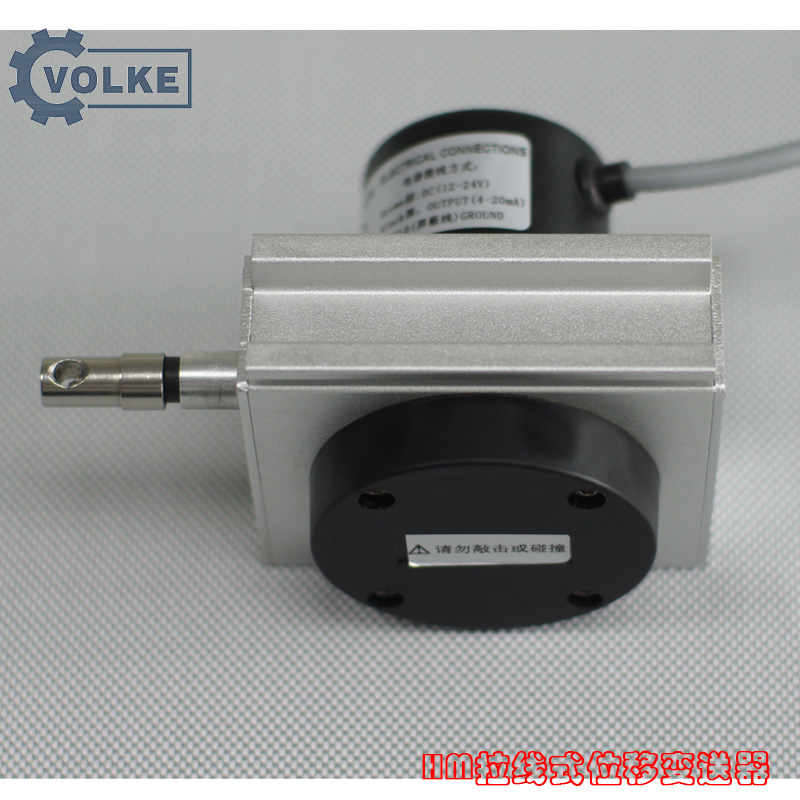
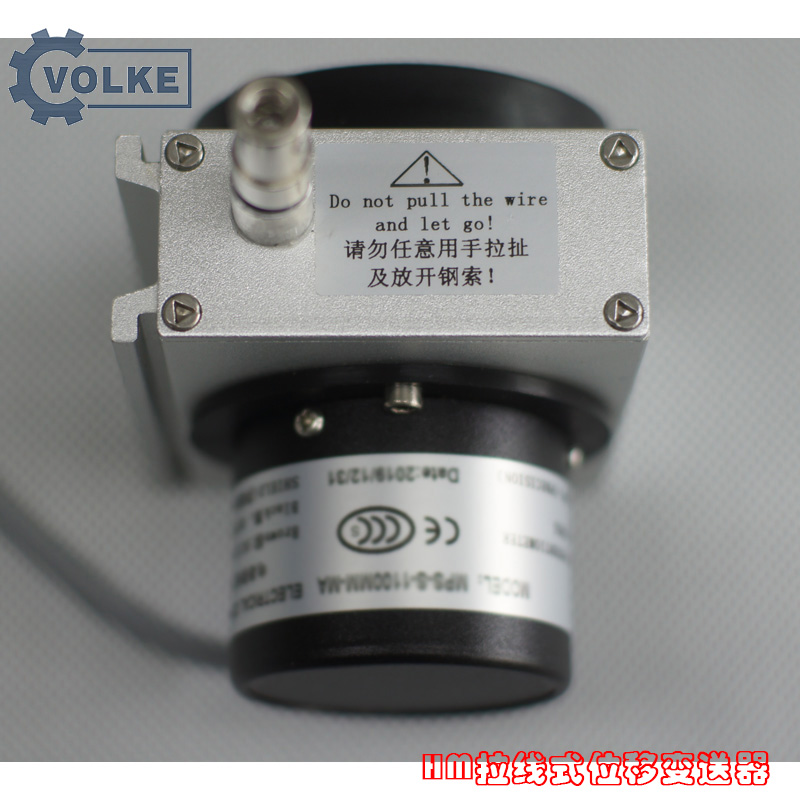
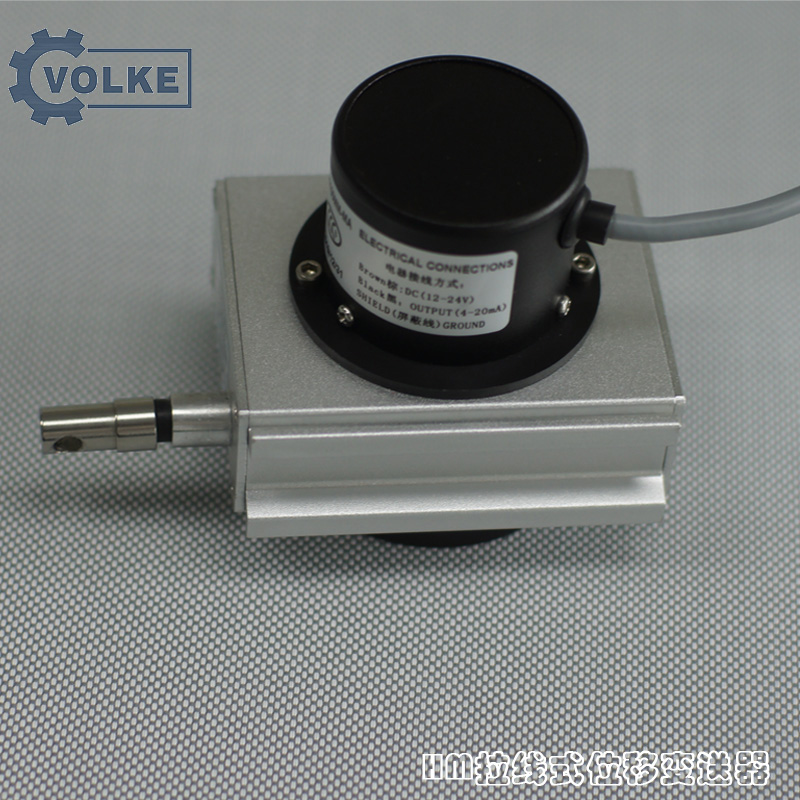
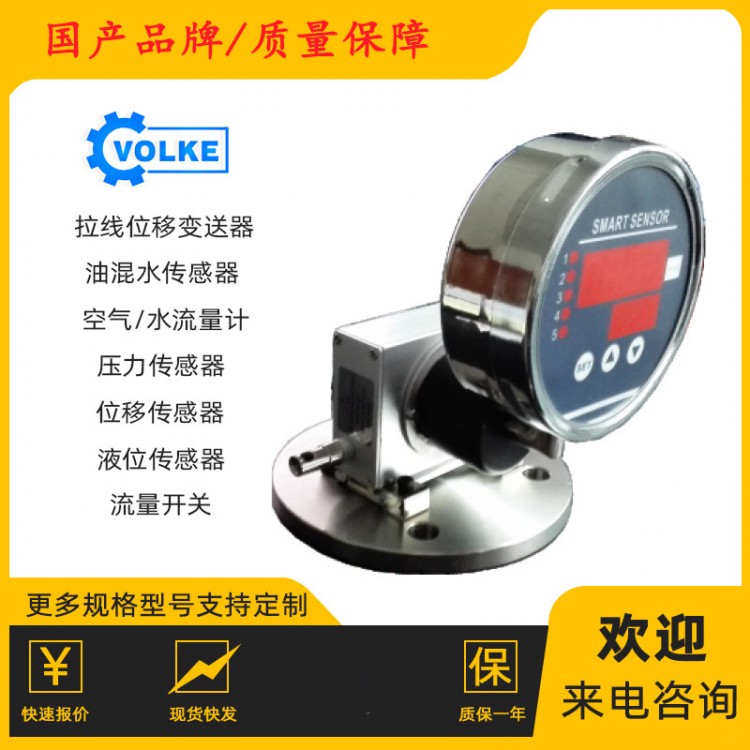
The rope displacement sensor has been proven to be a practical solution in the long-distance measurement field. By pulling in and out the steel wire rope, the rope encoder converts linear motion into rotational motion. Depending on the specific application, these rotational movements can serve as drivers for incremental or value encoders, and are displayed via digital screens or controllers. The main advantages of the rope encoder are its versatility, ease of installation, reliable performance in extreme environments, and clear functional principles.
The cable encoder is almost applicable to all industrial fields. Of course, it is mainly used for positioning in hoisting equipment, cranes, drilling machines, excavators, and conveying systems. However, it may also find more applications in areas such as injection molding machines, press brakes, presses, test benches, stages, and sluices. Outdoor use is not an issue; if needed, the cable encoder can be routed through liquids or under high-temperature conditions. When used in conjunction with incremental or value encoders, it becomes a measurement system that fully meets the requirements of the relevant applications at a reasonable price. The cable encoder can be combined with different encoders, thus even allowing for the use of field buses. Various designs ensure the rated linear accuracy over approximately 5 million cycles of travel.