




 Rope Line Displacement Sensor, Ro
 Linear Wire Linear Displacement S
 Rope-type Position Sensor, 1-mete
 Bushing Float Level Switch, Inser
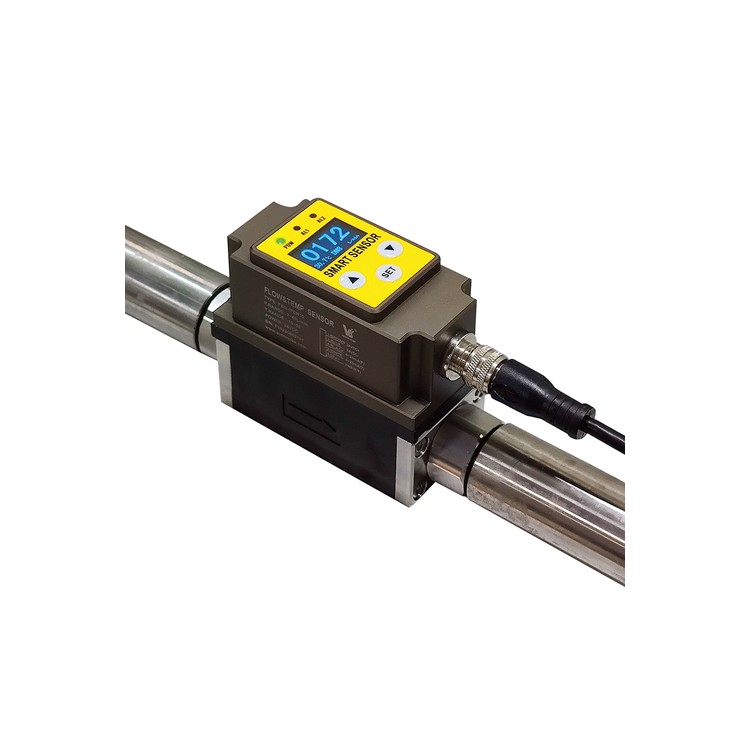
 FXG Flow Temperature Sensor
 Submersible Level Sensor, Static
 Magnetic Permeability Displacemen
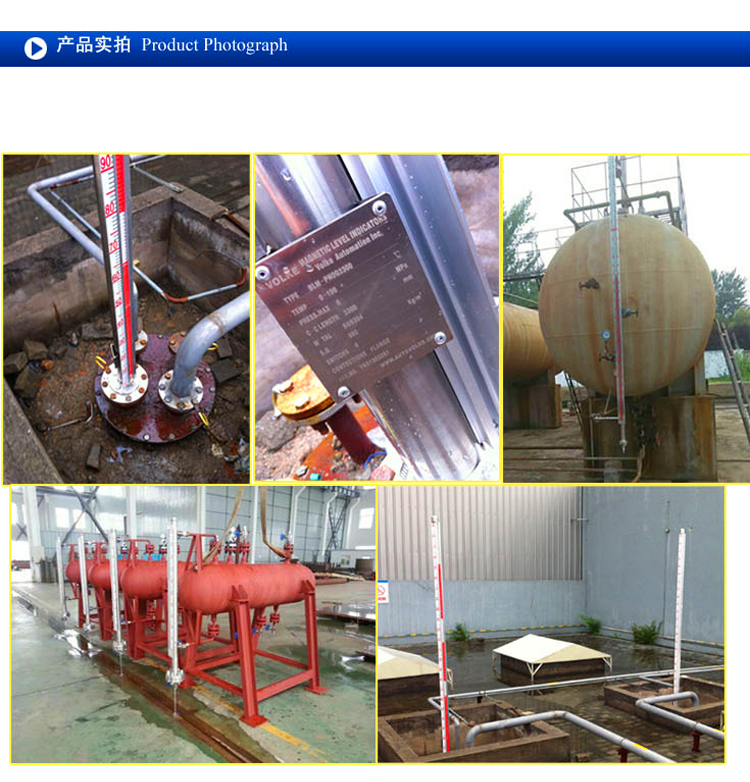
What are the requirements for the working environment of the remote magnetic float level gauge?
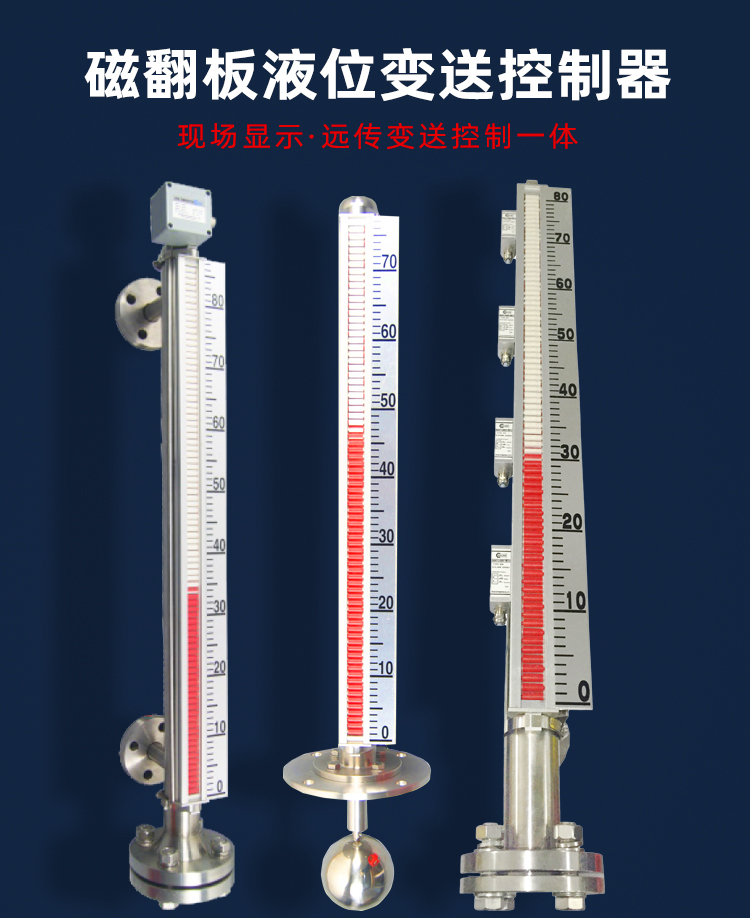
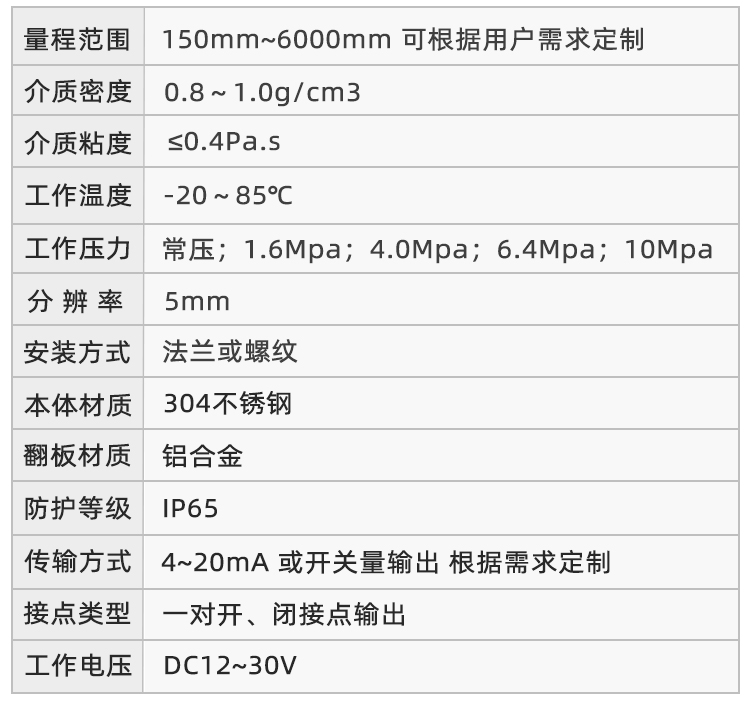
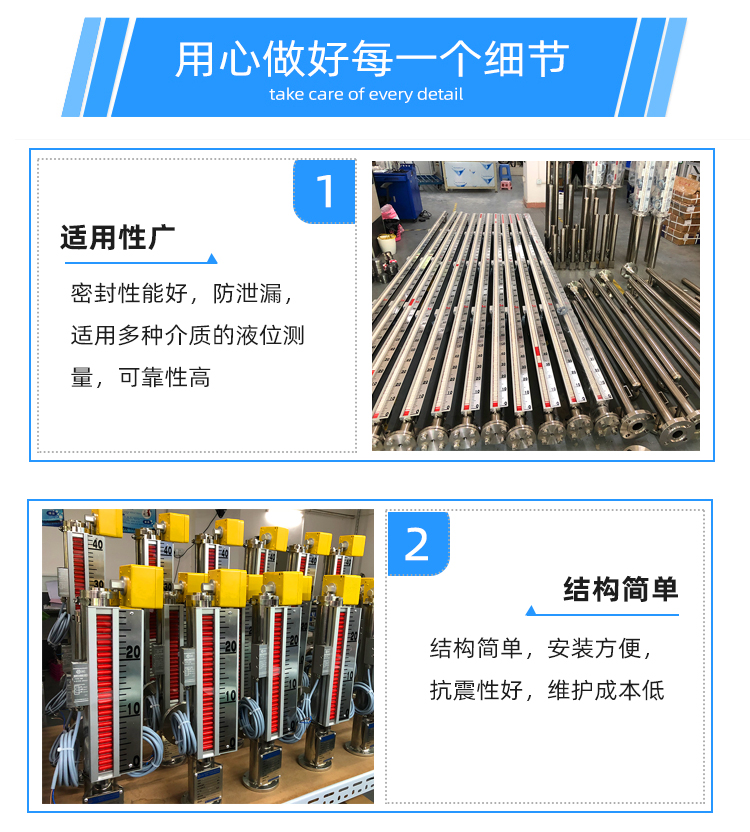
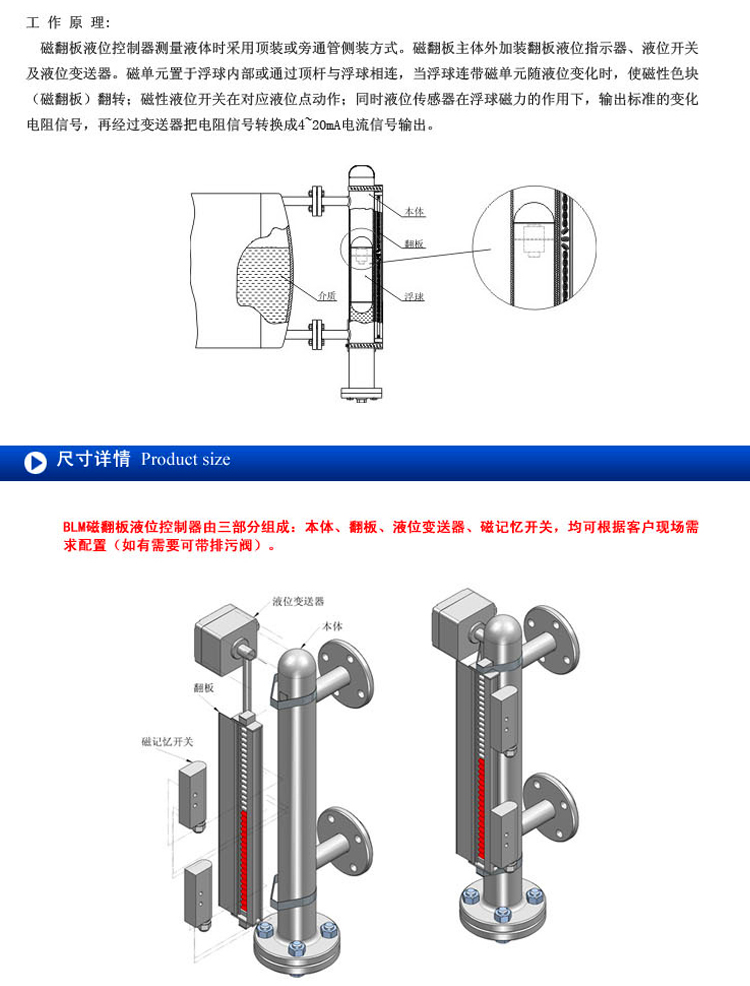
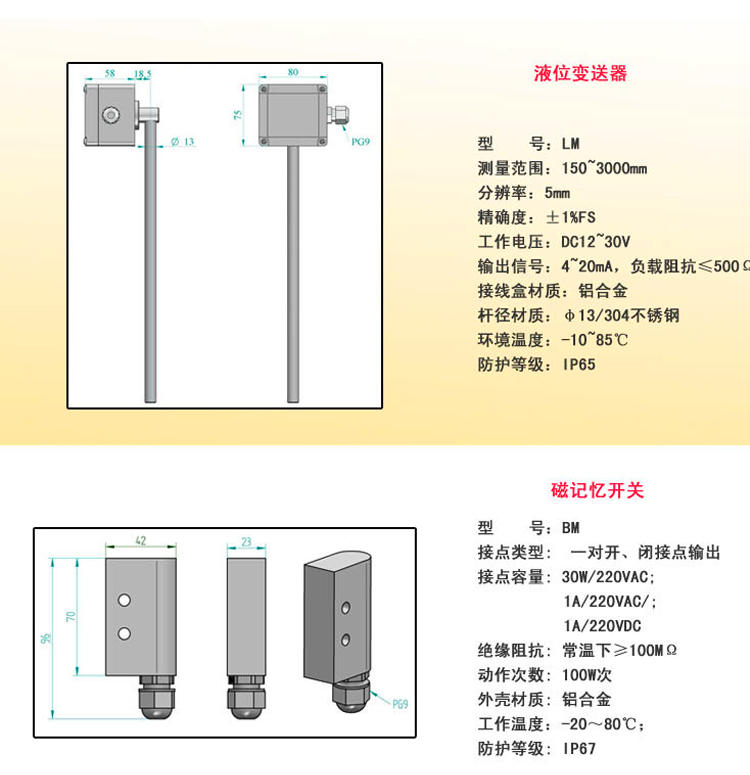
Remote magnetic float liquid level gauge is suitable for measuring the level and interface of liquid medium inside containers. In addition to on-site indication, it can be equipped with remote transmission transmitters, alarm switches, and control switches, offering comprehensive detection functions. The indicator is innovative with clear and prominent readings. The direction of the indicator can be adjusted according to user needs. It has a wide measurement range, not limited by the height of the storage tank. The indicator mechanism is safely isolated from the medium being measured, with good sealing and high reliability for safe use. The structure is simple, easy to install, and has low maintenance costs. It is corrosion-resistant, battery-free, and explosion-proof.
What are the requirements for the working environment of a remote magnetic float level gauge?
, temperature. The temperature referred to here is the temperature of the measured object, such as measuring the liquid level in a storage tank, which is the internal temperature of the tank. As is well known, the working principle of a level gauge is magnetic, which depends on the critical component of the float. The float should be in contact with the medium. There is a magnetic steel working inside the float, and excessive temperature can often even dissipate the magnetic properties of the magnetic steel within the float. If the adaptability of the float's temperature does not match the actual temperature, it can lead to unstable magnetic properties of the float, even complete loss of magnetism, rendering it unable to measure. This not only concerns the procurement cost of our level gauge but is also crucial for achieving cost-performance value in our procurement selection work.
Two, pressure. This refers to the high pressure of the medium and the equipment surrounding it, specifically the pressure inside the measuring container and the pipeline connected to the remote magnetic float level gauge. Pressure parameters are crucial. Pressure not only affects the thickness of the flange but also influences the diameter of the float and the thickness of the main steel pipe. There's also the float's pressure resistance and whether it requires support. If the float's pressure resistance does not match the actual working pressure, and the actual pressure is far greater than the float's endurance, the float is likely to be flattened and directly scrapped.
Three, the chemical properties of the medium, commonly referred to as the degree of corrosion. This is a crucial environmental requirement. If the medium's corrosiveness is high, the contact medium material used in the liquid level gauge should be corrosion-resistant. For instance, 304 stainless steel is a general corrosion resistance, 316L is slightly higher, followed by PP corrosion resistance, stainless steel lining, and so on. Fully understanding the medium's properties can also help save on the procurement cost of the liquid level gauge, achieving cost-performance optimization.
The Remote Magnetic Buoy Level Gauges are an improved version of the standard remote magnetic buoy level gauges. They are available in reed switch and magnetostrictive types, with the installation method changed from a wrapped style to inserting from the center of the main pipe. The buoy is mounted on the transmitter rod, floating on the liquid surface or interface, moving up and down along the rod, outputting 4-20mA. Additionally, it can also flip the pointer display fixed on the main pipe to indicate the height of the liquid level or interface.
