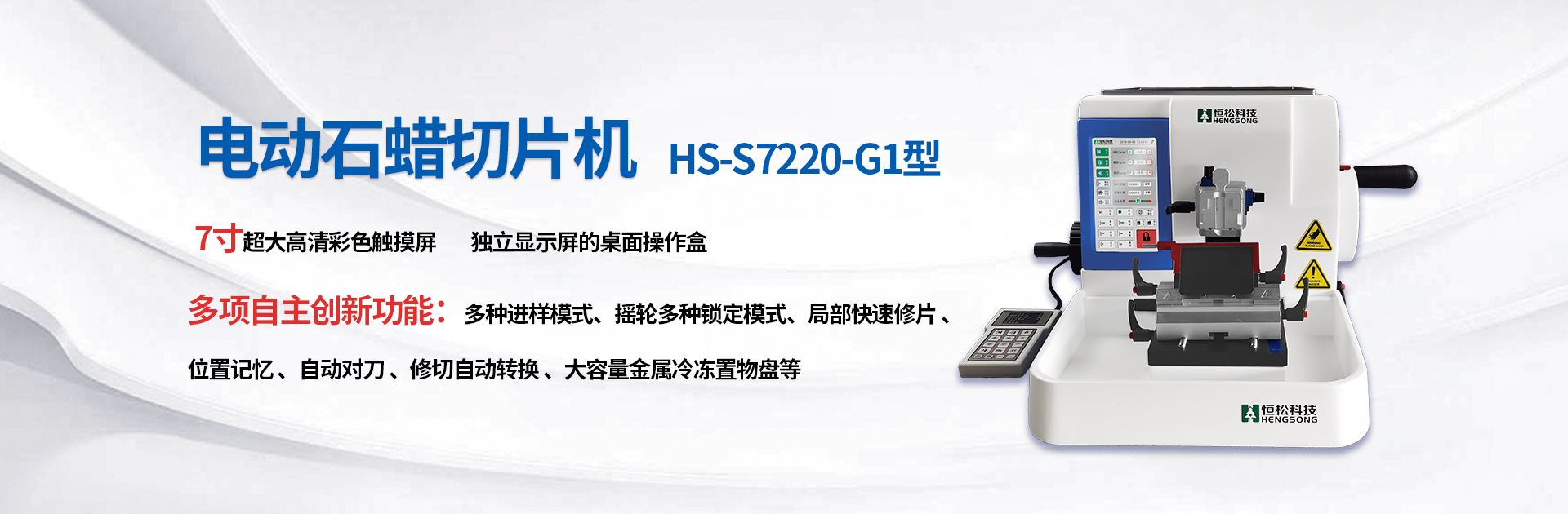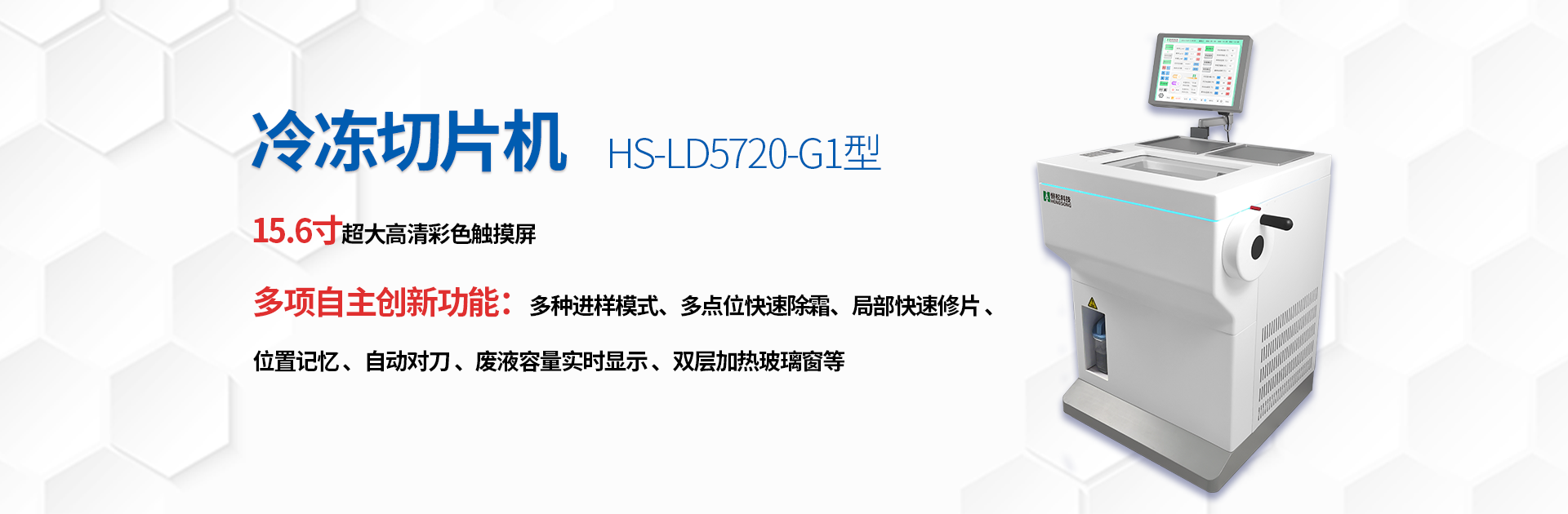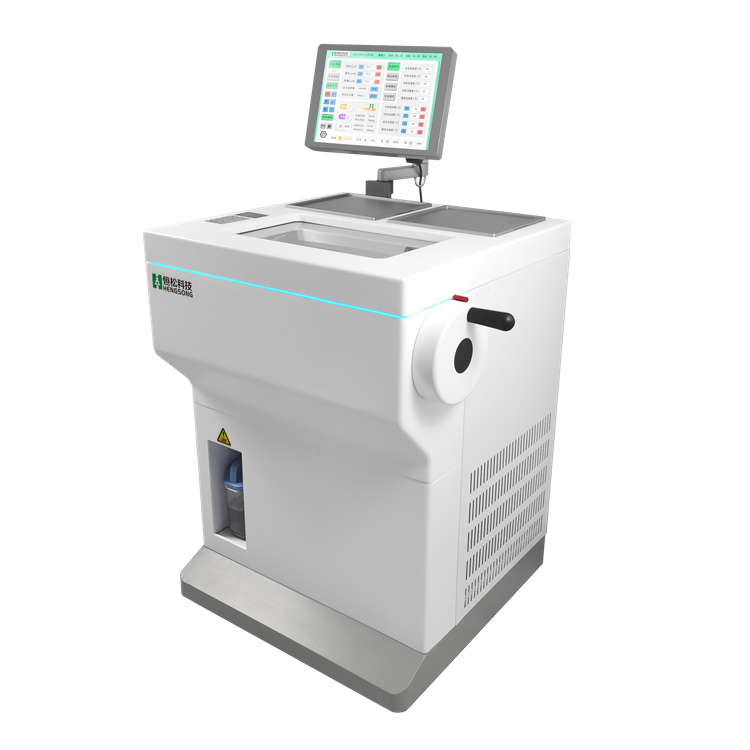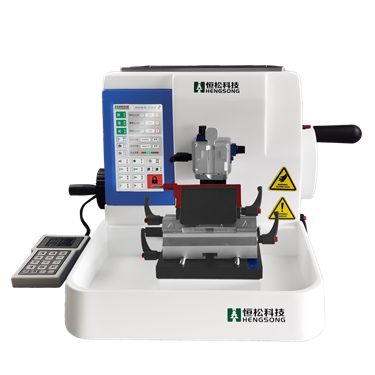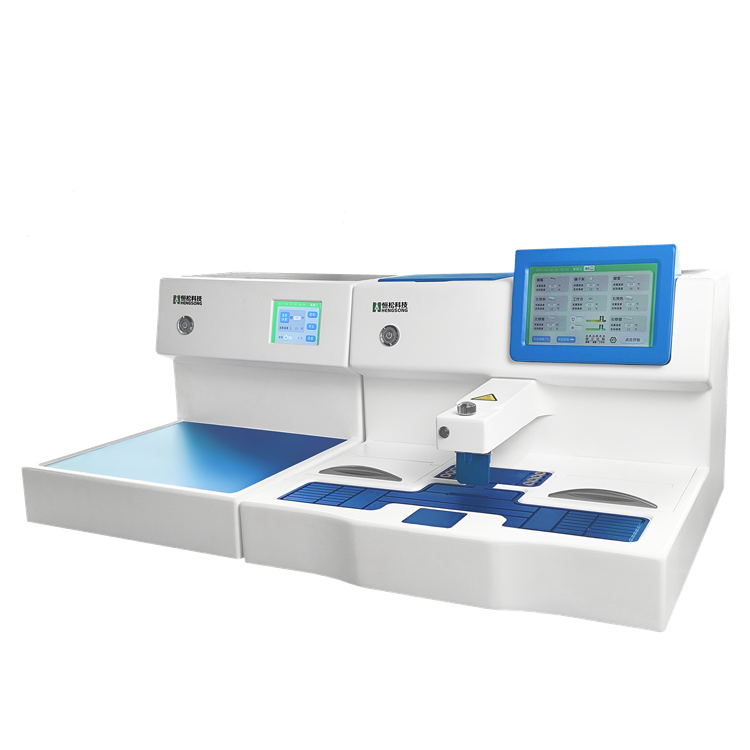
Focused on the research, development, and production of e...

One,Principle
Frozen sections are a method that rapidly cools tissue to a certain hardness under low temperatures, and then slices it. In simple terms, paraffin sections are used for immunohistochemical experiments, while frozen sections are commonly used for immunofluorescence experiments.
In frozen sections, the formation of ice crystals within the tissue often affects the localization of enzymes and antigens.
The principle behind the formation of ice crystals is that biological organisms are composed of cells, with water accounting for approximately 80% to 90% of their composition. Water is the most abundant substance in various tissues. Because water... The key cross-linking causes expansion, thus during the freezing process of the specimens to be inspected, water content easily forms ice crystals, leading to a large number of ice crystal pores and varying-sized air bubbles in the sections, creating a frozen illusion. This is more likely to occur in tissues with higher water content.
The formation of ice crystals is influenced by temperature and is directly proportional to their growth rate (indicating the size of the ice crystals) and inversely proportional to the formation rate (nucleation rate, indicating the number of ice crystals formed). Existing literature shows that the formation rate of ice crystals is initially slow and then gradually increases, with a critical temperature of -3.3°C. Between -3.0°C and -4.3°C, the formation rate sharply increases and then slows down. Therefore, during film production, it is crucial to achieve rapid freezing in a very short time to ensure that there is no interference from ice crystals during microscopic observation, allowing for clear tissue structure and intact cell morphology.
How to Reduce the Formation of Ice Crystals
1. Machine Temperature Range: The optimal temperature range for cryostat machines typically spans from 0 degrees to -35℃, with -15℃ and -25℃ being ideal for the most accurate tissue sections. Tissues with higher moisture content require slightly higher temperatures, while those rich in fat necessitate lower temperatures.
Prior to immunofluorescence, the tissue must be perfused, fixed, dehydrated with sucrose, and then embedded. The most critical step is the sucrose dehydration, which is essential for minimizing ice crystal formation. Sucrose dehydration utilizes the concentration gradient between the tissue sample and the solvent, precipitating water from the tissue sample. Typically, a 30% sucrose solution (in PBS) is used for direct room temperature dehydration for 3 days, with the sugar solution being changed every 24 hours. The completion of dehydration can be assessed by the rapid settling of the tissue at the bottom.
3. The tissue requires rapid freezing, quickly placing the embedded tissue into -80℃ to freeze it rapidly, reducing the time and minimizing ice crystal formation, or using liquid nitrogen for 1-2 minutes. When slicing is to be performed, the tissue should first be thawed at -20℃ before beginning the slicing process.
4. Short-term storage of sliced products in PBS at -4°C, long-term storage in freezing medium at -20°C.


b2b.china9.net © Zhongshang 114 Hebei Network Technology Co., Ltd.Address: Room 6009, Oriental New World Center, No.118 East Zhongshan Road, Qiaoxi District, Shijiazhuang City, Hebei ProvincePlatform Service Hotline: 4006299930