

Product Details

Cement Mat, Geotextile, HDPE Membrane, Composite Geomembrane, Drainage Mesh, Short Fiber Geotextile, Bentonite Waterproof Mat, Eco Bags, etc.



价 格Negotiable
最小起订0 Piece库存0 Piece
 Business Card
Negotiable

¥3.00

Negotiable

Negotiable
 Short fiber geotextile
Negotiable
Short fiber geotextile
Negotiable
 Bentonite Waterproof Mat
¥3.00/Piece
Bentonite Waterproof Mat
¥3.00/Piece
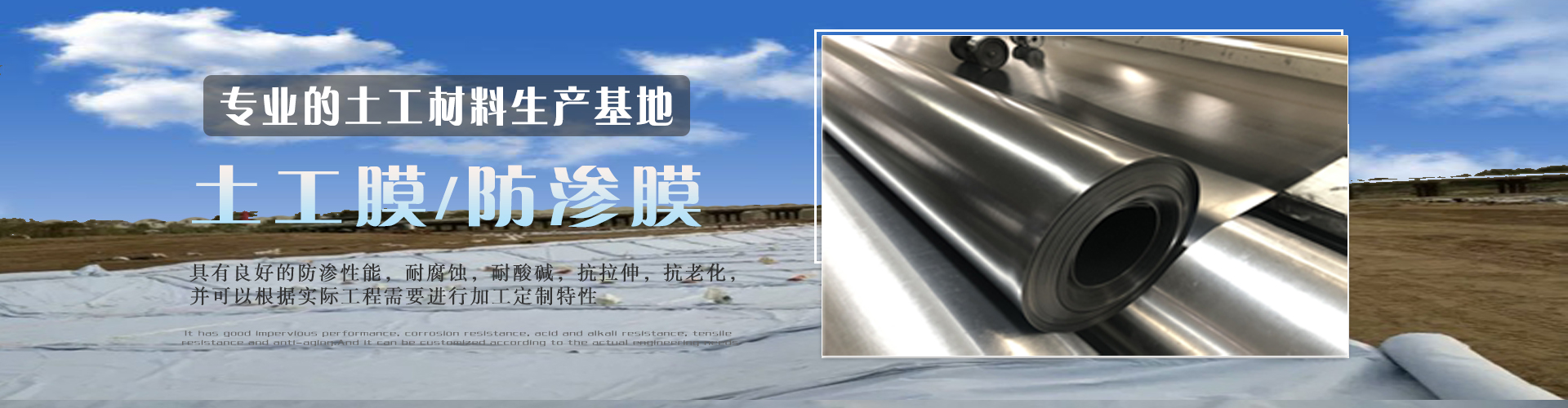
 Landfill Geomembrane
Negotiable
Landfill Geomembrane
Negotiable
 2.0mm HDPE Geomembrane
Negotiable
2.0mm HDPE Geomembrane
Negotiable
 Eco Bags
Negotiable
Eco Bags
Negotiable
 Black film anaerobic biogas
Negotiable
Black film anaerobic biogas
Negotiable
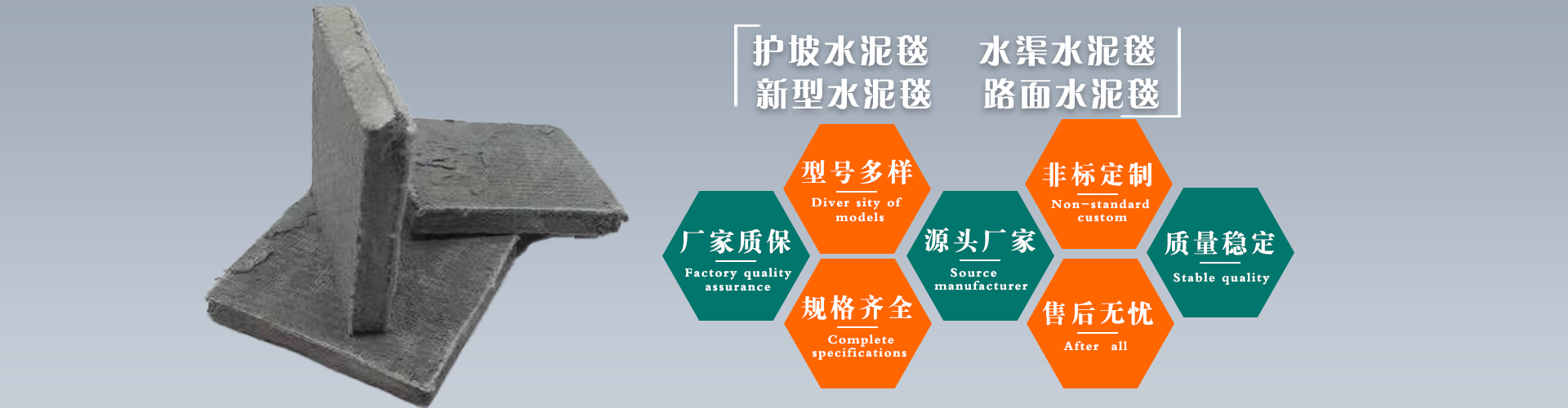
 Cement Mat
Negotiable
Cement Mat
Negotiable
 Cement Mat
Negotiable
Cement Mat
Negotiable
 Composite Geomembrane
Negotiable
Composite Geomembrane
Negotiable
 Bentonite Waterproof Mat
Negotiable
Bentonite Waterproof Mat
Negotiable
Phone:18053450611
Due to the long-term open-air stacking of waste in landfills, it easily breeds mosquitoes and flies, spreads pathogens, and generates臭气. Long-term outdoor waste stacking, with factors like rain, can lead to flowing waste, causing it to become moist, decompose, and produce leachate. This leachate pollutes the surrounding environment and residents, posing significant harm, which in severe cases can be fatal. Landfilling waste isolates it from groundwater and rain, keeping it dry and away from air, preventing extensive decomposition. The primary function of landfill sealing treatment is: first, to reduce environmental damage caused by waste and minimize the decomposition of leachate; second, to effectively control the gases produced by waste; finally, to isolate waste from livestock and people, preventing severe harm to the surroundings.
Landfill Geomembrane Construction Plan
Firstly, prepare the site by cleaning, compacting, and leveling the subgrade surface; then, excavate soil using a excavator to cover the subgrade, ensuring a layer of at least 30 centimeters thick. If loess is unavailable, substitute with yellow sand or fine sand. After filling and compacting the soil or sand layer, prepare for the next step: dig a subterranean drainage channel for groundwater and distribute drainage pipes.
Next, level and compact the base layer of the prepared soil, ensuring the surface is smooth and free of stones protruding more than 2cm or obvious small holes. After inspection, lay the bentonite waterproof mat naturally and flat on the soil protection layer, with the non-woven side facing down and the woven side facing up. Note: Construction of the bentonite waterproof mat should be done under non-rainy or snowy conditions. In case of rain or snow, cover the mat with a plastic film to prevent the bentonite from expanding when it comes into contact with water. The overlap of the bentonite waterproof mat should be at least 20cm, and bentonite overlap powder should be evenly sprinkled at the overlap edges. After spraying water to bond it, compact it to maintain flatness. Once laid, check for any damage or holes in the waterproof mat and make repairs as needed, preparing for the next step.
Then, lay the HDPE geomembrane, also known as high-density polyethylene geomembrane or HDPE waterproof geomembrane. Europe began using HDPE geomembrane in the 1980s, primarily for waterproofing projects in landfill sites. With increasing emphasis on the ecological environment in our country and rising national awareness, the geomembrane has been widely applied in landfill treatment. Place the HDPE waterproof geomembrane over the bentonite waterproofing mat, ensuring it is stretched and flattened without large bubbles. Press it flat to prevent damage from heavy machinery like excavators. Overlap the edges of the geomembrane by at least ten centimeters, keeping the edges clean and free of debris and stones. Prepare for welding by testing a one-meter section of geomembrane first, adjusting the welding machine's temperature. Then, have a professional welder perform the welding. The welding should be done simultaneously with the geomembrane laying until completion. Note: During the geomembrane laying process, have an excavator gently and evenly distribute soil to cover the geomembrane, and perform welding and backfilling simultaneously to prevent人为 damage to the geomembrane. Cover the geomembrane with a protective soil layer of at least thirty centimeters to prevent plant roots from piercing the geomembrane, and then compact the soil layer.
Once the geomembrane is laid, the long-fiber nonwoven geotextile will be spread manually, ensuring the fabric is stretched and laid flat with overlaps of at least ten centimeters. After laying, inspect the surface of the long-fiber geotextile for any damage or holes, and repair as needed. Then, cover the geotextile with soil, maintaining a thickness of at least thirty centimeters, and compact and flatten the soil. Subsequently, lay the short-fiber geotextile on the compacted soil layer, using manual rolling and ensuring the fabric is stretched and laid flat with overlaps of at least ten centimeters. After laying, check the geotextile for integrity and address any issues promptly.

Phone Consultation