

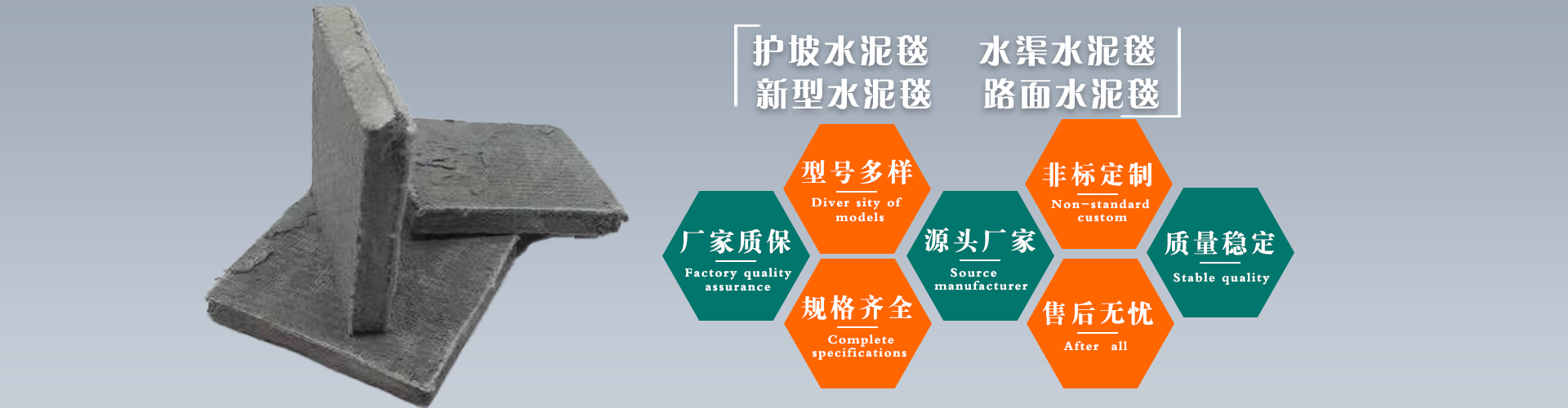
 Cement Mat
 Long-fiber Geotextile
 Cement Mat
 Bentonite Waterproof Mat
 Composite Drainage Mesh
 EVA Waterproof Tunnel Sheets
 Cement Mat
 Cement Mat
 Drainage geotextile mat
 Cement Mat
Product Details

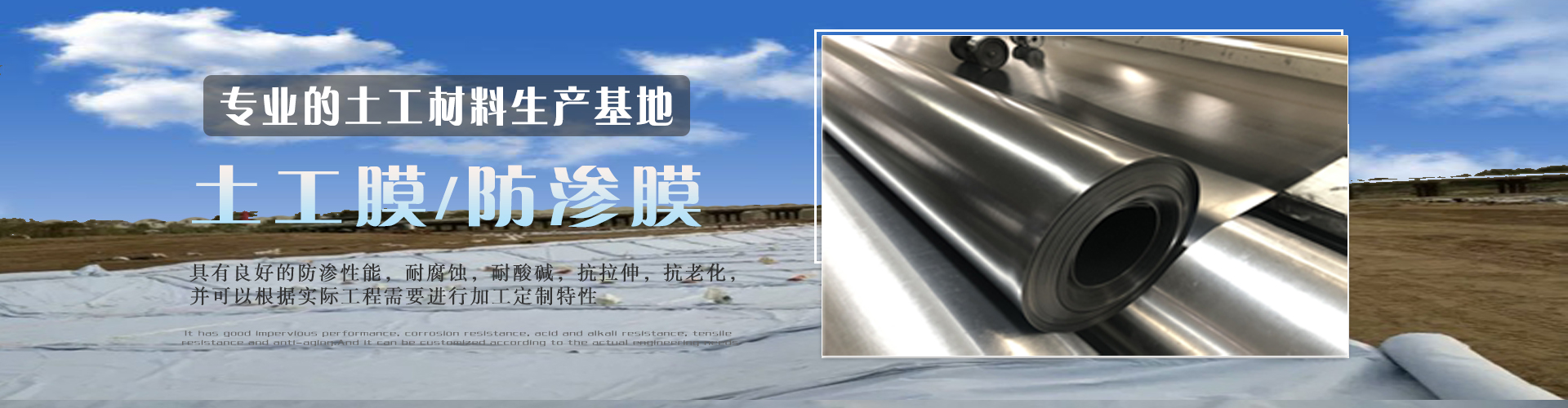
Cement Mat, Geotextile, HDPE Membrane, Composite Geomembrane, Drainage Mesh, Short Fiber Geotextile, Bentonite Waterproof Mat, Eco Bags, etc.



价 格Negotiable
最小起订0 piece库存0 piece
 Business Card
Negotiable

Negotiable

Negotiable

Negotiable
Phone:18053450611
Eco-bags are made from non-woven fabric processed from raw materials like polypropylene (PP) or polyester (PET), featuring double-sided heat-pressed needle-punched construction. They are moisture-resistant, waterproof, and not soluble in polluted liquids, primarily used for constructing flexible ecological slopes.
· In slope engineering, geotextile bags can replace materials like stone and cement, significantly reducing the project's cost. By adding grass seeds inside the geotextile bags and filling them into the slope after backfilling, the surface of the slope can grow green vegetation after a period, achieving the effect of green landscaping and forming a natural ecological slope. The geotextile bags have a filter function that allows water to pass through but retains soil, creating a slope with high permeability. This slope offers strong protection and stability against soil erosion, local mudslides, and slope collapses, making it a highly stable natural slope.
Ecological bags currently do not have a separate index; they follow the execution standards for geotextiles, with short fibers referring to GB/T 17638-1998 and long fibers to GB/T 17639-2008.
· Common specifications for eco-bags include 810*430, with fabric weight ranging widely, typically including 100g, 125g, and 150g.
· Volume calculation formula for soil in eco-bags after shaping:
Length = Eco Bag Length - (12~15) cm
Width = 0.7 times the width of the eco-bags
Height = 0.4 * Eco-Bag Height
For example, a bag with an outer diameter of 810mm x 430mm will be approximately 65cm in length, 30cm in width, and 15cm in height after filling with soil (the shaped specifications after filling soil for eco-bags can be designed according to actual requirements. Allowable deviation is up to 2%).

Phone Consultation