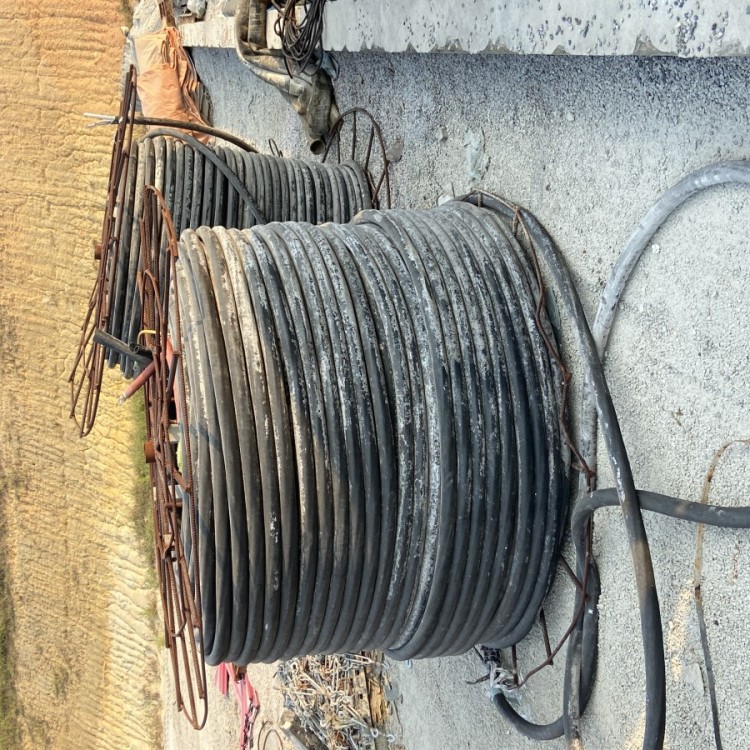
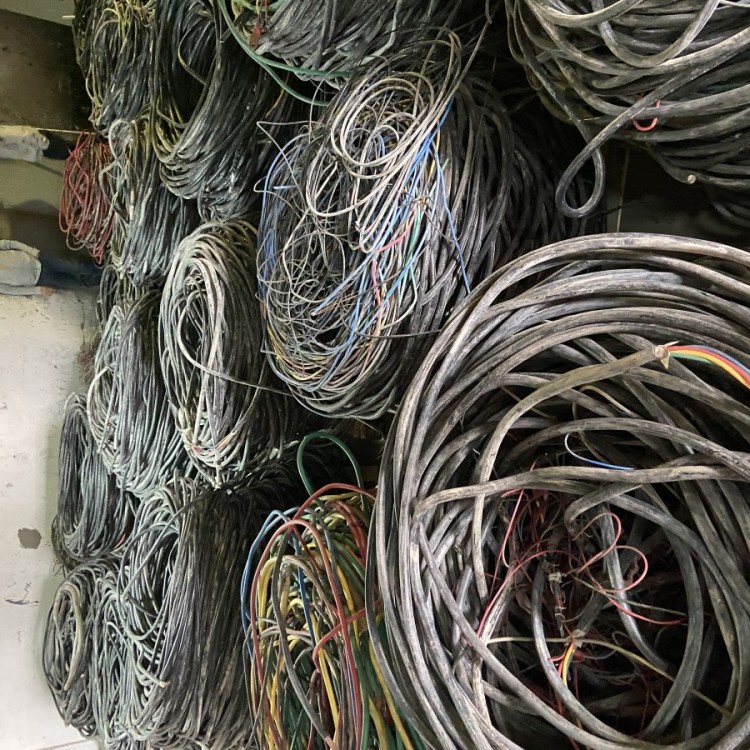
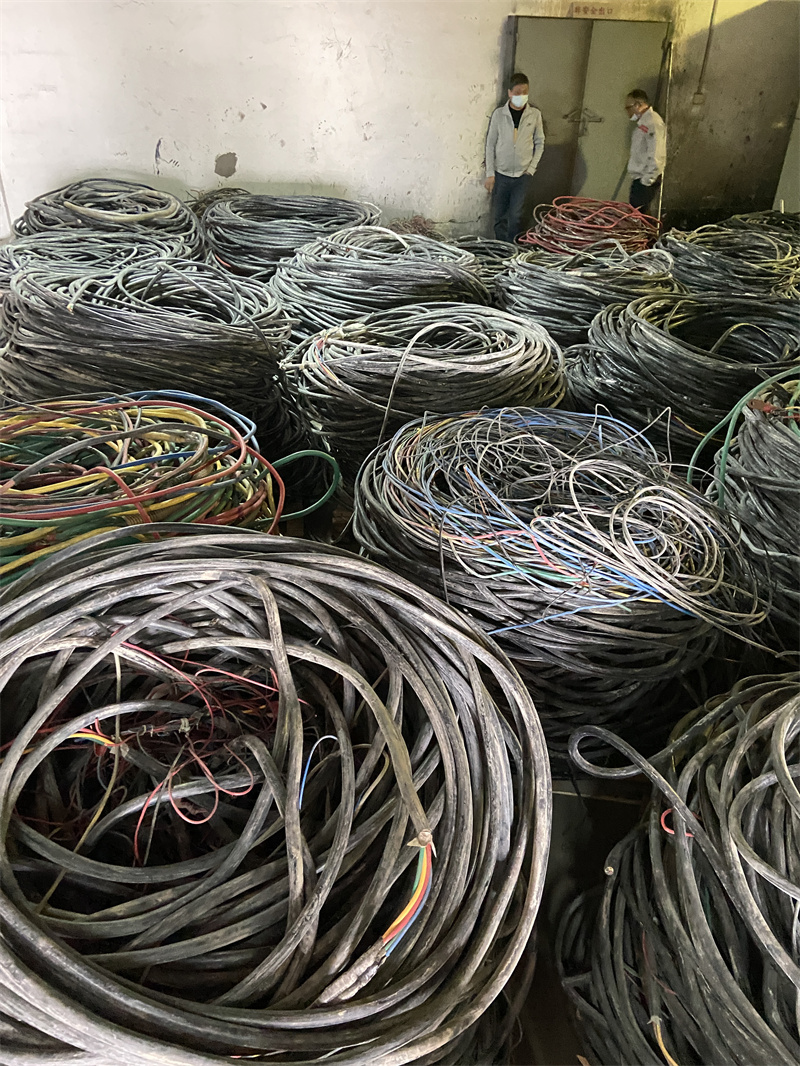
Waste wire and cable recycling is a process involving multiple stages and considerations; it not only helps conserve resources but also reduces environmental pollution.
The Importance of Waste Wire and Cable Recycling
Waste electrical cables and wires contain substantial metal resources, such as copper and aluminum, which are recyclable. By recycling these materials, we can effectively reduce the mining of primary metals, thereby lowering energy consumption and carbon emissions. Additionally, the plastic sheathing and other materials from the waste cables can also be recycled, further minimizing resource waste and environmental pollution.
Section II: Process for Recycling Worn-out Electrical Wires and Cables
The process of recycling scrap wire and cable typically involves the following steps:
Gathering and Categorization:
Recycling companies gather waste wire and cable through various channels, such as from construction sites, factories, and power companies.
Recovered waste cables and wires must be sorted based on material, type, and degree of contamination for subsequent processing.
Disassembly and Pretreatment:
For waste cables with metallic sheaths or insulating layers, disassembly is required to separate the metal from non-metallic parts such as plastic.
The metal parts after disassembly require further cleaning to remove surface oil, dirt, and other impurities.
Crushing and sorting:
The cleaned metal parts may require crushing to be reduced to smaller particles or fragments.
Subsequently, the metals of different types are separated through physical or chemical sorting methods.
Melting and Refining:
The sorted metal will be sent to the melting furnace for melting, resulting in metal melt.
The molten material undergoes refining to remove impurities and gases, enhancing the purity of the metal.
Reprocessing and Reuse:
Refined metals can be used directly for further processing, to manufacture new wires, cables, or other metal products.
Plastic and other non-metal parts can also be recycled and reused, such as for producing new plastic products.
III. Precautions for Waste Wire and Cable Recycling
Safety & Environmental Protection:
During the recycling process, strict adherence to safety and environmental protection regulations is required to ensure the safety of operators and the cleanliness of the environment.
Avoid using environmentally harmful disposal methods, such as incineration.
Categorization accuracy:
Categorization is a critical step in recycling, ensuring accuracy is vital for subsequent processing.
Different types of waste wire and cable should be handled using different methods.
Compliance:
Recycling companies must possess relevant qualifications and procedures to ensure the legality and compliance of recycling activities.
Comply with relevant laws, regulations, and policy requirements.

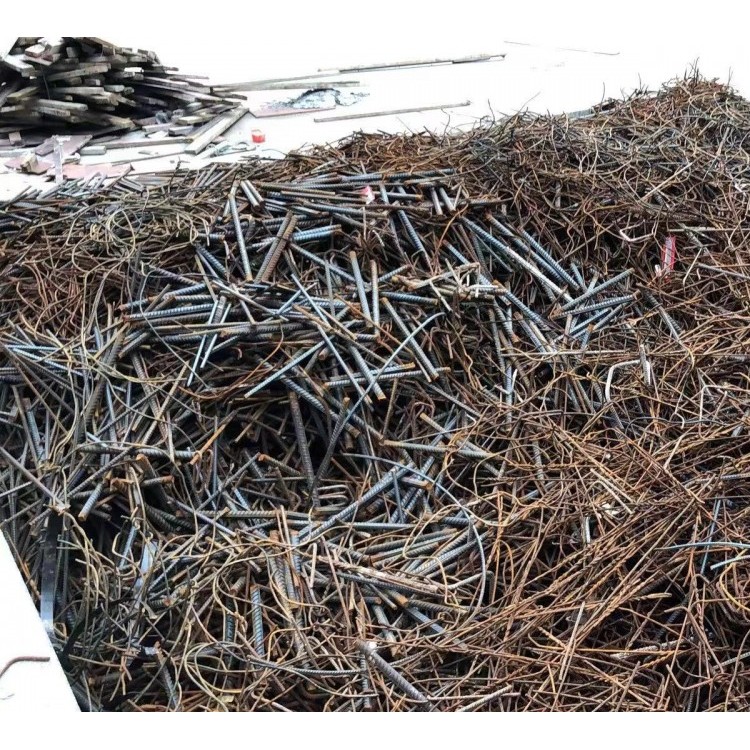 Dongguan scrap iron recycling
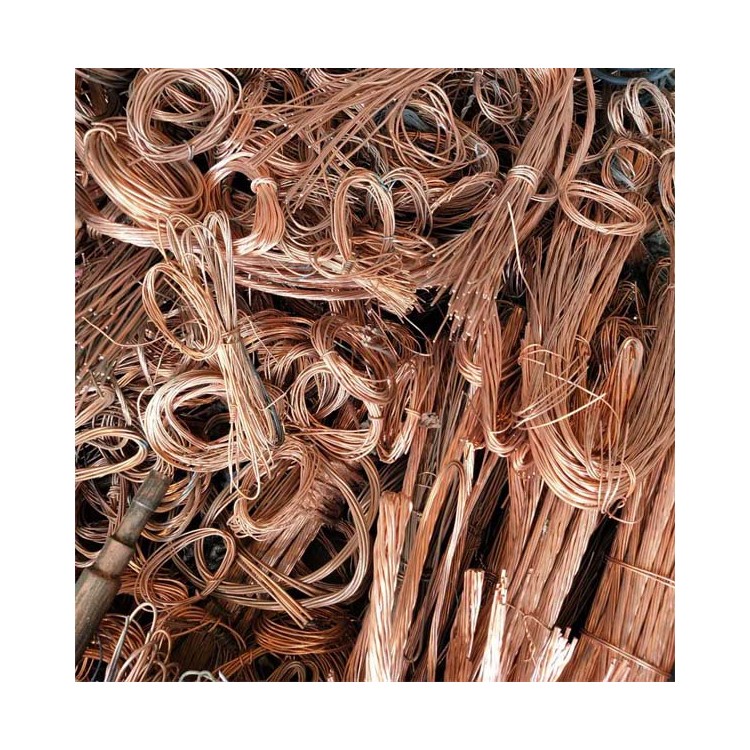 Dongguan Copper Scrap Recycling
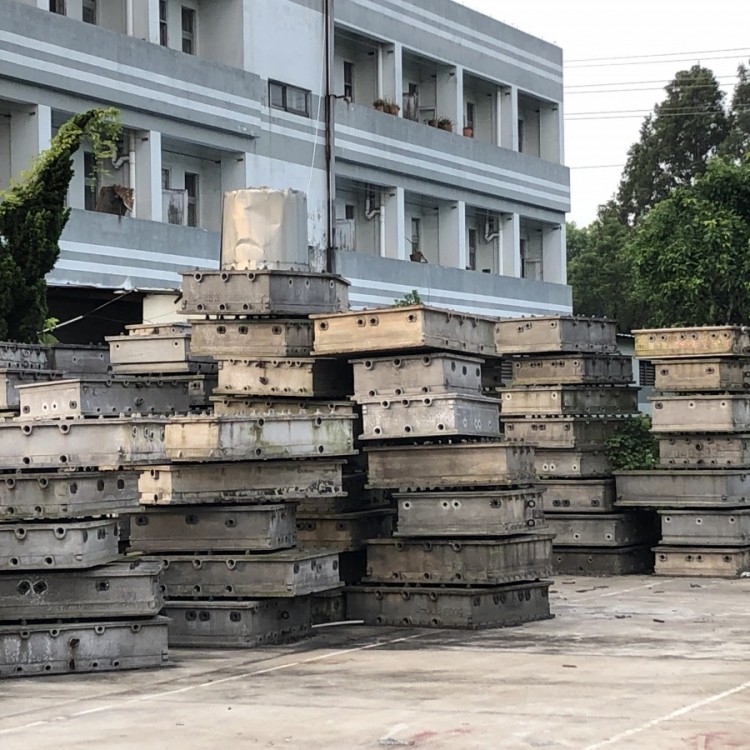 Dongguan Aluminum Scrap Recycling