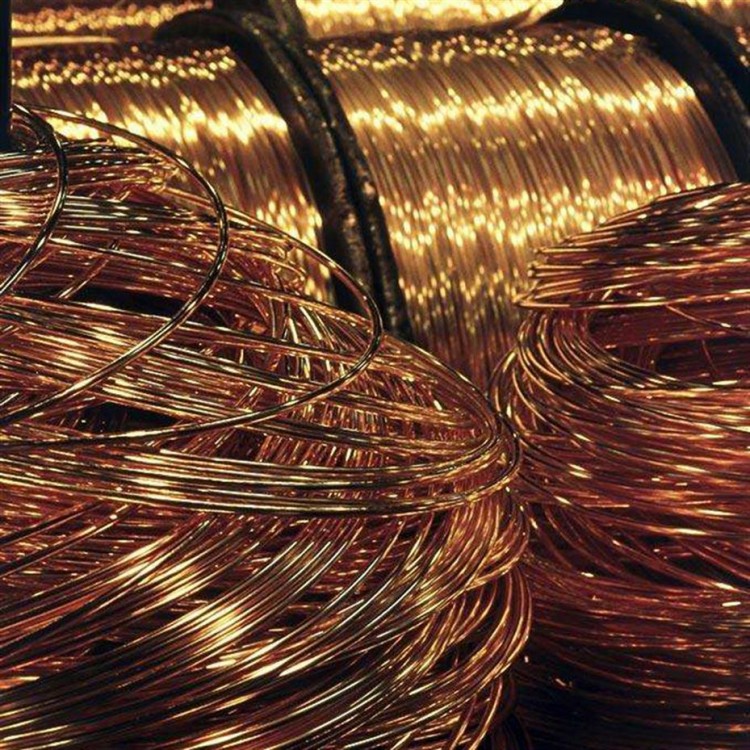
Recycling scrap copper is a crucial process involving multiple stages and considerations, playing a significant role in resource recycling and environmental protection.
The Importance of Copper Recycling
Scrap copper, as a recyclable metal resource, plays a crucial role in conserving primary copper resources, reducing energy consumption and carbon emissions, and lowering environmental pollution. Additionally, the recycling of scrap copper promotes the development of a circular economy and enhances resource utilization efficiency.
II. Sources of Copper Scrap Recycling
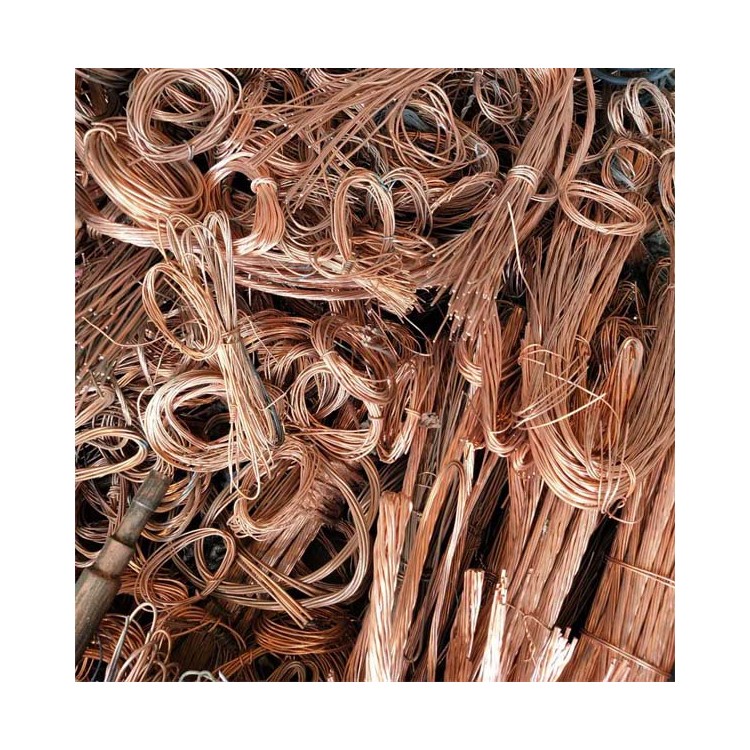
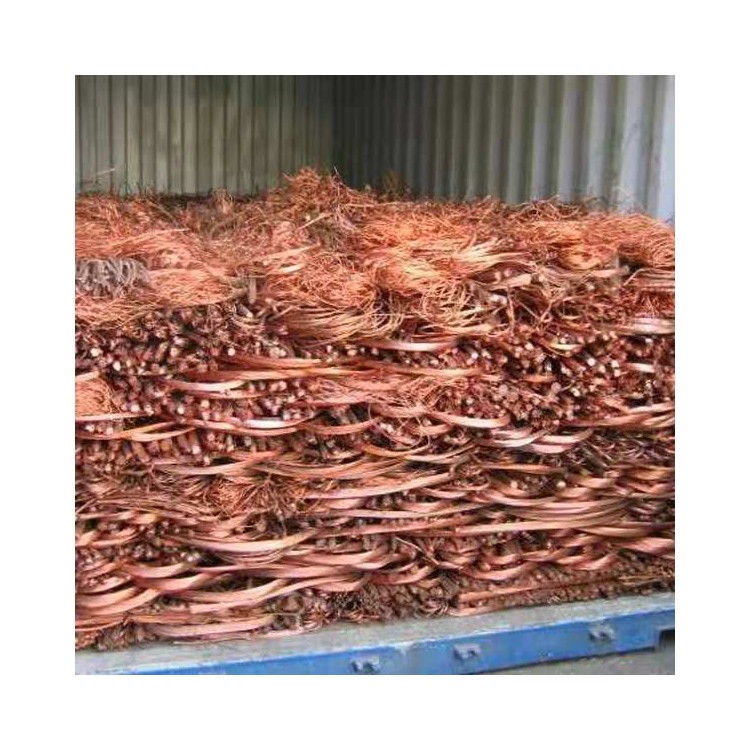
Waste copper recycling sources are diverse, primarily including scrap copper from industrial production, discarded wires and cables, copper components from used household appliances, and waste copper materials from building demolitions. These waste copper materials, after recycling and processing, can be reused in production.
Section 3: Process of Copper Scrap Recycling
The process of recycling scrap copper typically involves the following steps:
Gathering and Categorization:
Recycling companies gather scrap copper materials through various channels, such as establishing cooperative relationships with manufacturing enterprises and purchasing from scrap collection stations.
The collected scrap copper materials must be sorted for processing, categorized based on copper content, purity, type, and other factors, to facilitate subsequent handling.
Disassembly and Pre-treatment:
For scrap copper materials containing other metals or impurities, such as copper components from old electrical appliances, they must be disassembled and processed to separate the copper from other metals or non-metallic parts like plastics.
After disassembly, the scrap copper materials require cleaning and degreasing pre-treatment to enhance the recovery and utilization rate of the scrap copper.
Melting and Refining:
Preprocessed scrap copper material is sent to the melting furnace for melting treatment, where it is melted into copper liquid through high temperatures.
The molten copper must undergo refining to remove impurities and harmful substances such as gases, thereby enhancing the purity of the copper.
Reprocessing and Reuse:
Refined copper liquid can be cast into copper ingots or bars, among other semi-finished materials.
These semi-finished materials, after further processing such as rolling and stretching, can be manufactured into various shapes of copper products or materials, including copper wires, cables, tubes, and sheets.


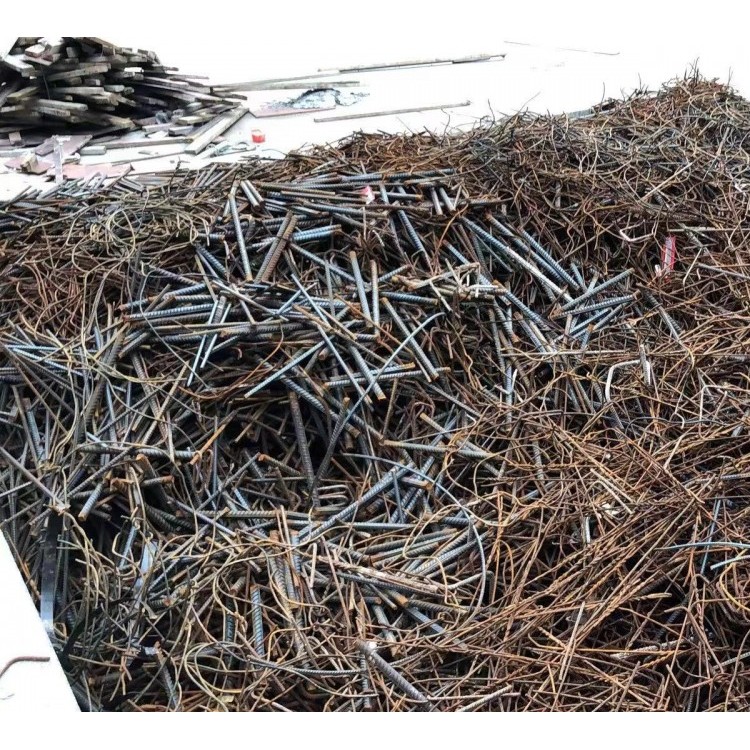 Dongguan scrap iron recycling
 Dongguan scrap wire and cable
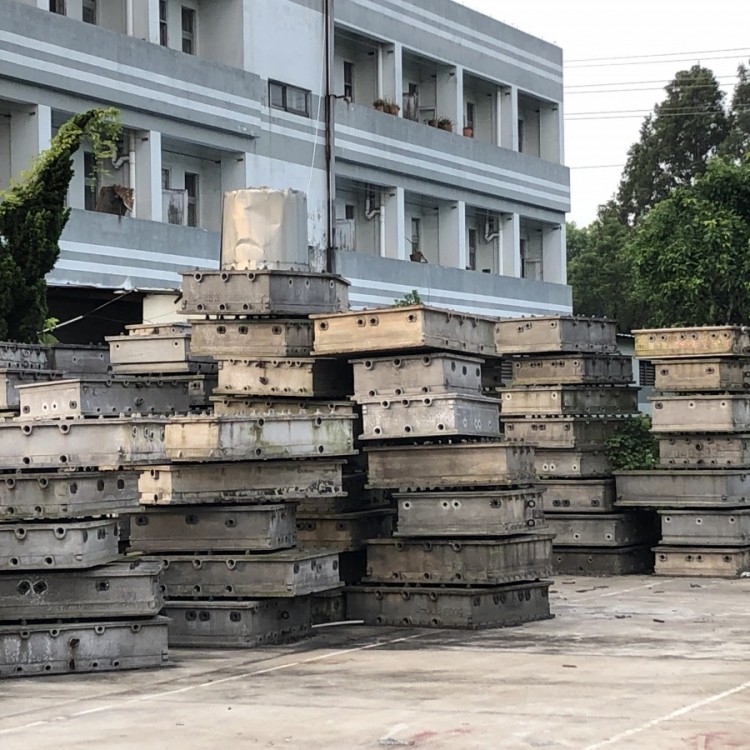 Dongguan Aluminum Scrap Recycling