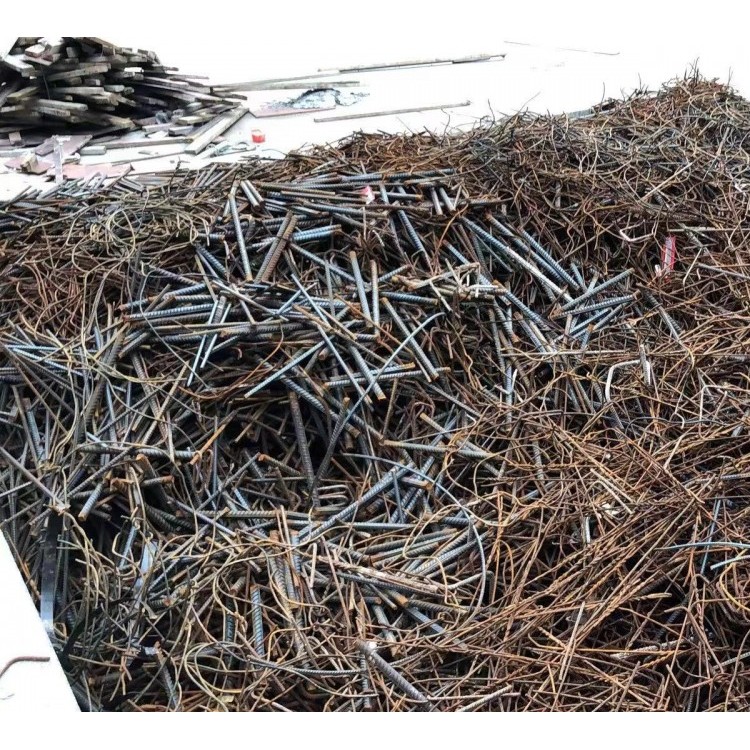
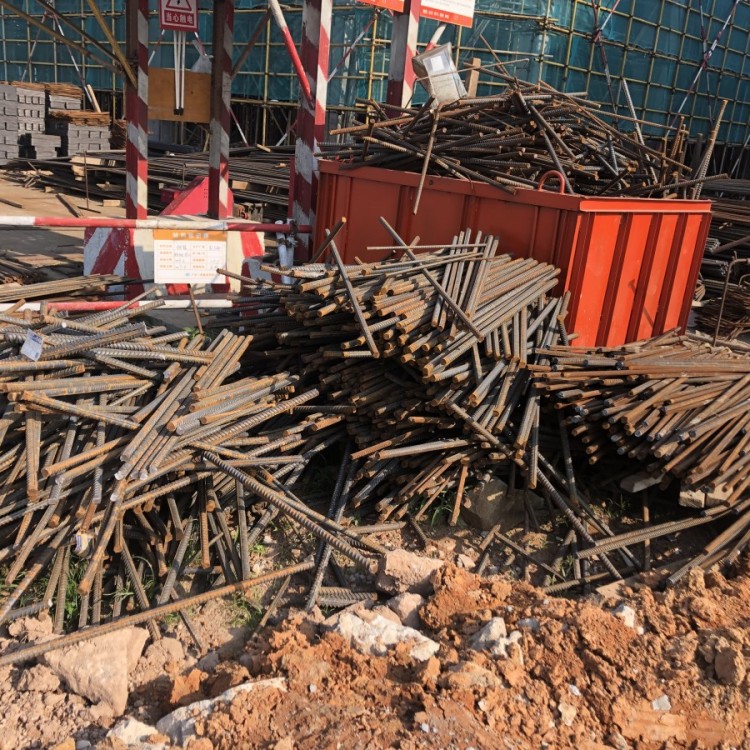
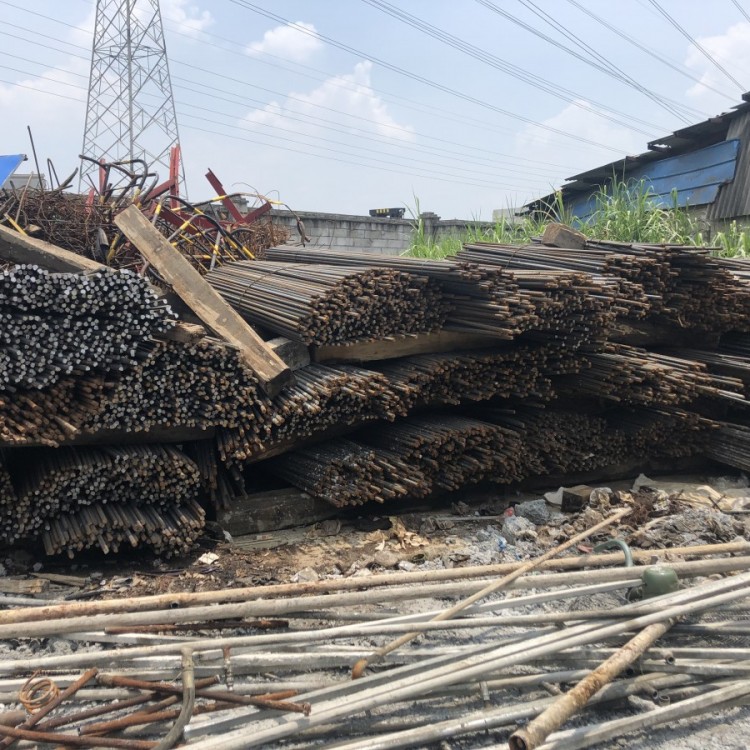
Scrap metal recycling is a process involving multiple stages and key issues.
The Importance of Scrap Iron Recycling
Scrap iron recycling is of great significance for resource recycling and environmental protection. By recycling scrap iron, we can reduce the mining of primary iron ore, lower energy consumption and carbon emissions, and also help alleviate resource shortages. Furthermore, it can minimize the environmental pollution caused by scrap iron and promote sustainable development.
Section 2: Sources of Scrap Iron Recycling
Scrap iron recycling primarily comes from three main sources: social recycling, industrial recycling, and imported scrap iron.
Social recycling: Primarily sourced from discarded iron in people's daily lives, such as old cars, appliances, and machinery. After collection, sorting, and processing, these iron materials can be reused in production.
Industrial Scrap: The waste iron and scrap generated by industrial enterprises during the production process are also significant sources for iron scrap recycling. This scrap iron generally has high recyclability, which can be directly remelted or processed into new metal products.
Section 3: Process of Scrap Iron Recycling
The process of scrap iron recycling typically includes the following steps:
Collection and Classification: Scrap iron can come from various sources, including discarded cars, machinery, construction materials, and more. During the recycling process, the first step is to collect and classify the scrap iron. This is a crucial step, as different types of scrap iron require different processing methods.
Decontamination: Waste iron often contains other materials such as paint, plastic, and rubber. These impurities must be removed to ensure the purity of the waste iron. Methods for decontamination include magnetic separation and physical screening.
Melting and Refining: Waste iron, after impurities have been removed, is sent into a high-temperature furnace for melting, transforming it into liquid metal. During the melting process, appropriate alloy elements are added to adjust the properties of the waste iron and enhance its commercial value. The melted waste iron then requires refining to further remove residual impurities and improve the purity and quality of the iron.
Casting and Machining: Scrap iron is melted and refined, then poured into molds to form castings of required shapes and sizes. These castings are designed according to specific requirements and can be used to manufacture various steel products, such as steel pipes, plates, and rails. After cooling and solidifying, these castings proceed to the next stage of processing. The processing methods include cutting, forging, and heat treatment, which further refine the castings into a variety of shapes and sizes for products like auto parts and machinery.
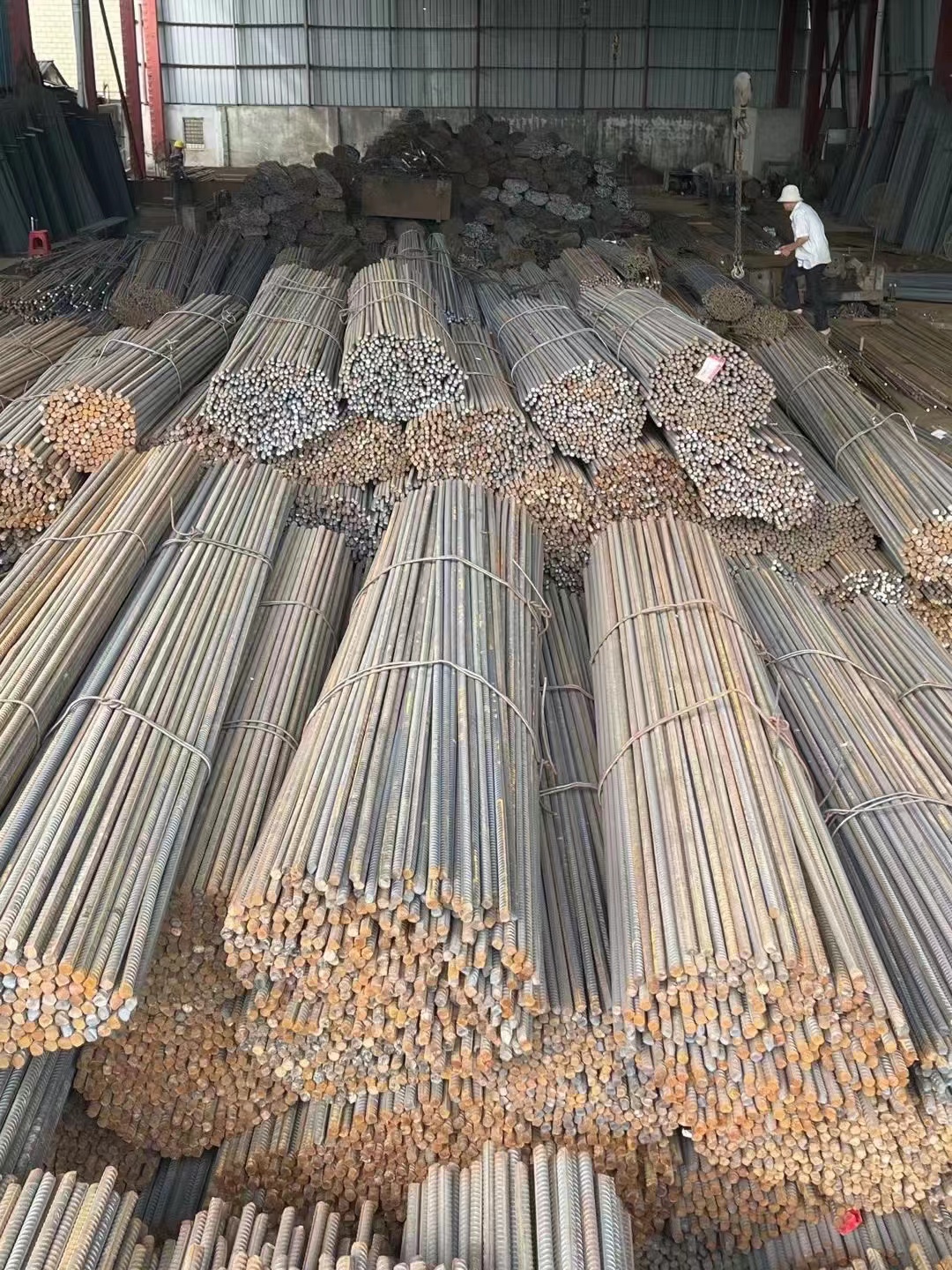

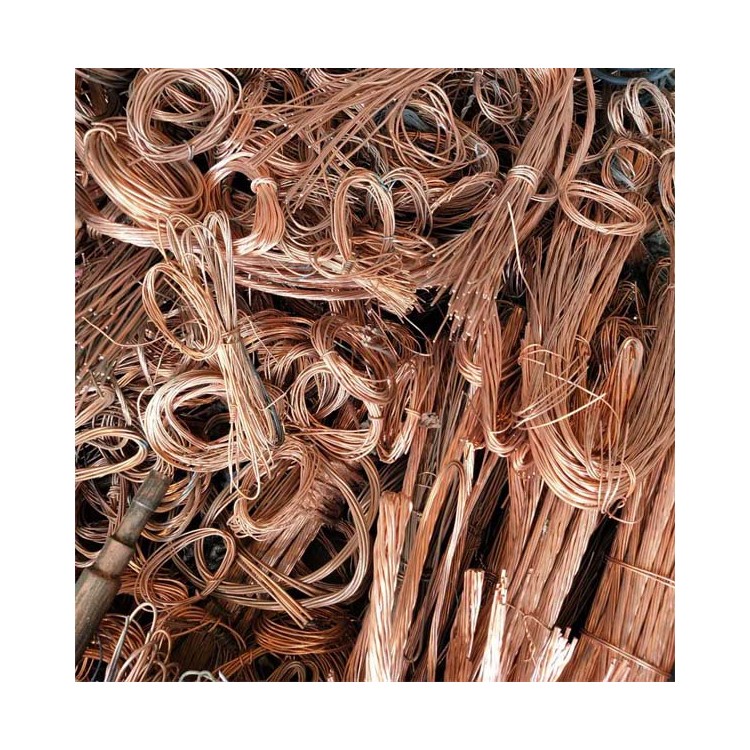 Dongguan Copper Scrap Recycling
 Dongguan scrap wire and cable
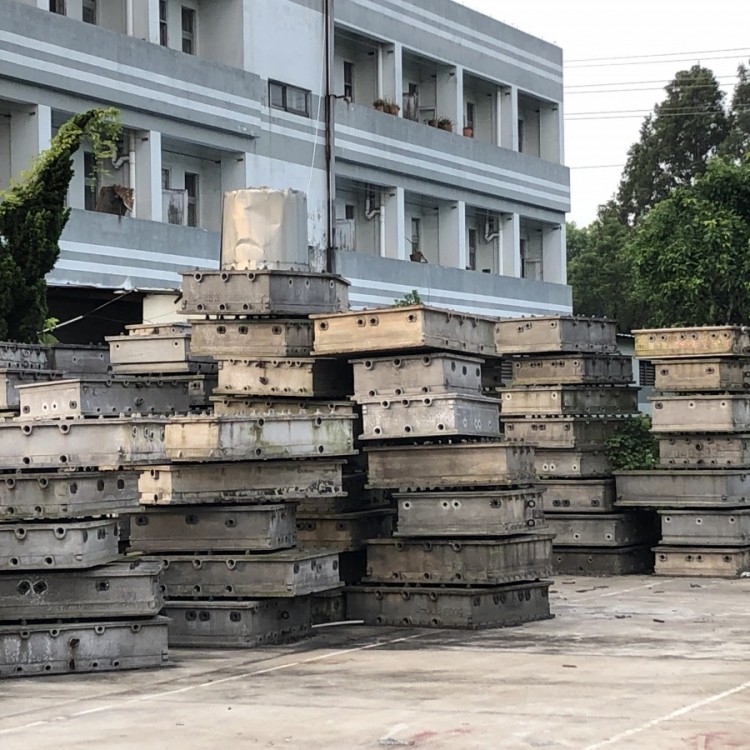 Dongguan Aluminum Scrap Recycling