Over a decade specializing in the rental and sales of various construction machinery, including diesel generators, air compressors, and crane trucks.
15952057960
Diesel generator sets have brought a lot of convenience to modern life and enterprise production. Particularly in areas where the reliability of municipal electricity is not very consistent, using diesel generators as backup power sources not only serves as an emergency power supply but also optimizes the low-voltage system to use some important loads during power outages. So, what are the key components that make up a diesel generator set?
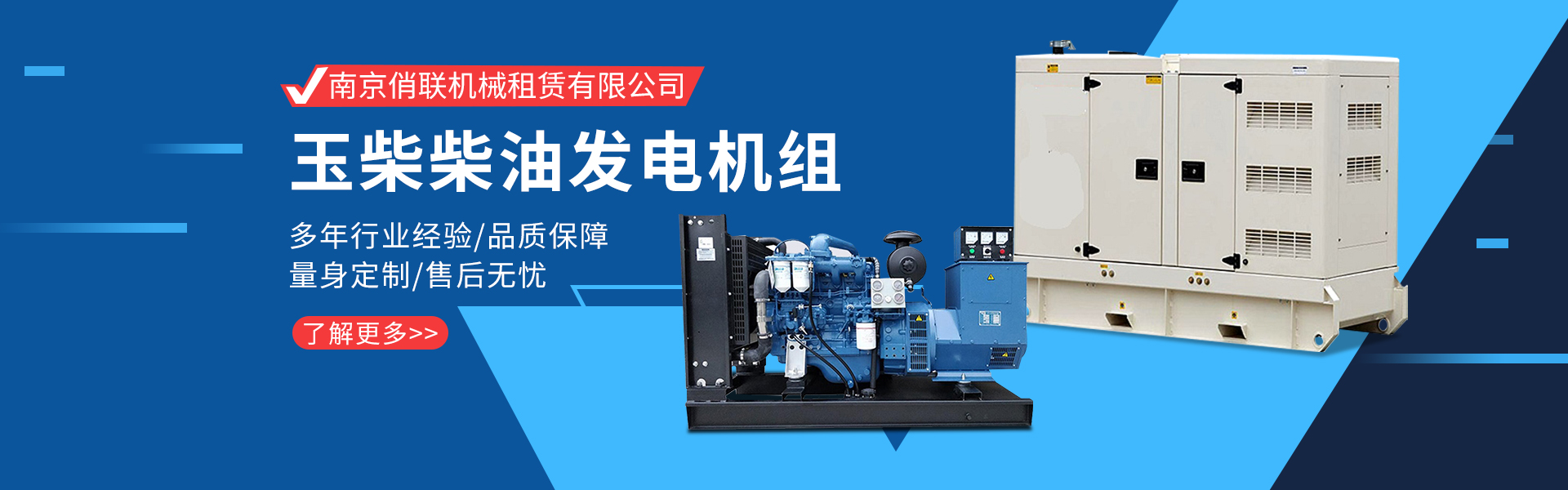
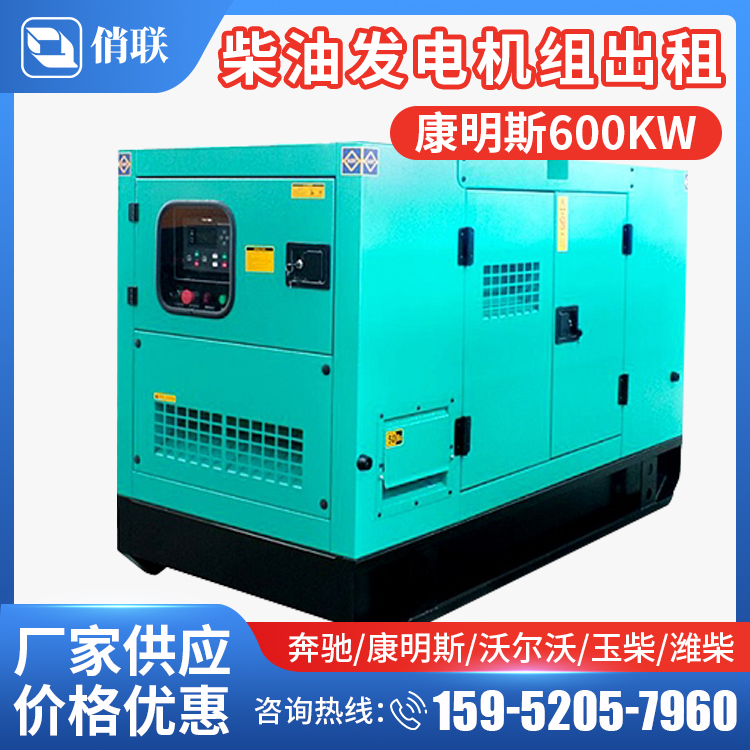
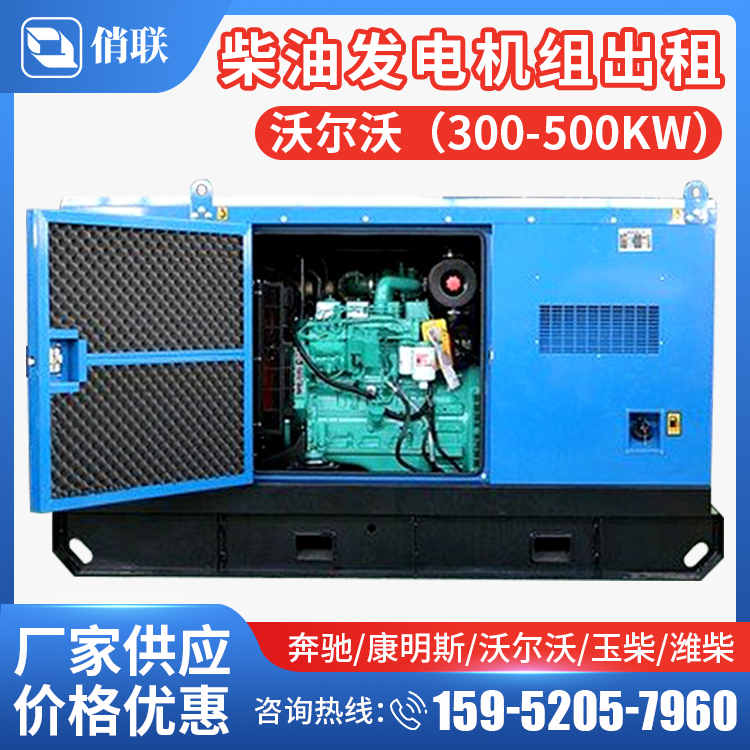
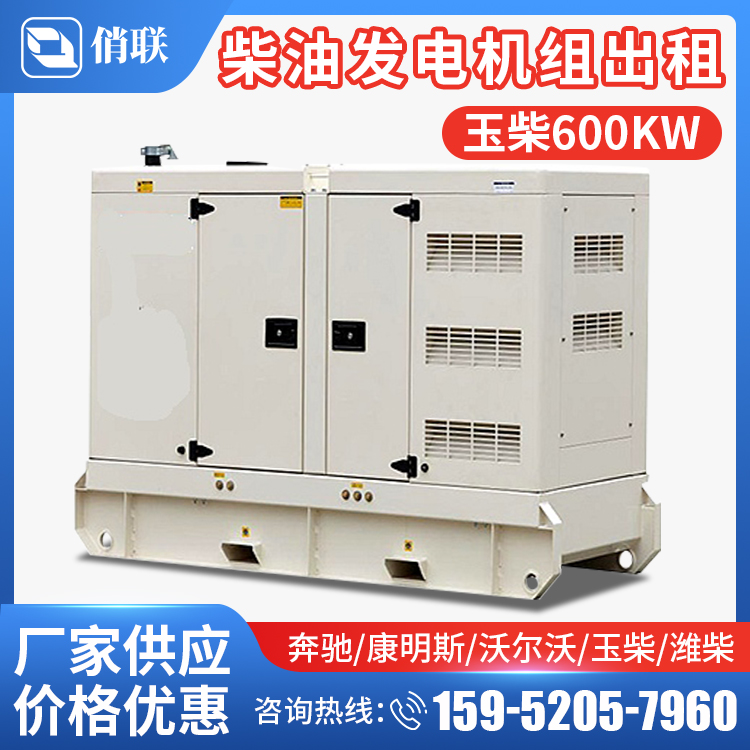
The modern diesel generator set is a rigid assembly comprising components such as a diesel engine, a three-phase AC brushless synchronous generator, a control box (panel), an oil cooler, an electrical control box, a fuel tank, a muffler, and a common base. The control panel and fuel tank of larger power units are installed separately, while the other main components are mounted on a common base constructed of welded structural steel, facilitating mobility and installation. The flywheel housing of the diesel engine is directly connected to the front cover of the generator through a shoulder alignment for direct integration. The generator is rotated by the flywheel, which is connected to the generator by a rigid flywheel mounting plate compliant with SAE standards. This connection is secured by bolts, ensuring that the diesel engine's crankshaft and the generator's rotor are concentric within the specified allowable range. To reduce vibration, shock absorbers or rubber shock mounts are typically installed at the connection points of the main components, such as the diesel engine, generator, oil cooler, and electrical control box, to the common base.
1. Divided by excitation type, there are brushless and brush excitation. Brushless units have less radio interference and require less maintenance for the generator sets, making them suitable for departments and locations that demand high radio interference prevention, such as post and telecommunications, communication, and computers. Brush units are suitable for all other industries.
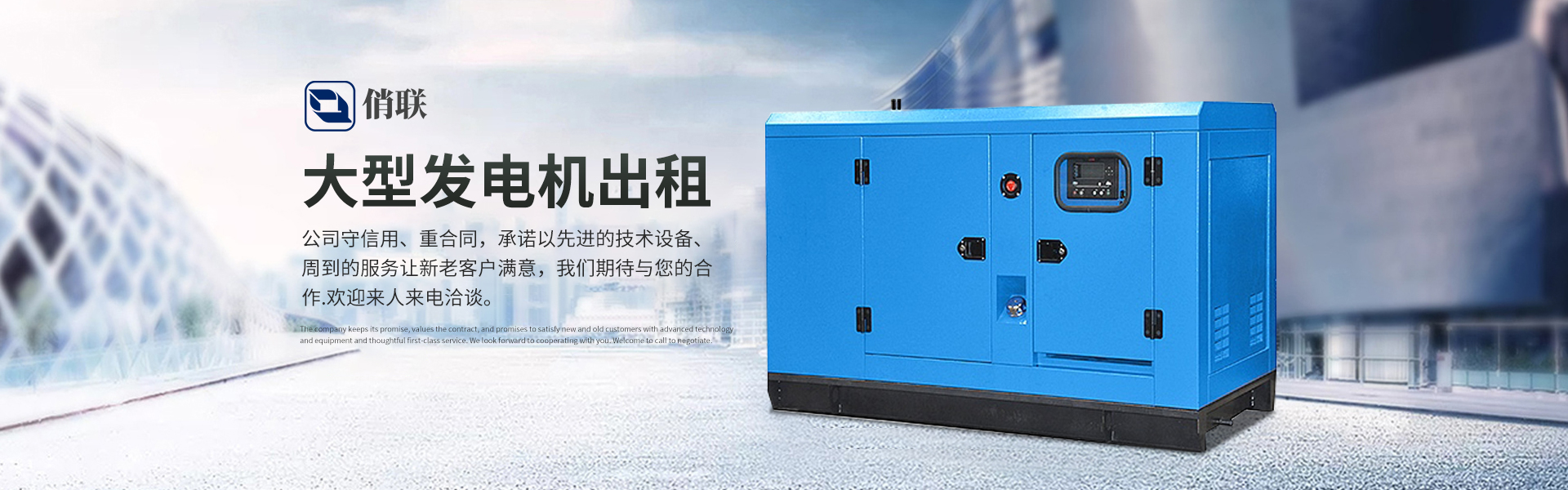
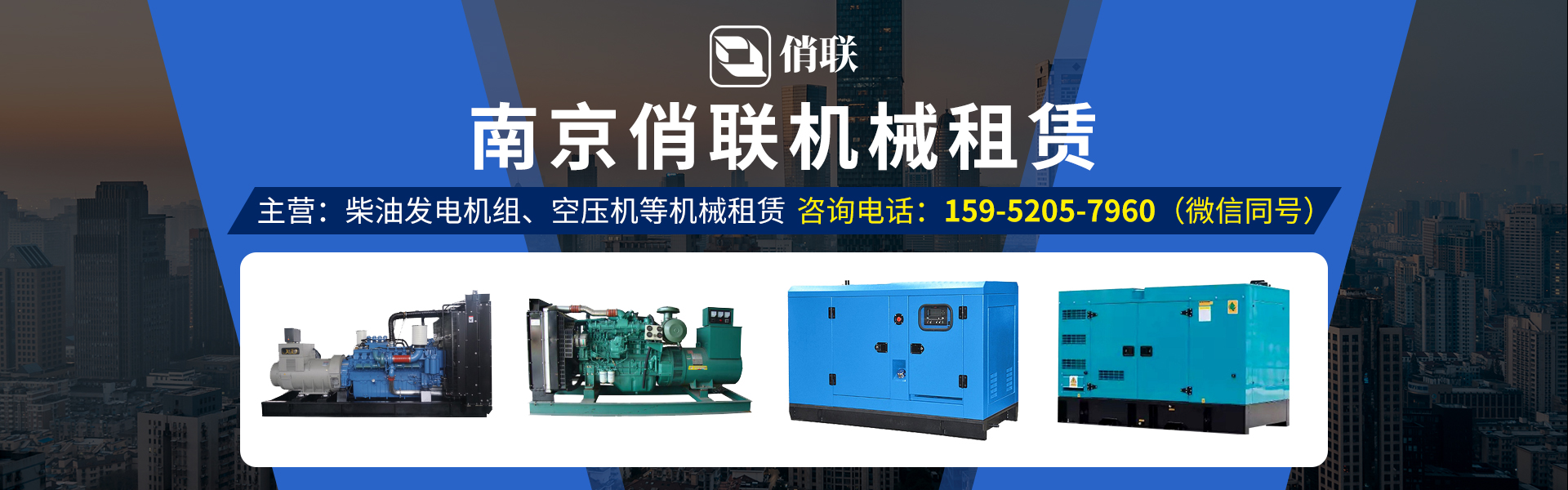
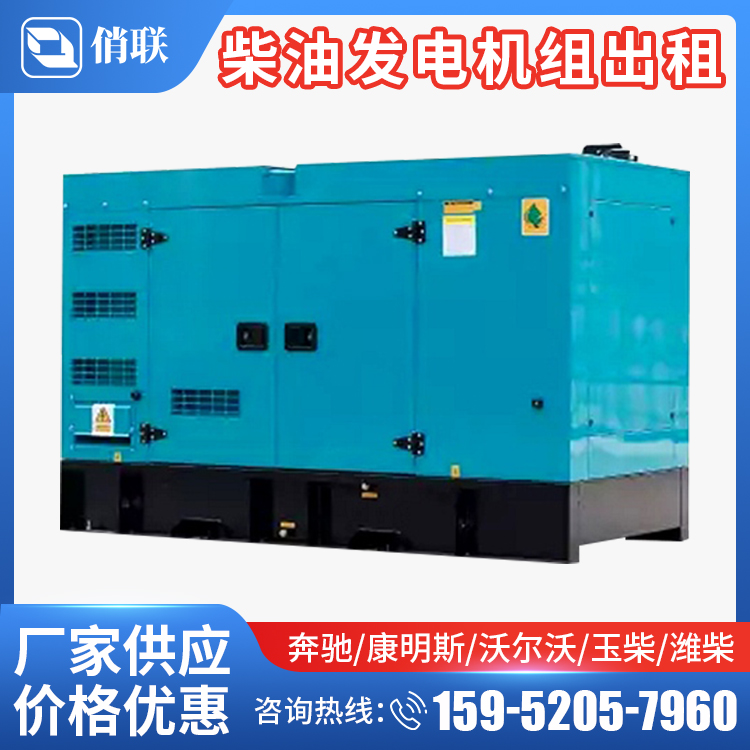
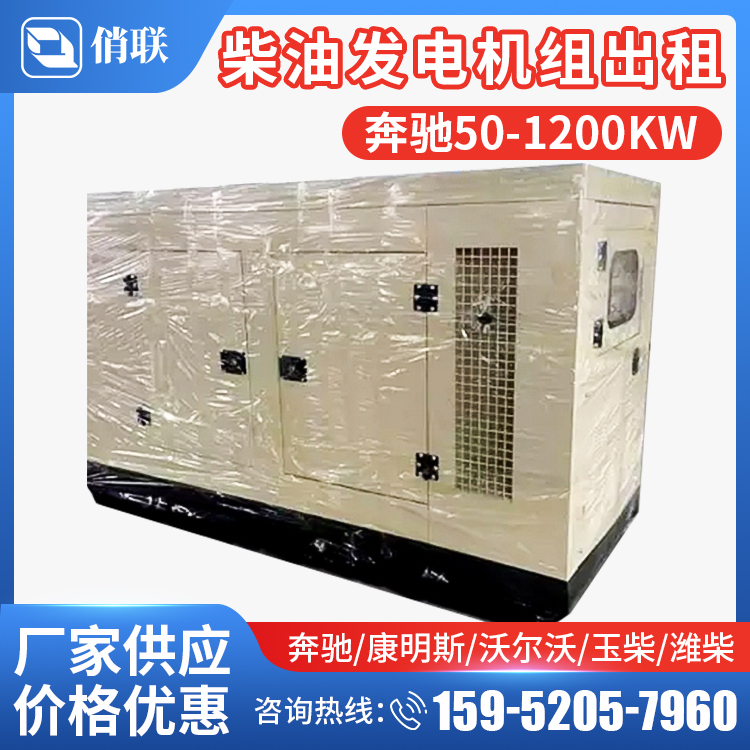
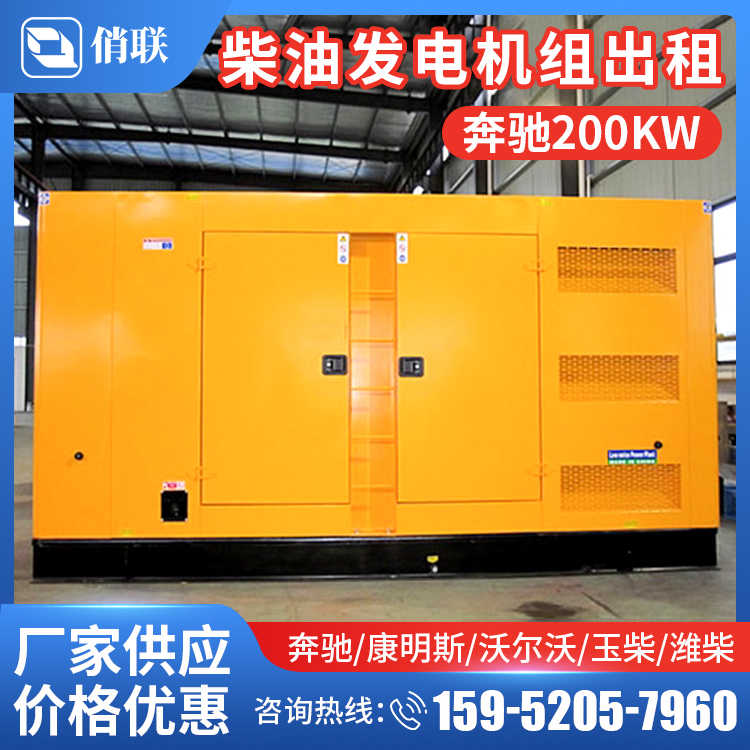
2. For outdoor settings or areas with sand, dust, snow, etc., a canopy-type unit should be chosen; for indoor or non-polluted environments, an open-type unit can be selected. Open-type units are more cost-effective than canopy-type ones and offer better heat dissipation performance.
3. Internal cooling method. Few auxiliary devices, simple operation, and minimal maintenance; failure consumes a portion of the unit's power. For units with excess power, the internal cooling method should be chosen.
4. External Cooling Method. The fault requires the establishment of a water pool or tower and the creation of a cooling cycle system, which takes up a large area and involves substantial maintenance work. For large-scale units or those without excess power capacity, external cooling methods should be chosen.
Contact us

Service Hotline
15952057960
Company Telephone
15952057960

WeChat Number
15952057960

Address
Nanjing Jiangning District, Hengxi Street, Yuntai Community (formerly Yuntai Primary School)
b2b.china9.net © Zhongshang 114 Hebei Network Technology Co., Ltd.Address: Room 6009, Oriental New World Center, No.118 East Zhongshan Road, Qiaoxi District, Shijiazhuang City, Hebei ProvincePlatform Service Hotline: 4006299930