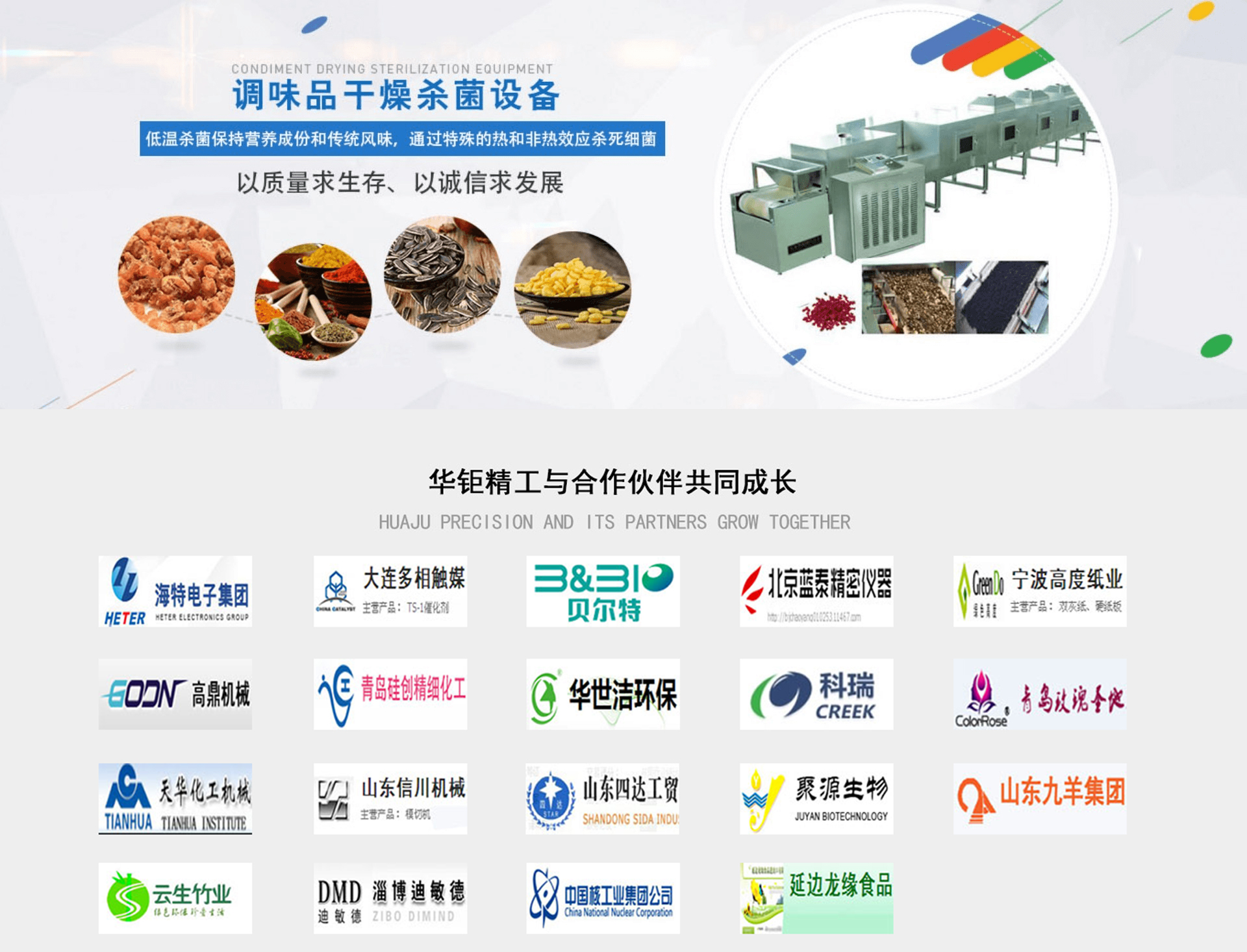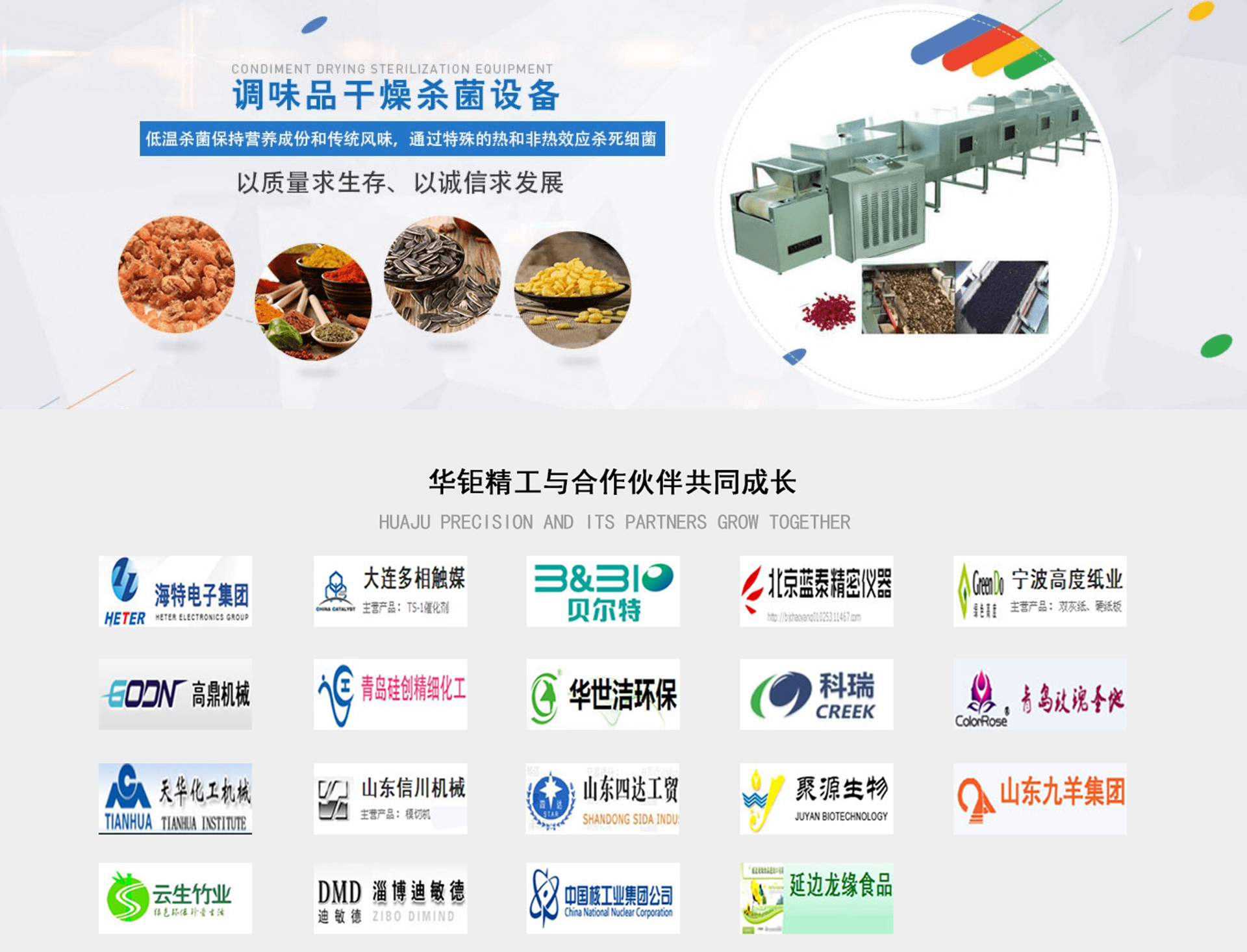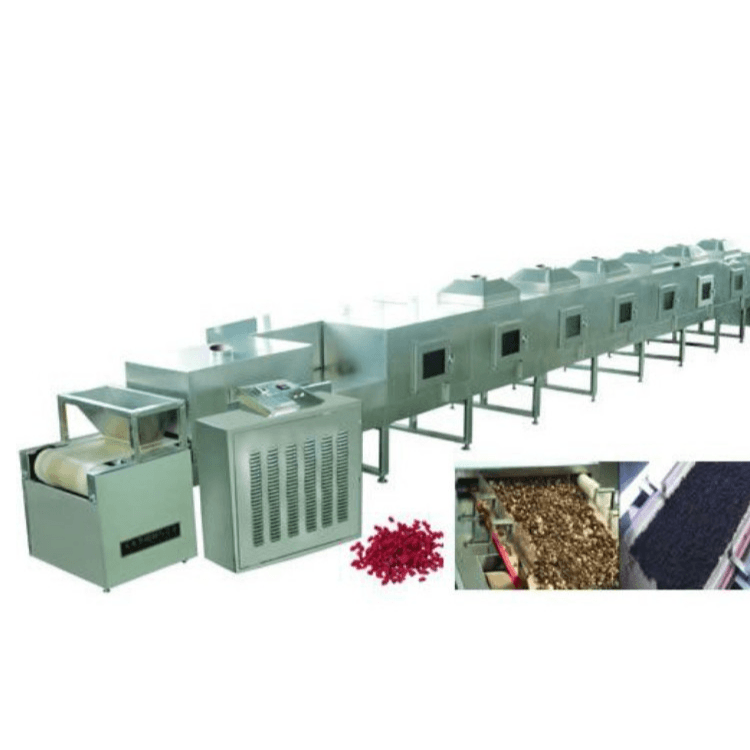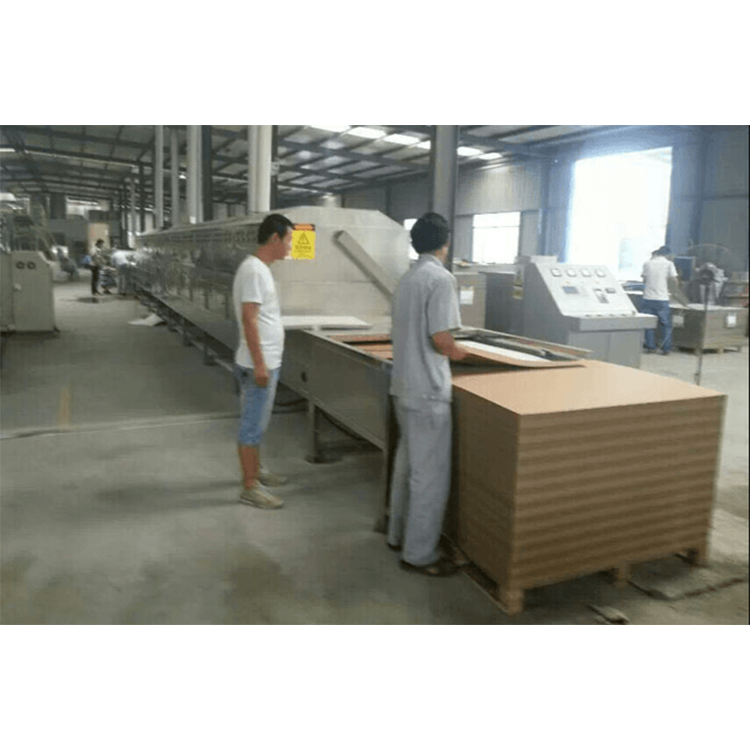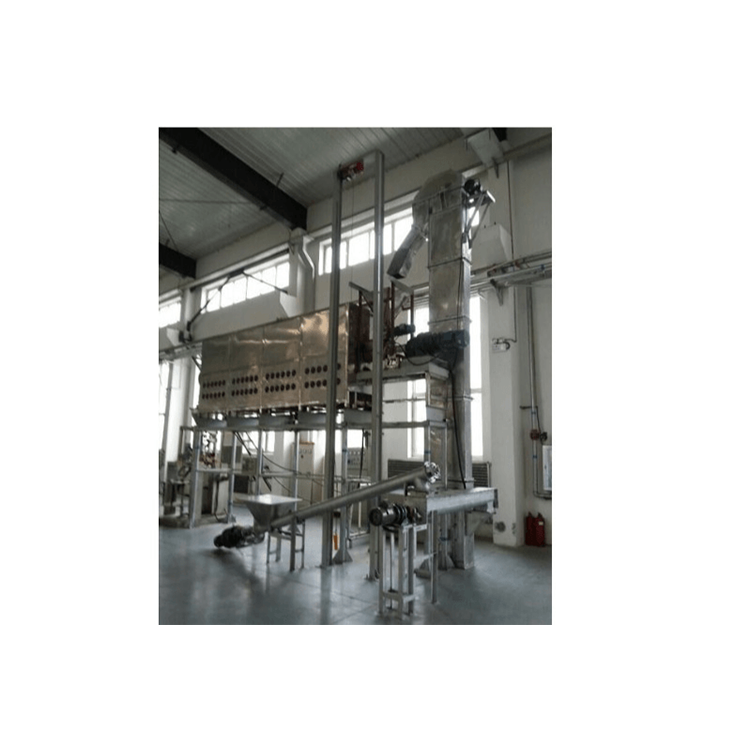
Over a decade dedicated to manufacturing microwave drying...

Microwaves are high-frequency electromagnetic waves, with a frequency range of 300MHz to 300GHz. Microwave technology emerged as a radio technology in the mid-20th century and was first extensively applied in fields such as radio communications, broadcasting, television, navigation, remote sensing, remote measurement, and radar. In recent years, it has increasingly been used as an energy source in economic construction and daily life, with household microwave ovens now prevalent in countless homes. As an industrial processing method, it was initially applied in the food industry, primarily for drying, sterilization, baking, ripening, puffing, temperature control defrosting, aging, and maturation, significantly advancing the development of the food industry. With the development of the economy and science and technology, microwave energy technology will be applied more widely in the food industry.
Microwave Heating Mechanism
Microwaves possess a certain amount of energy (electromagnetic field energy). Under certain conditions, they can be utilized as an energy source. Microwaves have physical, chemical, and biological effects on materials, applicable for various purposes, but their most widespread use is in microwave heating, which this article focuses on.
Microwave heating involves high-frequency electromagnetic oscillations acting on electrically charged material molecules, causing a dramatic change in their molecular orientation, resulting in a "friction-like" effect that heats the material. This process converts the electromagnetic field energy of microwaves into thermal energy. Water molecules are polar, and they strongly absorb microwaves. Materials containing water can be quickly dried when exposed to sufficient microwave radiation, as the water molecules absorb the microwaves and rapidly heat up, evaporating the moisture.
Microwave sterilization is the result of the combined thermal and biological effects of microwaves. The thermal effect of microwaves on bacteria causes protein denaturation, leading to the loss of nutrients, reproduction, and survival conditions for the bacteria, ultimately resulting in their death. The biological effect involves the microwave electric field altering the potential distribution across the cell membrane, affecting the concentration of electrons and ions around the cell, thereby changing the permeability of the cell membrane. This results in poor nutrition for the bacteria, disrupted normal metabolism, and a disordered structure and function, leading to inhibition of growth and development and subsequent death. Moreover, the nucleic acids (RNA and DNA) that determine the normal growth and stable genetic reproduction of bacteria are large, coiled molecules tightly connected by hydrogen bonds. Sufficiently strong microwave fields can cause hydrogen bonds to relax, break, and reorganize, thereby triggering genetic mutations or chromosomal abnormalities, even fractures. Microwave sterilization leverages the destructive effects of the electromagnetic field's thermal and biological effects on organisms. Therefore, microwave sterilization temperatures are lower than those of conventional methods, requiring only 70-105°C, and the process takes approximately 3-5 minutes.
Microwave Heating Features
1. Rapid and Even Heating: Without the need for heat conduction, it can instantly penetrate the material being heated, reaching depths of several to even ten or more centimeters. Within a few to several seconds, microwave energy is converted into heat. The selective heating of microwaves ensures a more even heating process.
2. Energy Efficiency: Due to the propensity of moisture-containing substances to absorb microwave radiation and heat up, there is almost no other loss except for a small amount of transmission loss. Compared to far-infrared heating, microwave heating saves one-third of the energy.
3: Fungicidal and Sterilization for Freshness: Microwave heating possesses both thermal and biological effects, allowing for the destruction of mold and sterilization at lower temperatures; it maximizes the preservation of material activity and the color and nutritional components in food.
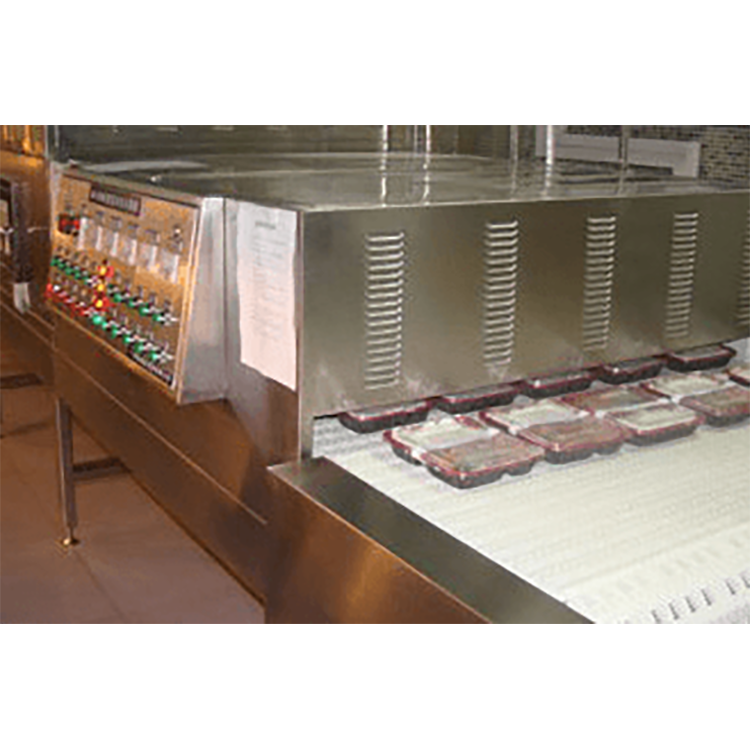
4. Advanced Technology, Continuous Production Capable: Heating or termination can be achieved simply by controlling the microwave power. It features a comprehensive conveyor system, ensuring continuous production, computerized control, and labor-saving efficiency.
5. Harmless: As microwave energy operates within a metal-lined heating chamber and waveguide, it is effectively contained. There is no radiation hazard or harmful gas emissions, no excess heat generated, which means it neither contaminates food nor the environment. It also improves working conditions.
6. The equipment occupies minimal land area, saving on investment.
Section III: Application of Microwave Energy Technology in the Food Industry
Microwave energy is now being practically utilized in food processing, with a series of microwave energy equipment for industrial food applications being introduced one after another. It is primarily used in the following aspects.
1. Drying is a widely applicable field for microwave energy. It is used for drying noodles, seasonings, additives, vegetables, mushrooms, jerky, and more. The U.S. Microwave Drying Company's 915MHz, 60KW pasta dryer processes 4,000 lbs of pasta per hour, with bacteria content reduced to just 1/15 of the original, and it saves 25% on energy compared to traditional hot air drying. Japan utilizes 915MHz, 25KW and 2450MHz, 10KW microwave equipment to dry Chinese instant noodles, as well as process potato chips and onion slices. The product's color, taste, and texture are superior to traditional methods. Microwave drying is effective for materials with moisture content below 20%, offering a much faster drying speed than traditional heating methods and significant energy savings.
2. Sterilization. Microwave sterilization offers advantages over traditional methods, such as faster speed, lower temperatures, higher efficiency, and the ability to penetrate packaging (bags, bottles) for sterilization to avoid secondary contamination. Sweden utilizes a 2450MHz, 80KW microwave bread sterilization and mold prevention machine on a production line that processes 4,400 pounds of bread slices per hour. After microwave treatment, the temperature of the bread slices rises from 20°C to 80°C in just 1-2 minutes, extending the shelf life from the original 3-4 days to 30-60 days.
After using a 2450MHz, 10KW microwave drying and sterilization machine to produce natural pollen, we have achieved continuous production, with production efficiency increased by several times and energy saving of over 80%. The product quality is excellent, and the economic benefits are remarkable.
It is important to note that in food processing, microwave drying and sterilization are often carried out simultaneously, meaning that sterilization is performed while drying the food. This allows microwave equipment to serve dual purposes, reducing the need for additional processing equipment and investment.
3. Baking. Microwave heating of food materials to temperatures above 120℃ can produce baking effects. For example, using a 2450MHz, 10KW microwave equipment by Nestlé can achieve baking in just 5-10 minutes, more than twice as fast as traditional baking, with a processing capacity of up to 120 kg per hour.
4. Puffing. A characteristic of microwave heating is that the material is heated almost simultaneously on the inside and outside, which is conducive to the rapid vaporization and migration of moisture within the material, forming numerous microscopic channels and making the tissue structure loose. With the selection of appropriate raw materials and processes, a good puffing effect can be achieved. For instance, our company's microwave equipment is used for puffing certain aquatic products (dried goods), which is faster and of higher quality compared to the original traditional puffing methods.
5. Temperature Adjustment and Thawing. Temperature adjustment involves raising the temperature of frozen solid food below its "frost point," such as -1°C to -2°C. Traditional methods, like natural thawing or soaking in water, can take several hours to even days. In contrast, microwave temperature adjustment can be done without opening the product packaging and is completed in just a few minutes, significantly saving time. There is no quality loss in materials, and the space required is about 1/10 of traditional technology. It reduces production complexity and bacterial contamination, with high labor efficiency.
6. Aging and Maturation Acceleration. Microwave heating can promote biochemical reactions within food materials, hence it can be used to accelerate the "maturation" process for products like wine. For instance, microwaves can heat up white spirits, age them, and eliminate their spiciness, resulting in a smoother, softer, and more palatable taste. Processing white spirits with microwave heating technology can be equivalent to aging the wine for 3-6 months, thereby shortening the storage period of new wine and speeding up turnover.
Section 4: Microwave Energy Technology Advances Food Industry Development
Microwave energy technology's application in food processing extends beyond drying and sterilization, enhancing product quality; it also provides a powerful new technique for new product development. Transforming and replacing traditional processing methods with microwave technology opens up avenues for new product development and production. For instance, fried foods, which may contain trace amounts of carcinogenic substances, cannot be labeled as "green food." However, foods processed using microwave instead of traditional frying techniques (such as oil-free instant noodles, microwave-puffed snacks, etc.) pose no cancer risk. Another example is freeze-dried vegetables, which have high quality but are expensive due to high production costs, making them unaffordable for many consumers. In China, the production of dehydrated vegetables primarily uses hot air drying, and the blanching process involves hot water at 80-90°C, resulting in the loss of many nutrients.
V. Conclusion
Microwave energy technology's application in the food industry has achieved remarkable accomplishments in improving product quality, reducing production costs, enhancing labor conditions, boosting production efficiency and economic benefits, transforming traditional processing techniques, and developing new products. An increasing number of scientists and engineers are engaging in research on the application of microwave energy technology, and more and more food companies are adopting or planning to adopt this technology. It is expected that the broader application of microwave energy technology in the food industry will further elevate the equipment and technological level of China's food industry. Concurrently, the capabilities of domestic manufacturers of microwave energy technology and equipment are also advancing to meet the growing demands of the food industry.
b2b.china9.net © Zhongshang 114 Hebei Network Technology Co., Ltd.Address: Room 6009, Oriental New World Center, No.118 East Zhongshan Road, Qiaoxi District, Shijiazhuang City, Hebei ProvincePlatform Service Hotline: 4006299930