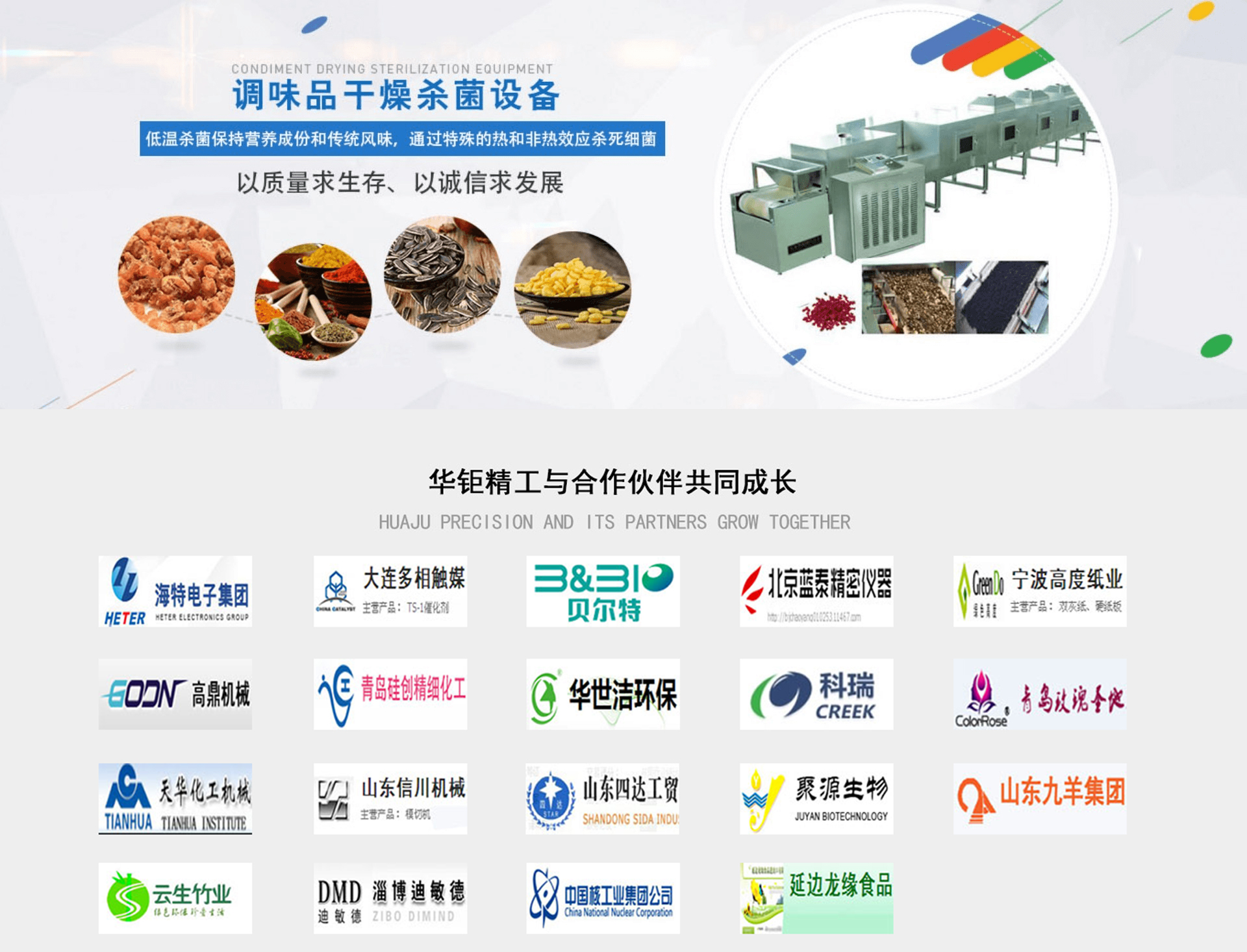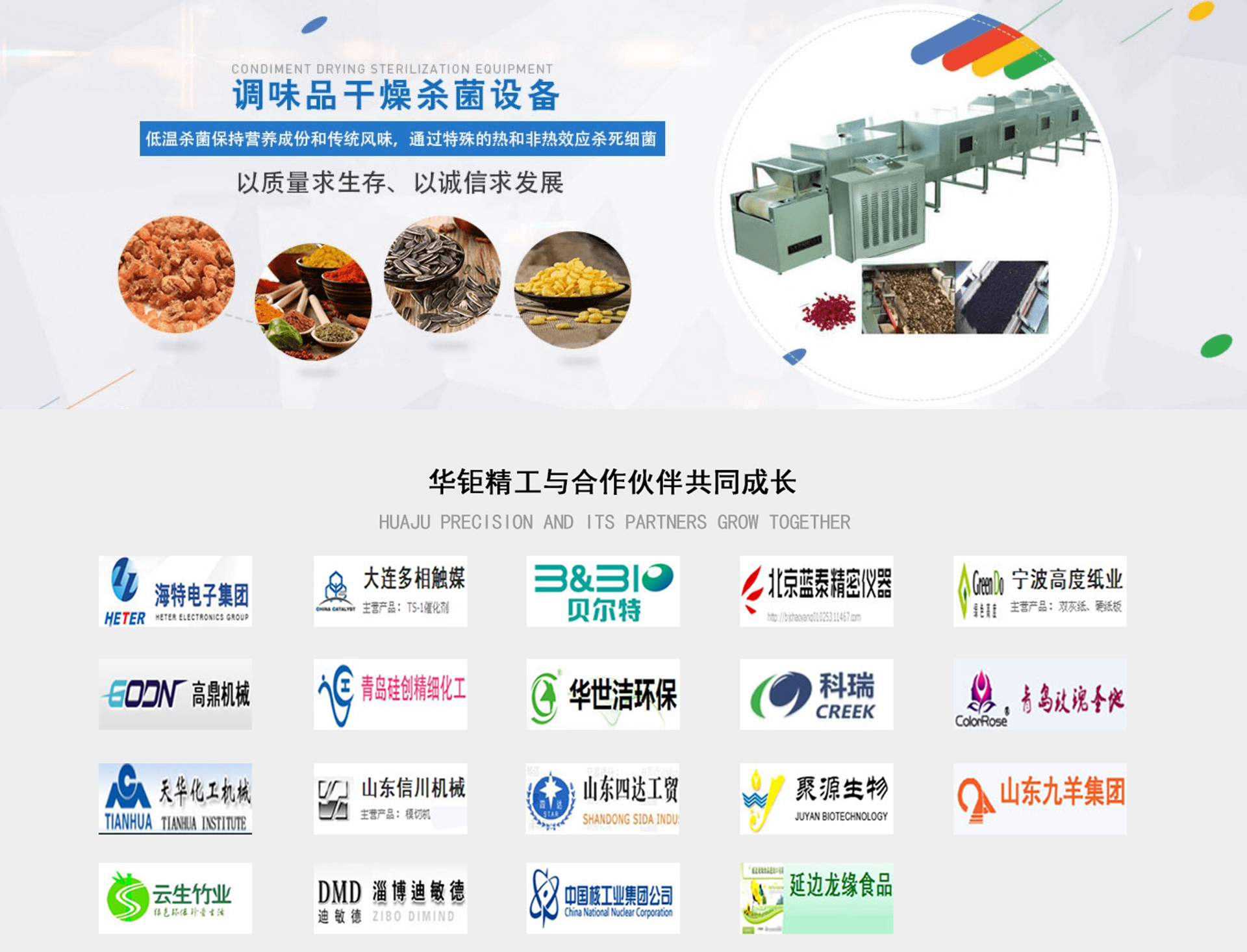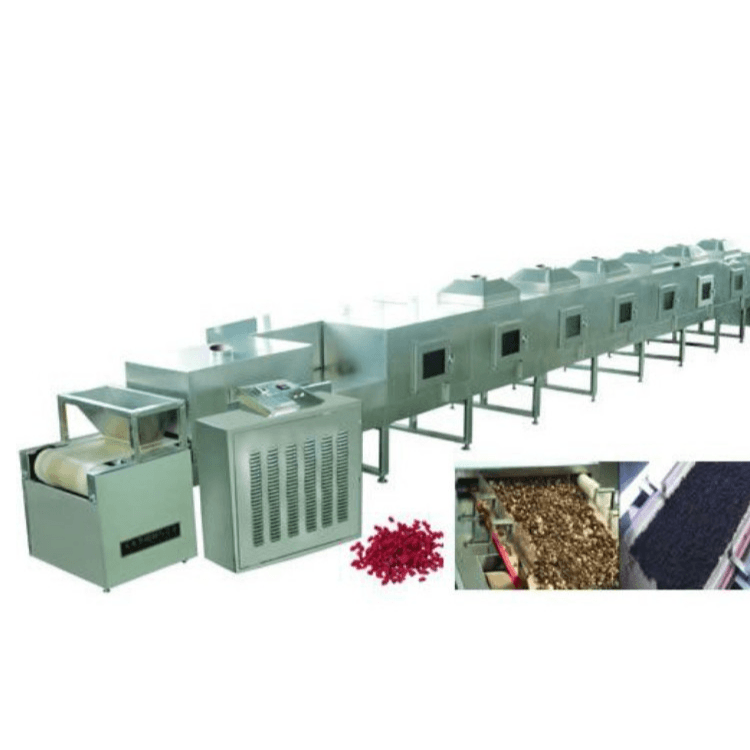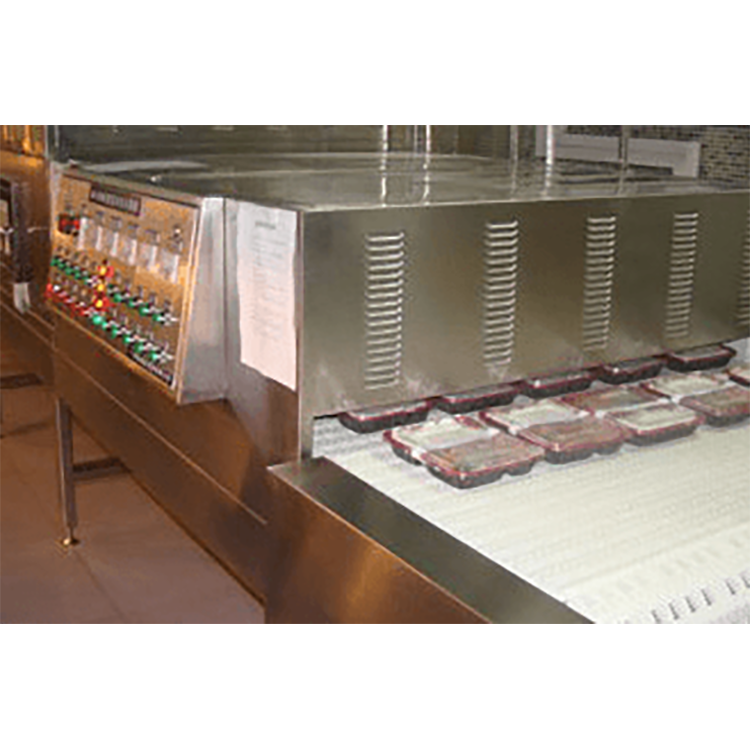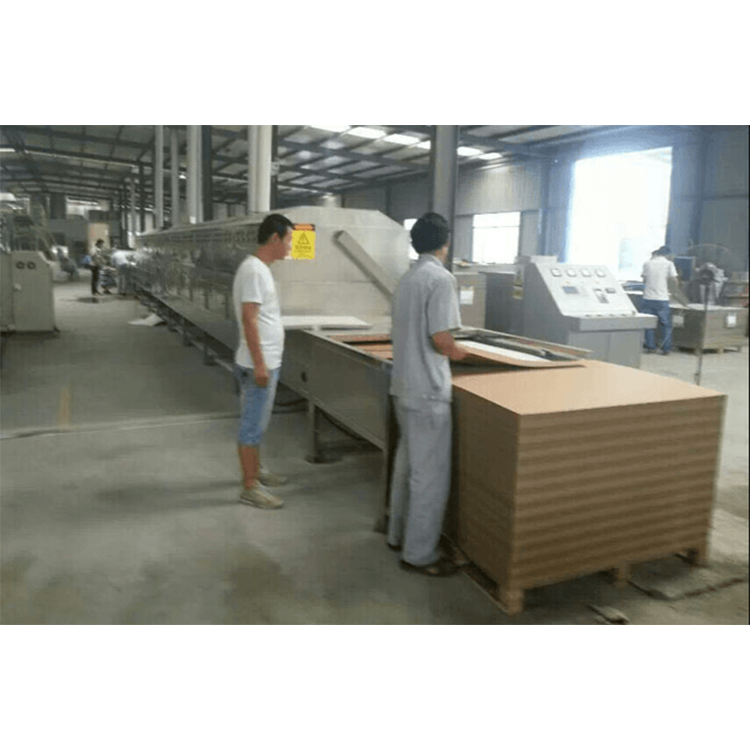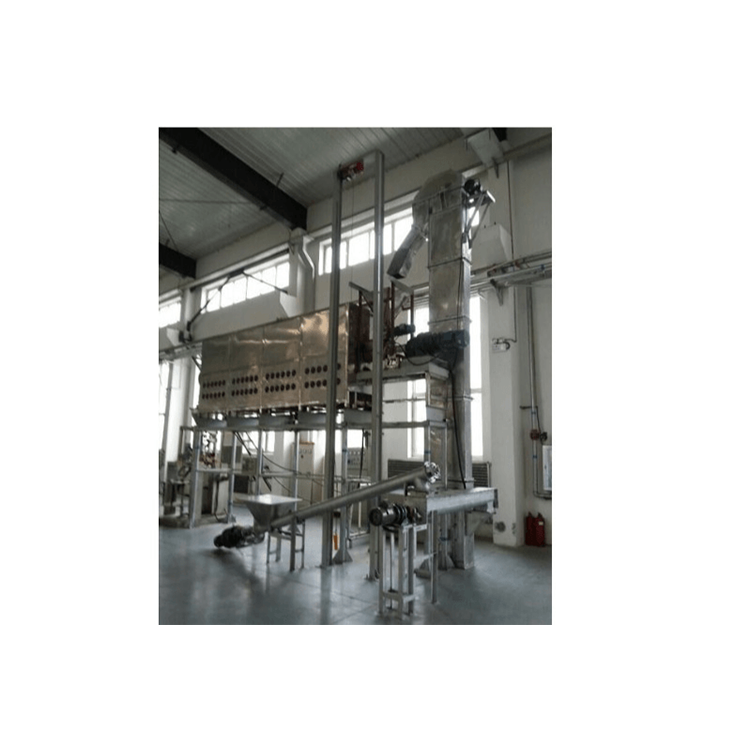
Over a decade dedicated to manufacturing microwave drying...

Vacuum pre-cooling involves placing fruits and vegetables in an insulated vacuum chamber and using a vacuum pump to remove air from the chamber. When the vacuum level in the chamber reaches the saturation pressure of water vapor corresponding to the temperature of the produce, moisture within the fibers of the produce's surface begins to evaporate. This evaporation carries away latent heat, thereby lowering the temperature of the fruits and vegetables. The process continues with further pressure reduction until the produce cools to the desired temperature.
Water boils at 100 degrees Celsius under one atmosphere of pressure. However, as pressure decreases, so does the boiling point, as evidenced by the lower boiling point of water at high altitudes. Additionally, water must absorb heat to evaporate.
By placing vegetables and fruits in a sealed container (vacuum槽), a vacuum pump is used to extract air from within the container, causing the pressure to drop. If the initial temperature of the vegetables and fruits is 30℃ and the pressure is reduced to 32Torr, the boiling point of water also decreases to 30℃. This results in the water content within the vegetables and fruits boiling and evaporating rapidly. In a vacuum state, the moisture in the vegetables and fruits is transported to the surface while undergoing low-temperature boiling. The latent heat required for the phase change from liquid to vapor comes from the vegetables' own released sensible heat, leading to a sharp and uniform cooling of the vegetables and fruits. Further extraction of air lowers the pressure, and with the decrease in boiling point, the temperature of the vegetables and fruits also drops. When the pressure drops to 6Torr, the temperature of the vegetables and fruits can be reduced to 0-5℃.
Characteristics of vacuum pre-cooling:
(1) Rapid cooling speed: Fruits and vegetables can be cooled from room temperature to around 0℃ in just 20 to 30 minutes.
(2) Uniform cooling. The temperature difference between the center and the surface of the fruits and vegetables during cooling is minimal.
(3) High quality: After cooling, the fruits and vegetables retain their proteins, sugars, fats, and other nutrients without any loss.
(4) Sanitation and Cleanliness: Due to the vacuum environment in which pre-cooled fruits and vegetables are stored, this environment can eliminate or inhibit the growth of bacteria. (5) Reduced Dry Loss: Vacuum pre-cooling can control the evaporation of moisture in fruits and vegetables by adjusting the vacuum level, or by spraying a moderate amount of water on the produce before pre-cooling. Dry loss of fruits and vegetables can be kept under 2% to 3%, whereas conventional cooling results in dry loss exceeding 10%.
(6) Un受限 by packaging. The vacuum cooling speed of fruits and vegetables packaged in boxes, plastic bags, etc., is no different from that of unpackaged produce.
(7) More suitable for long-distance foreign trade exports and the preservation of clean vegetables, non-toxic vegetables, wild vegetables, flowers, edible mushrooms, and other products that are increasingly popular in urban supermarkets across China, this method offers a promising future compared to unchilled fruits and vegetables.
In practical applications, vacuum-precooled vegetables have been proven to be surface-dry and fresh, with a vibrant green hue, showing a significant difference compared to those directly entering the cold room for slow air-cooling降温.
Vegetables with a low body-to-surface ratio, such as Chinese cabbage, spinach, chives, and other leafy vegetables, are particularly well-suited for vacuum pre-cooling. Vacuum pre-cooling equipment:
Vacuum pre-cooling equipment is specifically designed to prevent the decline in freshness and quality of agricultural products such as fruits, vegetables, and flowers during storage and transportation. It involves placing the produce and flowers in a vacuum treatment tank, where moisture evaporates from the surface under low pressure. This process utilizes the latent heat obtained from the surface of the produce and flowers to achieve cooling.
The vacuum pre-cooling equipment is mainly composed of a vacuum chamber, vacuum system, refrigeration system, and control system. The refrigeration system's role is to provide cooling for the moisture trap, causing the water vapor evaporated from fruits and vegetables in the vacuum chamber to condense on the cooling coils of the moisture trap, and then discharge the condensed water, preventing it from being吸入 by the vacuum pump, which could affect the pump's suction performance.
b2b.china9.net © Zhongshang 114 Hebei Network Technology Co., Ltd.Address: Room 6009, Oriental New World Center, No.118 East Zhongshan Road, Qiaoxi District, Shijiazhuang City, Hebei ProvincePlatform Service Hotline: 4006299930