




- AllProduct Category
-
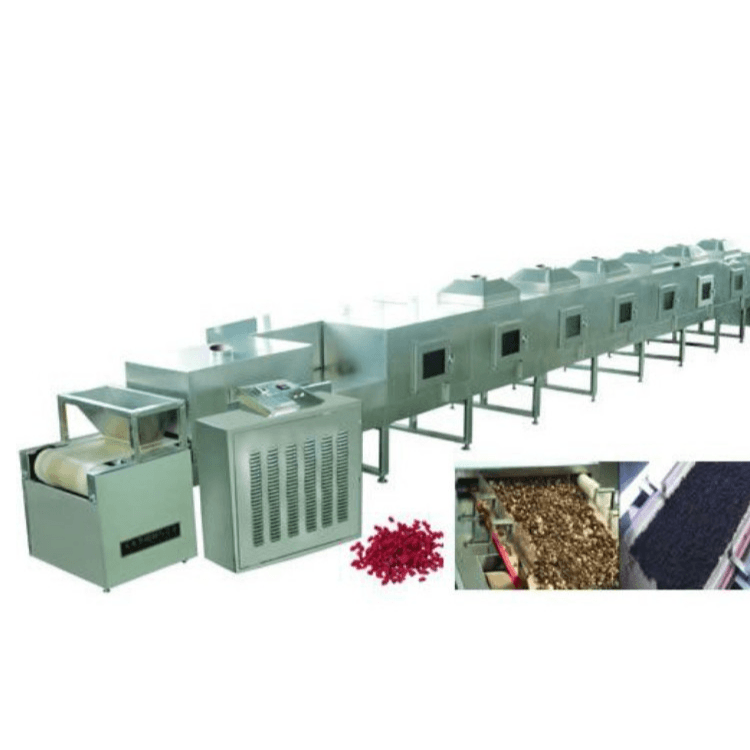
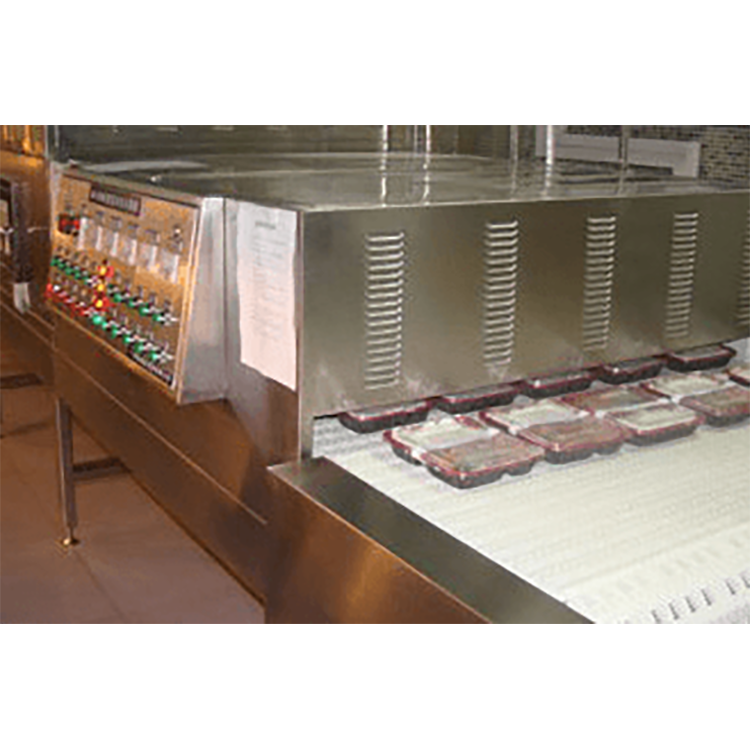
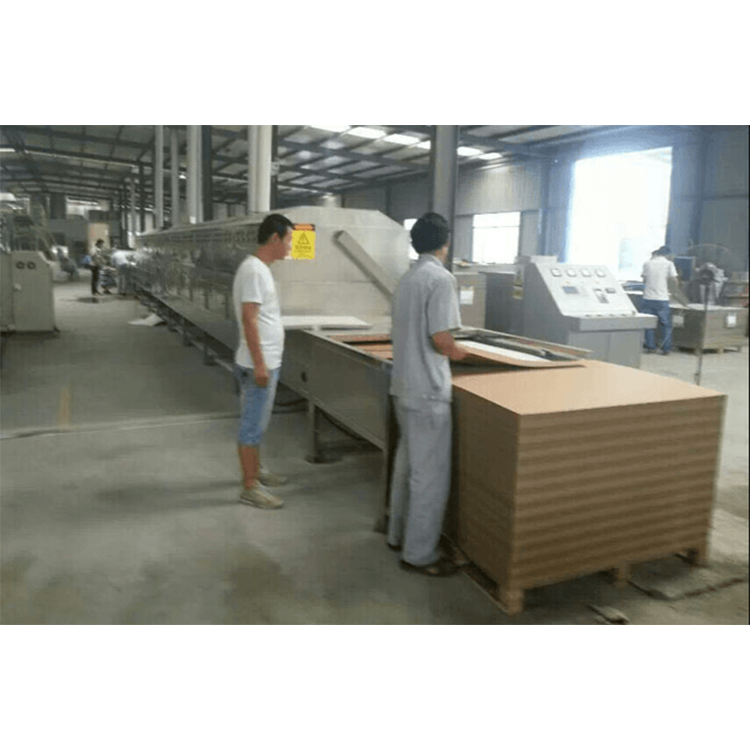
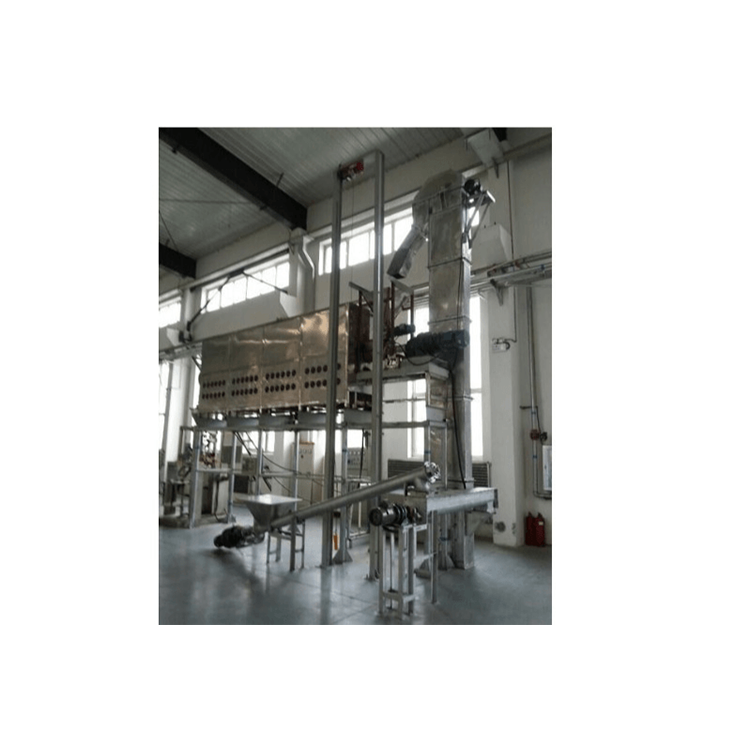
Insulation Material Drying Equipment
Food Microwave Drying Equipment
Chemical Microwave Drying Equipment
Wood Drying and Sterilization Equipment
Paper Material Microwave Drying Equipment
Herb Microwave Drying Equipment
Microwave Powder Material Drying
Microwave High-Temperature Sintering
Microwave Control System
Microwave Experimental Equipment



详情描述
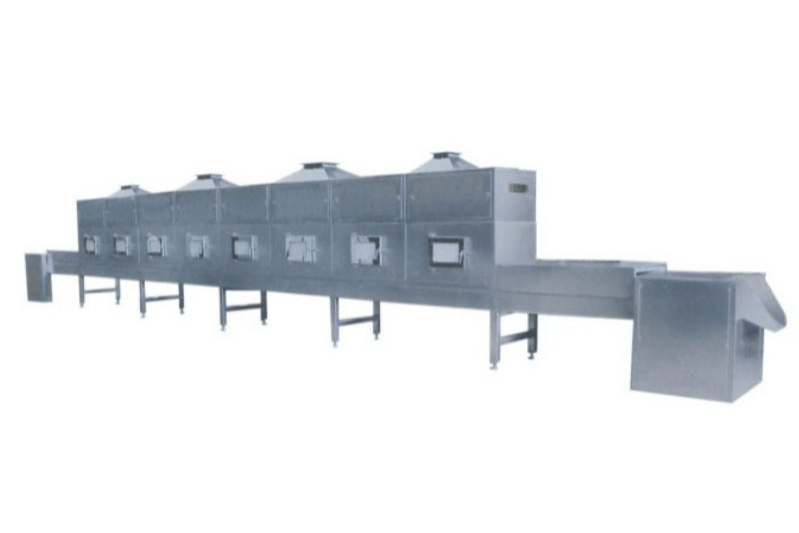
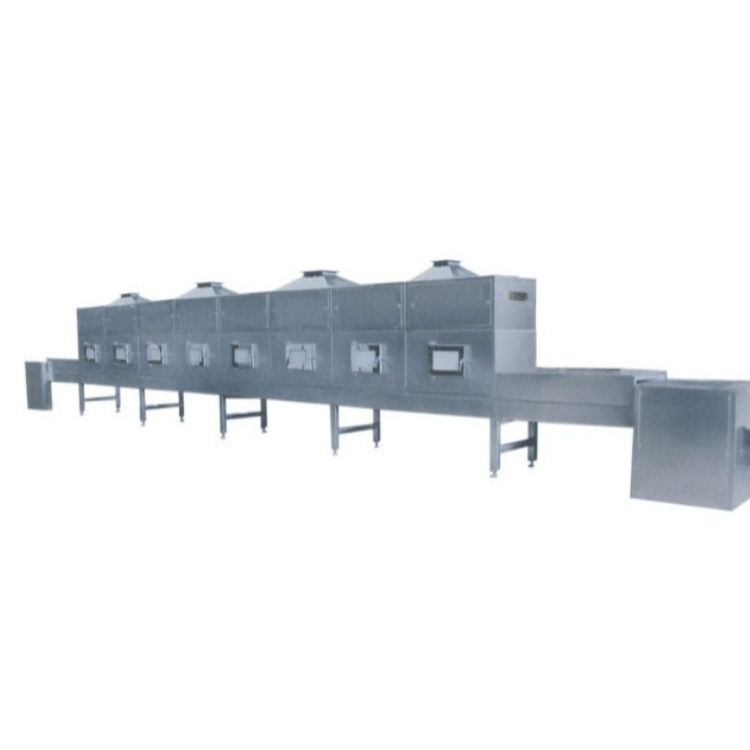
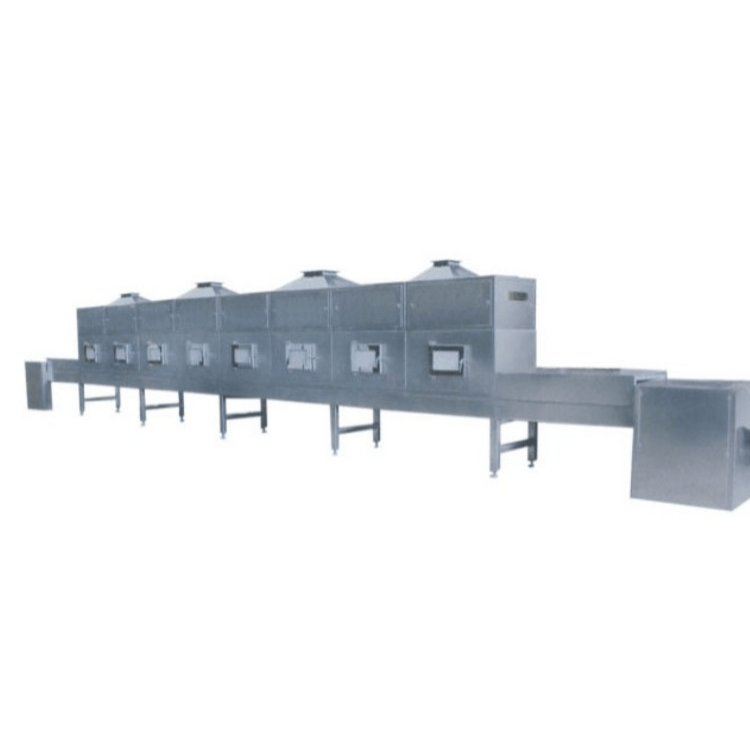
Insulation Material Drying Equipment Features: 1.杀青: A crucial initial processing step for green tea, yellow tea, black tea, and oolong tea. Its primary objective is to destroy and deactivate the enzyme activity in fresh leaves with high temperatures, inhibit the enzymatic oxidation of tea polyphenols in the fresh leaves, evaporate a portion of the moisture, soften the tea leaves for easy rolling and shaping, and at the same time, dissipate the unpleasant green odor, promoting the formation of a good aroma.
Detailed Description
Tea and honeysuckle microwave blanching features:
1. Kill Green: One of the crucial initial processing steps for green tea, yellow tea, black tea, and oolong tea. The primary goal is to destroy and钝ize the enzyme activity of fresh leaves through high temperatures, inhibit the enzymatic oxidation of tea polyphenols in fresh leaves, evaporate some moisture from the leaves, soften the tea leaves for easier rolling and shaping, and at the same time release the grassy odor, promoting the development of a good fragrance.
2. Methods of kill-green include: stir-frying, steaming, drying, soaking, and radiation kill-green. Microwave kill-green is the latest type of fast tea kill-green equipment.
3. Principle of Microwave Fixation: Utilizing the fast, overall heating characteristic of microwave, it can rapidly increase the temperature of tea leaves, reaching the critical temperature for polyphenol oxidase to inactivate its activity; it accelerates the migration of structural water in the tea leaves to evaporate some moisture, volatilize the grassy smell, and achieve rapid fixation. The primary application of microwave in tea fixation lies in its thermal effect. When the magnetron generates microwave, it hits the tea leaves, causing the polar molecules within the leaves to undergo periodic activity under the influence of the microwave's cyclic changes. Due to the high frequency of microwaves, the molecules inside the tea collide at high speed, generating a large amount of frictional heat, rapidly increasing the temperature of the material and achieving the effect of rapid fixation through heating.
4. Advantages of Microwave Fixation: It can better retain the amino acid content in green tea, resulting in a greener color and a more natural, graceful, and aesthetically pleasing appearance of the processed tea leaves, thus enhancing the tea's quality. Test results show that the quality of tea processed by microwave fixation is good, with no significant difference from that of stir-frying, but the microwave fixation takes much less time (1/8 of stir-frying time) and can be continuously performed. Steam fixation, however, due to the high water content of steam, affects the outer layer of the raw material, resulting in almost no weight loss after fixation, partial destruction of chlorophyll, and some nutrients in the raw material being lost with condensation water, leading to suboptimal quality. The advantage of microwave fixation is its speed and efficiency, and because it is quick, the loss of organic matter in the tea is minimal, ensuring the quality of the tea and preventing the development of a bitter taste due to excessive processing time. So, how fast is microwave fixation? According to domestic and international data and our company's customers' actual experience, its speed and efficiency are 4 to 20 times that of conventional heating methods. Specifically, using microwave fixation on fermented tea leaves can be completed within 3 minutes, and currently, no other related equipment has been found to achieve this speed.


