



- AllProduct Category
-
化工储罐、填料塔系列
浓缩罐、提取罐系列
换热器、冷凝器系列
发酵罐、提取罐系列
反应釜、反应锅系列
干燥机、刮片机系列
短程蒸馏
离心式刮板薄膜蒸发器
刮板蒸发器、多效蒸发器
蒸馏塔
乙醇精馏塔
精馏塔
真空耙式干燥机





详情描述
Ethanol Distillation Tower
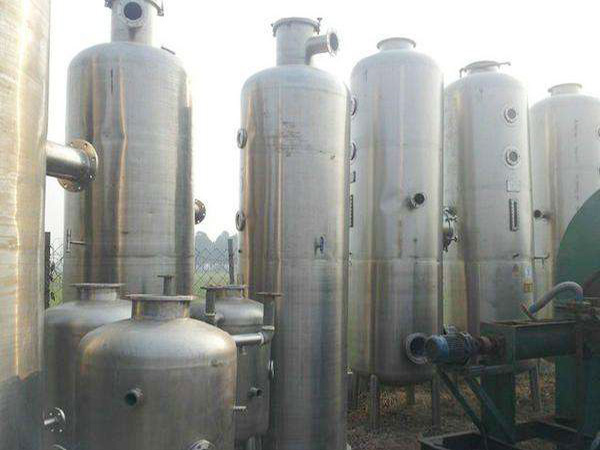
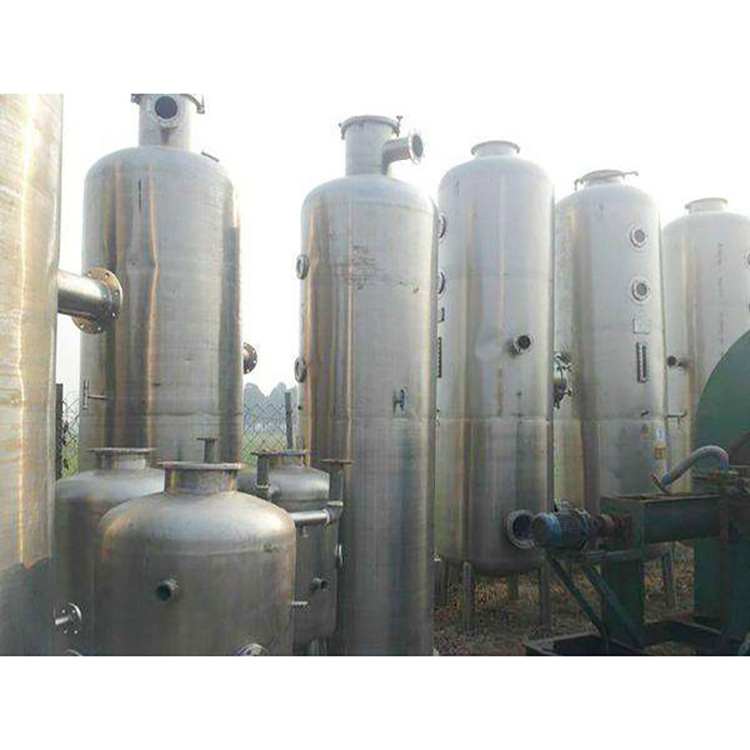
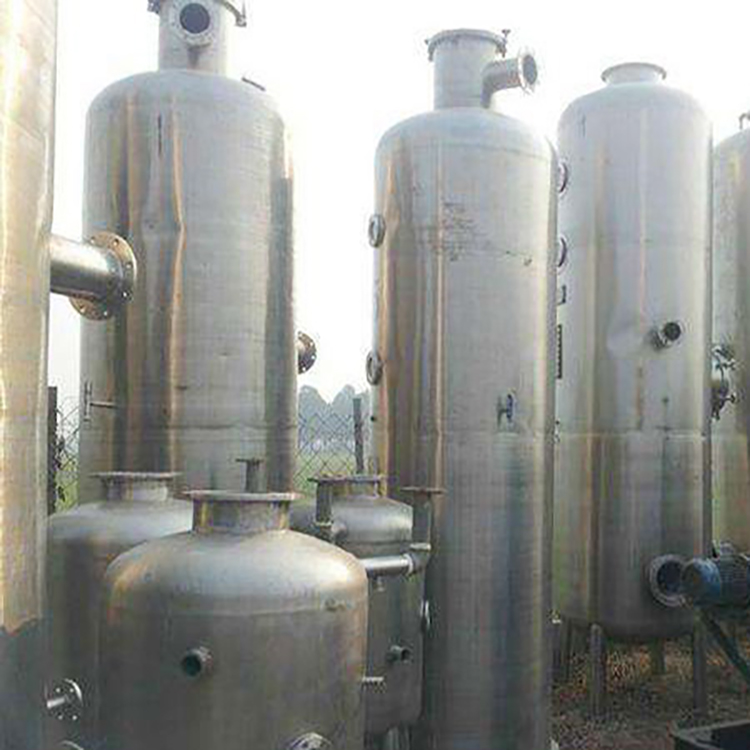
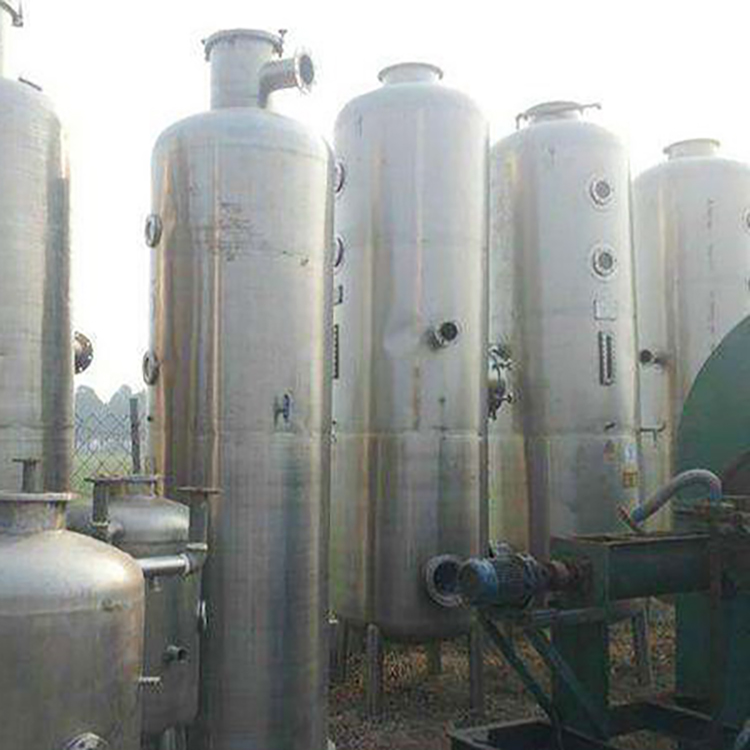
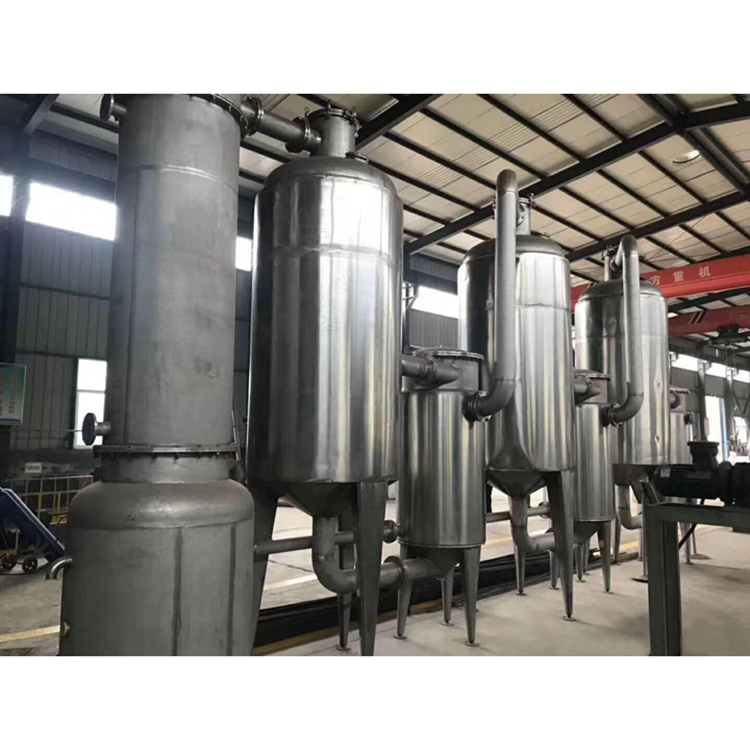
Ethanol rectification towers are suitable for alcohol recovery in industries such as food, light industry, and chemical industry, helping to reduce production costs and enhance economic benefits. This unit can distill dilute alcohol, and for products requiring high concentration of finished alcohol, increasing the reflux ratio is possible, although this may lead to a decrease in the corresponding product and a lower alcohol content in the waste liquid. It is an ideal equipment for alcohol recovery. The device is equipped with two feed ports: low-concentration feed is introduced through the lower feed port, while high-concentration feed is introduced through the upper feed port. The lower the feed concentration, the higher the reflux ratio; conversely, the higher the feed concentration, the lower the reflux ratio.
Preparation Before Starting the Ethanol Distillation Tower
(1) The product has undergone hydrostatic testing and trial operation before shipment, meeting the specifications as per the drawings.
(2) Test the waters.
(3) Carefully inspect all equipment, valves, and automatic control instruments in the entire distillation process according to the flow diagram, ensuring they meet requirements. Check for reversed check valves and correct any issues promptly.
(4) Operate the equipment individually to fill all pumps with oil, and promptly repair any issues found.
(5) Clear the site, dismantle temporary structures used for installation and renovation, remove debris, and ensure the work area is clear and tidy.
(6) Calibration and standardization of instruments and meters.
(7) Notify production scheduling to supply water, electricity, steam, and compressed air on schedule as per the plan.
(8) Inspect the valves of the process piping, drain valves, and vent valves to ensure they are in the correct position.
(9) Inspect steam valves and cooling water gauges for proper operation, ensure pipelines are clear and unobstructed, and check for any leaks.
(10) Verify that all valves are in the correct open/close position, and only after double-checking for accuracy may the machine be started.


