




- AllProduct Category
-
化工储罐、填料塔系列
浓缩罐、提取罐系列
换热器、冷凝器系列
发酵罐、提取罐系列
反应釜、反应锅系列
干燥机、刮片机系列
短程蒸馏
离心式刮板薄膜蒸发器
刮板蒸发器、多效蒸发器
蒸馏塔
乙醇精馏塔
精馏塔
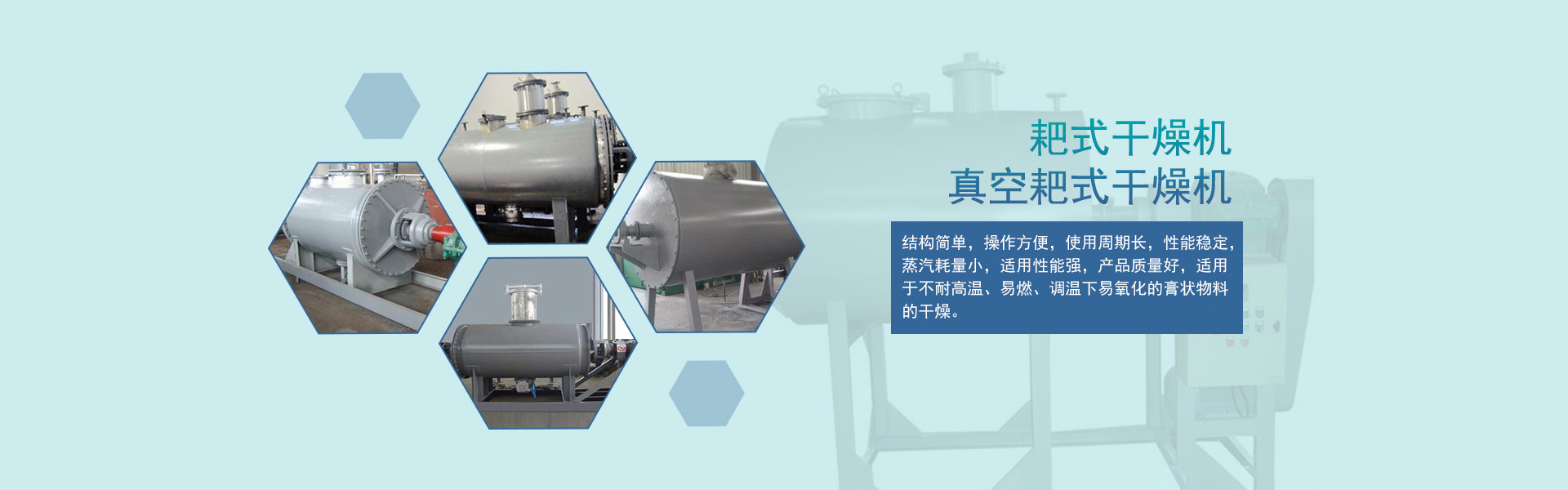
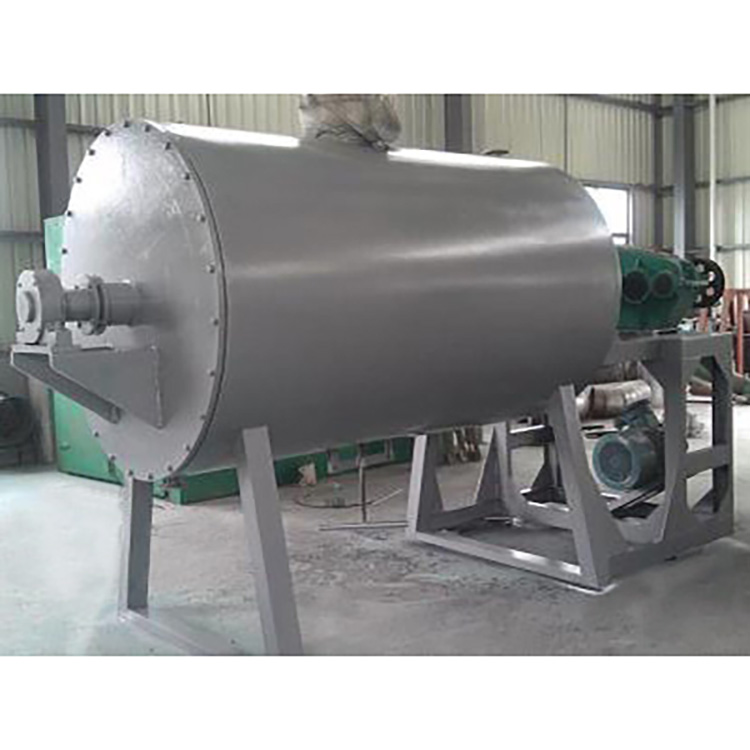
真空耙式干燥机





详情描述
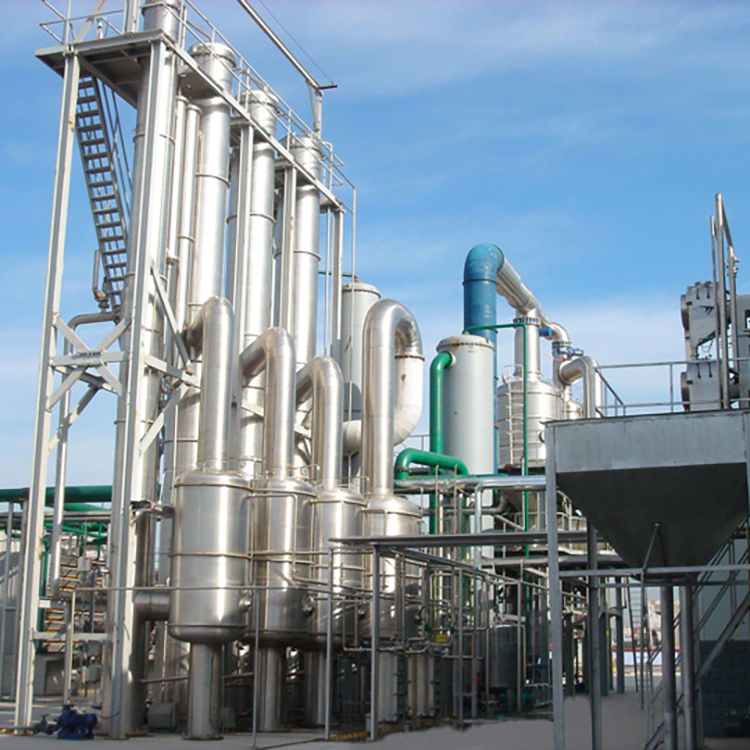
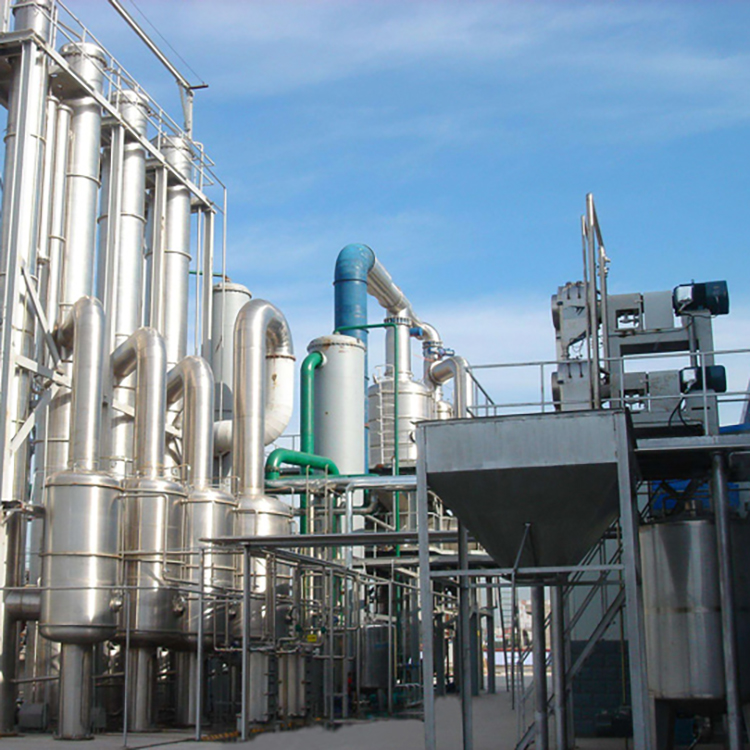
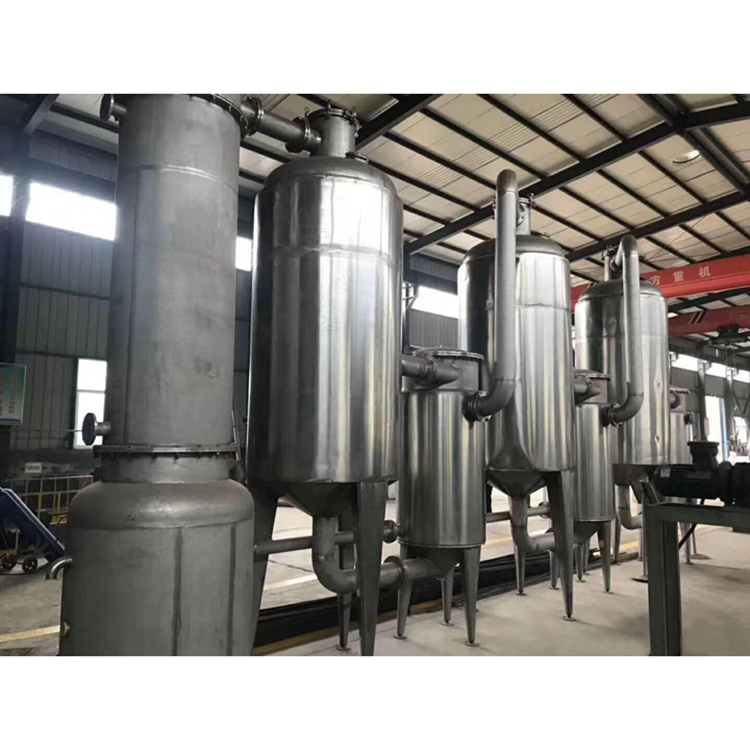
Multi-effect evaporator
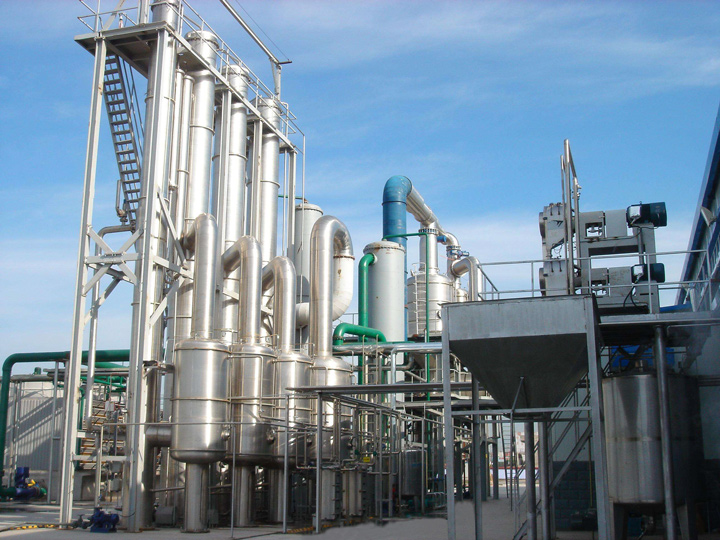
Multi-effect evaporation involves using the secondary steam from the previous effect as the heating steam for the next effect in a series of evaporation operations. In multi-effect evaporation, the operating pressures, corresponding heating steam temperatures, and boiling points of the solutions progressively decrease in each effect.
In the process of evaporation, the output of secondary steam is substantial and contains a large amount of latent heat. Therefore, it should be recovered and utilized. If the secondary steam is introduced into the heating chamber of another evaporator, as long as the operating pressure and boiling point of the latter are lower than those of the original evaporator, the introduced secondary steam can still act as a heating agent. This method of operation is known as multi-effect evaporation.
In a multi-effect evaporation process, each evaporator is referred to as a stage. The purpose of using a multi-effect evaporator is to save on the consumption of heating steam. Theoretically, approximately 1 kg of heating steam can evaporate about 1 kg of water.
Due to heat loss and the fact that the latent heat of vaporization of water in the separator is greater than the latent heat of condensation in the heating chamber, the actual amount of heating steam required to evaporate 1kg of water exceeds 1kg. By experience, the steam economy (U=W/D) is as follows: single effect is 0.91; double effect is 1.76; triple effect is 2.5; quadruple effect is 3.33; quintuple effect is 3.71, and so on. It is evident that as the number of effects increases, the growth rate of W/D gradually decreases. For instance, switching from single to double effect can save approximately 50% of heating steam; however, when going from quadruple to quintuple effect, the savings in heating steam are only about 10%. But as the number of effects increases, the temperature difference loss in heat transfer also increases, significantly reducing the production intensity of the evaporator and doubling the equipment costs. At a certain point, the cost savings from adding more effects may not outweigh the added equipment costs.


