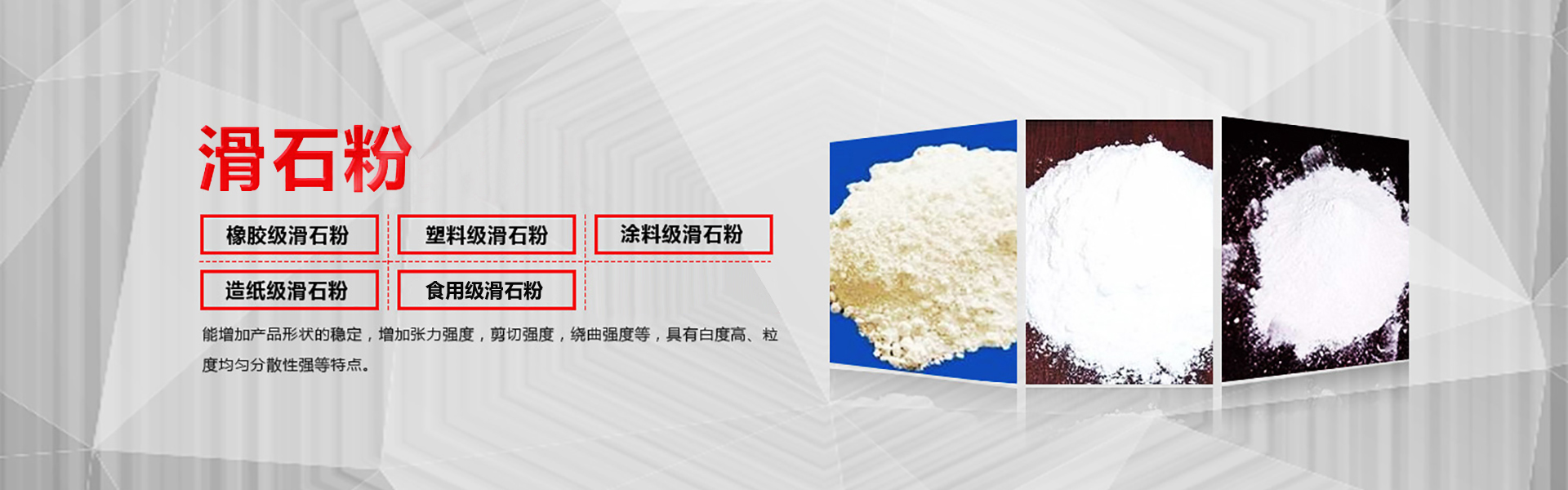
Plastic-grade talc is particularly valued in industrial applications for its tensile strength and wear resistance. Plastic is generally hard, resembling horn, with excellent wear resistance and high dimensional stability. These properties can be further enhanced through the addition of fillers or reinforcing agents. Plastic 66 boasts high hardness, rigidity, wear resistance, and heat deflection temperature among plastics; Plastic 6 is renowned for its high tensile strength; Plastic 610 has low water absorption, thereby improving its dimensional stability; and Plastic 11 exhibits high impact strength within the plastic category.
In various fillers, plastic-grade talc with layered structure enhances the inherent good properties of plastics, and improving wear resistance is crucial. Compared to unfilled modified plastics, the elastic modulus is lower, and tensile and creep strengths are lower, with mechanical properties having a significant dependence on temperature. The molecules contain hydrophilic genes, leading to high water absorption rates. Products tend to swell and deform when in use due to water absorption. During processing and shaping, rapid cooling results in incomplete crystallization, and crystallization continues during use, causing deformation and even cracking. The aforementioned drawbacks of plastics can be greatly improved by adding ultra-fine plastic-grade talc masterbatch. Plastic-grade talc acts as a nucleating agent, increasing the crystallization rate and degree of crystallization upon addition. Therefore, it particularly enhances the toughness, mechanical strength, hardness, thermal stability, dimensional stability of plastics, and improves the surface quality and deformation behavior of the products. It also has a positive impact on moisture absorption, electrical properties, and chemical characteristics.
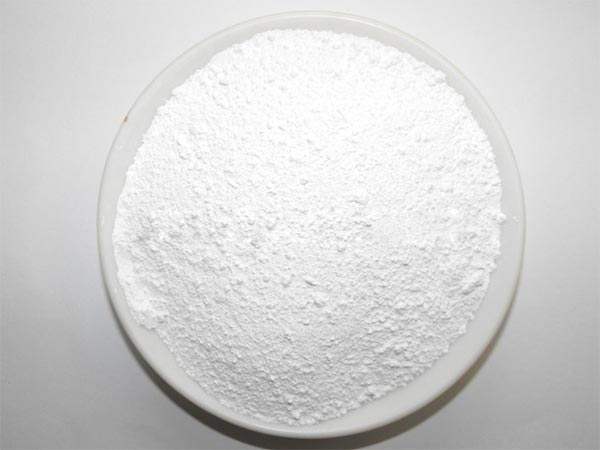
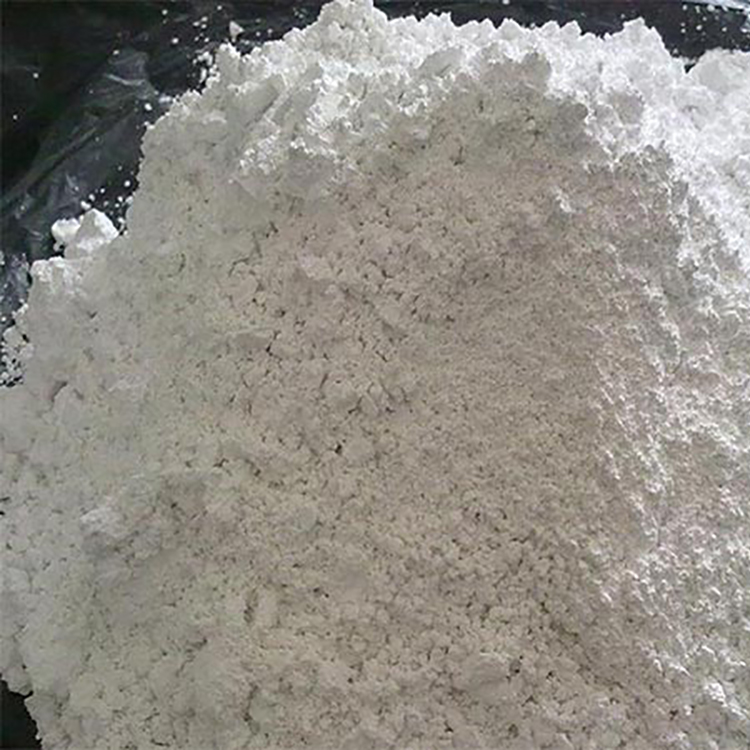 Limestone Powder, Calcined Limestone Powder
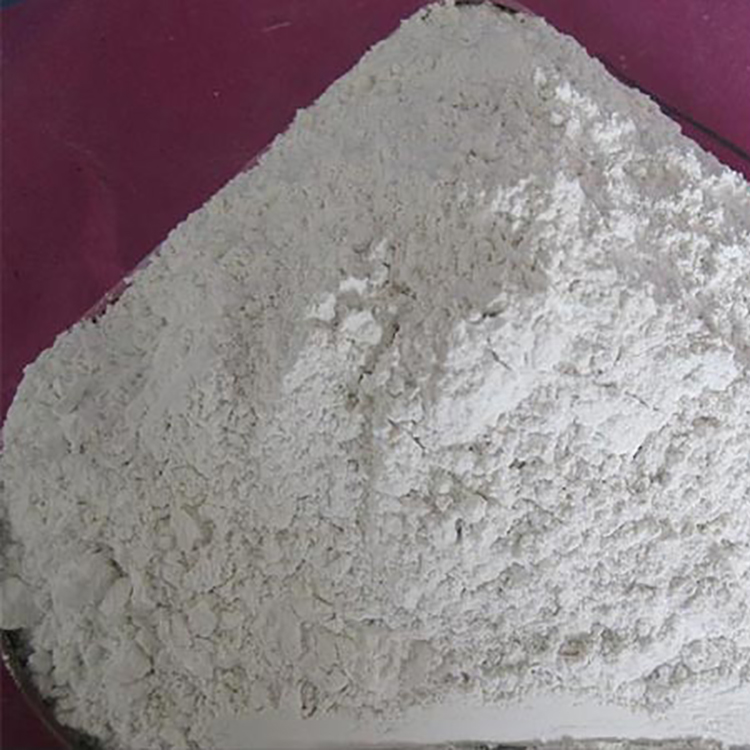 Talcum powder price

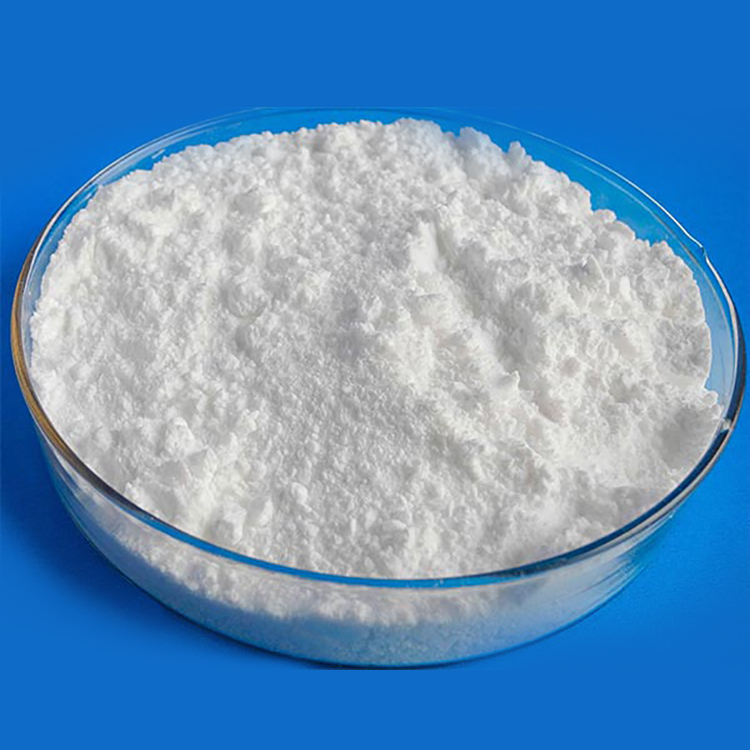 Talcum powder manufacturer
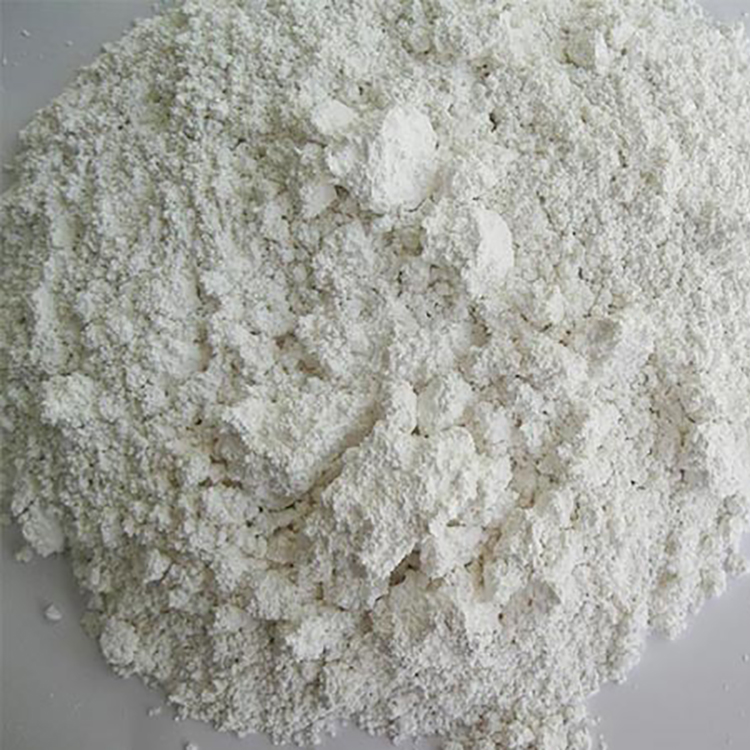 Talcum Powder Factory
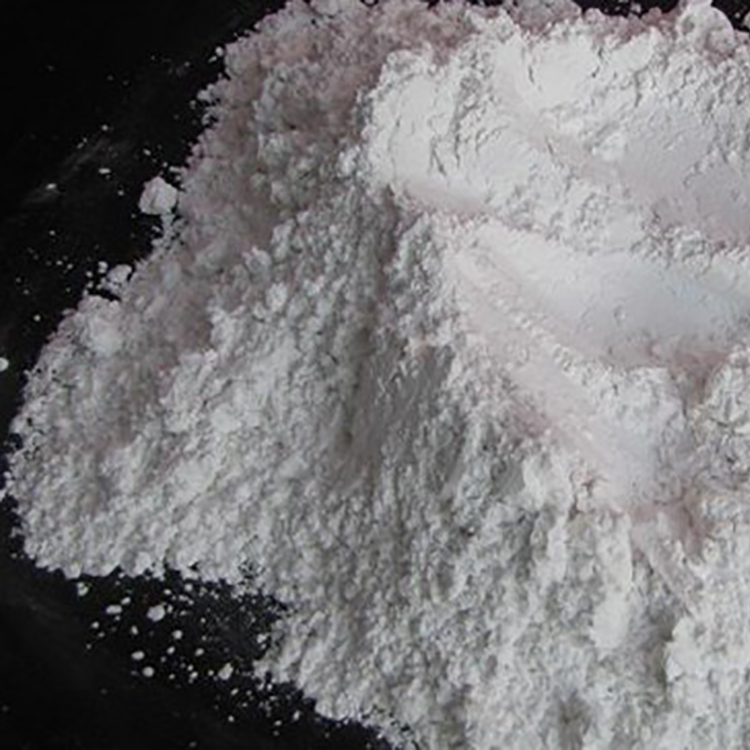 Quartz powder
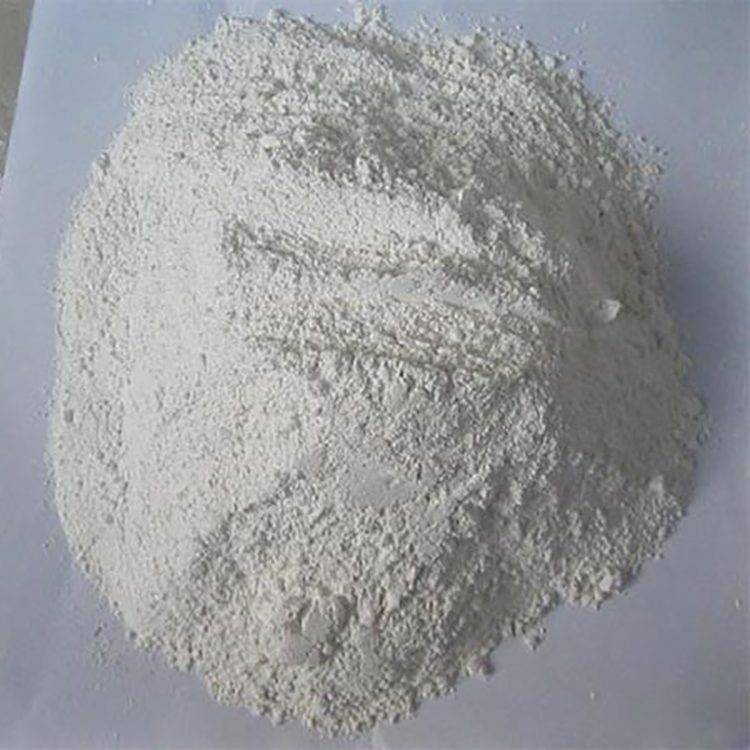 Talc powder for paint grade