Synonym
Liquid Stone, Solid Stone, Free Stone, Foreign Stone (from "Bi Lü"), Evening Cool (from "Treatise on the Nature of Medicinal Herbs"), Brittle Stone, Retained Stone (from "Er Ya on Stones"), Picture Stone (from "Extension of the Materia Medica").
Source
A blocky body of talc, a silicate mineral.
Mineral Form
Talc belongs to the monoclinic crystal system. Crystals are typically hexagonal or rhombic, but well-formed crystals are rare, usually occurring as dense granular or scaly masses. Color ranges from pale green, white, to gray. Streak is white or pale green. The luster is fatty. Cleavage planes exhibit a pearl-like appearance. Transparency ranges from semitransparent to opaque.
All along the cleavage plane. Hardness 1, specific gravity 2.7-2.8. Soft texture. Slippery feel. Blocky talc can be cut into any shape, thin slices can be bent, but lack elasticity. Mainly found in metamorphic rocks, limestone, dolomite, magnesite, and shale.
Harvest
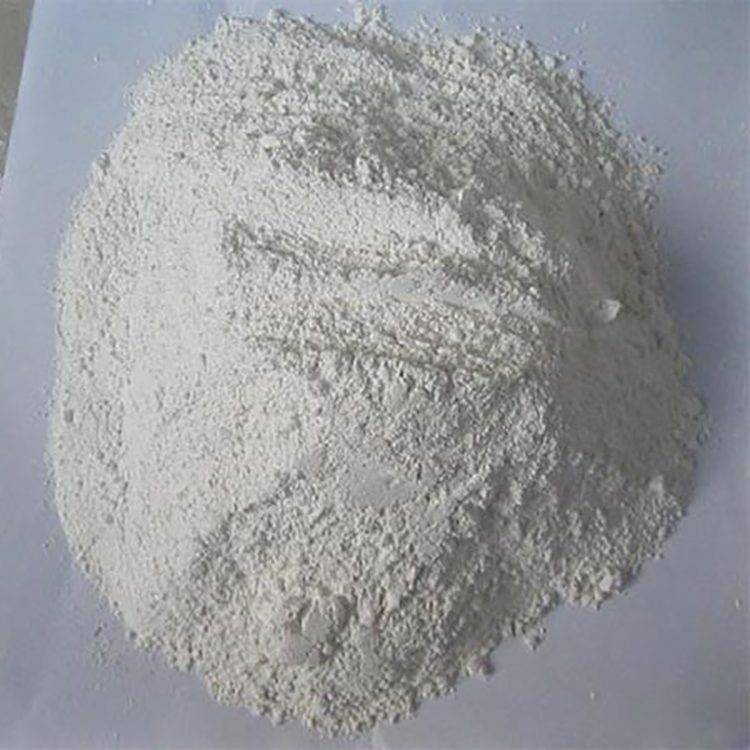
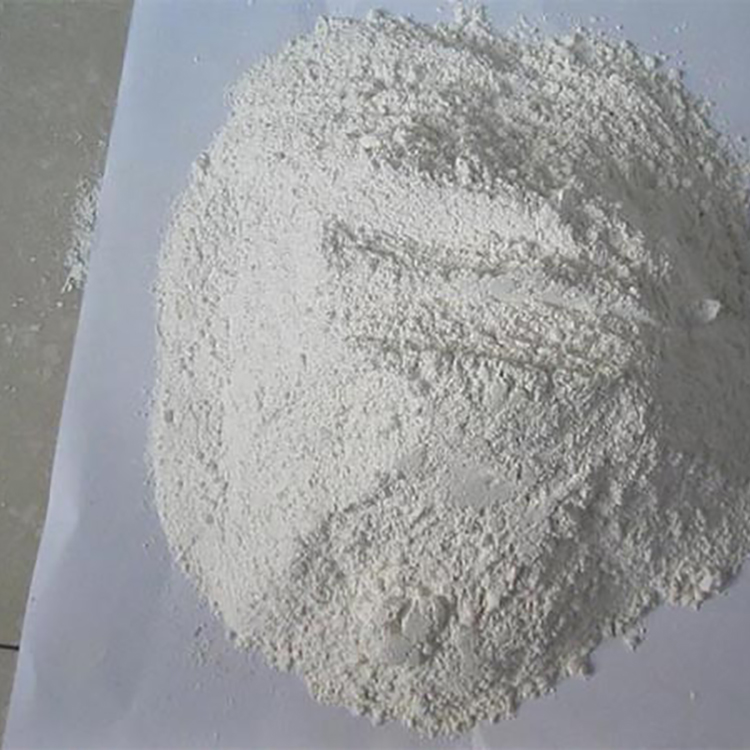
After collection, clean off the soil and debris. Alternatively, scrape the talc blocks clean, grind them into powder using a粉碎机, and then pass through a fine sieve to obtain talc powder.
Herbs
Flat, oblong, or irregularly shaped pieces of varying sizes. Entirely white, eggshell, or off-white, with a pearl-like luster, semi-transparent or opaque. Soft and fine, with a smooth feel to the touch, the white powder can be scraped off with a fingernail. Odorless, tasteless, with a slightly cool sensation. Preferably clean, light blue-white, smooth, and free of impurities. Grown in Jiangxi, Shandong, Jiangsu, Shaanxi, Shanxi, Hebei, Fujian, Zhejiang, Guangdong, Guangxi, and Liaoning, among other places.
Chemical Composition
Primarily magnesium silicate, with 31.7% MgO, 63.5% silicon dioxide, and 4.8% water. Typically, a portion of the MgO is replaced by FeO. Additionally, it contains impurities such as aluminum oxide.
Pharmacological action
①Talcum powder, due to its small particles and large total surface area, can absorb a large amount of chemical irritants or toxins. Therefore, when sprinkled on the surface of inflamed or damaged tissues, it can provide protection. Internally, it not only protects the inflamed gastrointestinal mucosa and exerts an antiemetic and antidiarrheal effect but also prevents the absorption of toxins in the gastrointestinal tract. However, talc is not completely harmless and can cause granulomas in areas such as the abdomen, rectum, and vagina.
② Antibacterial action: The plate method using a culture medium containing 10% talc controls typhoid and paratyphoid A bacteria; the disk method only has a slight antibacterial effect on meningococcus.
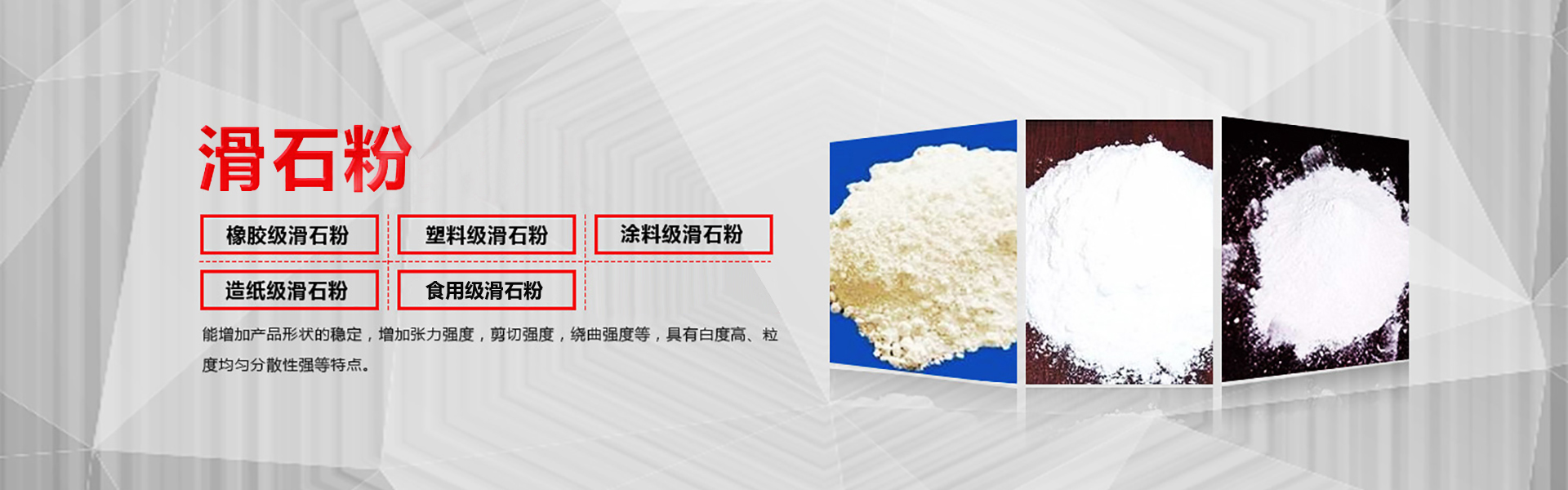
Talc powder masterbatch for paint-grade, when added to plastic, significantly enhances the rigidity and creep resistance, hardness, resistance to surface scratching, thermal resistance, and thermal deformation temperature of plastic products. Industrial-grade talc with a fine particle size also improves the impact strength. Additionally, it imparts lubricity, acts as a flow promoter, and enhances the processability of plastics.
Industrial talc powder is commonly used as a filler in polypropylene. Industrial talc powder features a sheet-like structure with a thin configuration. Therefore, finer-grained industrial talc powder can serve as a reinforcing filler for polypropylene. The addition of industrial-grade talc masterbatch in the polypropylene modification system not only significantly enhances the rigidity, surface hardness, thermal creep resistance, electrical insulation, dimensional stability, and impact strength of polypropylene products but also improves the impact strength of polypropylene. The inclusion of a small amount of industrial talc powder in polypropylene can act as a nucleating agent, enhancing the crystallinity of polypropylene, thereby improving its mechanical properties. Additionally, by increasing its crystallinity and refining the grain structure, it also improves the transparency of polypropylene.

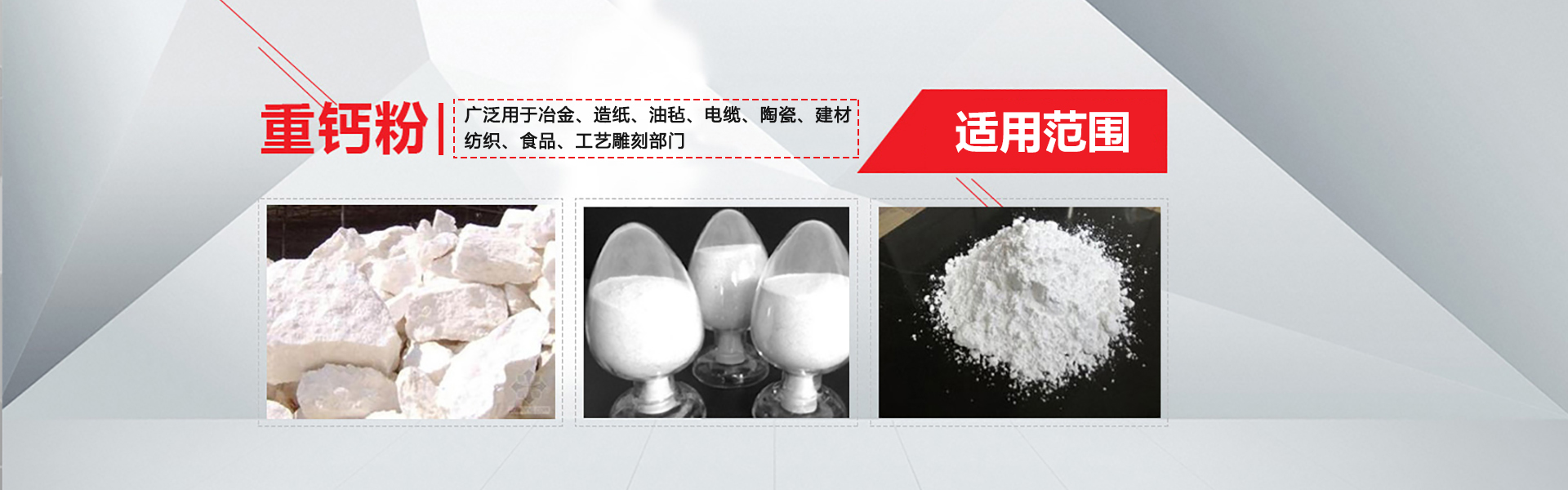
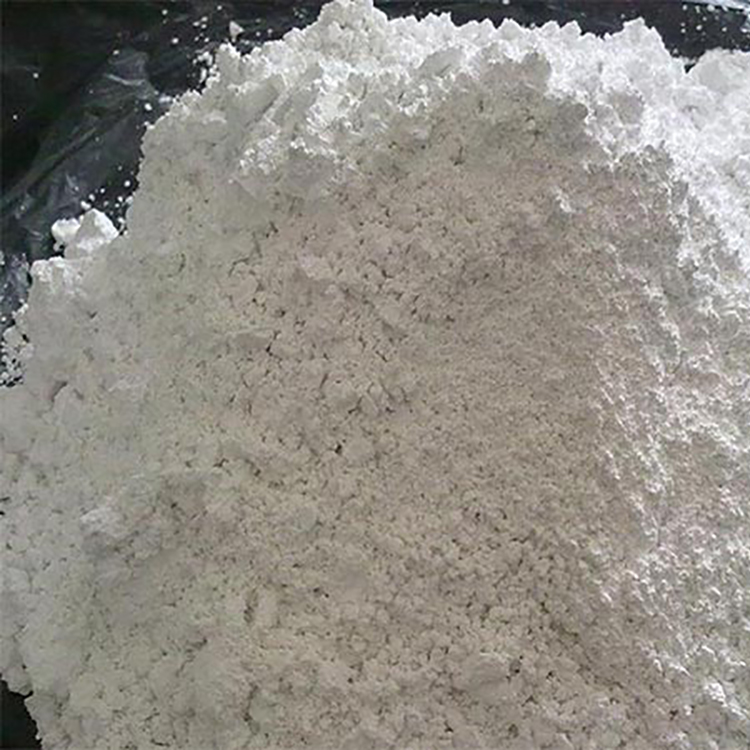 Limestone Powder, Calcined Limestone Powder
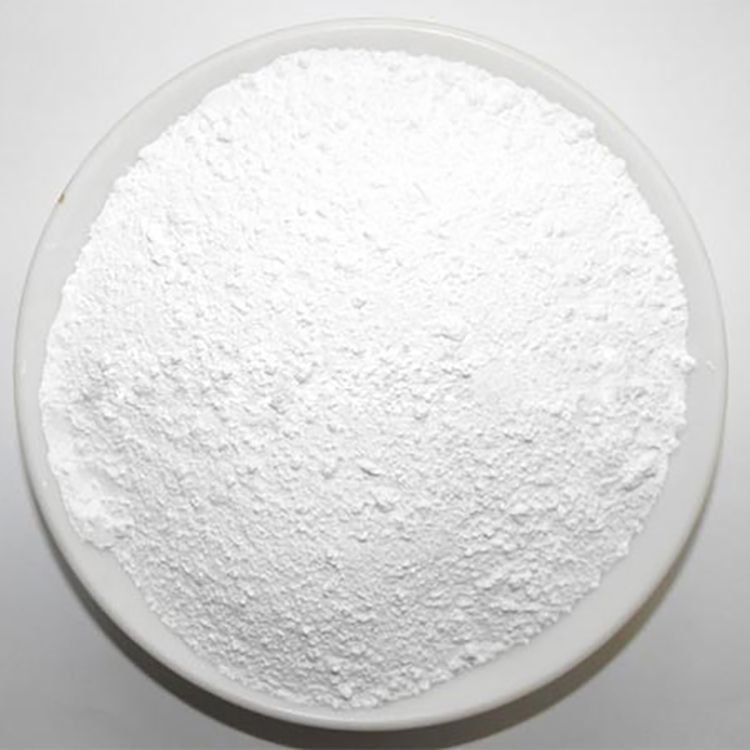 Talcum powder manufacturer
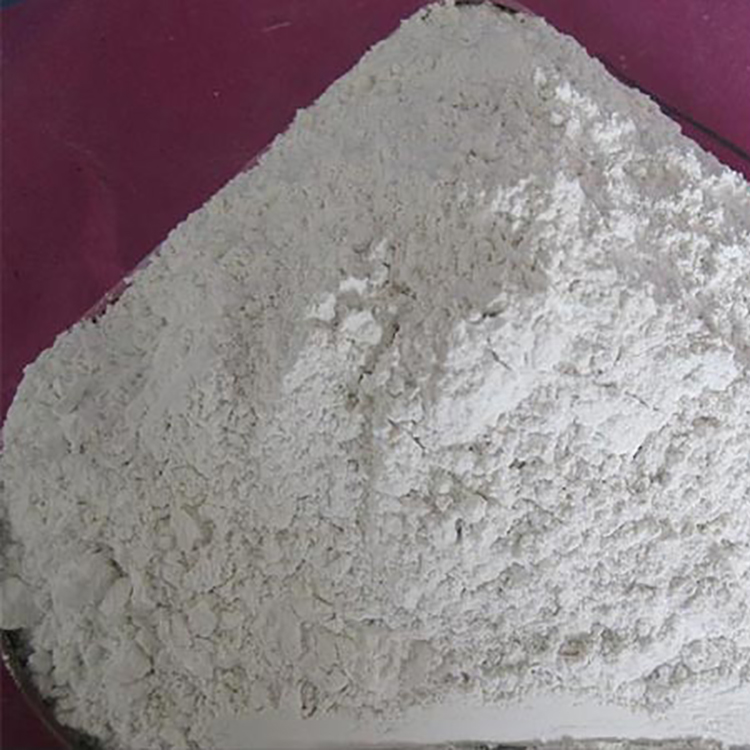 Talcum powder price

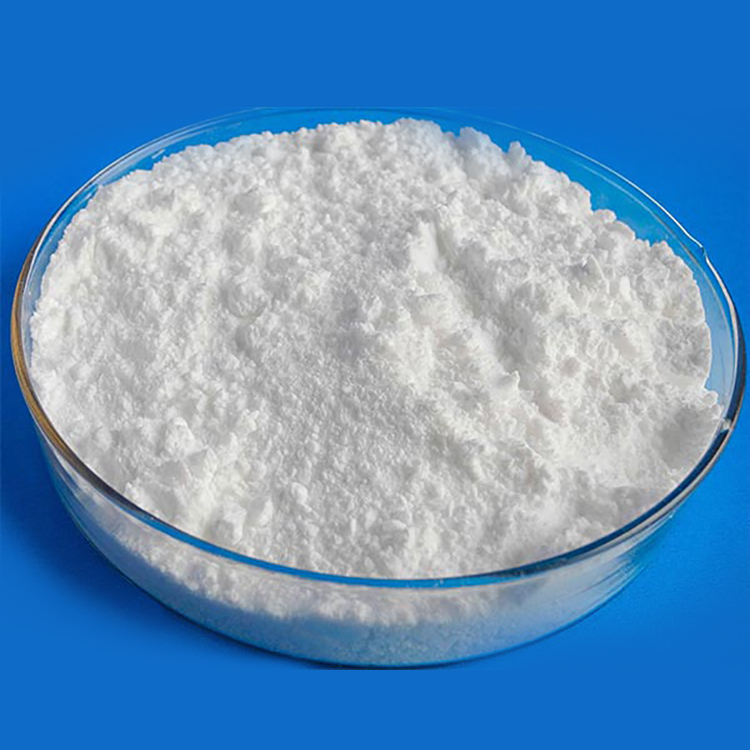 Talcum powder manufacturer
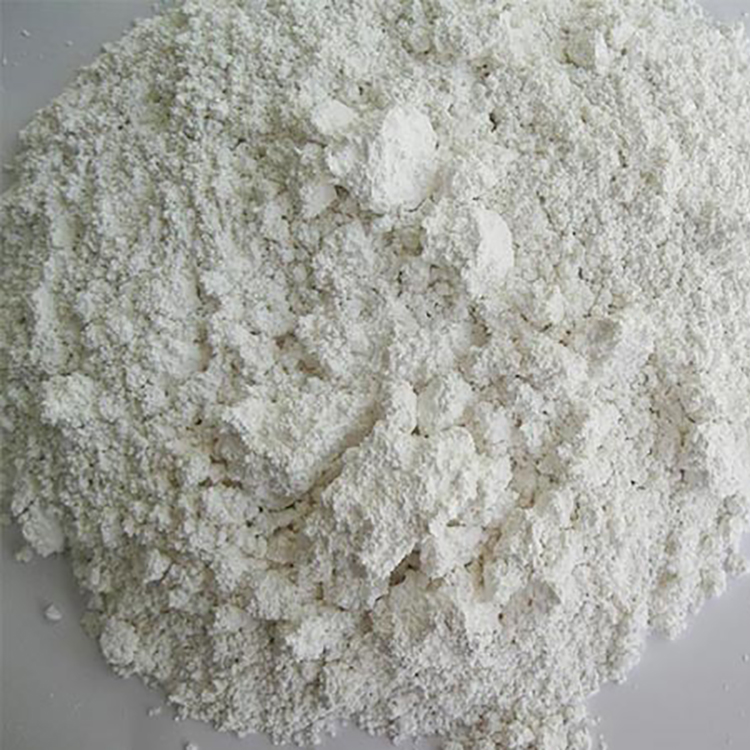 Talcum Powder Factory
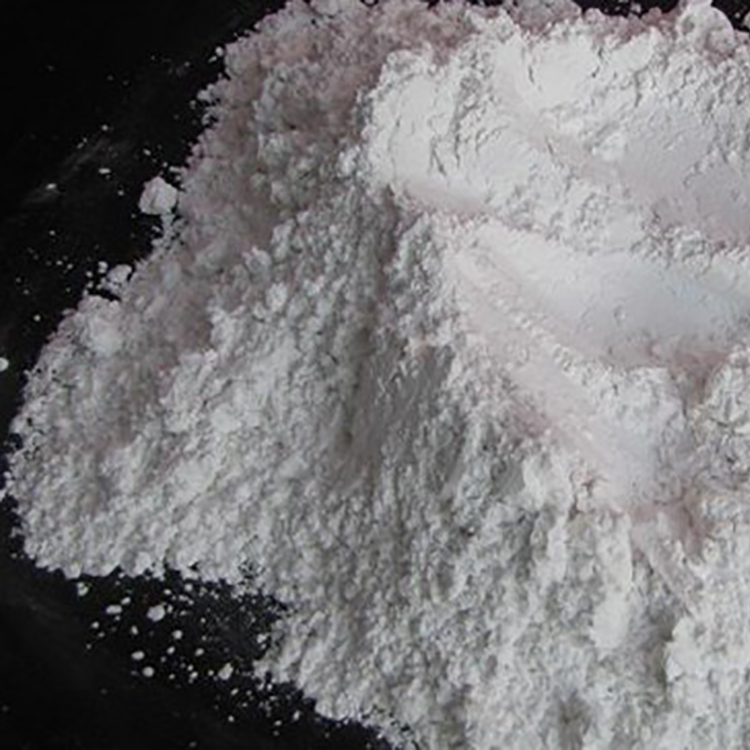 Quartz powder