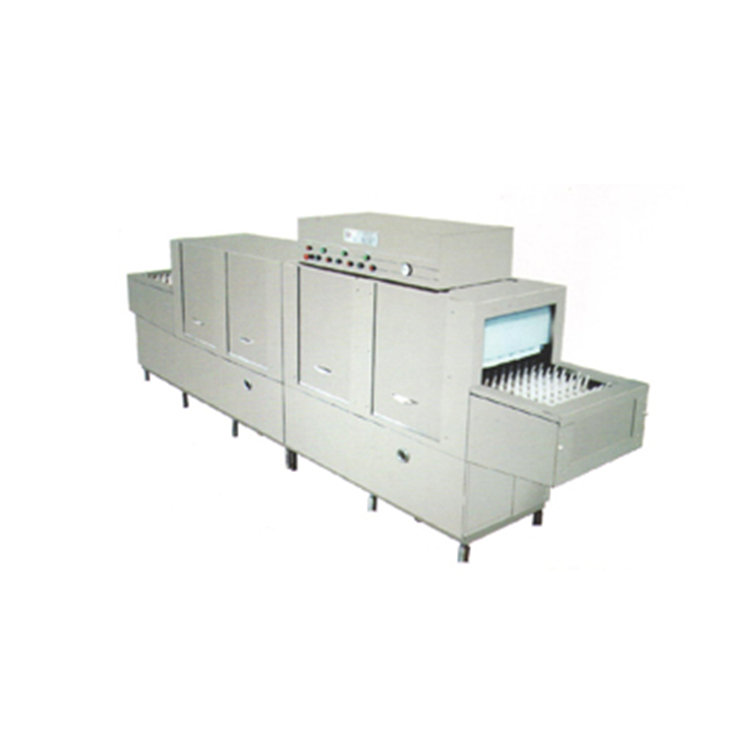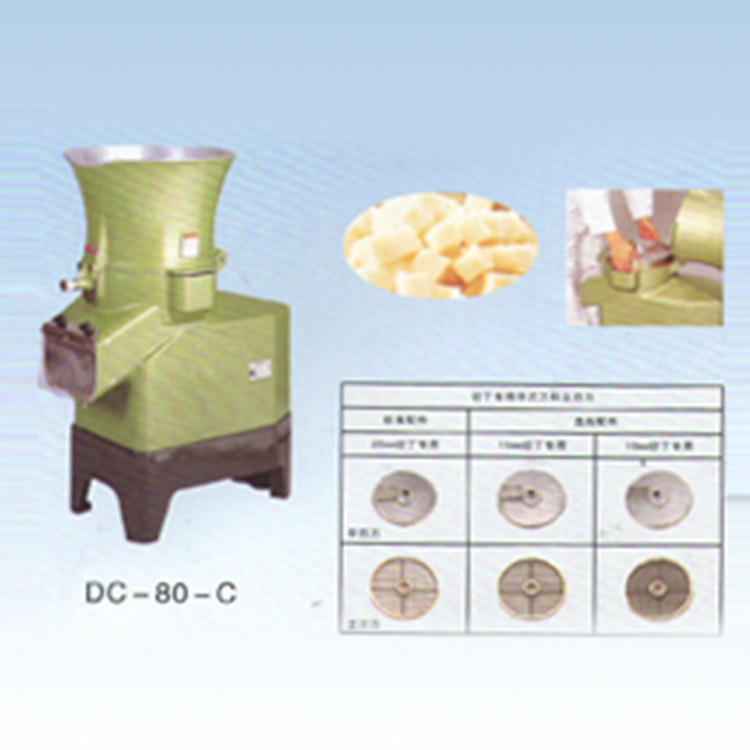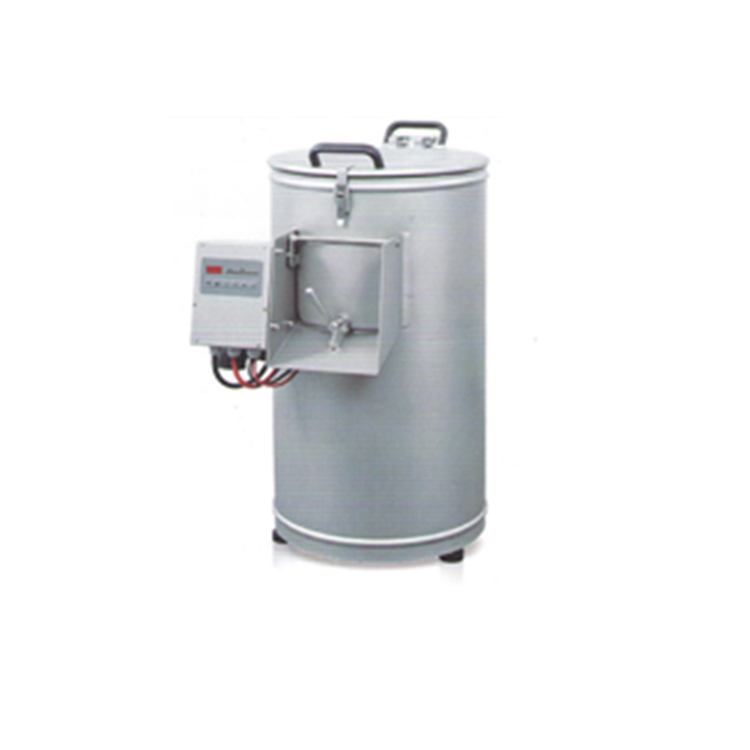
For years focused on kitchen equipment - rice processing ...

The low rice cooking yield issue: The cause lies in the short soaking time of the rice, uneven heat distribution, and excessively low temperature during the cooking process.
2. Rice Quality Inconsistency: The issue stems from an unstable water control device (with significant water addition errors) and a poor performance of the combustion gas control valve (resulting in unstable and uneven flame combustion).
3. Rusting on motors, bases, and trays within a short period affects equipment operation: caused by material defects and inadequate rust prevention treatment.
4. Stove Chain Breakage: Due to the low strength of domestic chains and poor material properties, fatigue caused by repeated stress in high-temperature and high-humidity environments.
5. Non-stick Coating Peeling: The peeling of the non-stick coating is due to the deformation of the rice pot's size and shape, which requires high technical processing. Additionally, it also depends on the material of the rice pot's alloy steel and the surface treatment issues.
6. Adding Oil While Cooking Rice: The reason lies in the insufficient quality of the non-stick pan's coating, which makes rice difficult to detach. Adding oil lowers the boiling point of water, affects the quality of the rice, and leads to poor digestion and absorption in the human body.
7. Brief discoloration and deformation of the main unit's outer plate: This is due to the poor quality and insufficient thickness of the steel plate itself.
8. Lack of Sanitation Management: Domestic equipment lacks experience, fails to grasp the essence of imported design, and merely imitates the appearance without separate design. It is difficult to disassemble and clean, leading to sanitation dead zones. Consequently, food residue accumulates, decays, and becomes rancid.


b2b.china9.net © Zhongshang 114 Hebei Network Technology Co., Ltd.Address: Room 6009, Oriental New World Center, No.118 East Zhongshan Road, Qiaoxi District, Shijiazhuang City, Hebei ProvincePlatform Service Hotline: 4006299930