For years focused on kitchen equipment - rice processing ...

Great solutions, great equipment, great results
Automated production lines or assembly lines are modern food processing methods, offering advantages such as centralized management, large-scale production, standardized production, hygienic processes, and profitable operations. This is a practical project that "keeps pace with the times, strengthens the body, and enhances happiness." To this end, we recommend four central kitchen equipment models for your reference and selection:
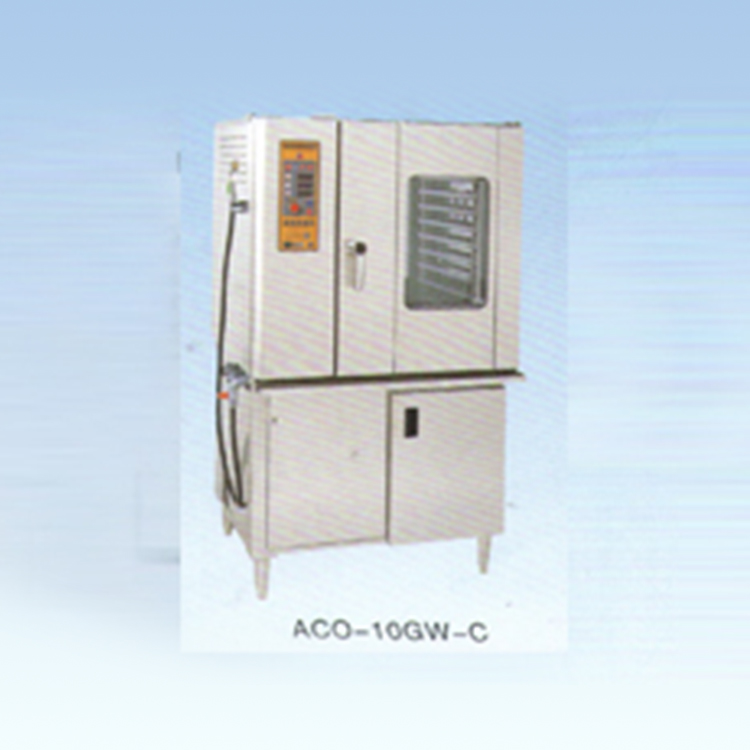
Central Kitchen - Automatic Rice Processing Production Line
Japan-imported (assembled) rice automatic production line, consisting of 10 units, offers various models: gas-powered, electromagnetic, electric heating, and steam-powered, with the gas-powered model being the most popular. Available in six machine types ranging from 150 to 600 kg/h in processing capacity; suitable for dining establishments serving from 8,000 to 50,000 people. With a lifespan of 15-20 years, the investment can be recouped within 3 years, and the line dominates the majority of markets across various industries in China.
One, Equipment Features: Computer PLC control, world-class electrical components, stable and reliable, energy-saving and environmentally friendly, durable, with a lifespan of over 15 years.
Operational costs are extremely low, resulting in significant savings.
1. Labor-saving. The rice production line is equipped with devices according to the process requirements, ensuring rice quantity and quality while reducing labor and workload. The entire line only requires two operators; whereas, three to four people are needed to operate a domestic rice line, resulting in higher labor costs.
2. The imported rice production line utilizes a locally-sourced gas control system to ensure complete combustion, consuming only 21.5 cubic meters of gas per hour, thereby achieving significant energy savings.
The domestic rice production line consumes 32 cubic meters of natural gas per hour.
3. Cost savings on maintenance: Multiple studies show that imported rice production lines operate without faults for 8 years, entering the maintenance phase gradually after 8 years, with an annual maintenance fee of 3,000 yuan; domestic rice production lines operate without faults for 1-2 years, with the maintenance rate increasing year by year thereafter, with a high frequency of parts replacement, resulting in average repair costs of 30,000-50,000 yuan.
4. High yield rate. Comparing the yield rate of cooked rice per pound of dry rice, the imported rice line holds a distinct advantage: 1 pound of imported rice line produces 2.3 pounds of cooked rice; the domestic rice line produces 1.9-2.0 pounds of cooked rice per pound; the steaming rice box produces 1.7-1.8 pounds of cooked rice per pound. Each pound of rice yields an additional 0.3-0.5 pounds of cooked rice.
5. Save Rice. Compare the following: At a rate of processing 5,000 pounds of rice per day: Imported rice line, 2,173 pounds of rice used; Domestic rice line, 2,631 pounds of rice used; Rice steamer, 2,941 pounds of rice used, saving 450-750 pounds of rice per day, which is a significant cost savings.
Three, energy-saving and environmentally friendly, as well as safe and reliable. The gas inspection department stated: Among various rice production lines domestically, only the Japanese ones meet the standards. They utilize electronic ignition with a flame-out gas shut-off protection device; equipped with a pressure and pressure reduction control system, ensuring high thermal efficiency of the gas, no blackening of the pot bottom; automatically shuts off the gas source when carbon monoxide exceeds the standard, effectively preventing poisoning; straight flame brand, with a blue flame, high thermal efficiency, energy-saving, and environmentally friendly.
Central Kitchen - Automated Fresh Vegetable Processing Line
The pre-cooked vegetable automatic processing production line is a joint venture between China and Germany, featuring German quality and being the leading vegetable processing line in China. It is widely used across various industries nationwide and has been exported to Southeast Asia and Europe and America. The lifespan of the equipment is 12-15 years, allowing for investment recovery in as little as 2 years.
Vegetable Processing Equipment and Technology Configuration: Root and tuber equipment configuration: Basic requirement is 5-7 units; Leafy vegetable equipment configuration: Basic requirement is 6-10 units; Basic processing techniques: Cutting, soaking – with two cleaning stages – with two rinsing stages – dehydration, boxing – packaging and transportation, all automated.
Shandong Lute Textile Group, with a workforce of 45,000, operates three dining halls, each previously managed separately. The three dining halls collectively had over 2,000 square meters of vegetable processing space, consuming approximately 12 tons of vegetables daily. With 72 workers handling the task, the food often contained debris, affecting the employees' appetite and garnering significant complaints. After top-level leadership reviewed and compared options, they chose our "Sino-German joint venture fresh vegetable processing line." With the implementation of mechanization, the vegetables are now clean and hygienic, and the variety of dishes has increased. They have returned over 1,000 square meters of dining hall space, reducing the staff to 25. They also noted that in addition to saving on labor, they have also saved on significant amounts of water, electricity, and gas.
Jiangnan University, Zhejiang University, Jiangsu Finance Vocational College, and the Jiaxing Base of the Ministry of Agriculture have all adopted this equipment. In the short term, 2-3 years, and in the long term, 5-8 years, they are still using it without any malfunctions or worries. According to the supervisor, the investment in the equipment was recouped within 1.5 years. The leaders from all parties are extremely pleased.
Central Kitchen - Meat & Poultry Processing Line Combination Equipment
Meat and fresh produce are essential ingredients in every cafeteria and restaurant, crucial for maintaining human health. The traditional practice of each restaurant processing their own ingredients is no longer suitable for modern catering's demands in terms of food safety, ethnic flavors, dish characteristics, scale of supply, cost control, and planned production. In response, we introduced foreign meat and poultry meal preparation experience, first promoting it at Tsinghua University in 2003. The results were impressive; subsequently, we expanded this approach to Peking University and Harbin Institute of Technology, implementing "planned arrangements, centralized processing, and unified delivery." This has made it easy for university后勤 catering management to achieve: centralized management; standardized products; safe and hygienic conditions; high energy efficiency; and diverse product quality. The equipment has a lifespan of 15-20 years, with the cost recovered within 2 years.
Jiangsu University has a student body of 45,000 and serves around 80,000 servings of meat, poultry, and fish meals daily. Approximately 1,500 pounds of various processed meat and fresh products (shreds, minced, diced, sliced, cubed, strips) are produced. Originally, this task required 25 "small knife handlers," but with the establishment of a central kitchen for centralized processing, it now only takes 5-6 people.
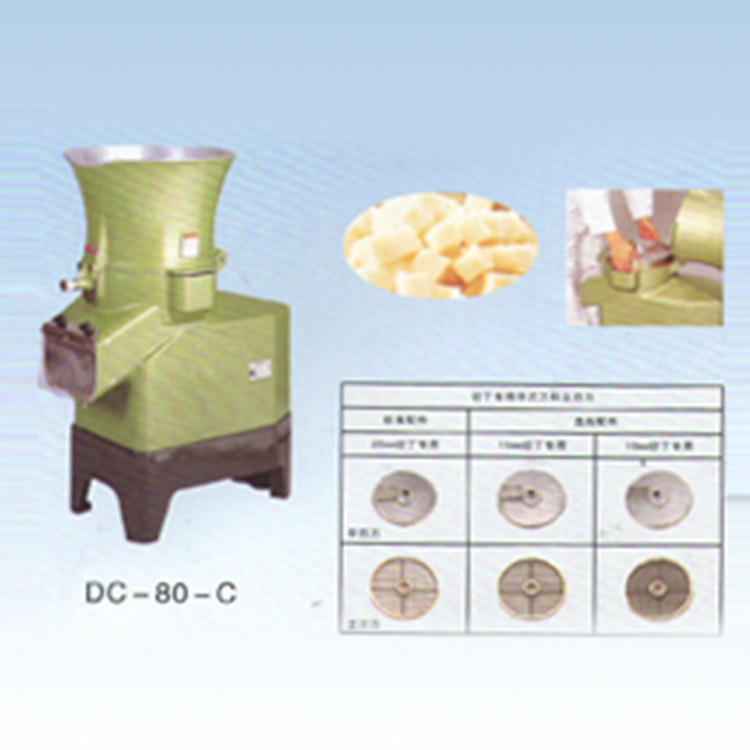
Jiangsu University Meat Equipment Configuration Requirements: Large-scale production capacity, standardized products, hygienic processing, and high-quality equipment. In accordance with the university's requirements, we have configured a processing line consisting of six equipment units: meat slicer + chop machine + bone saw + chopping machine + dough filling machine + meat grinder. Over the years, there has been no need for repairs, saving a significant amount of after-sales costs, and receiving unanimous praise from both students and faculty.
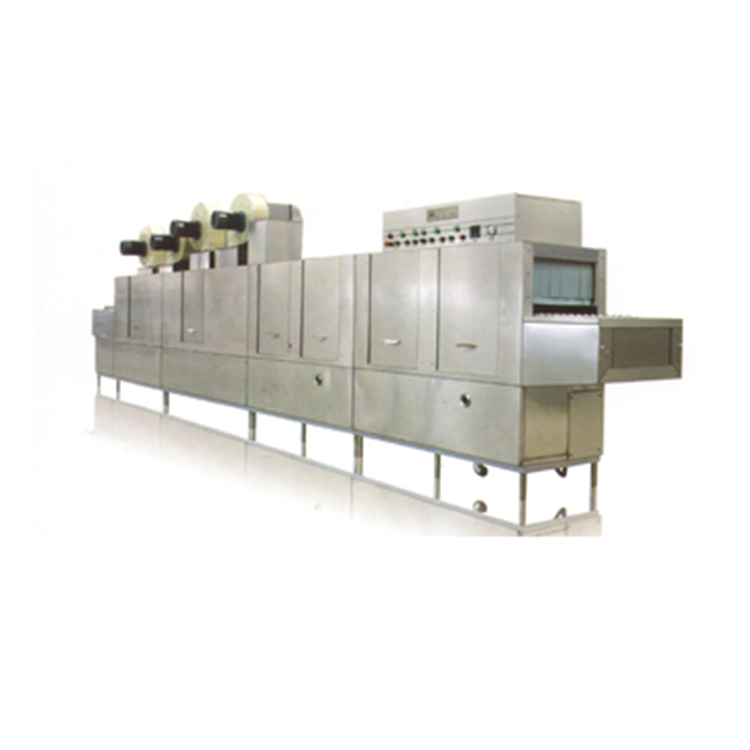
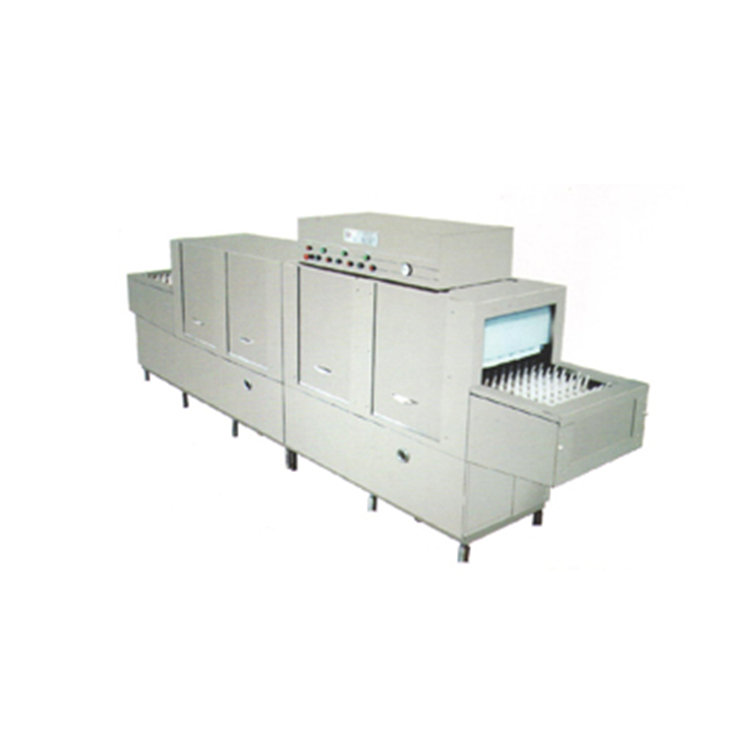
Central Kitchen - Dishwasher Combination Washing and Disinfection Production Line
Dishwashing and sterilization are labor-intensive, tiring tasks that are often difficult to meet hygiene and epidemic prevention standards. However, using dishwashing and sterilization equipment can easily resolve all these issues. Hygiene and epidemic prevention regulations stipulate that the washing and sterilization standards for tableware and containers are: chemical cleaning with water temperatures of 60-80 degrees Celsius; and sterilization temperatures of 80-85 degrees Celsius. Therefore, the number of water tanks, pump pressure, chain speed, washing cycles, water pressure flow, high-temperature cleaning, and sterilization temperatures are interdependent and cannot be neglected. The standard for washed dishes: clean and transparent; sterilization standard: kill viruses like E. coli and Staphylococcus aureus; for hepatitis B virus, the dishes must be processed in a hot air circulation sterilization cabinet after washing, requiring a temperature of at least 120 degrees Celsius for more than 20 minutes. The combined equipment ensures thorough cleaning, effective sterilization, and excellent drying results for dishes.
The equipment requirements for this unit include: dishes must be cleaned thoroughly; sterilization is essential; dishes must be dried; energy efficiency and environmental protection are a must; and operating costs should be low. To meet these needs, we have matched a set of equipment consisting of a steam generator, a fuel tank, a dishwasher, and a hot air circulation sterilization cabinet. This combination of four machines has satisfied the hospital's requirements and recouped the investment within one year. Over the years of use, the dishes have been clean, energy-efficient, and environmentally friendly, earning high praise and attracting numerous visitors for inspections.


b2b.china9.net © Zhongshang 114 Hebei Network Technology Co., Ltd.Address: Room 6009, Oriental New World Center, No.118 East Zhongshan Road, Qiaoxi District, Shijiazhuang City, Hebei ProvincePlatform Service Hotline: 4006299930