

- AllProduct Category
-
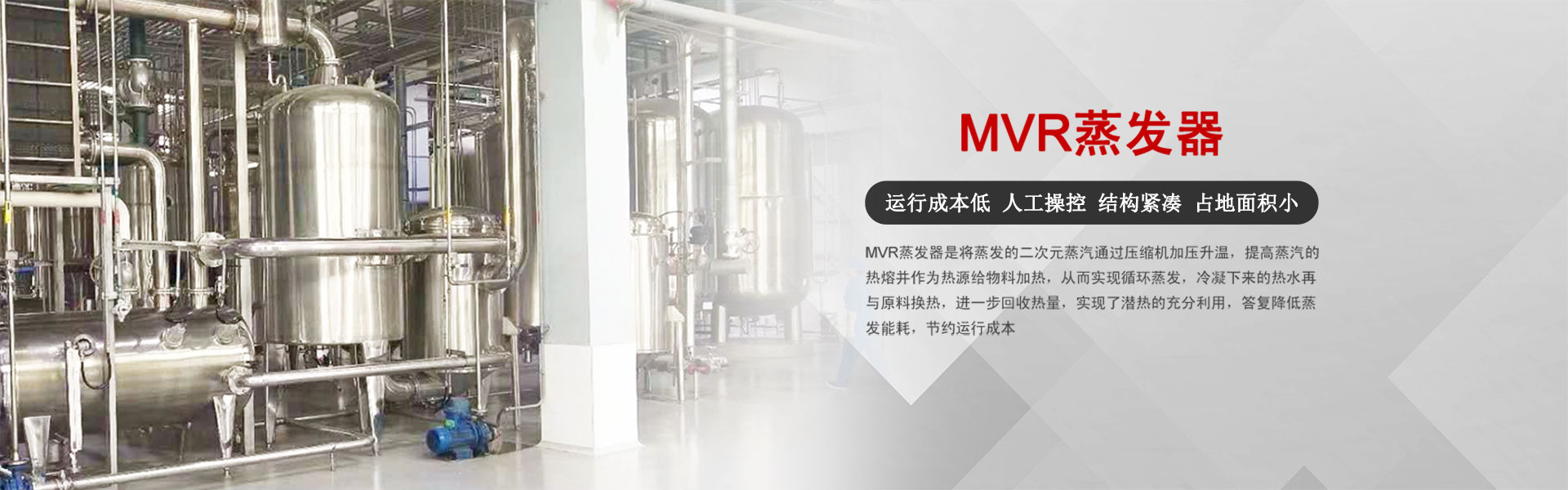
MVR Evaporator
Triple-effect Evaporator
Multi-effect Evaporator
Wastewater Evaporator
Film Evaporator
Forced Circulation Evaporator
Screw Blade Film Evaporator
Heat Exchanger Condenser Equipment
Reaction Mixing Equipment
Cooling Tower





详情描述
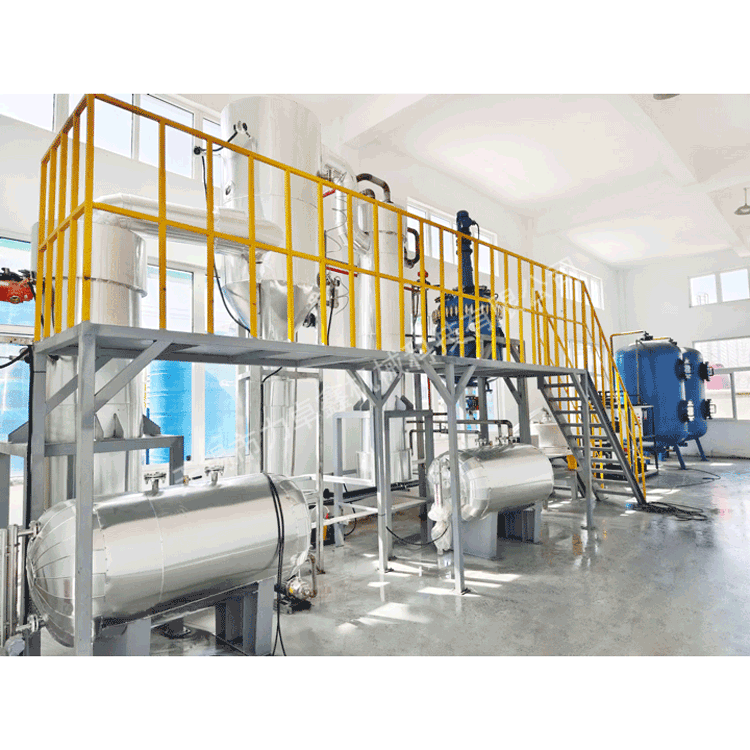
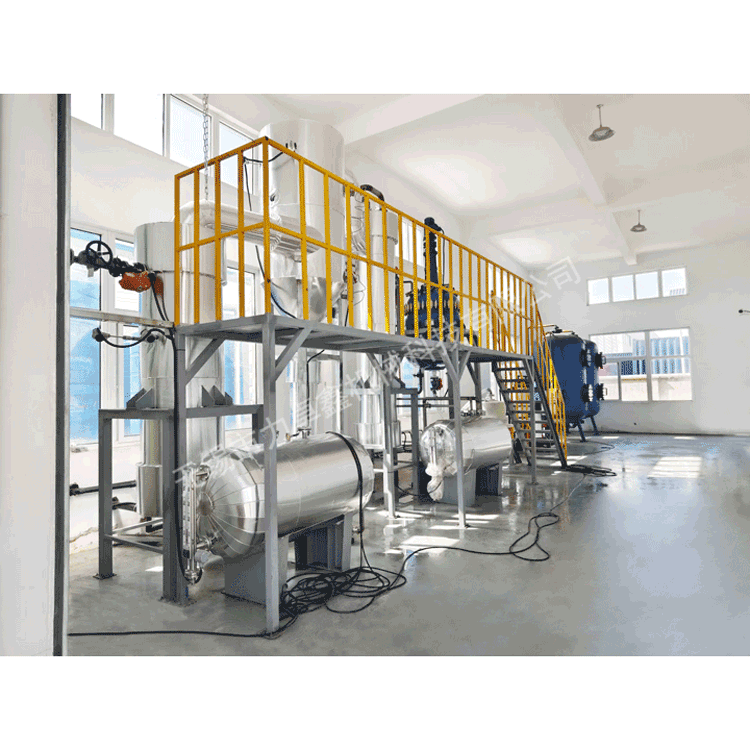
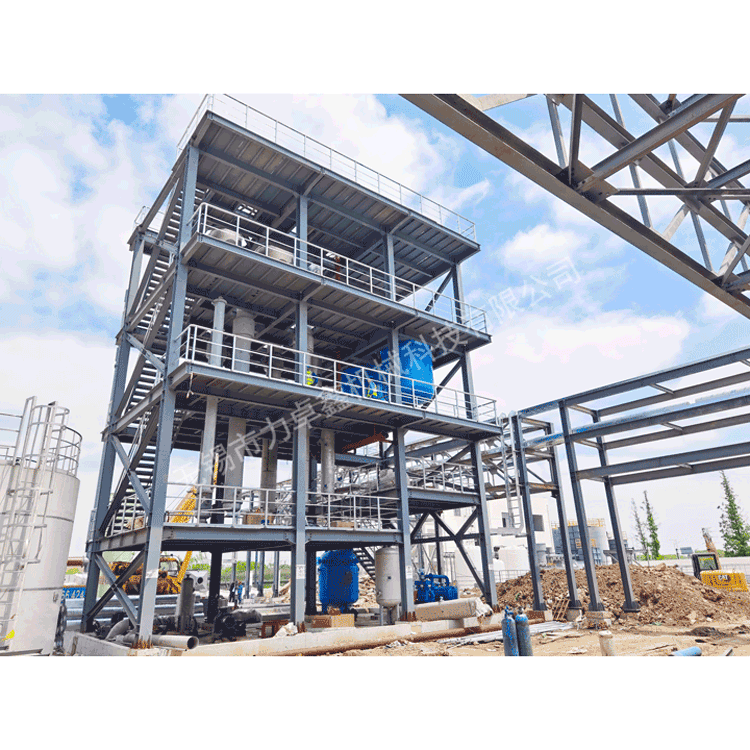
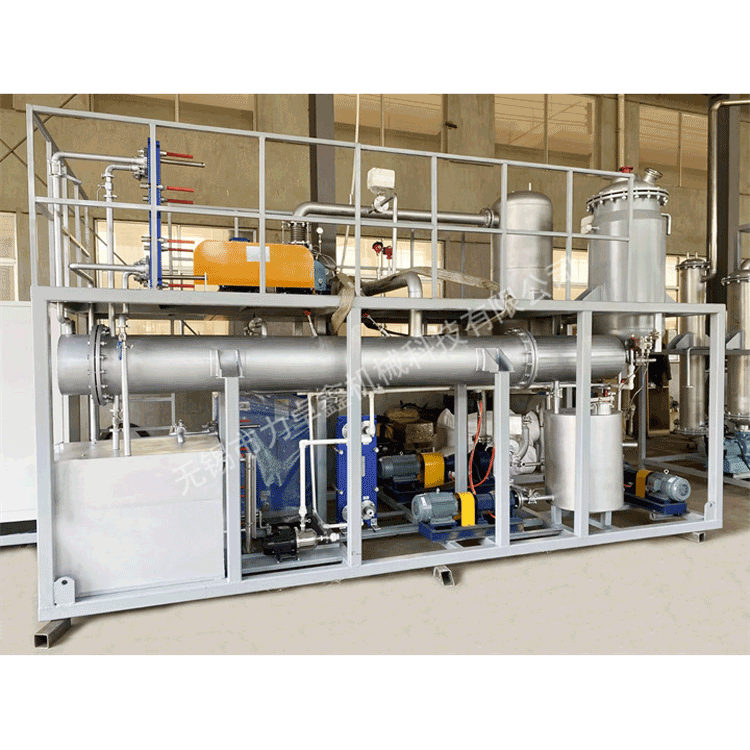
20 tons/day processing capacity, single-effect evaporator

Product Overview
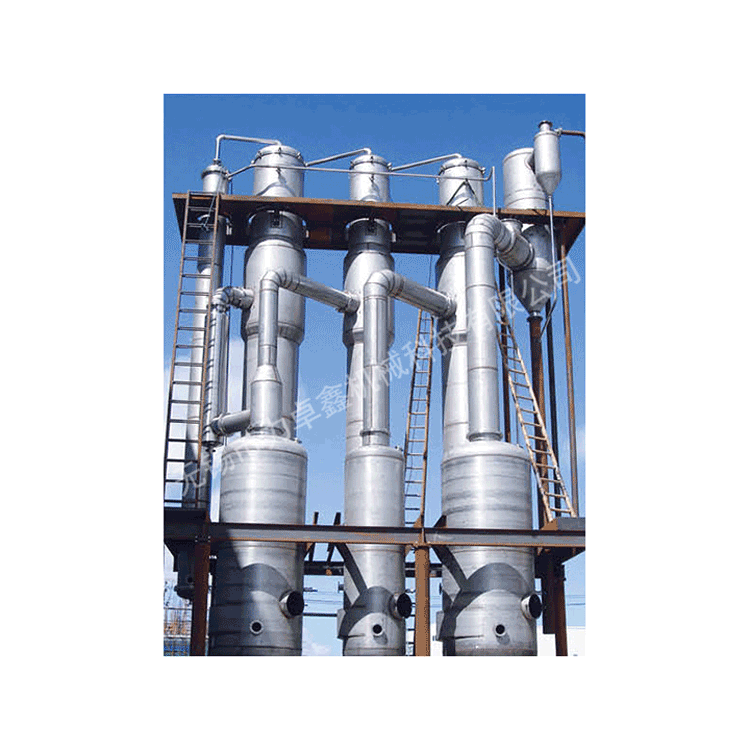
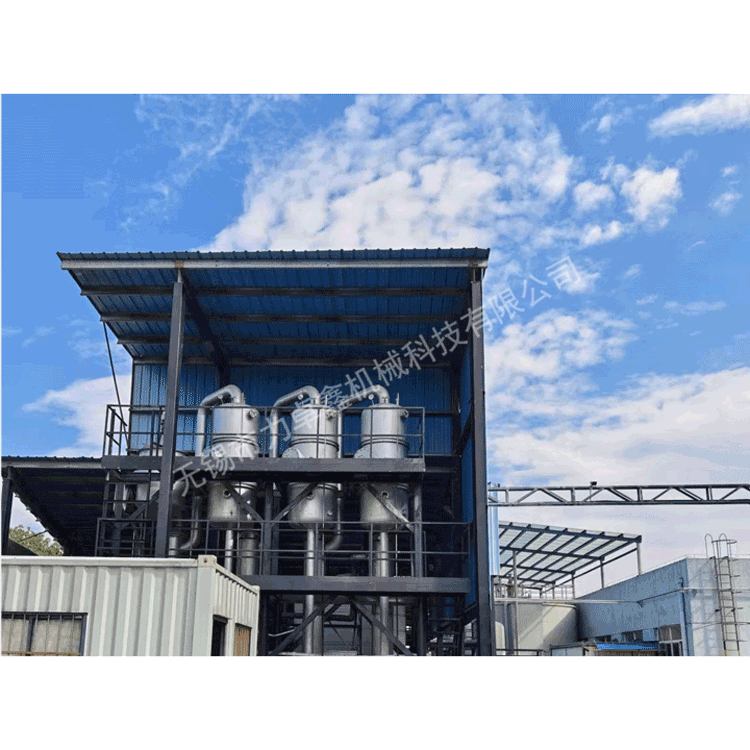
A multi-effect evaporator consists of various systems such as heating evaporators, separators, condensers, thermal pumps, sterilizers, insulation pipes, vacuum systems, liquid transfer pumps, condensate drainage pumps, operation platforms, electrical instrument control cabinets, and valves and pipelines. A multi-effect evaporator combines multiple single-effect evaporators into a single evaporation system. Depending on the connection type, they can be classified as co-current, counter-current, or parallel flow. The characteristic of multi-effect evaporation is to use the secondary steam generated in the previous effect to drive the next evaporator, thereby saving energy. Typically, there are double-effect, triple-effect, and even more multi-effect evaporation systems. However, the more stages there are, the more control points there are, and the smaller the driving force of the temperature difference between stages becomes. The specific situation should be determined based on practical feasibility.
In terms of application, multi-effect evaporators can be divided into general multi-effect evaporation systems and forced circulation multi-effect evaporators. The forced circulation evaporator is an improvement on the multi-effect external circulation evaporator by adding an external circulation pump, which increases the flow rate of the material within the evaporation tube, enhancing heat transfer efficiency and boosting evaporation intensity. Forced circulation evaporators are suitable for situations where crystallization occurs during the evaporation process, particularly for non-heat-sensitive materials.
Application Scope
This unit is suitable for low-temperature continuous evaporation concentration in industries such as milk, starch, xylose, chemicals, biotechnology, environmental protection engineering, and waste liquid recycling. It boasts high heat transfer efficiency and short heating time for materials, making it particularly ideal for heat-sensitive, sticky, and foamy materials.
Operation Principle
In industrial production, evaporating large amounts of water requires a significant consumption of heating steam. To reduce the amount of heating steam used, multi-effect evaporation can be employed. Multi-effect evaporation requires that the operating pressure and boiling point of the solution in the subsequent effects be lower than those in the preceding effects. Therefore, the secondary steam from the preceding effects can be used as the heating medium for the subsequent effects, making the heating chamber of the subsequent effects a condenser for the secondary steam from the preceding effects. Only the first effect requires the consumption of live steam. This is the principle of multi-effect evaporation, and typically, the final effect or the last few effects of a multi-effect evaporation unit operate under vacuum. Since the secondary steam of each effect (except the final effect) is used as the heating steam for the next evaporator, the utilization of live steam is improved, enhancing the economic efficiency. If the amount of water evaporated is the same in a single-effect evaporation or a multi-effect evaporation unit, the former requires a much greater amount of live steam than the latter.
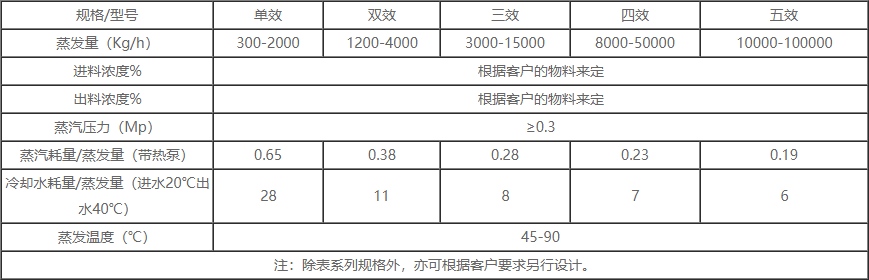
Technical Specifications
询价单


