


- AllProduct Category
-
MVR Evaporator
Triple-effect Evaporator
Multi-effect Evaporator
Wastewater Evaporator
Film Evaporator
Forced Circulation Evaporator
Screw Blade Film Evaporator
Heat Exchanger Condenser Equipment
Reaction Mixing Equipment
Cooling Tower




详情描述
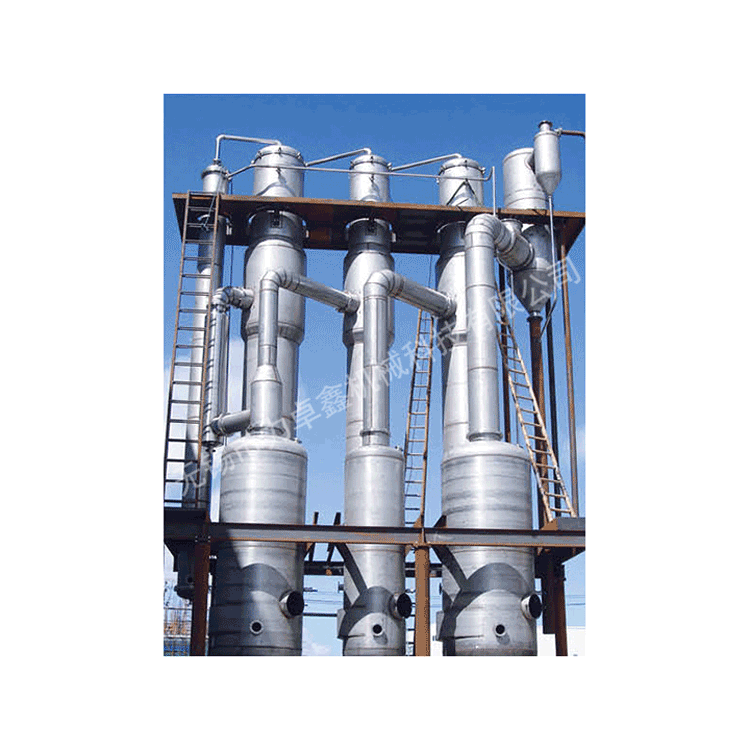
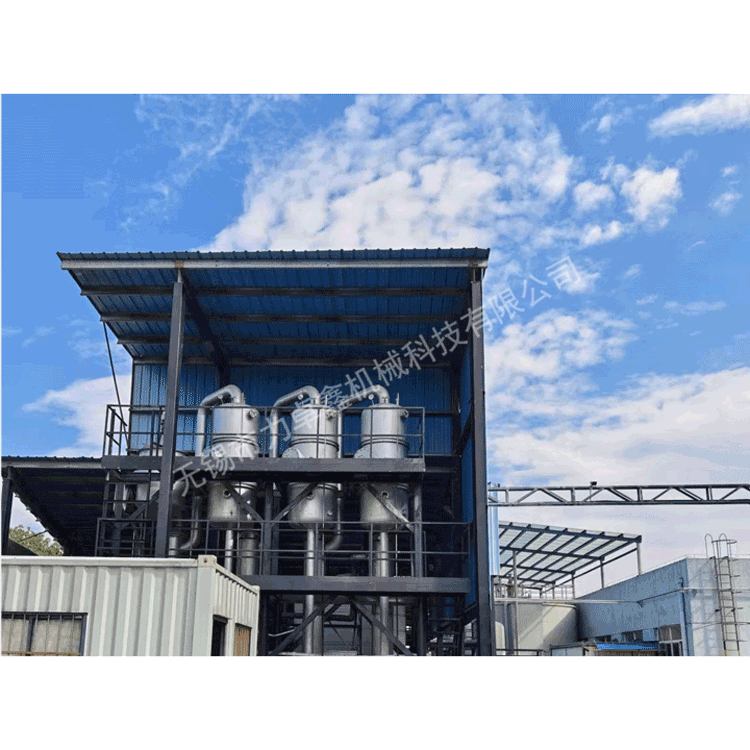
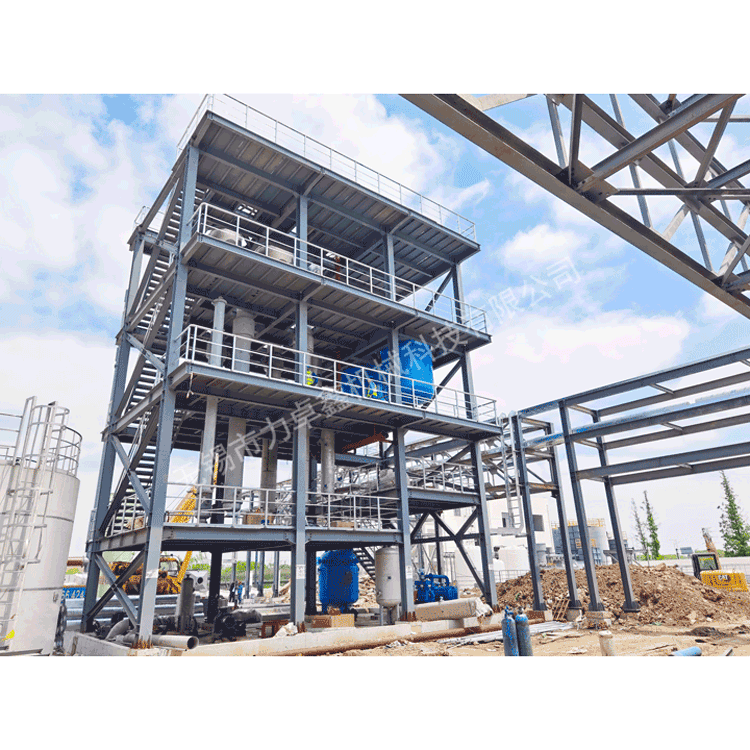
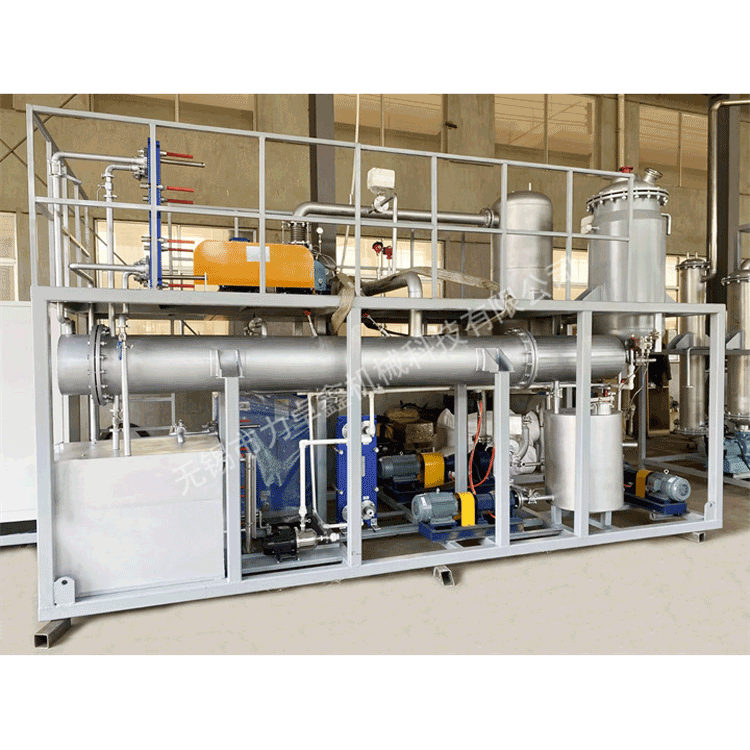
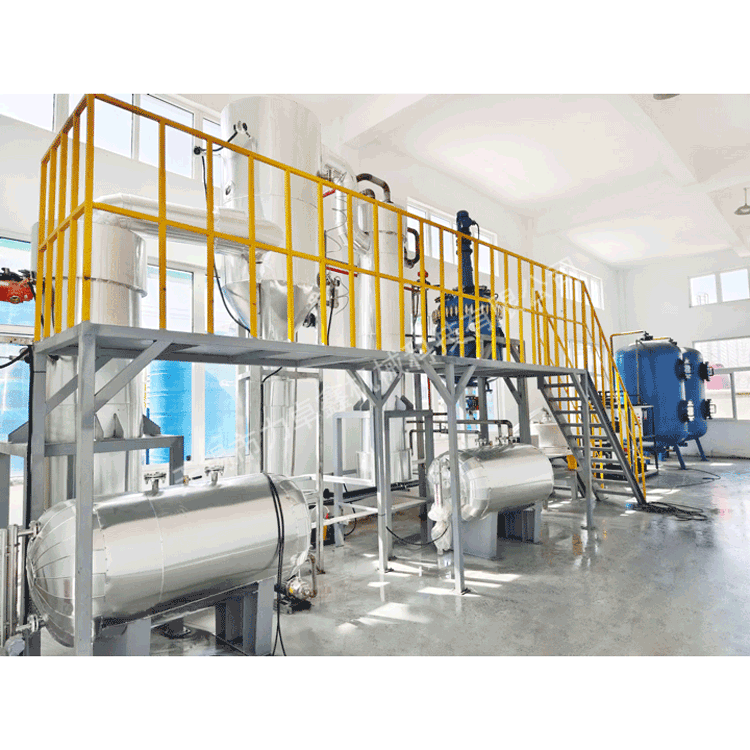
Triple-effect evaporator

Product Overview
The three-effect evaporator utilizes simultaneous three-effect evaporation, with the secondary steam undergoing repeated action. This not only saves on boiler investment but also reduces energy consumption. The energy consumption is 70% less compared to a single-effect concentrator, allowing users to recover the full investment in the concentrator within less than a year. The three-effect evaporator employs external heating, natural circulation, and vacuum evaporation methods, featuring fast evaporation rates, high concentration ratios up to 1.2-1.3. It is suitable for concentrating solutions of traditional Chinese medicine, Western medicine, starch, monosodium glutamate, dairy products, chemicals, etc., particularly for low-temperature vacuum concentration of heat-sensitive materials. Users can select from the series of technical concentrators based on their specific needs.
Product Features
This equipment operates on a tube bundle-type external heating circulating principle, resulting in short heating time for materials, rapid evaporation, high concentration ratio, and effective retention of the material's original efficacy.
Excellent energy-saving effect, saving about 70% of the evaporation volume compared to single-effect evaporators. Material is evaporated and concentrated in a closed system, ensuring a clean and comfortable environment; the unique demisting device of this system equipment prevents material spillage.
All contact parts are made of imported stainless steel and polished for excellent corrosion resistance, easy cleaning, and compliance with food hygiene regulations. Available with a microcomputer control system for simple operation and stable performance.
Application Scope
Wastewaters that are not suitable for treatment by biological, chemical, or membrane processes, such as high-salt wastewater, electroplating wastewater, dyeing wastewater, etc.; evaporation and crystallization of sodium chloride, potassium chloride, sodium sulfate, sodium sulfite, copper sulfate, magnesium chloride, ferric chloride, ammonium chloride, barium chloride, copper chloride, calcium chloride, nickel sulfate, sodium hydroxide, potassium salicylate, sodium carbonate, zinc sulfate, potassium fluoroaluminate, fumaric acid, manganese sulfate, ammonium fluoride, etc.
High-value-added manufacturing plants, such as the electronics industry, printed circuit boards, precious metal recovery, and film copying, contain recyclable resources in their wastewater.
During the production process, liquid concentration, such as: electroplating solution concentration, process concentration, high concentration liquid incineration pretreatment concentration, chemical process concentration, etc.
Cutting Oil for the Machining Industry
Operating Principle
The three-effect evaporator crystallizer takes a conical shape under the action of the conduit, with the cross-sectional area gradually increasing from bottom to top, thus the flow velocity decreases as it flows within the crystallization chamber. According to the sedimentation principle, crystals, being heavier, settle more quickly. The bottom of the evaporation chamber has a conical design to facilitate material sedimentation and discharge. Additionally, a conduit is positioned in the middle of the evaporation chamber for easy solid-liquid separation. Crystals settle to the bottom through the conduit into the陶析腿 section. The clear mother liquor at the edge of the evaporation chamber is connected to the circulating pipeline and pump. The circulating pump sends the material to the heater, where it is heated and then re-enters the evaporation separation chamber tangentially, continuously circulating. The crystallized particles are then transferred to the slurry pump for discharge.
Maintenance Instructions
1) Replace the lubricating oil twice within the first month of use, and then replace it once every 3-4 months thereafter.
2) After opening the low head, unscrew the bolts at the bottom of the rotor U-shaped groove and replace the scraper every four months.
3) Open the bottom bearing every two months to inspect for wear, and replace if necessary.
4) Regularly soak and clean the inner cylinder with warm water or solvent, based on the material properties.
5) Add sealing fluid to the mechanical seal cavity once a month, using 20# mechanical oil.
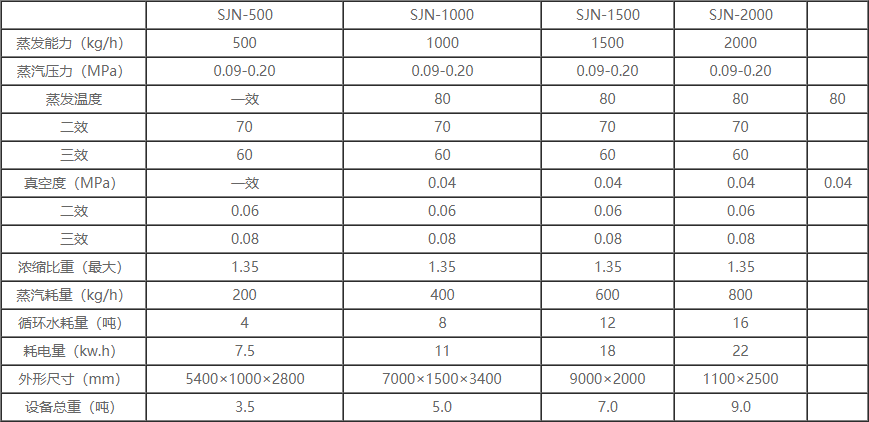
Technical Specifications
询价单


