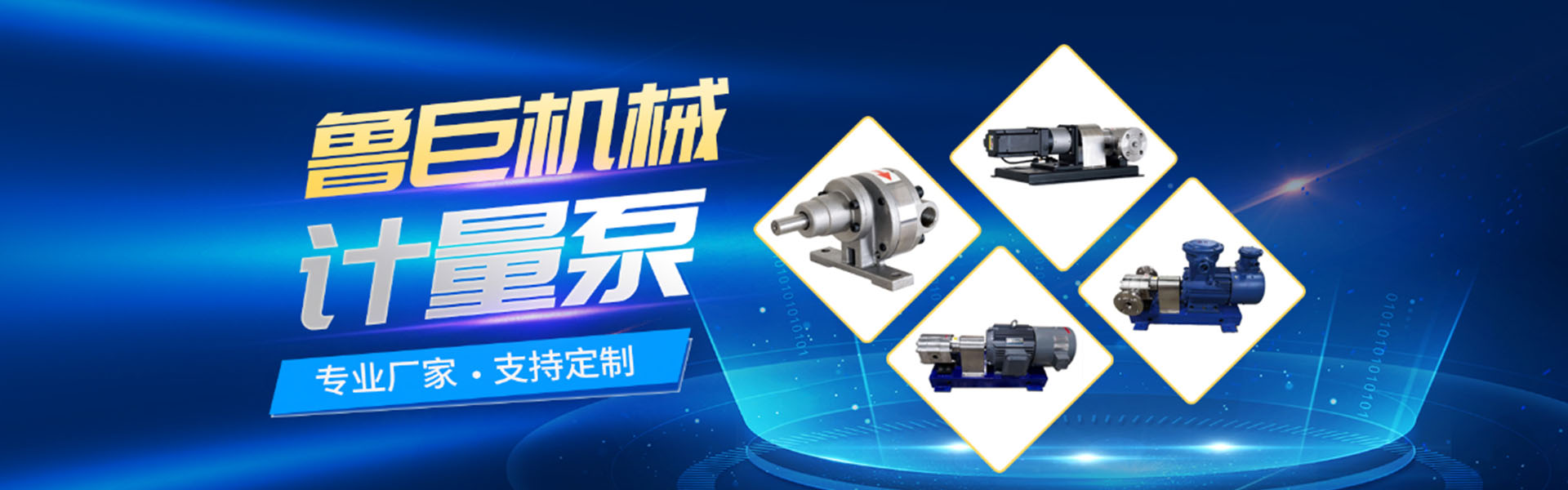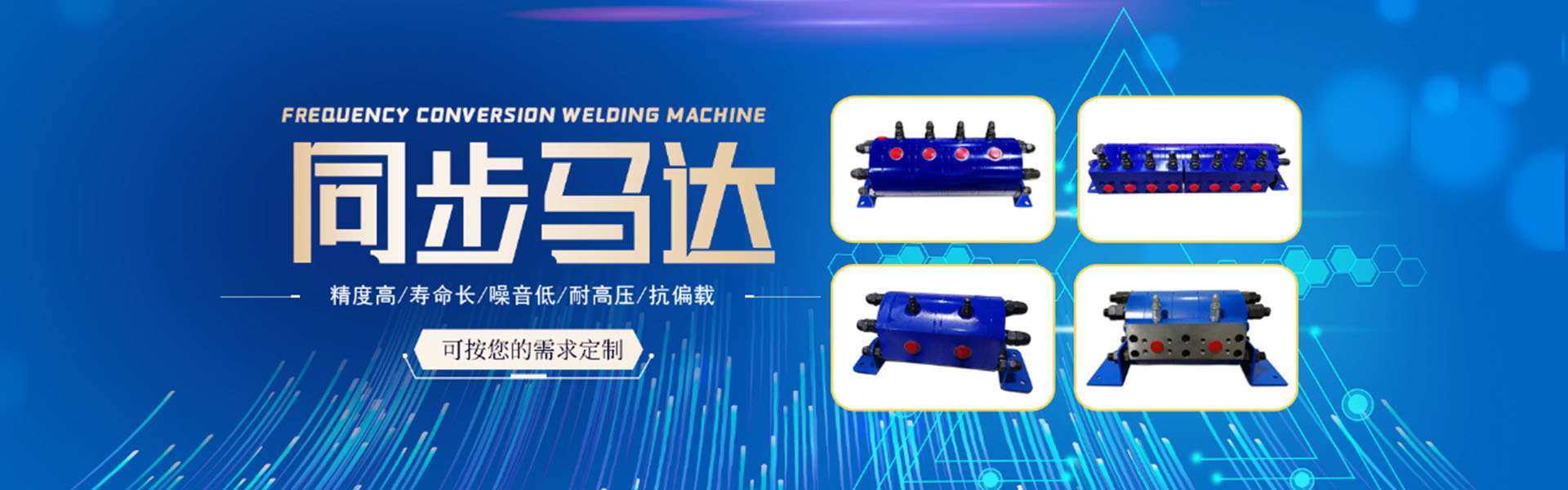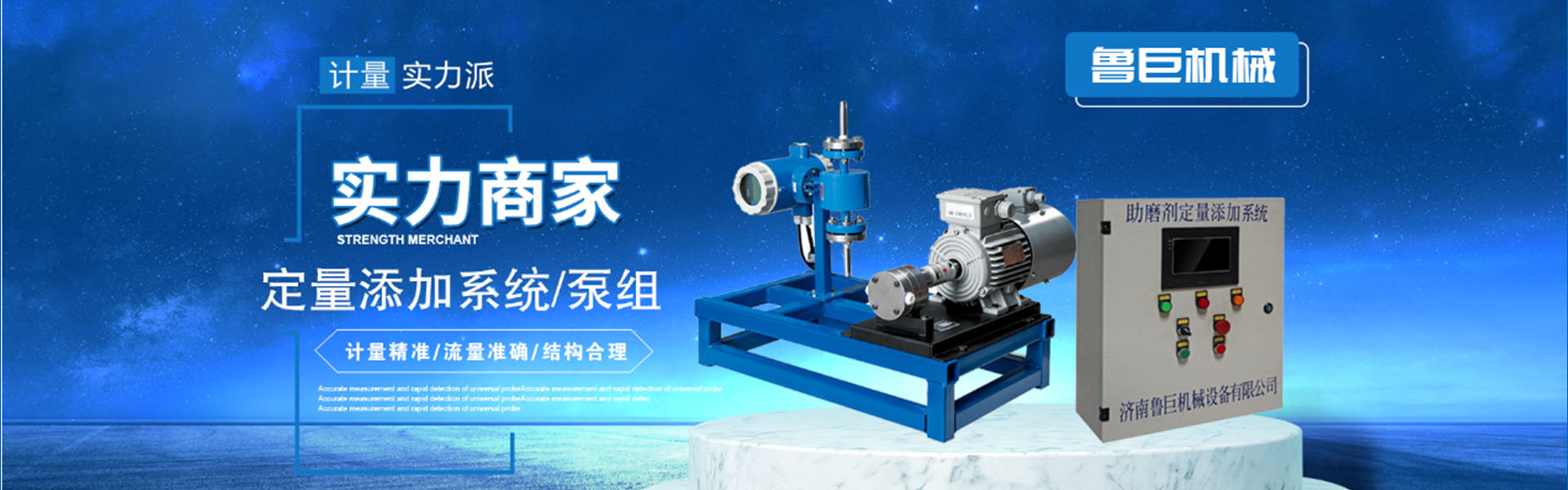
Main Products: Gear-metering pumps, high-viscosity metering pumps, corrosion-resistant metering pumps, synchronous motors, volumetric filling systems, etc.
15866686400


Product Recommendation

Synchronous Motor Manufacturer - High Precision, Long Life, Hydraulic Synchronous Dividing Motor - Luju Machinery

High-viscosity metering pump - Stable performance, corrosion-resistant, high-precision wholesale - Luju Machinery

Corrosion-resistant metering pump, sewage treatment electromagnetic dosing pump, good sealing, easy installation, Luju
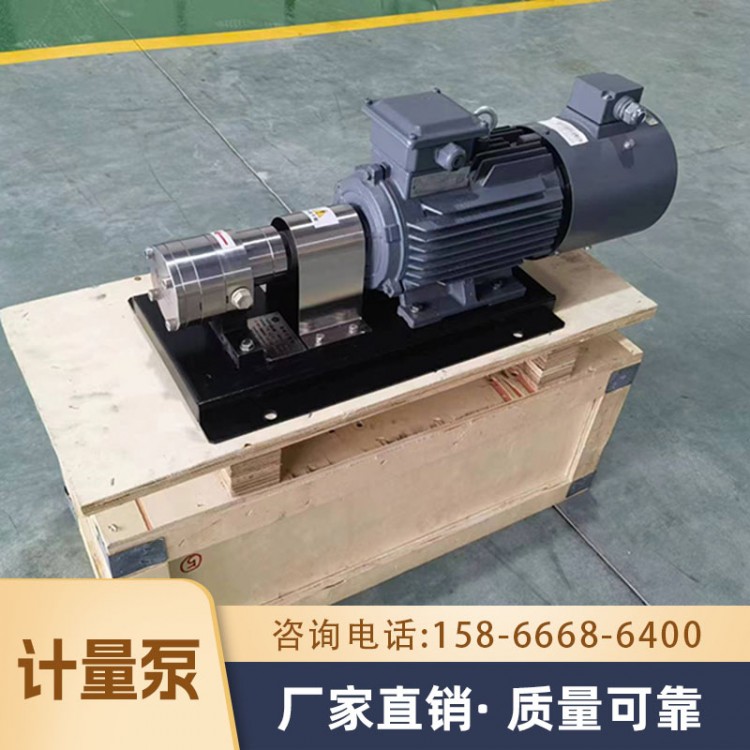
Stainless Steel Magnetic Drive Pump - Corrosion-Resistant Metering Pump, Safe and Durable - Luju Machinery
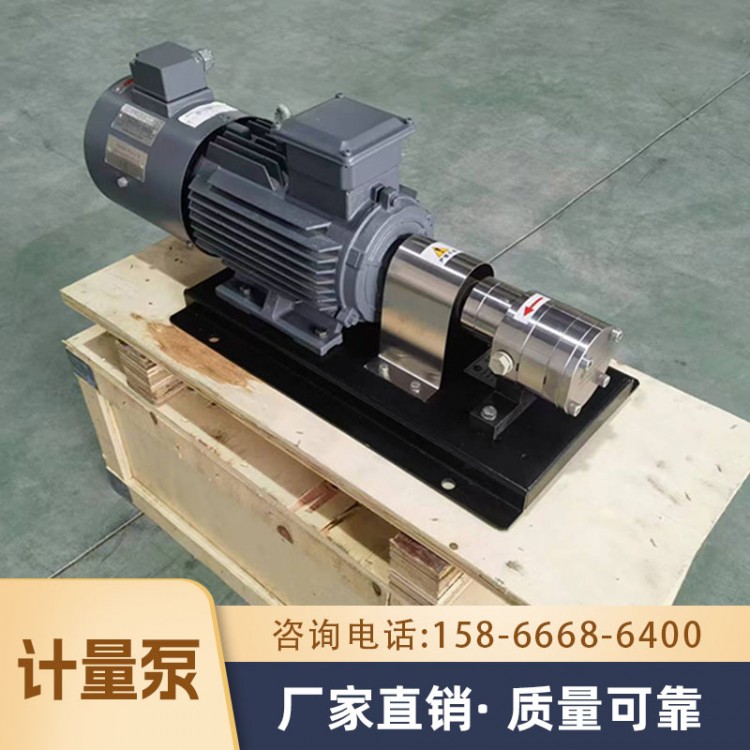
High-viscosity metering pump, corrosion-resistant material, wastewater treatment electromagnetic dosing pump, good sealing, Luju
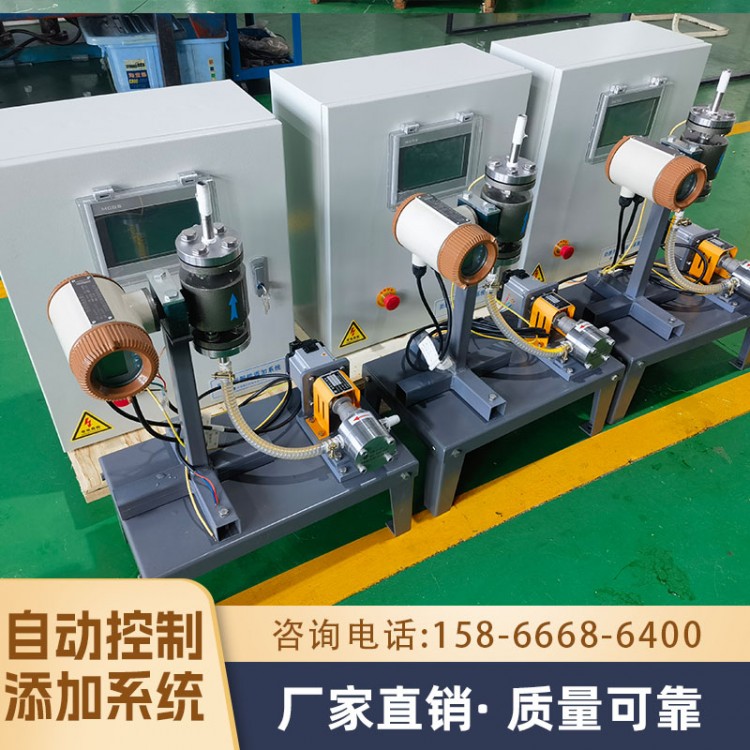
Lujue Machinery Automatic Control Addition System Automatic Proportioning Medication Device
To control SO2 pollution and prevent the harm of acid rain, it is imperative to accelerate the development of flue gas desulfurization technology and industry in our country. The National Engineering Research Center for Flue Gas Desulfurization Technology has conducted research and development on various flue gas desulfurization and denitrification technologies. Flue gas desulfurization and denitrification technology is a boiler flue gas purification technique applied to the chemical industry, which generates multiple nitrogen oxides and sulfur oxides. Nitrogen oxides and sulfur oxides are one of the main sources of air pollution. Therefore, the application of this technology greatly benefits the purification of the air environment. The known flue gas desulfurization and denitrification technologies include PAFP, ACFP, manganese ore method, electron beam ammonia method, pulsed corona method, gypsum wet method, catalytic oxidation method, and microbial degradation method, among others.
Today, we introduce two commonly used desulfurization and denitrification processes:
Limestone - Wet Flue Gas Desulfurization with Gypsum.
The process involves mixing limestone with water to create an absorbent slurry. Inside the absorption tower, the slurry comes into contact and mixes with flue gas, where sulfur dioxide in the flue gas reacts chemically with calcium carbonate in the slurry and oxidizing air introduced to remove the sulfur dioxide, resulting in gypsum as the final product. After desulfurization, the flue gas is passed through a demister to remove mist droplets before being emitted through the chimney.
2. DeNOx (nitrogen oxide removal)
SNCR (Selective Non-Catalytic Reduction) method
Process Technology: The SNCR process utilizes the furnace as a reactor, where reductants such as ammonia water or urea are directly injected into the furnace at temperatures ranging from 850-1050°C without the use of a catalyst. This results in a reaction with NOx, effectively reducing it.
To achieve a NOx emission reduction of N2, this process boasts a denitrification efficiency of 30-50%.
(2) Selective Catalytic Reduction (SCR) Method
Process Flow: Flue gas is extracted at the 310-410℃ position of the boiler and introduced into the SCR reactor, where NOx in the flue gas reacts with reductant NH3 under the action of catalyst to form N2, thereby reducing the NOx emission concentration. The flue gas after denitrification is then reintroduced into the boiler. The denitrification efficiency of this process exceeds 80%.
During desulfurization and denitrification processes, the transported liquid is typically alkaline. When selecting gear metering pumps, corrosion resistance is a must, and the pumps must also have high volumetric efficiency and head. Of course, during general use, they are often paired with spray guns to ensure the desulfurization and denitrification liquid is thoroughly mixed with flue gas for optimal results. The spray guns are not all the same, as they are tailored to the temperature of different flue ducts. Therefore, for pump and spray gun selection, please contact Engineer Lu Ju for advice.
Contact us

Service Hotline
15866686400
Company Telephone
15866686400

Address
No Chinese content provided.
b2b.china9.net © Zhongshang 114 Hebei Network Technology Co., Ltd.Address: Room 6009, Oriental New World Center, No.118 East Zhongshan Road, Qiaoxi District, Shijiazhuang City, Hebei ProvincePlatform Service Hotline: 4006299930