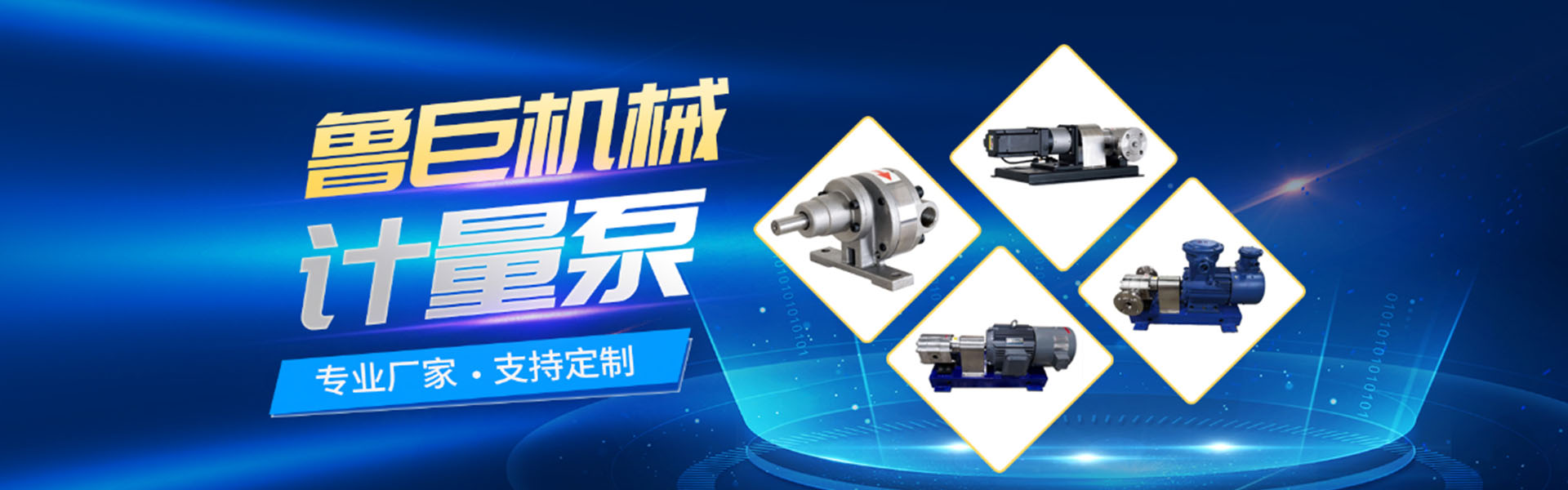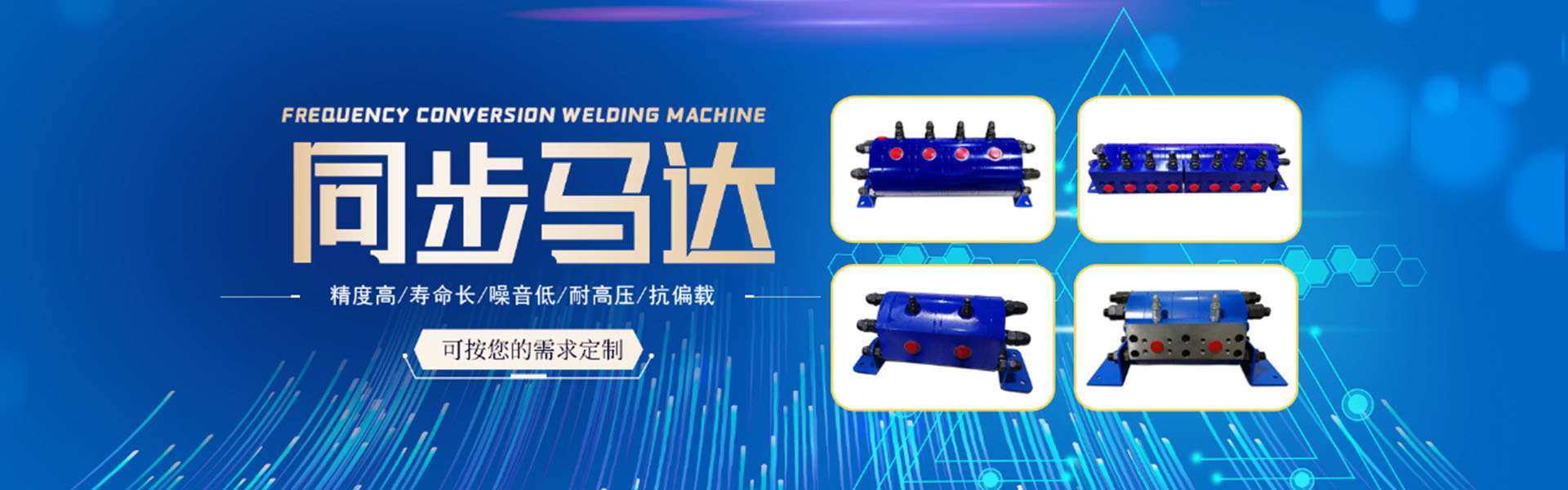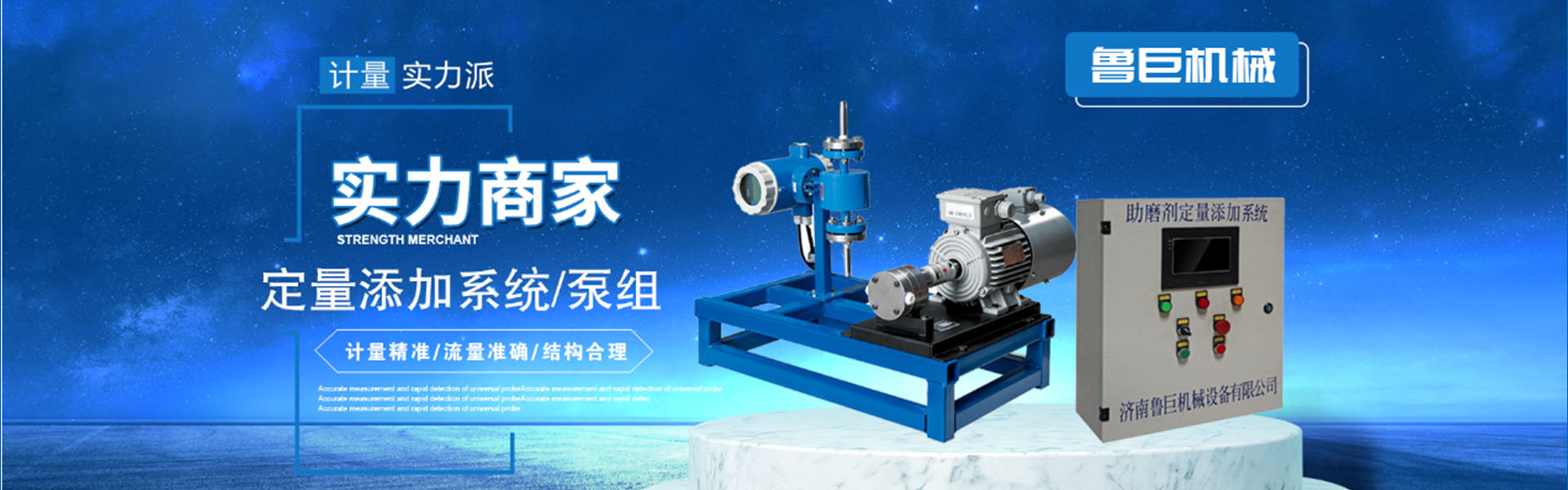
Main Products: Gear-metering pumps, high-viscosity metering pumps, corrosion-resistant metering pumps, synchronous motors, volumetric filling systems, etc.
15866686400


Product Recommendation

Synchronous Motor Manufacturer - High Precision, Long Life, Hydraulic Synchronous Dividing Motor - Luju Machinery

High-viscosity metering pump - Stable performance, corrosion-resistant, high-precision wholesale - Luju Machinery

Corrosion-resistant metering pump, sewage treatment electromagnetic dosing pump, good sealing, easy installation, Luju
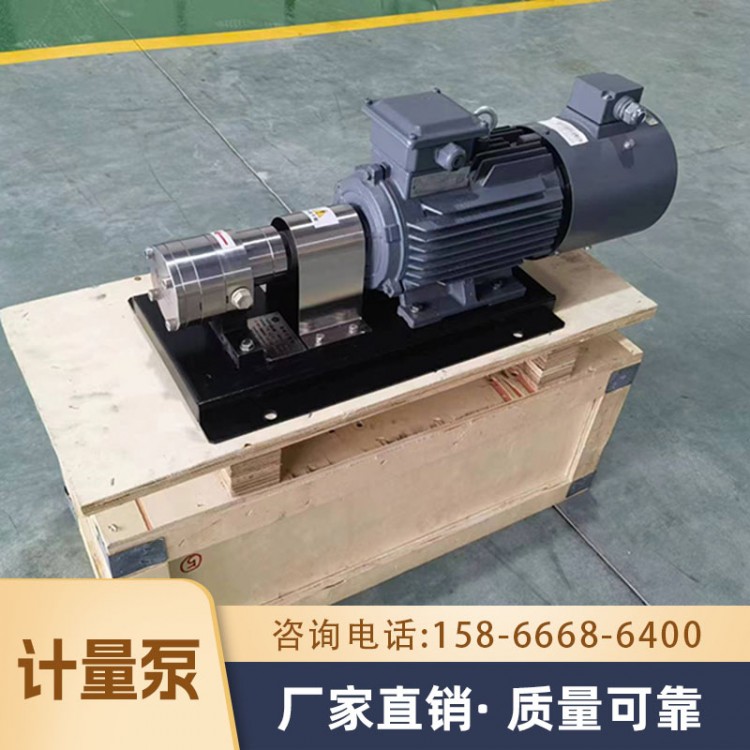
Stainless Steel Magnetic Drive Pump - Corrosion-Resistant Metering Pump, Safe and Durable - Luju Machinery
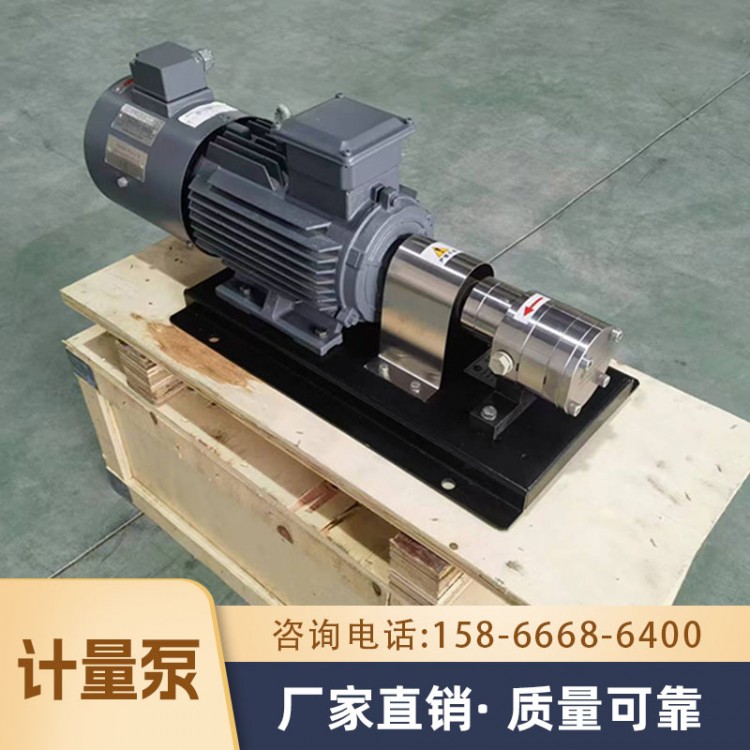
High-viscosity metering pump, corrosion-resistant material, wastewater treatment electromagnetic dosing pump, good sealing, Luju
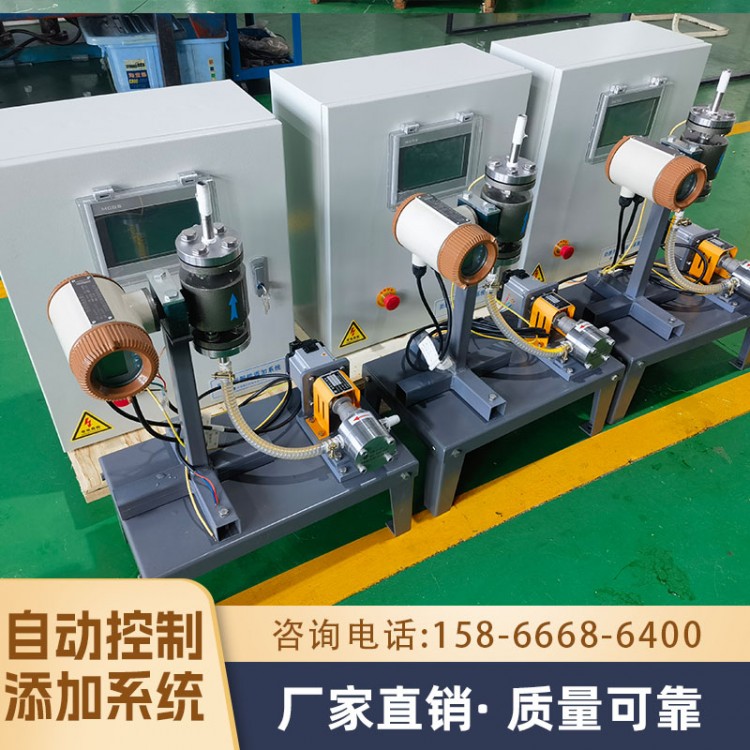
Lujue Machinery Automatic Control Addition System Automatic Proportioning Medication Device
For various distillation applications currently in use, the selection of materials for vacuum discharge gear pumps has become a very common choice. The material of the high vacuum discharge pump itself must also be selected based on the requirements of different scenarios or the product positioning. Moreover, the material of the vacuum discharge gear pump itself is divided into many parts, such as the pump body, gears, shaft, bearings, mechanical seals, and the materials of these components. All these need to be selected according to different application scenarios. Therefore, to determine the most suitable material, or to select the necessary tools and materials throughout the process.
Actually, when it comes to the material of the overflow components of different vacuum discharge pumps, the primary consideration is the application in which it is used. Many applications involve chemical industries, so certain metals may affect the entire process. Therefore, it's essential to first understand the product's positioning and characteristics, or identify any taboos during use. Factors like potential reactions from metals must also be considered, as all these influence the final material selection.
Additionally, there are some environments with special temperature conditions, such as high-temperature scenarios. The housing and internal flow components of the vacuum discharge gear pump must be able to withstand high temperatures. If they cannot operate under high temperatures or undergo any deformation, it will affect the overall operation of the equipment. Therefore, this information needs to be understood thoroughly, and a clear understanding of the product itself is essential.
Vacuum Discharge Gear Pump Component Repair
1. Vacuum Discharge Gear Pump Tooth Profile Repair
Scrape off any areas that are stretched or have been worn into multiple edges with fine sandpaper or an oil stone. Then, rotate the gear mating surfaces and properly align them; finally, clean them thoroughly. Replace any heavily worn parts that can be visibly observed by the naked eye.
2. End Face Repair
The gear end face of the high vacuum discharge pump wears against the bearing housing or the front and rear covers due to relative rotation. When burrs appear, they can be ground down and polished using abrasive methods. In cases of severe wear, the gear can be repaired on a flat grinding machine. It is crucial to note that both gears must be processed simultaneously on the flat grinding machine; and both the perpendicularity of the end face to the bore and the parallelism of the two end faces must be within 5μm. Additionally, the sharp edges should be rounded off with an oilstone.
Section 3: Wear on the Gear Meshing Surface of the Vacuum Discharge Pump
The burrs caused by wear should be removed; at the same time, the meshing direction of the gears should be adjusted, using the original non-meshing tooth surface for meshing work, which ensures its original working performance.
4. Main shaft failure
Wear primarily occurs at the contact points with roller needle bearings. If the wear is minor, polishing can be used for repair (along with replacing new roller needle bearings); for severe wear or breakage, chrome plating or re-machining is required.
5. Pump Housing Wear
Primarily, the wear occurs on the side of the pump housing that contacts the circular gear interface, and it's more common on the suction side. If the pump housing is symmetrical, simply flip the housing 180 degrees before use; however, if it's asymmetrical, repair the worn areas of the housing cavity using electroplated bronze alloy or brush electroplating techniques.
6. The wear on bearing bushes typically occurs on the end face where it contacts the gears and on the inner bore where it contacts the roller pins.
When encountering end face wear or burring, place four bearing bushes on a planer grinding machine, and grind the burring end face flat using the side not in contact with the gears as the reference. The precision should be ensured within a 10μm range. Generally, bearing bushes have minimal wear, but if severe wear is present, they can be lapped; or the bore diameter can be appropriately increased and new roller pins selected; or the bearing bushes can be replaced.
Contact us

Service Hotline
15866686400
Company Telephone
15866686400

Address
No Chinese content provided.
b2b.china9.net © Zhongshang 114 Hebei Network Technology Co., Ltd.Address: Room 6009, Oriental New World Center, No.118 East Zhongshan Road, Qiaoxi District, Shijiazhuang City, Hebei ProvincePlatform Service Hotline: 4006299930