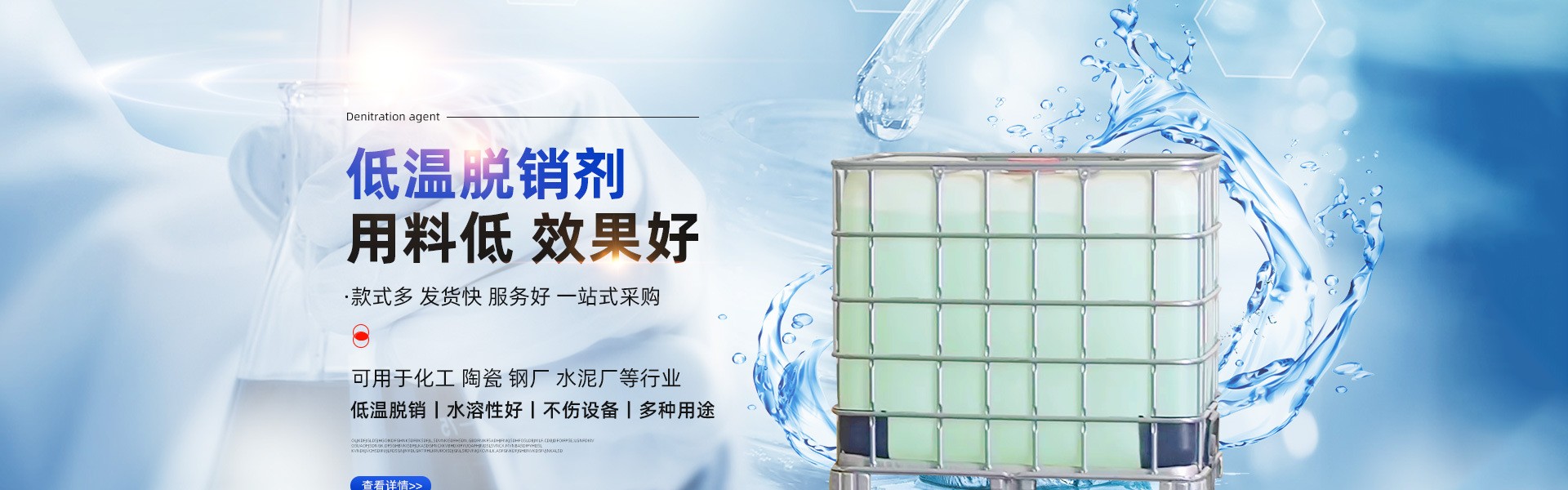
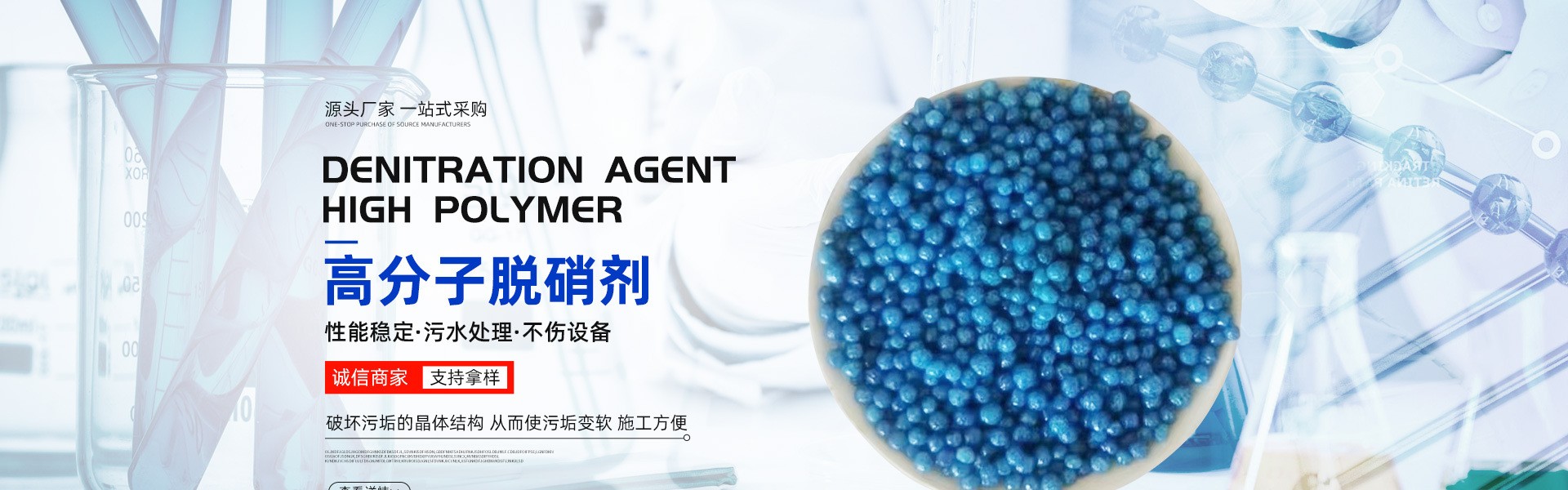
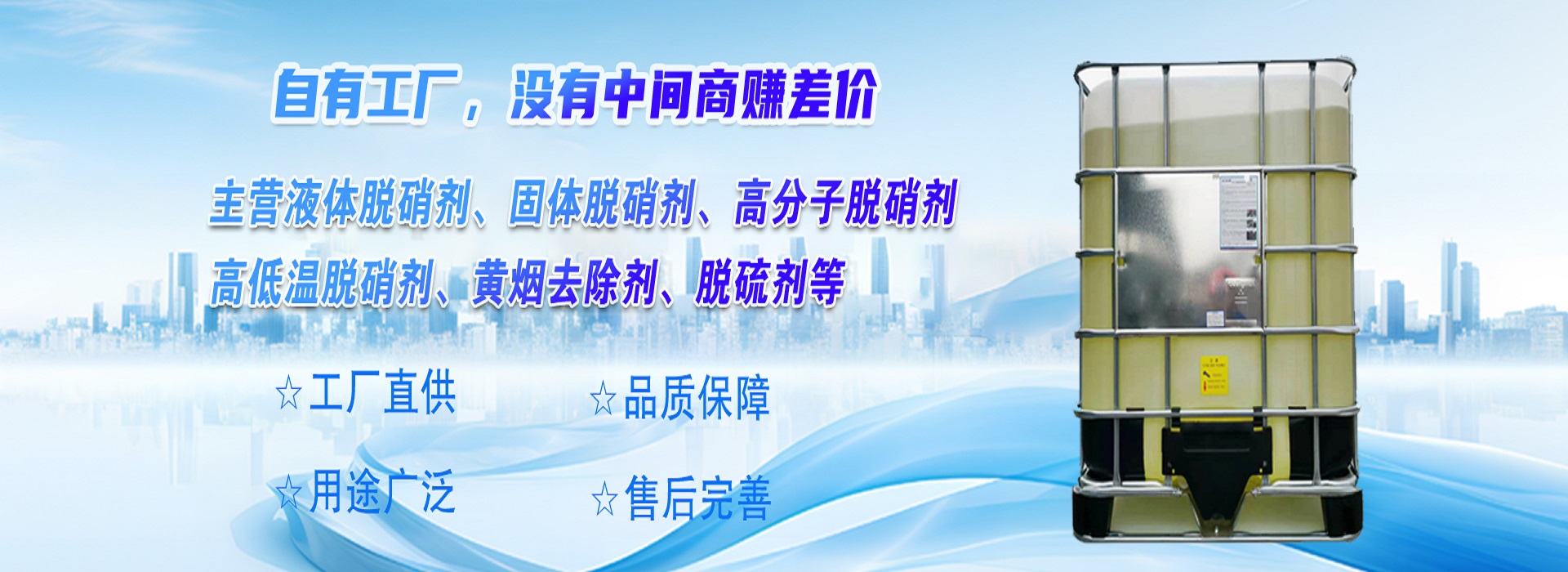
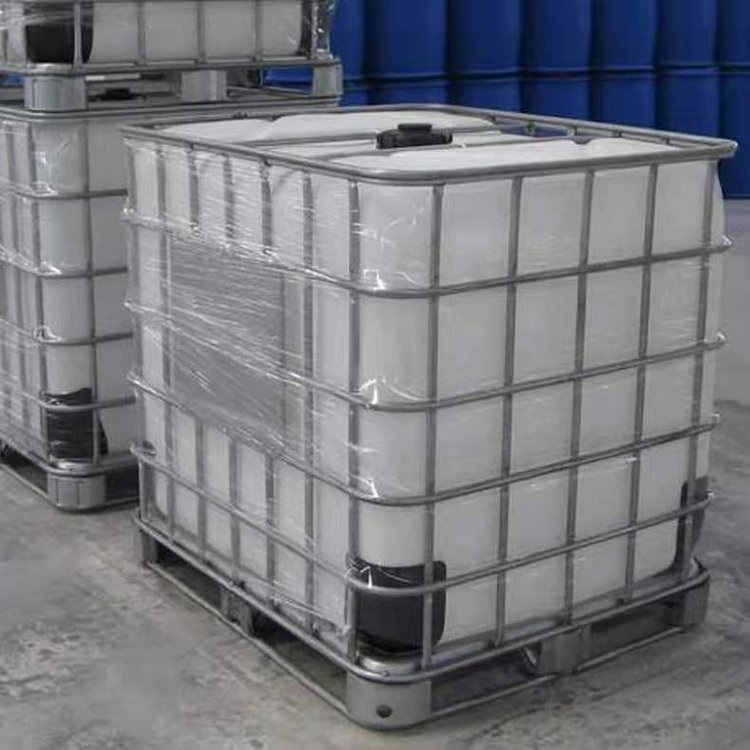
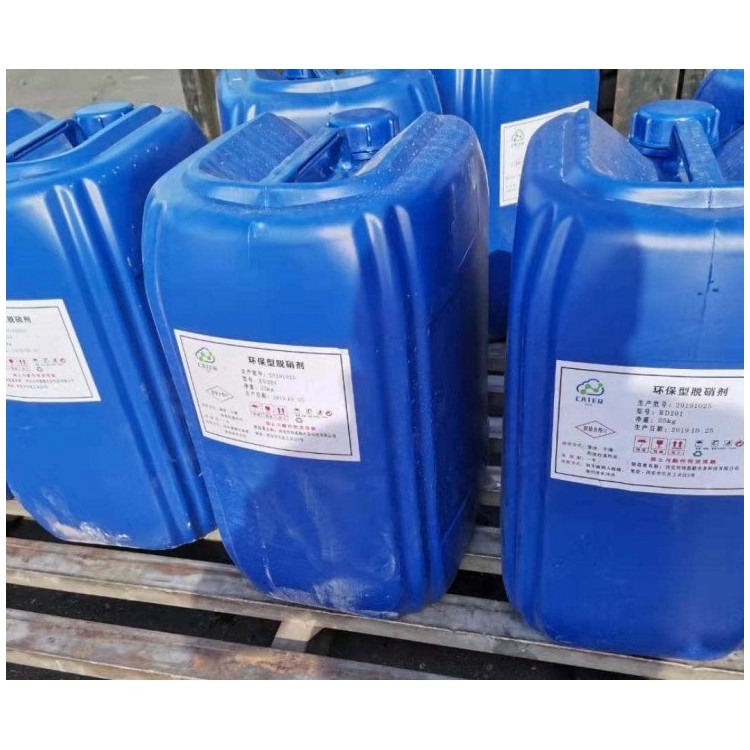
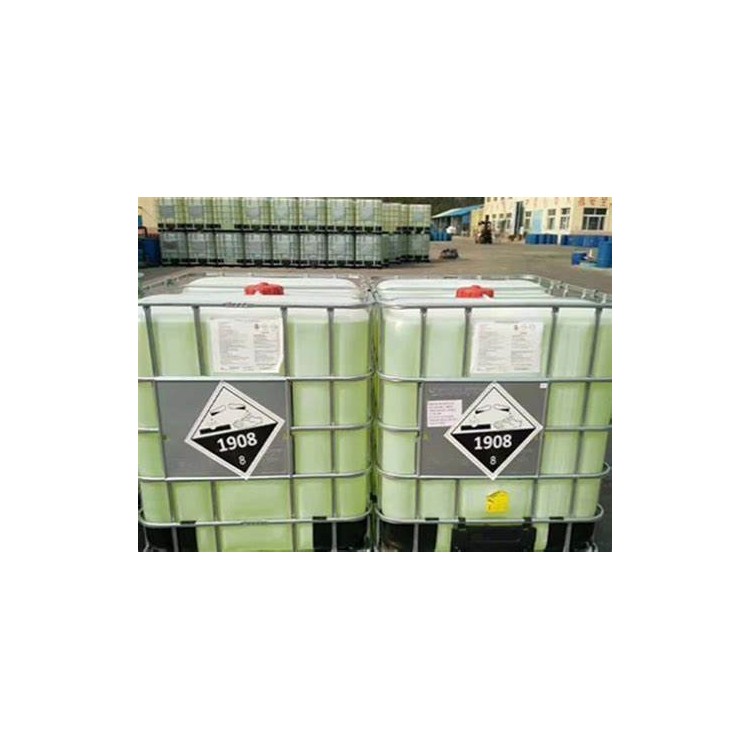
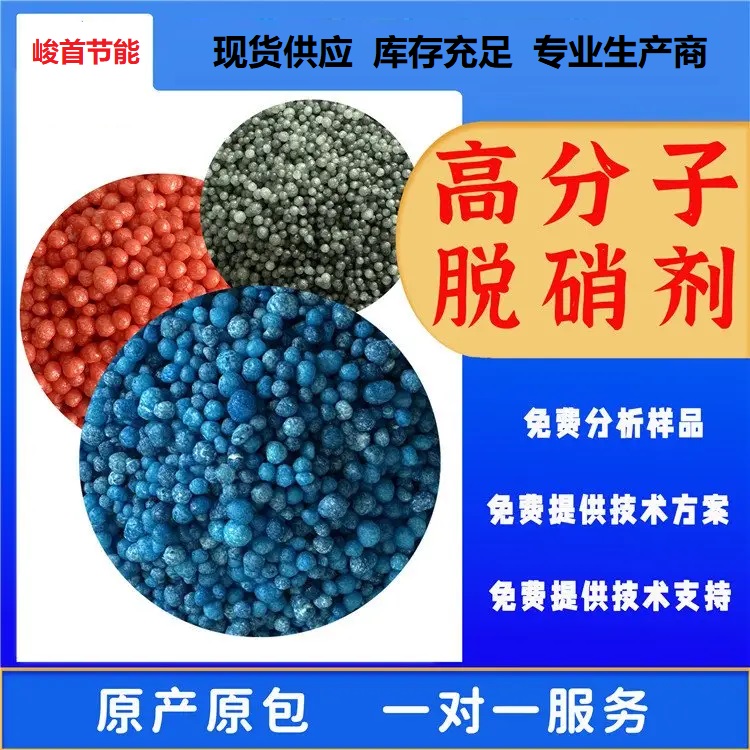
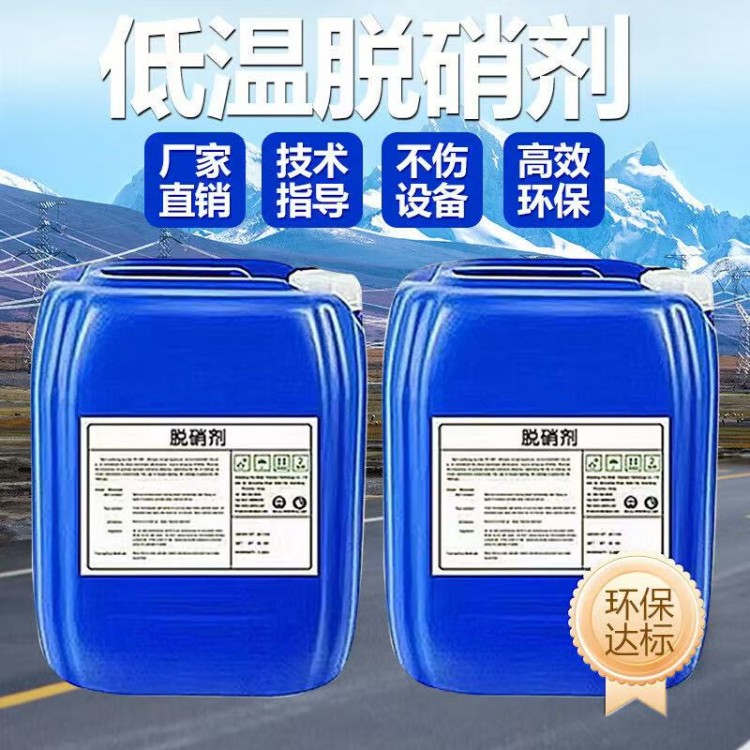
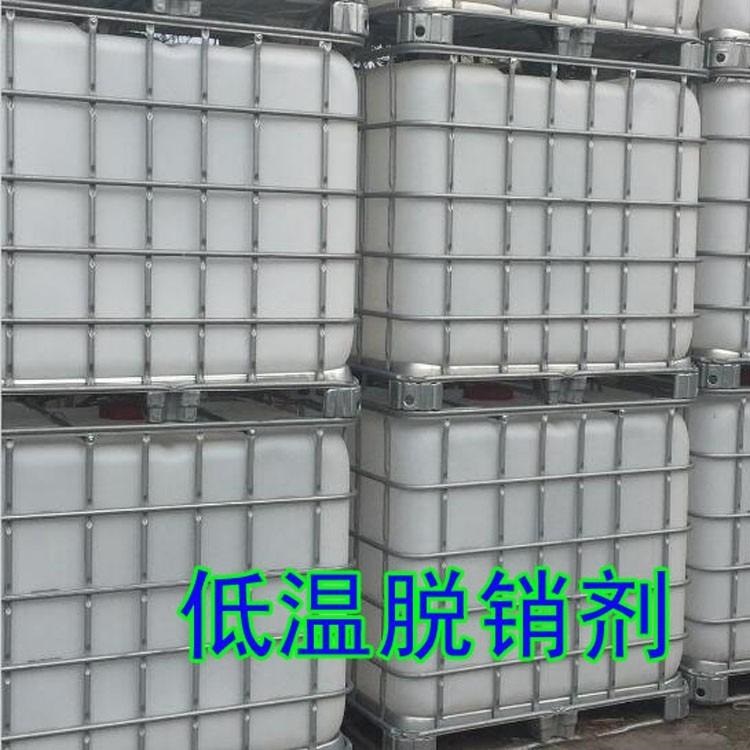
Denitrification Agent, High Molecular Weight Denitrification Agent, Low Temperature Denitrification Agent, Manufacturer Direct, Sufficient Stock, Stable Performance, Energy-Saving and Environmentally Friendly
13473669355
Polymer Denitrification Agents, also known as Polymer NOx Removal Agents, are chemical substances or catalytic materials used to remove nitrogen oxides (NOx) from industrial flue gases and exhaust. Their core feature is the use of polymer materials as carriers, reductants, or adsorbents to enhance denitrification efficiency, adapt to special operating conditions, or reduce secondary pollution. Their main applications cover the following fields:
Industrial Flue Gas Denitrification (Primary Application)
Coal-fired power plants, steel mills, cement factories:
Our technology efficiently removes NOx at low (80-300℃) or medium temperatures, particularly suitable for flue gases at medium and low temperatures where traditional vanadium-based catalysts cannot be used, for SCR (Selective Catalytic Reduction) or SNCR (Selective Non-Catalytic Reduction) systems.
Waste Incinerators, Biomass Boilers:
High polymer carrier catalysts can resist sulfur poisoning when treating flue gases containing complex components such as high sulfur and high moisture content (e.g., polyben an loaded with MnO₂).
Chemical Industry, Glass Furnaces:
For intermittent emissions or fluctuating temperature conditions, high molecular weight reducing agents (such as urea-formaldehyde polymer) can slowly release ammonia, reducing ammonia escape.
2. Mobile Source Emission Control
Diesel Vehicles and Marine Engines
Some high molecular adsorbents (such as ion exchange resins) can be used for temporary adsorption of NOx in low-temperature exhaust gases, in conjunction with SCR systems to achieve ultra-low emissions.
Non-road machinery (excavators, generators):
Lightweight polymeric catalysts (such as carbon fiber-loaded catalysts) replace traditional honeycomb ceramics, reducing weight.
3. NOx Control for Special Environments
Lab & Electronics Industry:
Treating low-concentration NOx emissions from semiconductor manufacturing and pickling processes with high molecular adsorbents (such as MOFs materials) to achieve precise purification.
Confined Spaces (tunnels, underground parking garages)
High molecular weight oxidizing agents, such as persulfate polymers, can directly decompose NOx without the need for complex equipment.
4. Collaborative Pollutant Control
Simultaneous desulfurization and denitrification (integrated):
Some high polymer materials (such as polyethylenimine PEI) can both adsorb SO₂ and catalytically reduce NOx, making them suitable for sintering flue gas in the steel industry.
VOCs and NOx Co-removal:
Some photocatalytic polymers (such as TiO₂/polymer composites) can degrade NOx and organic pollutants simultaneously under ultraviolet light.
5. Emergency Response and Distributed Pollution Control
Sudden NOx Leak Incident:
High molecular adsorbents, such as activated carbon fiber-loaded reagents, can be rapidly deployed to absorb leaked NOx.
Small Coal/Gas Appliances
No complex SCR system required; directly add liquid polymer denitrification agent (such as oxidative polymer solution).
Advantages of High-Polymer Denitrification Agent
Low-temperature Adaptability: Operates below 80°C (traditional SCR requires >300°C).
High Toxicity Resistance: High polymer carriers can shield toxic substances like As and K in smoke.
Lightweight: Over 50% lighter than ceramic catalysts, suitable for mobile sources.
Controllable Release: High molecular weight reductant delays ammonia release, enhancing utilization efficiency.
Contact us

Service Hotline
18610365471
Company Telephone
13473669355

Address
Hebei Province, Langfang City, Dagang County, Liugezhuang Town, Dawan Village
b2b.china9.net © Zhongshang 114 Hebei Network Technology Co., Ltd.Address: Room 6009, Oriental New World Center, No.118 East Zhongshan Road, Qiaoxi District, Shijiazhuang City, Hebei ProvincePlatform Service Hotline: 4006299930