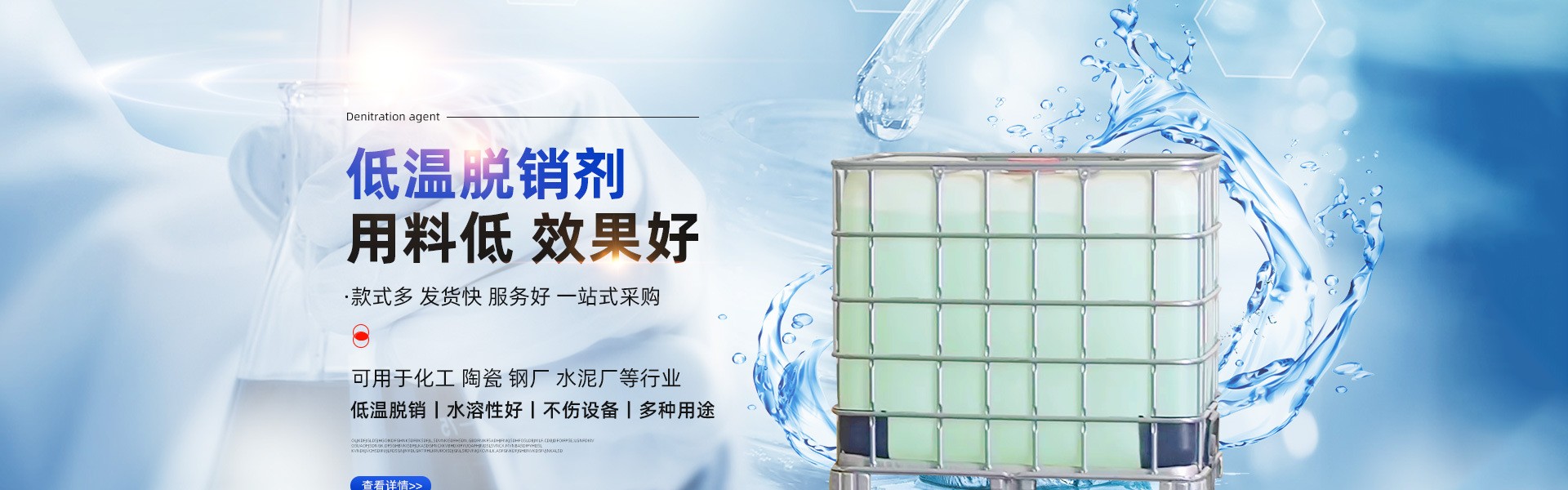
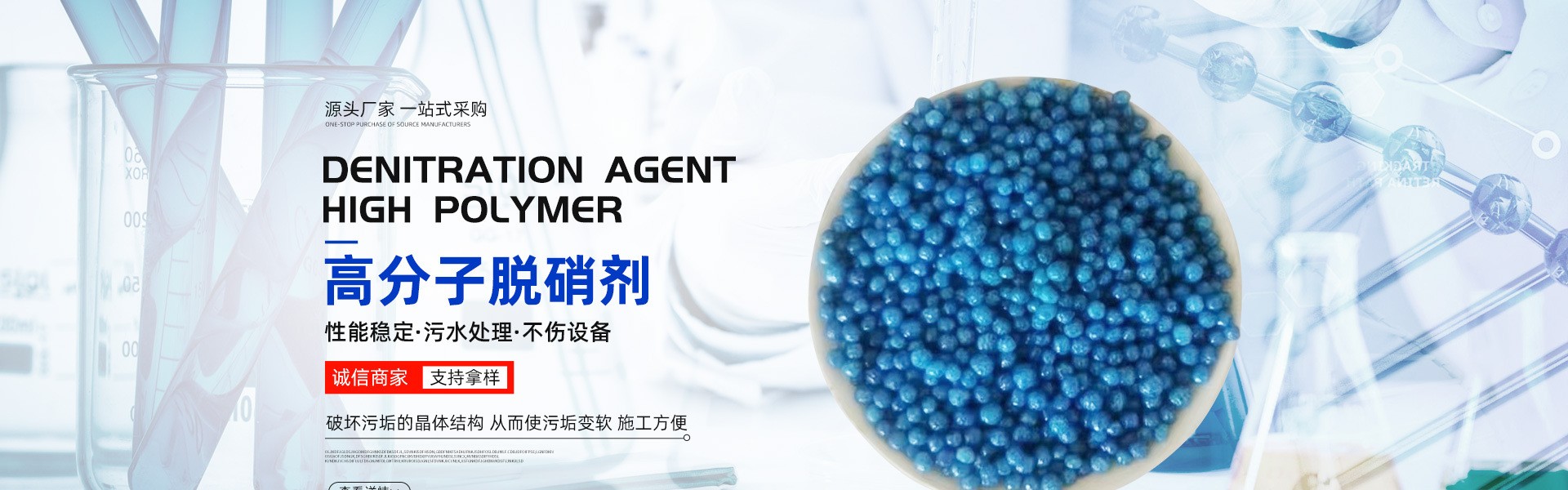
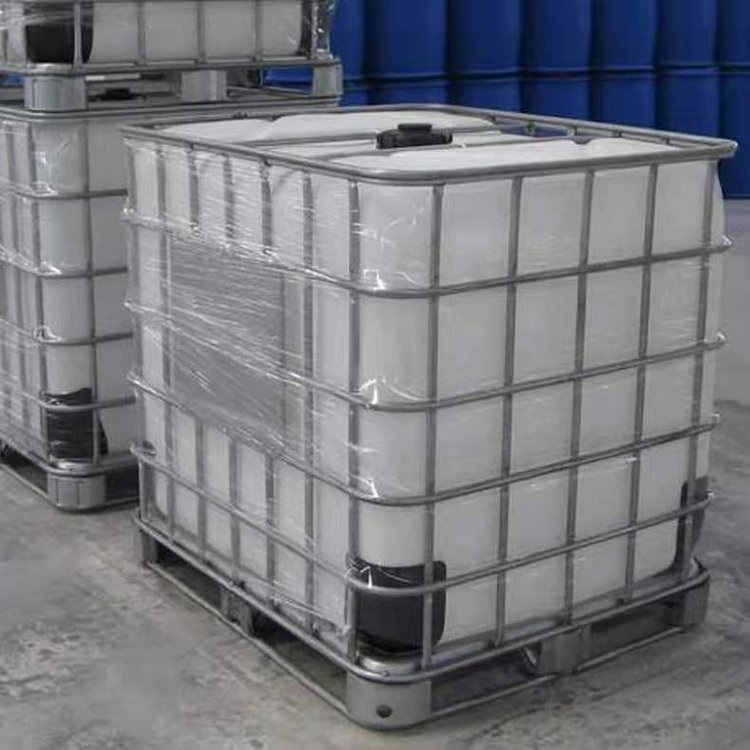
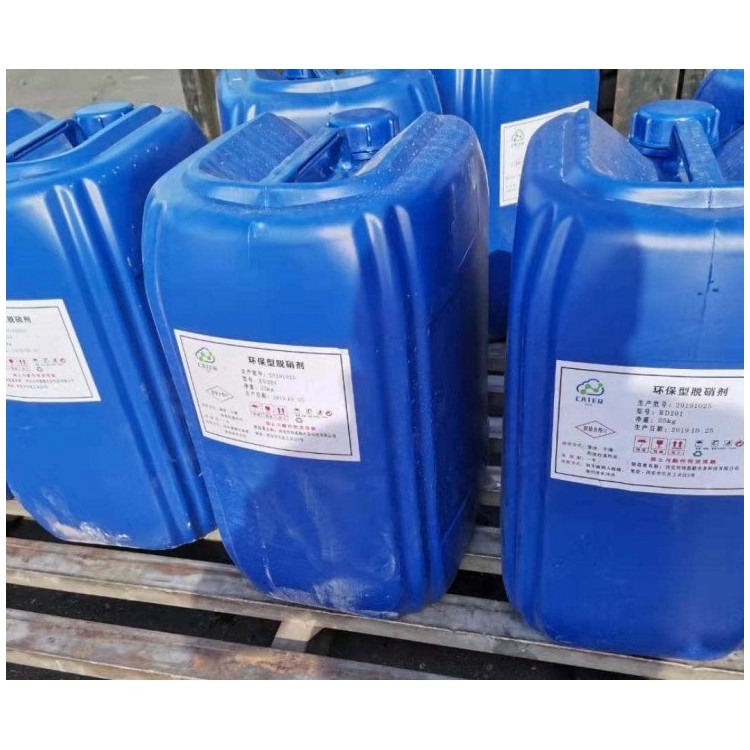
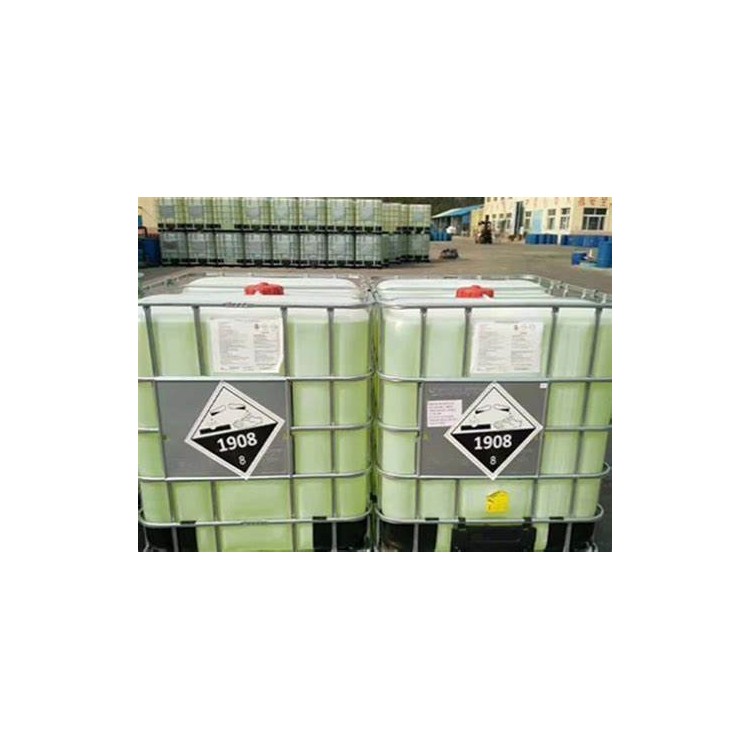
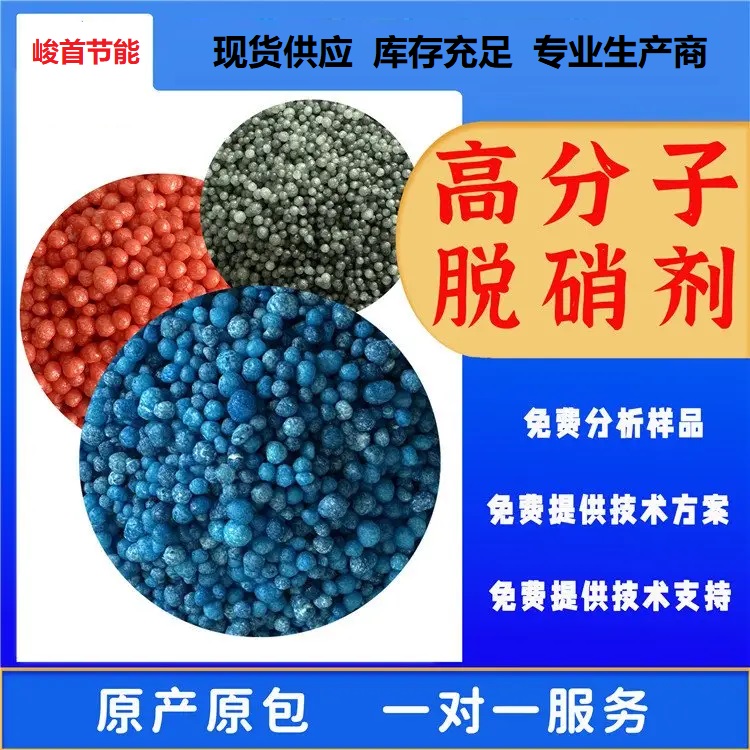
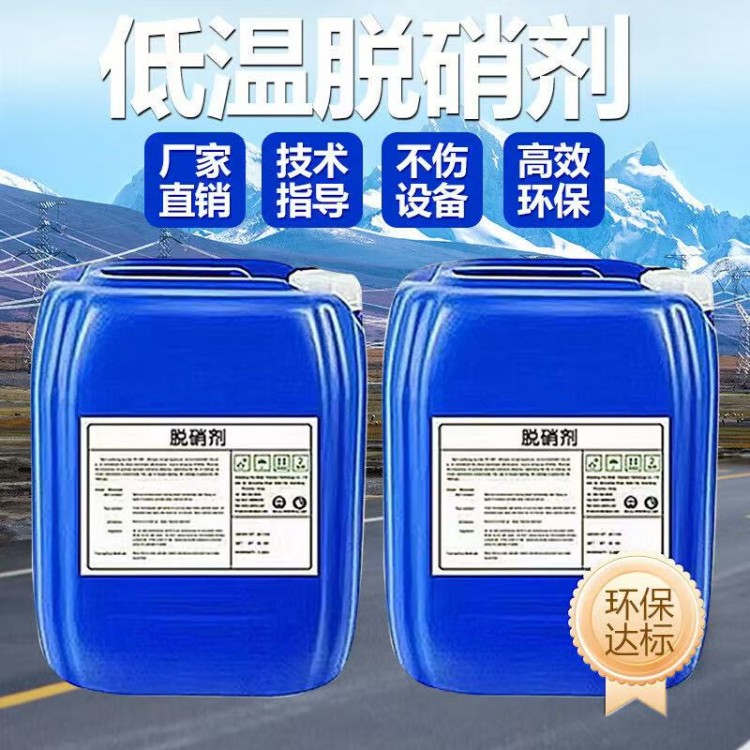
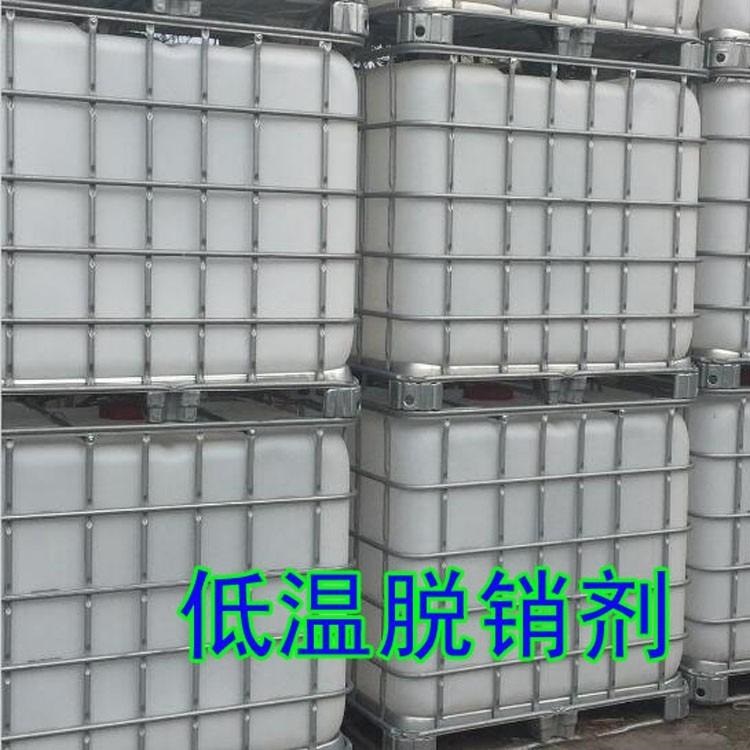
Denitrification Agent, High Molecular Weight Denitrification Agent, Low Temperature Denitrification Agent, Manufacturer Direct, Sufficient Stock, Stable Performance, Energy-Saving and Environmentally Friendly
13473669355
When selecting a polymer denitrification agent (typically referring to polymer materials used for industrial flue gas denitrification, such as polymer carrier catalysts, polymer reductants, or adsorbents), it is necessary to consider factors such as denitrification efficiency, applicability, cost-effectiveness, and environmental friendliness. The following are key selection factors and steps:
1. Clarify Denitrification Requirements
NOx Concentration: Low concentration (<200 mg/m³) or high concentration (>500 mg/m³).
Flue Gas Temperature:
Low-Temperature Type (80-180℃): Such as high polymer-supported catalysts (e.g., MnOx/polymer).
Mid-to-high temperature type (180-400℃): Ceramic-based SCR catalyst.
Sulfur content (SO₂), moisture (H₂O), dust levels, etc. (affecting catalyst lifespan).
2. High Molecular Nitrogen Oxide Remover Types and Selection Criteria
Polymer Carrier Catalyst
When selecting a polymeric denitrification agent (typically referring to polymeric materials used for industrial flue gas denitrification, such as polymeric carrier catalysts, polymeric reductants, or adsorbents), it is essential to consider factors such as denitrification efficiency, applicability, cost-effectiveness, and environmental friendliness. Below are the key selection criteria and steps:
Identify denitrification requirements
NOx concentration: Low concentration (<200 mg/m³) or high concentration (>500 mg/m³).
Flue Gas Temperature:
Low Temperature Type (80-180°C): High molecular weight loaded catalysts (such as MnOx/polymers).
Mid-to-high temperature type (180-400℃): Ceramic-based SCR catalyst.
Flue Gas Composition: Contains sulfur (SO₂), moisture (H₂O), dust content, etc. (affecting catalyst lifespan).
2. Types of High Molecular Denitrification Agents and Selection Criteria
Polymer Supported Catalyst
Features: Load active components (such as V₂O₅, MnO₂) onto high polymer materials (such as polybenzene, polybiphenyl), offering both catalytic activity and flexibility.
Applicable Scenario:
Low-temperature flue gas denitrification (such as chemical and food factory boilers).
Scenarios sensitive to weight (high polymer is lighter than traditional ceramic carriers).
Select Key Points:
Active Components: Mn-based (high reactivity at low temperatures), V-based (strong sulfur resistance).
Carrier Stability: Temperature resistance (e.g., polyimide can withstand up to 300℃), acid resistance (SO₂ corrosion).
(2) Polymeric Reducing Agent
Features: Urea-formaldehyde polymer, polyethylenimine (PEI), slowly releasing NH₃ for denitrification.
Applicable Scenario:
Substituting anshui/urea in SNCR process (reducing ammonia escape).
Intermittent furnace with inaccurate temperature control.
Select Key Points:
Decomposition Temperature: Must match flue gas temperature (e.g., PEI decomposes at 200-400°C).
Nitrogen Content: The higher the content, the greater the reduction efficiency (urea polymer has a nitrogen content of approximately 40%).
Polymer Adsorbent
Features: Ion exchange resins, MOFs materials, capable of adsorbing NOx for regeneration or direct conversion.
Applicable Scenario:
Ultra-low emissions requirements (such as exhaust from electronics factories and laboratories).
Intermittent Emission Sources.
Select Key Points:
Adsorption capacity (e.g., mmol NOx/g adsorbent).
Regeneration: Thermal regeneration (>150℃) or chemical cleaning regeneration.
3. Key Performance Indicator Comparison
Index high polymer catalyst, high polymer reductant, high polymer adsorbent
Temperature Range: 80-300℃ / 200-500℃ / Room Temperature / -150℃
NOx removal efficiency: 70-95%, 50-80%, 60-90%
Moderate sulfur resistance (requires modification), high (unaffected by SO₂), low (easily poisoned by SO₂)
High cost (¥500-2000/kg), moderate cost (¥100-500/kg), high cost (¥1000-5000/kg)
2-5 years lifespan, single-use, recyclable (10-50 times)
4. Selection Steps
Flue Gas Analysis: Testing for temperature, NOx concentration, SO₂, and oxygen content, etc.
Process Matching:
SCR process → Selecting high polymer catalysts.
SNCR/Mixed Process → Select high molecular weight reductant.
Refine → Select Adsorbent.
Small-scale trials verify denitrification efficiency through laboratory or pilot plant verification (such as testing under simulated flue gas conditions).
Economic Evaluation: Integrating initial investment and operational costs (such as regeneration frequency and chemical consumption).
5. Cautionary Notes
Toxic Resistance: For smoke containing heavy metals (As, Pb) or alkali metals (K, Na), a tolerant-to-toxicity formula (such as TiO₂-coated polymer catalyst) is required.
Environmental friendliness: Avoid the use of chlorinated polymers (such as PVC-based).
Supplier Qualification: Prioritize suppliers with engineering case studies, requiring the submission of third-party inspection reports (e.g., ISO 17025 certification).
Contact us

Service Hotline
18610365471
Company Telephone
13473669355

Address
Hebei Province, Langfang City, Dagang County, Liugezhuang Town, Dawan Village
b2b.china9.net © Zhongshang 114 Hebei Network Technology Co., Ltd.Address: Room 6009, Oriental New World Center, No.118 East Zhongshan Road, Qiaoxi District, Shijiazhuang City, Hebei ProvincePlatform Service Hotline: 4006299930