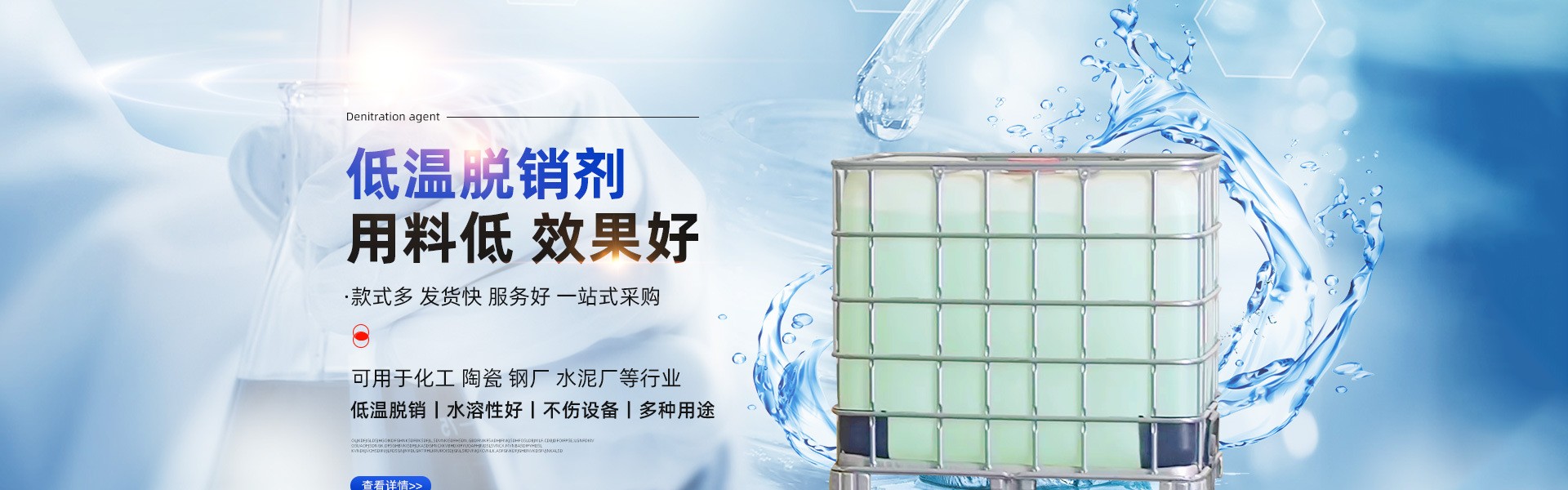
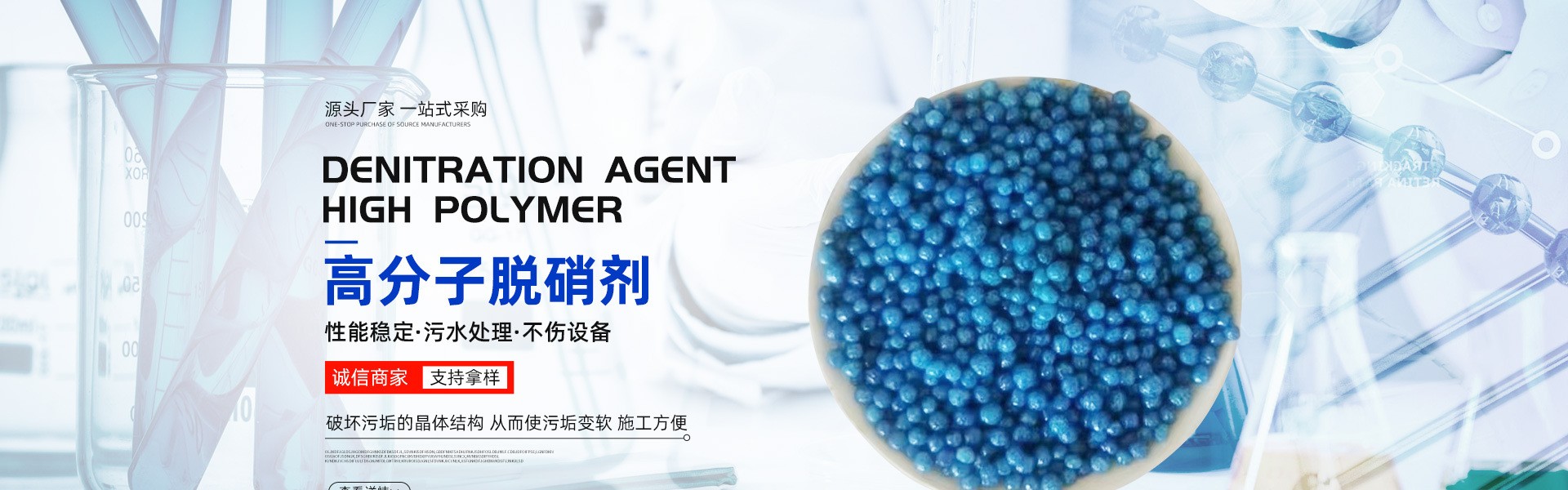
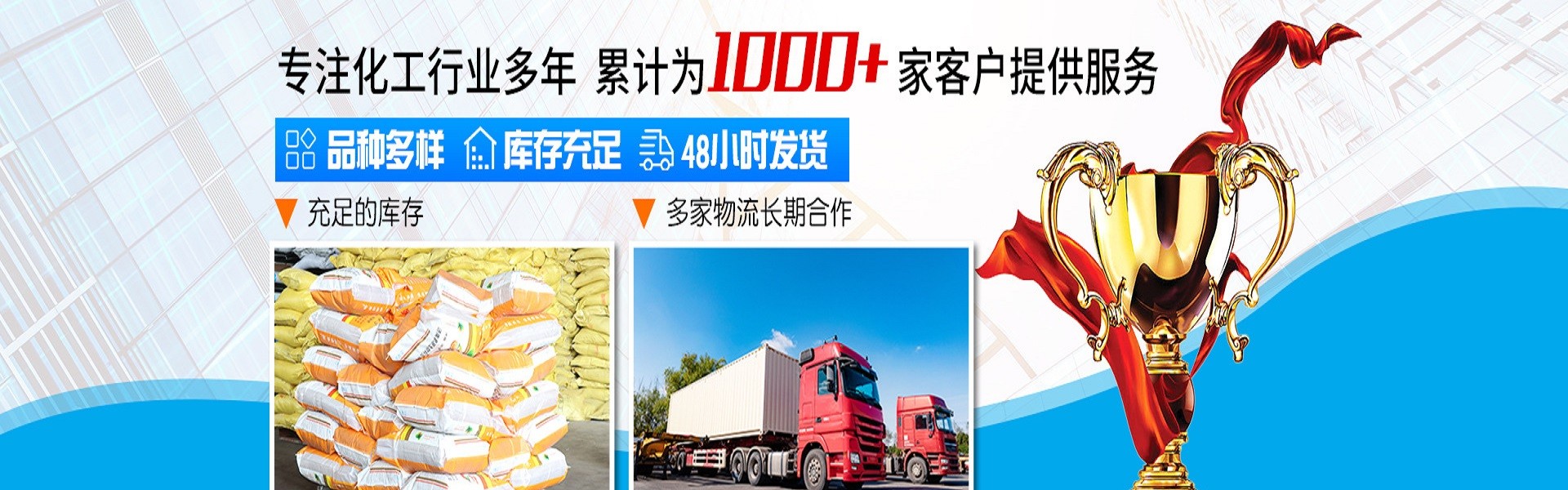
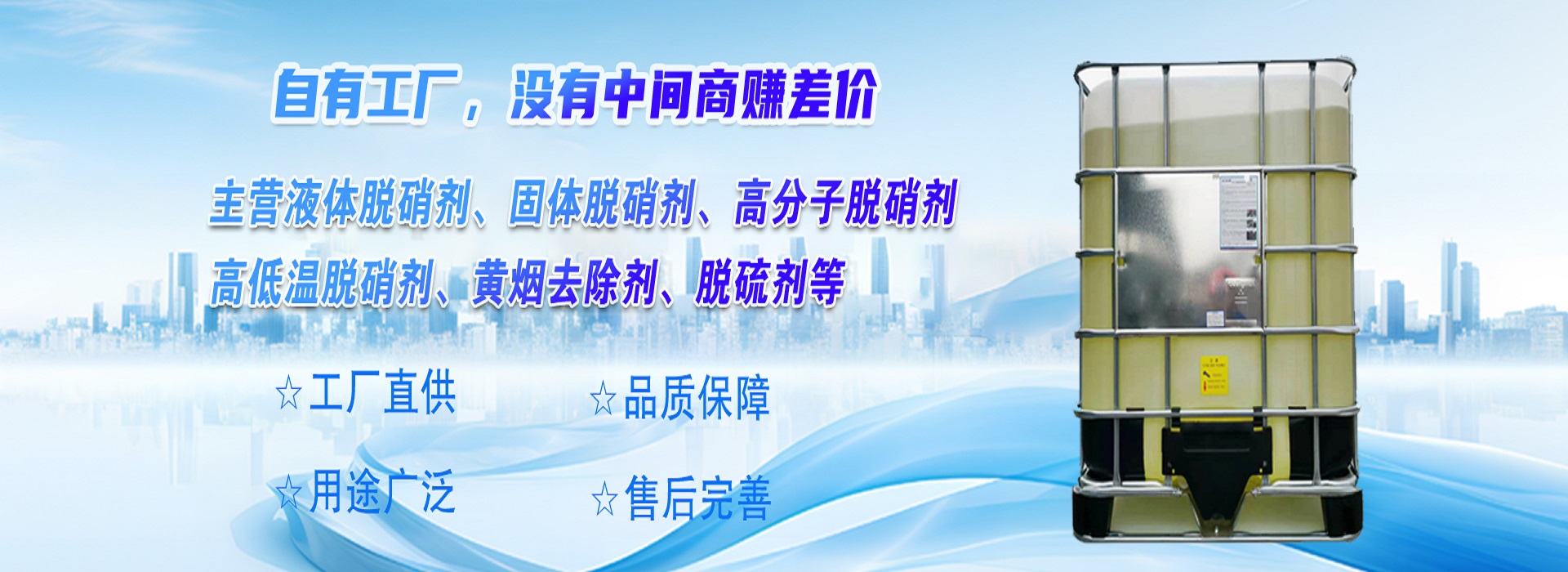
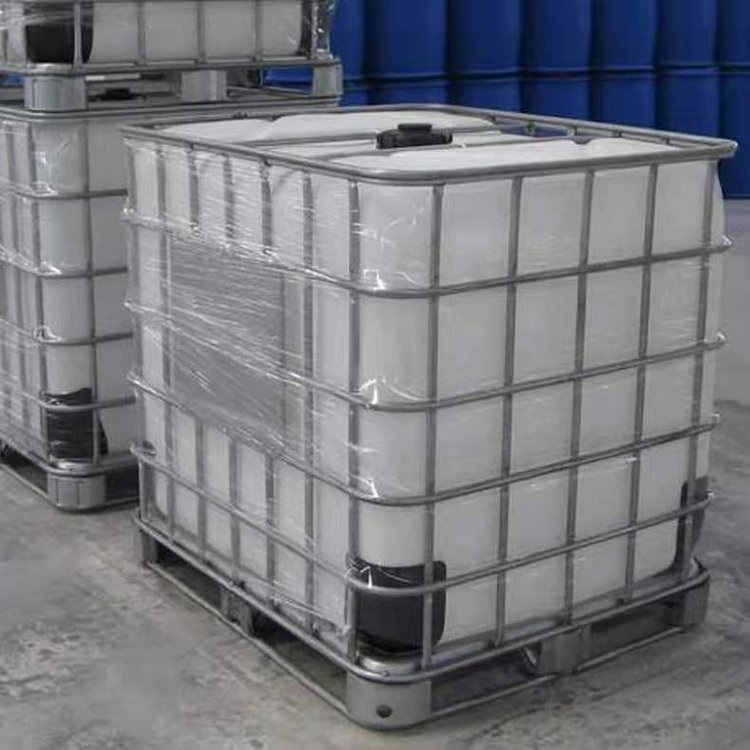
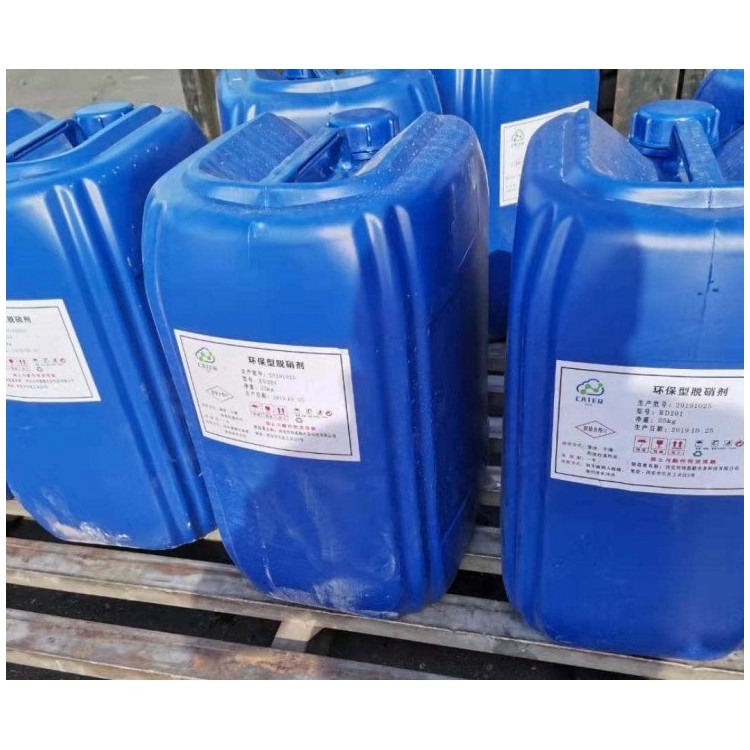
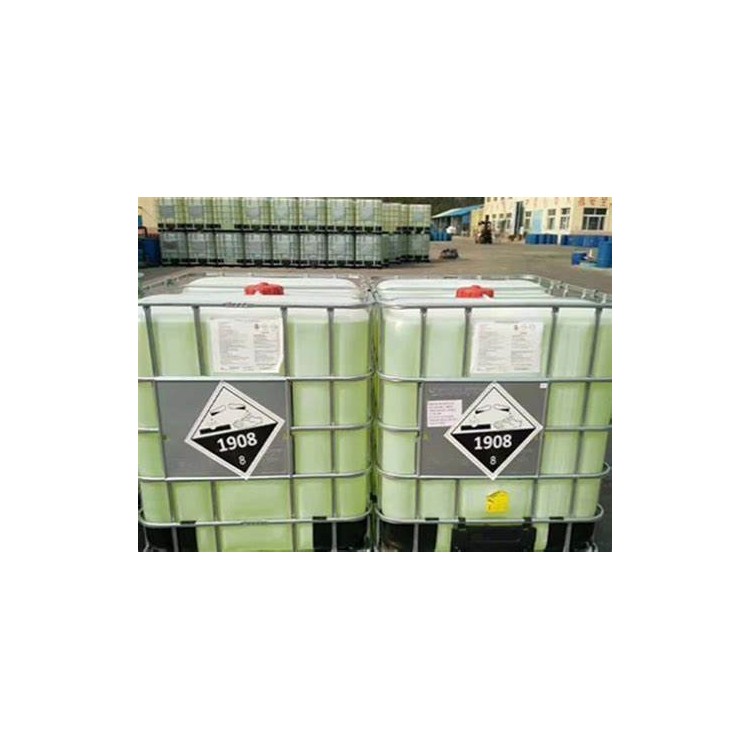
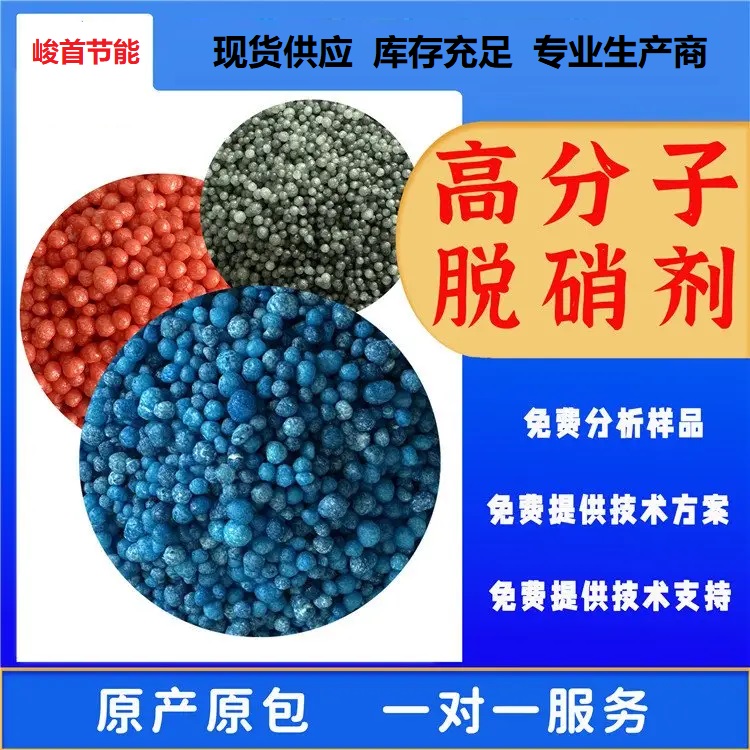
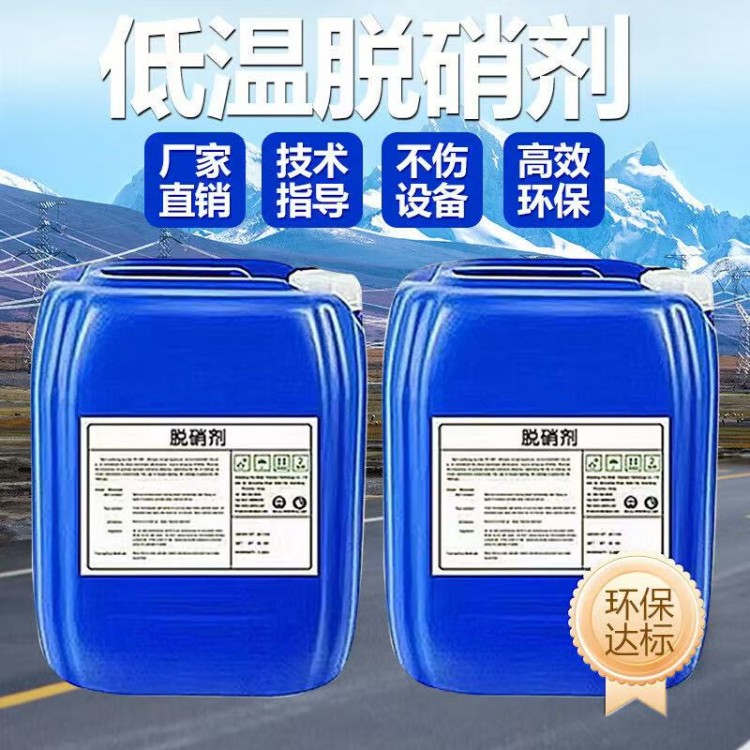
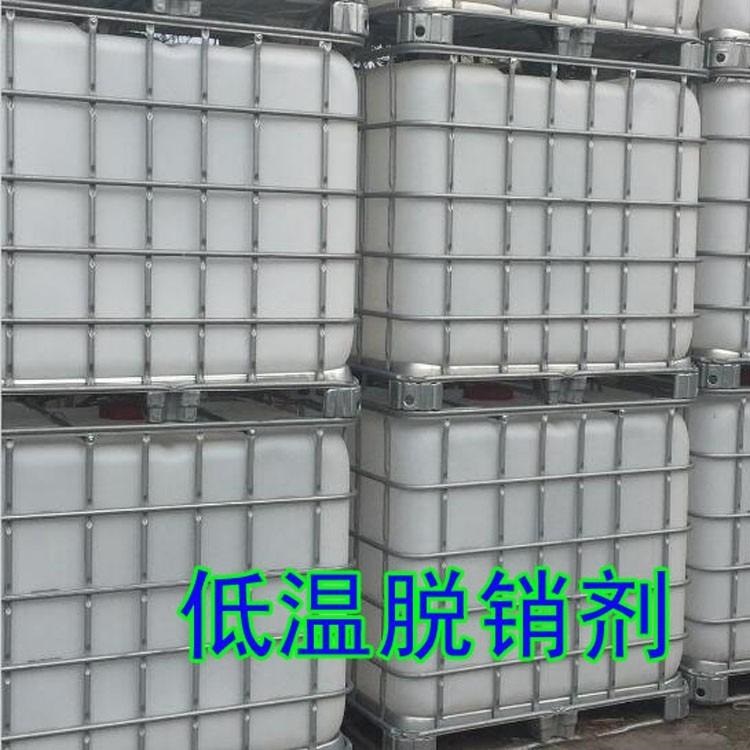
Denitrification Agent, High Molecular Weight Denitrification Agent, Low Temperature Denitrification Agent, Manufacturer Direct, Sufficient Stock, Stable Performance, Energy-Saving and Environmentally Friendly
13473669355
The usage of low-temperature denitrification agents (commonly used in flue gas denitrification, such as SCR/SNCR technologies) should be adjusted according to specific processes and formulations. The following is a general operational guide:
Applicable scenarios
Temperature Range: Suitable for medium and low-temperature flue gas denitrification (e.g., 180-300℃), commonly found in industrial boilers, glass furnace, waste incineration, and other low-temperature flue gas environments.
Reaction Types: Selective Catalytic Reduction (SCR) or Non-Catalytic Reduction (SNCR).
2. Usage Instructions
SCR Denitrification Agent (Catalyst Type)
Filling Method:
The catalyst module was installed into the reactor according to the design specifications, ensuring uniform air distribution.
Low-temperature catalysts (such as vanadium and manganese series) should be avoided from high-temperature sintering.
Reagent Matching:
Typically used in conjunction with an aqueous ammonia solution (NH₃·H₂O) or urea solution (CO(NH₂)₂), the molar ratio of ammonia nitrogen is generally maintained between 0.8 and 1.2.
Operation Parameters:
GHSV: 3000-5000 h⁻¹ (adjustable based on catalyst activity)
Temperature Window: Strictly controlled within the catalyst activity range (e.g., 180-250°C).
(2) SNCR Denitrification Agent (Liquid Reducing Agent)
Jet System:
Urea solution or anshui is sprayed into the flue gas through an atomizing nozzle (the temperature window typically ranges from 900-1100°C, but for low-temperature type modifiers, it can be reduced to 600-800°C).
Ensure optimal atomization effects and uniform mixing with smoke.
Dose Control:
Based on dynamic adjustment of NOx concentration, excessive levels can lead to ammonia escape.
Composite Low-Temperature Denitrification Agent (Direct Addition Type)
Some liquid denitrification agents (such as composite formulas of oxidants and reductants) can be directly sprayed into flue gas or pollution sources.
Dilution Ratio: Dilute according to instructions (e.g., 1:5-1:10 aqueous solution).
Injection Points: Select the turbulent region of flue gas to ensure complete reaction.
3. Important Notes
Temperature Control:
To prevent smoke temperatures from falling below the catalyst's operating temperature, otherwise it may lead to ammonium salt blockages.
Anti-Blockage:
Regularly吹灰orcleanthecatalysttopreventdust/orammoniumsaltdeposition.
Safety Protection:
Urea storage requires leak prevention; wear a gas mask and chemical-resistant gloves during handling.
Environmental Compliance:
Monitor ammonia emissions (typically required to be <3 ppm) and secondary pollutants (such as N₂O).
4. Maintenance and Storage
Catalyst Regeneration: Regular acid wash or thermal regeneration to restore activity.
Storage Conditions:
Keep dry and away from light. Avoid mixing with acids and alkalis (especially in liquid form).
Catalysts must be protected from moisture and mechanical damage.
5. Frequently Asked Questions Addressed
Nitrogen Oxide Removal Efficiency Decreased:
Check for catalyst poisoning (such as As, K, etc.) and ensure ammonia spray uniformity.
System Pressure Drop Increases:
Clean dust buildup or replace clogged catalyst modules.
Contact us

Service Hotline
18610365471
Company Telephone
13473669355

Address
Hebei Province, Langfang City, Dagang County, Liugezhuang Town, Dawan Village
b2b.china9.net © Zhongshang 114 Hebei Network Technology Co., Ltd.Address: Room 6009, Oriental New World Center, No.118 East Zhongshan Road, Qiaoxi District, Shijiazhuang City, Hebei ProvincePlatform Service Hotline: 4006299930