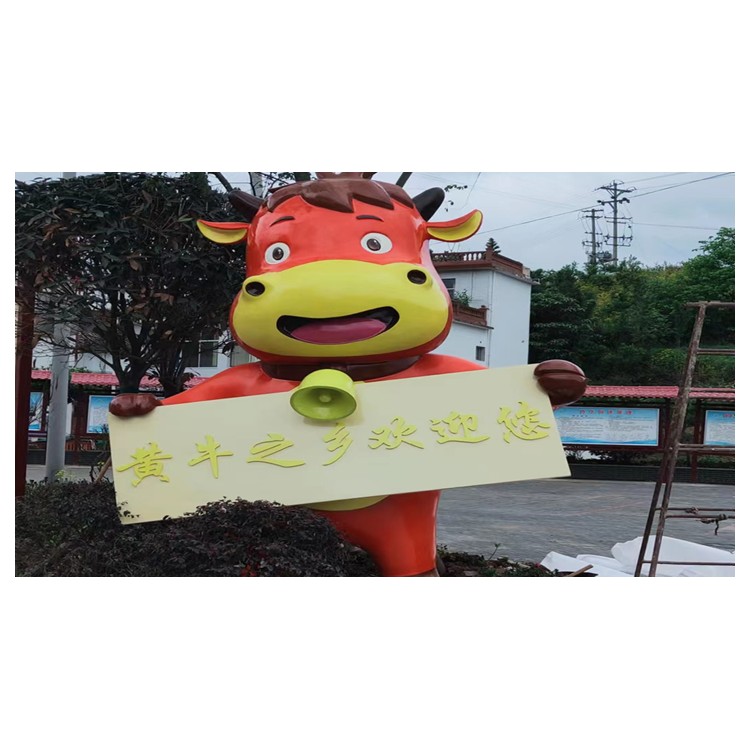
Fiberglass sculptures, fiberglass corrosion protection, fiberglass enclosures
13219000823


Product Recommendation
Typical manufacturers lack strict design standards, relying solely on hand sketches without employing computer-aided design or 3D modeling for sculpting. They hire inexpensive, temporary workers from freelance teams, resulting in insufficient knowledge of factory products. Poorly understood customer and product requirements lead to imbalances in proportions, significant discrepancies between the design and blueprints, and ultimately, substandard sculptures. Our factory has hired long-term sculptors from art academies to create sculptures according to established standards. We select the appropriate sculpting materials based on the design, such as clay, foam, wood-plastic, GRC, sponge, metal, and any other materials suitable for the product requirements.
2. Mold Manufacturing:
Traditional industry practices involve piece-by-piece and mold drawings for quick profit, without standardized product mold-making methods, leading to arbitrary and independent mold division, which results in the destruction of product details during the mold-making process and significant discrepancies between the finished product and the sculpture draft. Standard mold-making plans should be implemented, and workshops should be regulated to execute according to standards. In the early stage, the production team needs to thoroughly understand the product's parts and the client's usage and requirements.
3. Fiberglass Sculpture Production:
Selection: Small workshops use inexpensive materials and subcontracted labor, leading to products that crack, are fragile, have numerous bubbles, and lack precision in the painting process. This results in insufficient bonding between glass fibers and resin, shortening the product's lifespan. Standards are to opt for either imported or domestic materials.
4. Sculpture Achievement:
Custom metal parts, meticulously carved clay, fiberglass, fabrics, piping, leather, genuine shoes, blinds, wiring, hoses, LEDs, oxygen cylinders, male wood, transparent resin accessories, eyes, genuine zippers, industrial belts. Genuine pants, odd-shaped screws.
5. Comprehensive Materials:
Utilize every available material to craft imaginative artistic forms, daringly experiment and conceptualize, and bring each conceptual art installation to life. Materials include steel pipes, PVC pipes, iron wire, real props, wood, acrylic, fiberglass, foam, stainless steel, sponge, fabric, and more.
6. Product Internal Structure:
Traditional fiberglass workshops often lack internal reinforcement or insufficiently robust support. They do not consider the product's inherent strength and lifespan when adding internal supports. Instead, they should design a steel structure plan based on the product's usage and vulnerable areas, and provide an illustration for the workshop to follow standard construction procedures. For flat surfaces, honeycomb plywood can be used, while for irregular sections, the steel pipes should be bent, welded, and then secured internally with glass fiber.
7. Surface Sanding and Repair
(1) Inadequate sanding of the blank body, surface dirt, or insufficient thorough treatment of yellow wax lead to later separation, cracking, and peeling of the atomized putty and fiberglass products.
(2) The surface repair was not detailed enough, with insufficient time invested, resulting in an uneven surface with sand holes and even unaddressed corners. This significantly diminished the product's quality level. This process is a critical step in cost consumption, as insufficient surface repair leads to lower labor costs, while a more detailed surface treatment directly increases product costs.
(3) Primer: Shop-style methods may involve only one coat of primer, or even no primer at all. The primer should be applied and repaired two to three times, and only then can the product's details be properly checked. Body Filler: Use automotive or fiberglass body filler for repairs.
(4) Water Polishing: No factory across the nation has implemented the water polishing process, as it was not considered that the surface fine particles would decrease after water polishing, resulting in a smoother surface when applying paint. This also facilitates detailed inspection by quality control during the later stages.
(5) Once everything is in place, pass the quality inspection.
Inspection must be passed before entering the paint workshop.
8. Surface Paint:
(1) Paint Selection: Most factories use furniture paint and PU paint, falsely claiming indoor and outdoor paints as automotive paint. However, they fail the test of time: colors fade, whites turn yellow, paint cracks, and peeling issues arise.
Contact us

Service Hotline
13219000823
Company Telephone
13219000823

WeChat Number
13219000823

Address
Chengdu, Pidu District, Juntong Town, Renyi Village, Group 6
b2b.china9.net © Zhongshang 114 Hebei Network Technology Co., Ltd.Address: Room 6009, Oriental New World Center, No.118 East Zhongshan Road, Qiaoxi District, Shijiazhuang City, Hebei ProvincePlatform Service Hotline: 4006299930