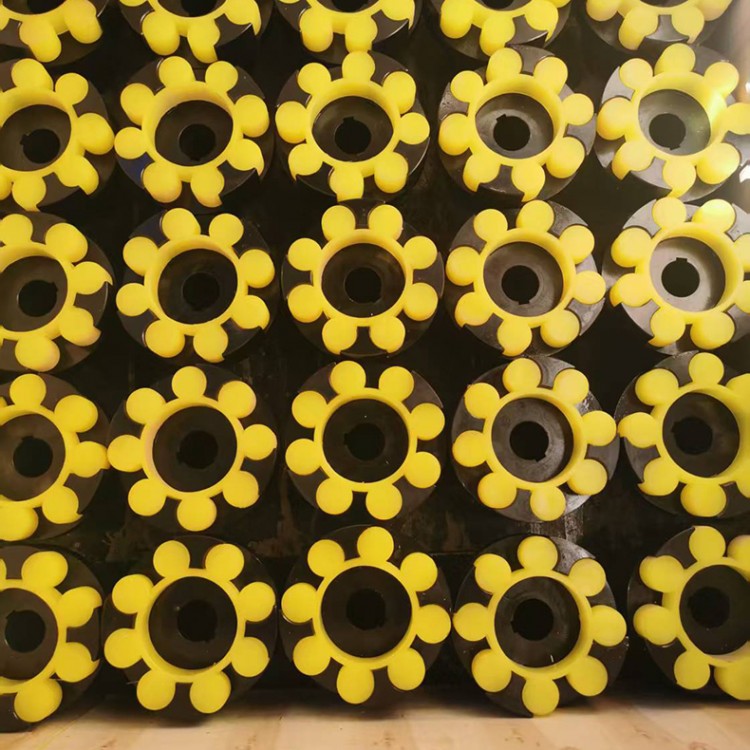
Cranes accessories, mechanical parts, metal stamping mold...

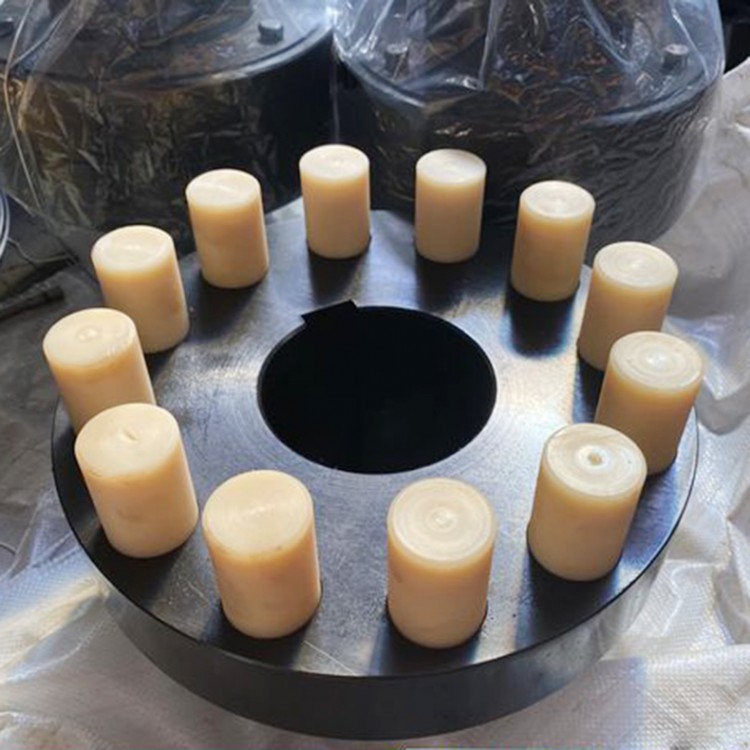
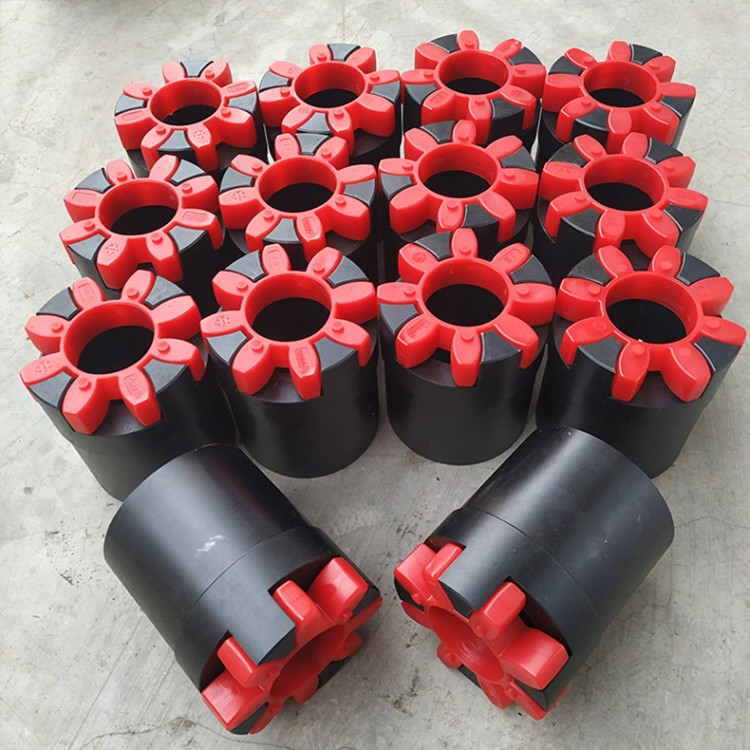
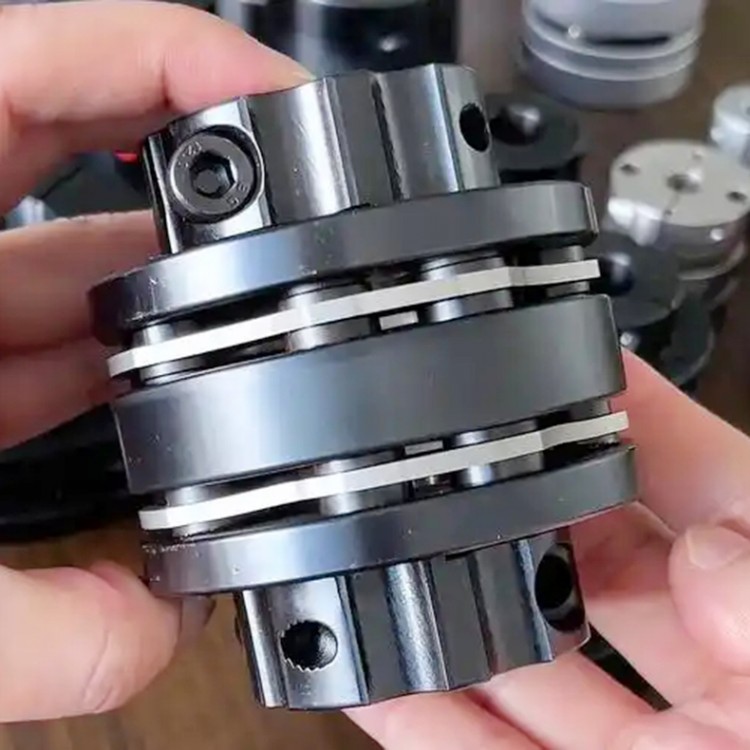
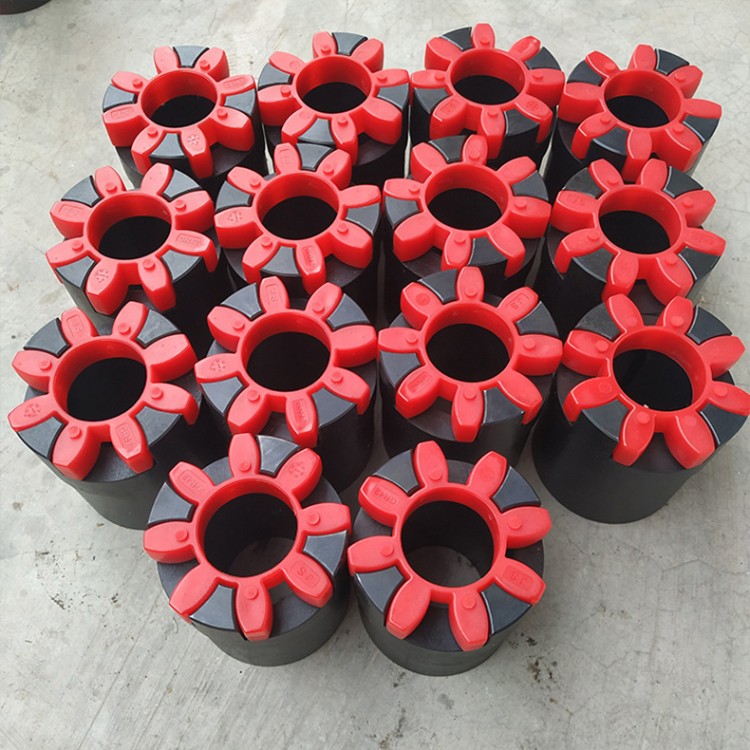
Coupling types are incredibly diverse, ranging from several tons to just a few dozen grams, and the models chosen for different equipment vary. The inspection of couplings is a crucial step in protecting their installation, use, and lifespan. Adhering to inspection procedures reasonably is beneficial for improving work efficiency and avoiding missed or incorrect inspections during the production process. Generally, the inspection items for couplings include the following:
1. Verify the quality of materials used for inspection
During the inspection of parts, first refer to the title block and process documents of the drawings to check the specifications and brand of the material used for the parts. For sheet materials, inspect the grain direction and condition, etc. Only proceed with dimension checks after confirmation of compliance.
2. Inspect the shaft couplings for their shape, surface roughness, and surface quality.
Check the coupler's geometric shape against the main view and other views for compliance; verify the correct positioning of elements such as holes, slots, etc.; inspect surface roughness and quality, including scratches, dents, deformations, cracks, etc.
3. Inspect the coupling size accuracy
When inspecting the shaft coupling dimensions for accuracy, ensure to refer to the drawings, processes, and technical specifications. Generally, check the determinate dimensions first, such as the shape, holes, and shaft diameters, followed by the locational dimensions, such as the margins and center distances. When inspecting parts with complex shapes and numerous dimensions, draw up a table before inspection, listing the determinate dimensions first, then the locational dimensions. Measure according to the table's order and record the results in the actual dimensions column. This ensures no dimensions are missed and maintains the quality of the inspection.
4. Measure Geometric Dimensioning and Tolerance (GD&T) Errors
When measuring form and position errors, pay attention to the measurement datum and the elements marked with the包容原则 (inclusion principle) and large entity principle. For elements on paper that do not specify form and position tolerances, the inspector should, as needed, find tolerance values according to national or corporate standards and perform measurements. This includes, but is not limited to, the coaxiality of couplings, roundness跳动 (jump), symmetry of keyways, and position tolerance of holes, etc.


b2b.china9.net © Zhongshang 114 Hebei Network Technology Co., Ltd.Address: Room 6009, Oriental New World Center, No.118 East Zhongshan Road, Qiaoxi District, Shijiazhuang City, Hebei ProvincePlatform Service Hotline: 4006299930