Cranes accessories, mechanical parts, metal stamping mold...

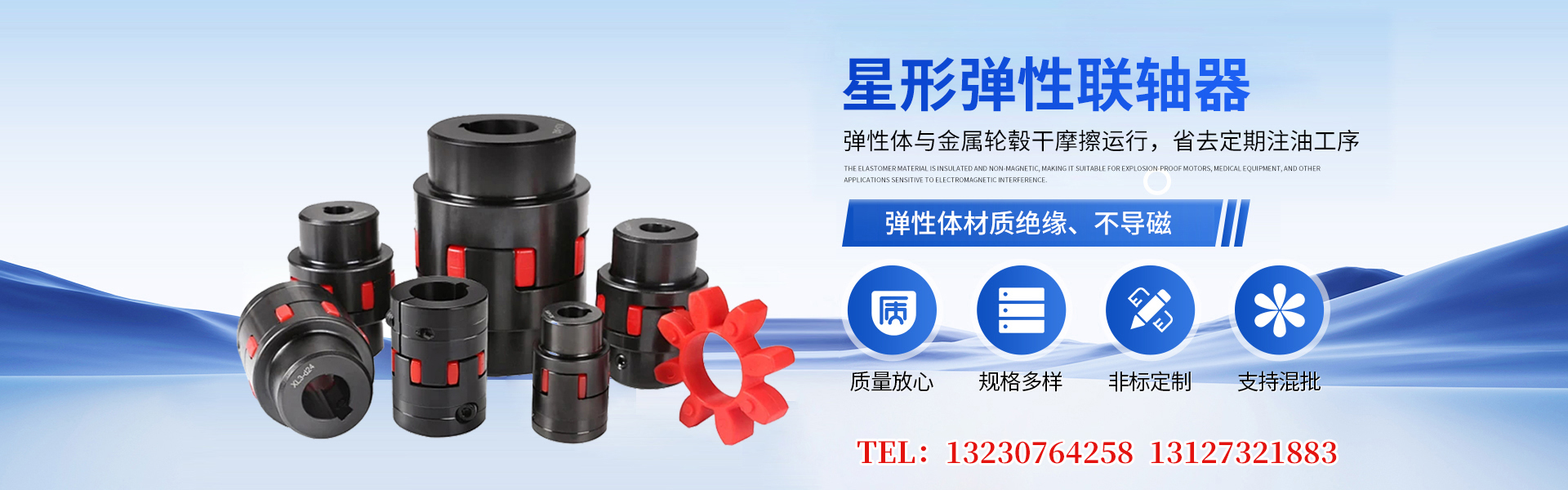
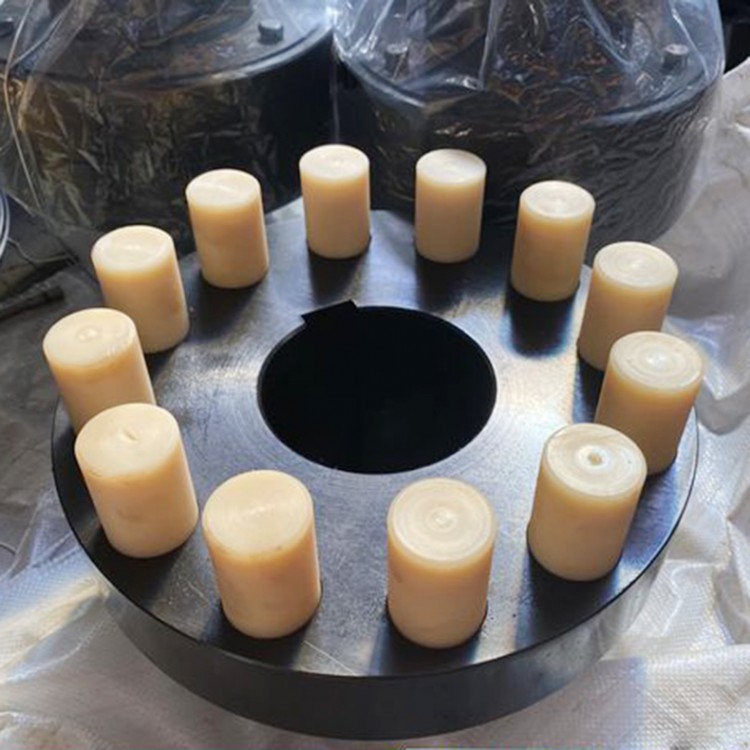
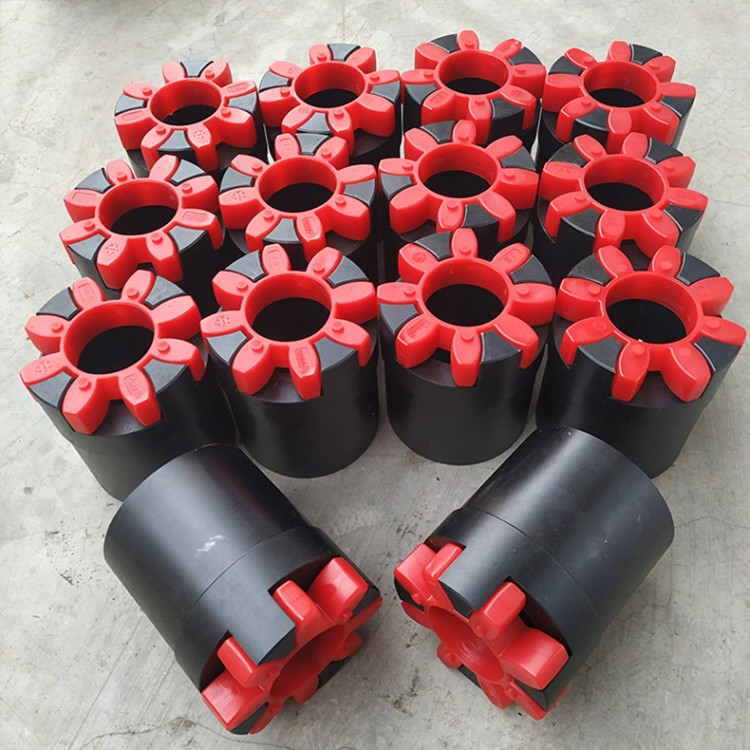
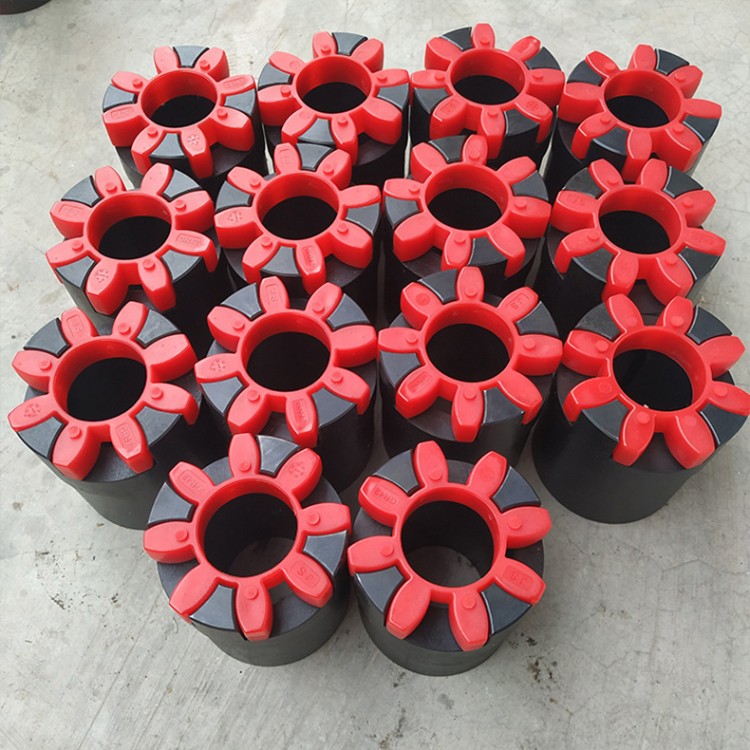
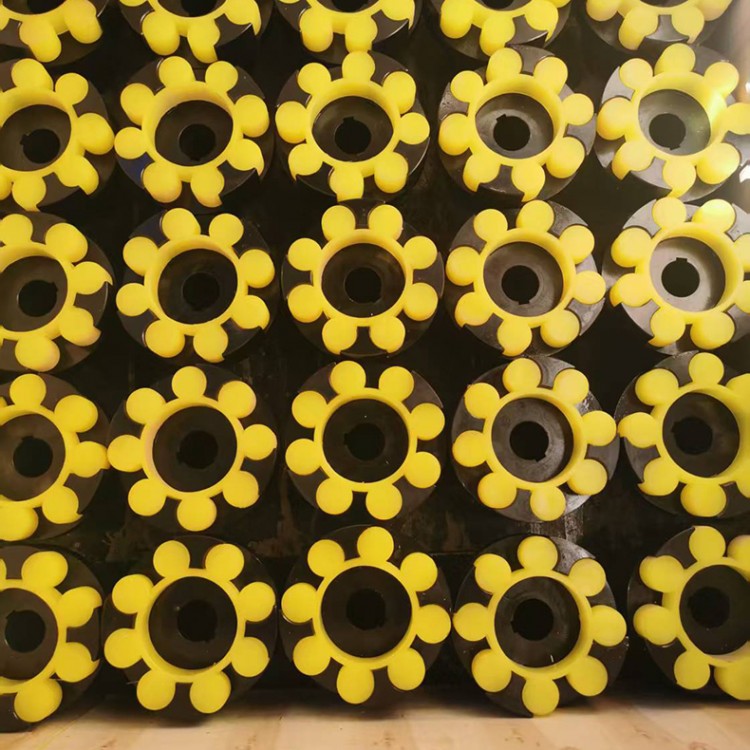
梅花 couplings' allowable speed range is determined by calculating the permissible linear velocity allowed by the coupling's material and the larger outer diameter size. The allowable speed range varies for couplings made of different materials, types, and specifications. The material of the revised梅花 coupling can enhance its allowable speed range, with the permissible speed of steel material exceeding that of cast iron material.
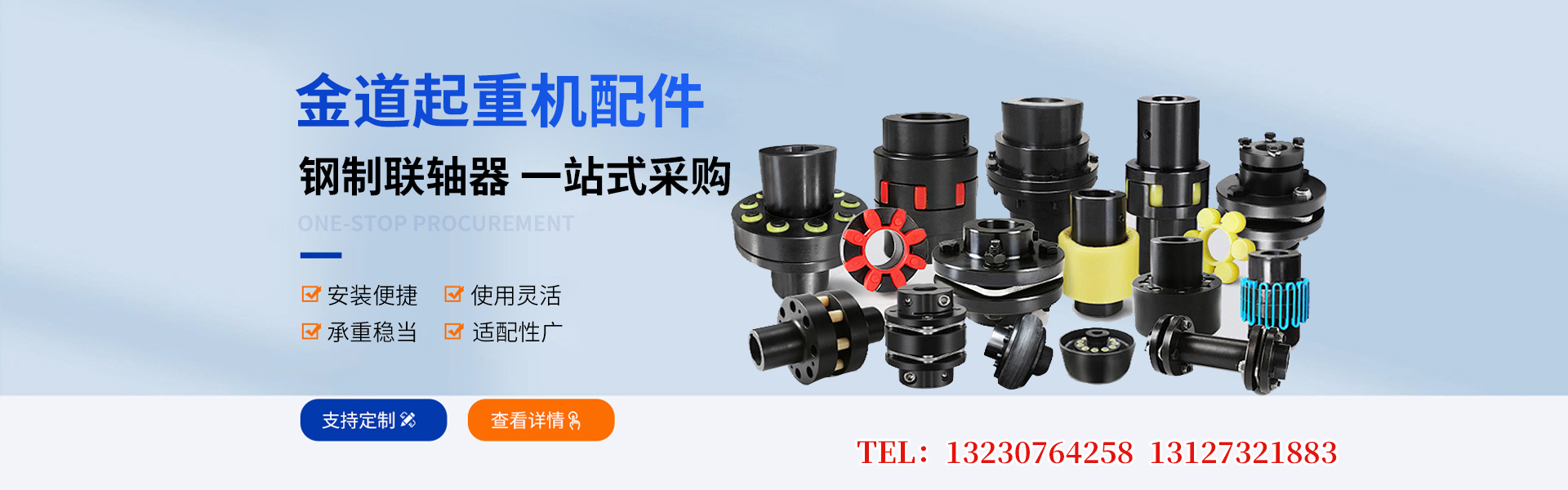
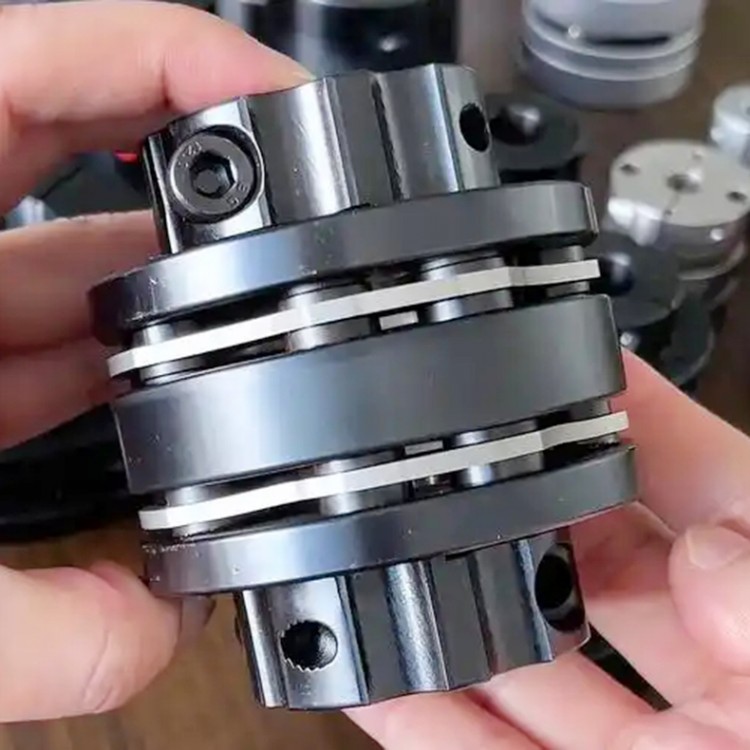
For couplings used under various conditions, factors such as the centrifugal force of the outer circle of the coupling and deformation of the elastic elements should be considered, and dynamic balancing should be performed. Non-metallic elastic element elastic couplings should not be chosen at high speeds, as they can cause deformation of the elastic elements. It is advisable to select a flexible coupling with appropriate precision. Currently, high-speed couplings used internationally mainly include diaphragm couplings and flexible couplings with precision gear teeth. For shaft systems with low torque and primarily transmitting motion,梅花 couplings require high transmission precision, and it is recommended to use flexible couplings with metallic elastic elements. For shaft systems with high torque and transmitting power, transmission precision is also required. At high speeds, it is advisable to avoid using non-metallic elastic element elastic couplings and flexible couplings with gaps between moving elements, and instead, select diaphragm couplings with good transmission precision.
couplings, as a mechanical linkage tool, bring a lot of convenience to work and the rotational speed of couplings is also determined by several key factors. The speed range of couplings is determined by different materials, thus, there are many factors influencing the rotational speed. Aligning two shafts in large machinery and equipment is challenging, so it's advisable to choose couplings that are durable and easy to replace worn-out parts. Metal elastic element universal joints generally have a longer service life than non-metallic elastic element universal joints. Couplings that require sealing, lubrication, and are not used for extended periods will inevitably increase maintenance workload.
For applications with long continuous operation and high economic benefits, such as the high-speed end of transmission systems in China's metallurgical enterprises, the commonly used梅花 couplings and gear couplings are theoretically capable of transmitting large torques. However, they require optimal lubrication and sealing to operate for extended periods, necessitating frequent checks of the sealing condition and oil replenishment, which increases maintenance workload, auxiliary labor hours, and reduces the effective working time, thereby impacting production efficiency.


b2b.china9.net © Zhongshang 114 Hebei Network Technology Co., Ltd.Address: Room 6009, Oriental New World Center, No.118 East Zhongshan Road, Qiaoxi District, Shijiazhuang City, Hebei ProvincePlatform Service Hotline: 4006299930