The role of a wind measuring tower_News Center Co., Ltd._Hengshui Chizhen Steel Structure Co., Ltd._Zhongshang 114 Industry Resources Network
Hengshui Chizhen Steel Structure Co., Ltd.

Training Tower, Lightning Protection Tower

24-hour Service Hotline
13315813073
Current Location:Home>News Center Co., Ltd.>The role of a wind measuring tower

    The role of a wind measuring tower

    2025-04-06

    The Function of Wind Measurement Towers


    Wind turbines are critical facilities for collecting wind energy resource data, with meteorological sensors installed to monitor wind speed and direction in real-time, providing scientific evidence for wind energy development. Their core functions are reflected in the following aspects:

    I. Wind Energy Resource Assessment

    1. Data Collection
    • Parameters: Wind speed (instantaneous, average), wind direction, temperature, air pressure, humidity, etc.
    • Accuracy: Wind speed measurements must achieve an accuracy of ±0.1 m/s, and wind direction accuracy ±3° (International Standard IEC 61400-12-1).
    • Case: A wind farm discovered, through wind tower data, that the annual average wind speed available for utilization is only 5.2 m/s, thus avoiding blind investment.
    1. Data Analytics
    • Generate wind rose diagrams, Weibull distribution curves, and evaluate wind energy density (e.g., 700W/m² is considered high-quality resources).
    • Calculation of energy generation forecasts (such as economically viable for annual energy generation of over 2000 hours).

    Section II: Wind Farm Location and Planning

    1. Terrain Impact Analysis
    • Identify wind shear and turbulence intensity in complex terrains (such as mountainous areas, coastlines) to optimize wind turbine layout.
    • Case Study: A mountainous wind farm discovered that local terrain accelerated wind speed by 20% through wind measurement towers. After adjusting the turbine positions, efficiency was improved by 15%.
    1. Micro-location
    • Ensure fan position to avoid wake effect (rear wind speed reduced by 30%-50% due to front fans).
    • Data: A 5% reduction in wake loss can increase annual power generation by 2%-3%.

    Section 3: Fan Design and Optimization

    1. Load Calculation
    • Provide data on extreme wind speeds (such as those occurring once every 50 years) for structural strength design of wind turbines.
    • Standard: IEC 61400-1 requires that fans withstand extreme wind speeds of up to 52.5 m/s.
    1. Optimization of Control Strategies
    • Wind data utilized for yaw system control enhances power generation efficiency (for every 1° reduction in yaw error, annual power generation increases by 0.5%).

    IV. Environmental and Ecological Monitoring

    1. Weather Disaster Warning
    • Monitor severe weather like thunderstorms and hail, and shut down equipment in advance for protection.
    • Case: A wind farm issued a 2-hour early warning of a thunderstorm using wind turbine data, preventing equipment damage.
    1. Ecosystem Impact Assessment
    • Monitor bird migration paths (such as through radar or video surveillance) to minimize the impact of wind turbines on birds.

    V. Types and Structures of Wind Measurement Towers

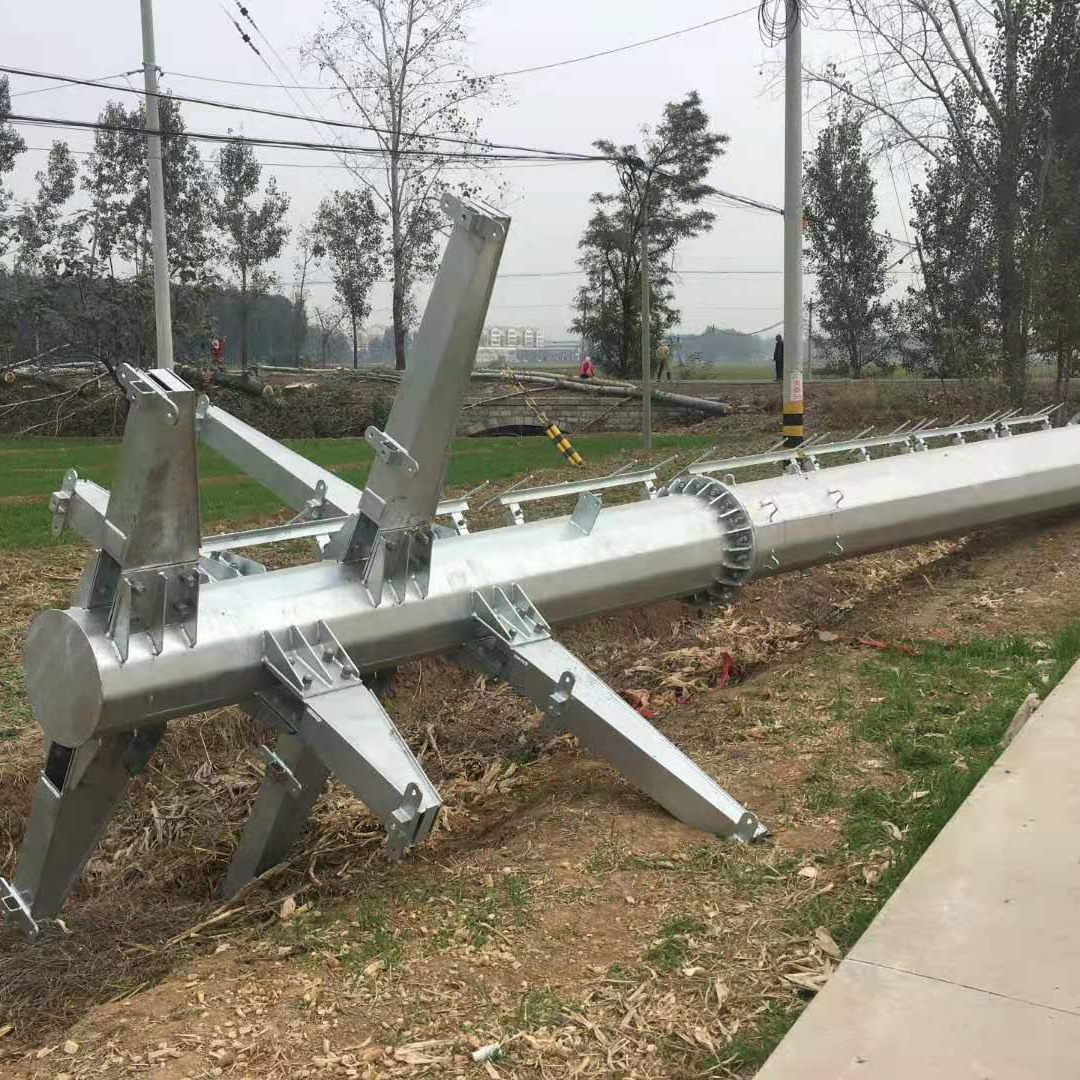
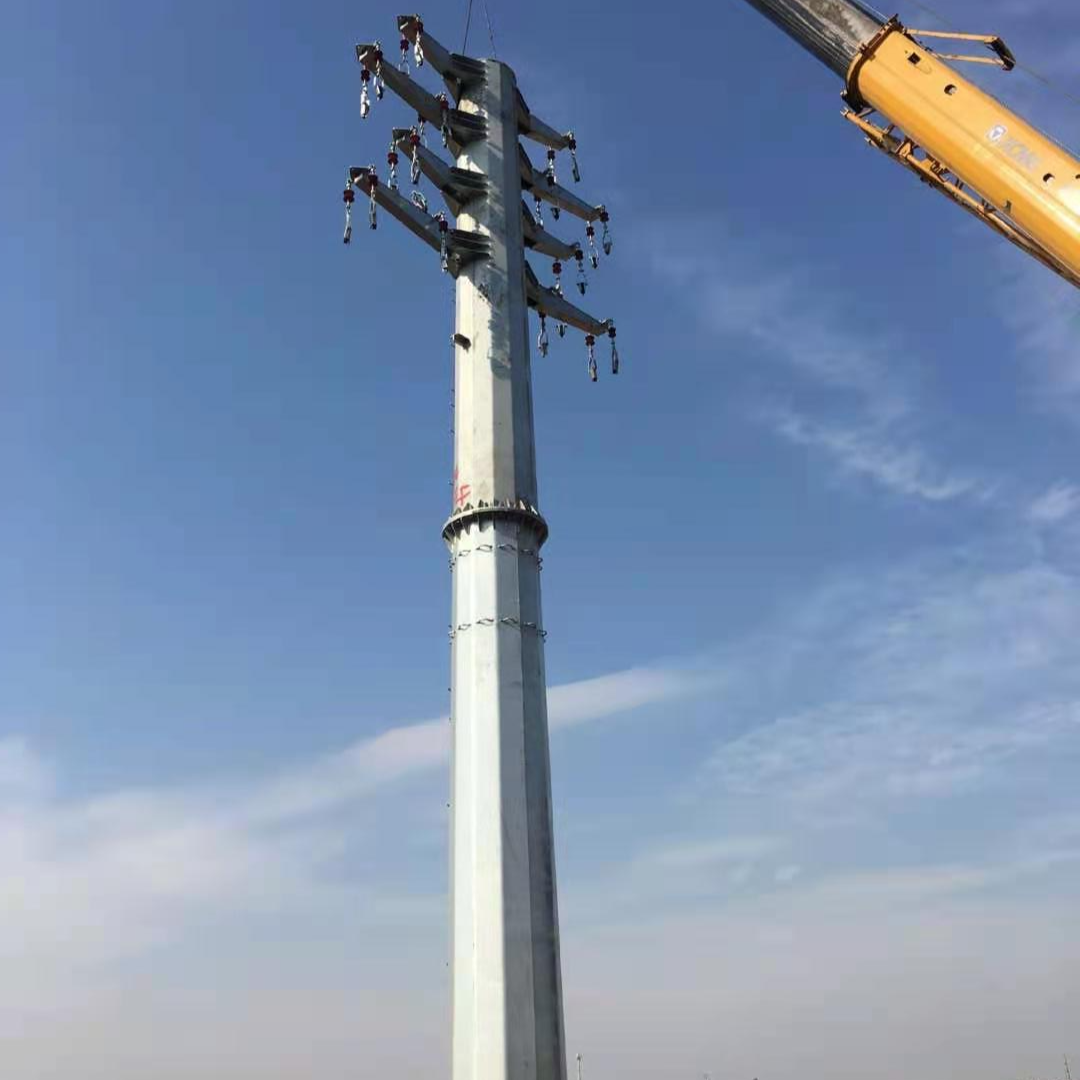
    1. Self-standing Wind Tower
    • Features: Heights ranging from 10 to 150 meters, strong stability, suitable for complex terrains.
    • Material: Steel or concrete, wind resistance up to 50m/s.
    1. Ladder-type Wind Tower
    • Features: Heights of 30-120 meters, cost-effective, suitable for flat terrain.
    • Aluminum alloy or galvanized steel materials require regular inspection of cable tension.

    Six: Installation and Maintenance Key Points

    1. Location Requirements
    • Maintain a distance of at least 10 times the tower height from obstructions (such as buildings, trees) to avoid wind field distortion.
    • Case: A wind tower was improperly located, resulting in a 15% data discrepancy, leading to an incorrect site selection.
    1. Maintenance Cycle
    • Sensor Calibration: Calibrate every 6-12 months to ensure data accuracy.
    • Structural Inspection: A comprehensive check is conducted every 3 years, with a focus on corrosion and bolt loosening.

    Section 7: Industry Standards and Certifications

    1. International Standards
    • IEC 61400-12-1: Wind Turbine Design, Installation, and Data Quality Requirements
    • GL Certification: German Lloyd Classification Society's certification for wind measurement equipment.
    1. No Chinese content provided.
    • GB/T 18710: Assessment Methods for Wind Energy Resources in Wind Farms
    • NB/T 31147: Code for Preparation of Wind Farm Engineering Planning Reports

    Section 8: Case Studies

    • Case 1: Offshore Wind Farm
    • A marine wind farm discovered the wind speed attenuation pattern during typhoon season through wind measurement towers, optimizing the wind turbine control strategy, resulting in an 8% increase in electricity generation.
    • Case 2: Distributed Wind Power
    • A distributed wind power project discovered the wake effect of a building cluster through wind tower data, and after adjusting the layout of the wind turbines, the efficiency was increased by 12%.

    Summary

    Wind turbines are the foundation of wind energy development, providing precise data to support decisions throughout the entire lifecycle of wind farms. Rational siting, standardized installation, and regular maintenance are crucial to ensuring data quality, directly impacting the project's investment return rate.


Contact us

  • Company Name

    Hengshui Chizhen Steel Structure Co., Ltd.

  • Service Hotline

    13315813073

  • Company Phone

    13315813073

  • Company Address

    Hebei Province, Jing County, Guangchuan Town, Hengshui City

b2b.china9.net © Zhongshang 114 Hebei Network Technology Co., Ltd.Address: Room 6009, Oriental New World Center, No.118 East Zhongshan Road, Qiaoxi District, Shijiazhuang City, Hebei ProvincePlatform Service Hotline: 4006299930

 Click OK to indicate that you agree to《Service terms》《Privacy policy》