




- AllProduct Category


Recommended Products

详情描述
Poles are critical infrastructure in the power system, used to support power and communication lines. Their design, materials, and application scenarios are all strictly considered. The following will delve into four aspects: classification, structural technology, industry applications, and future trends.
I. Core Categories and Material Comparison
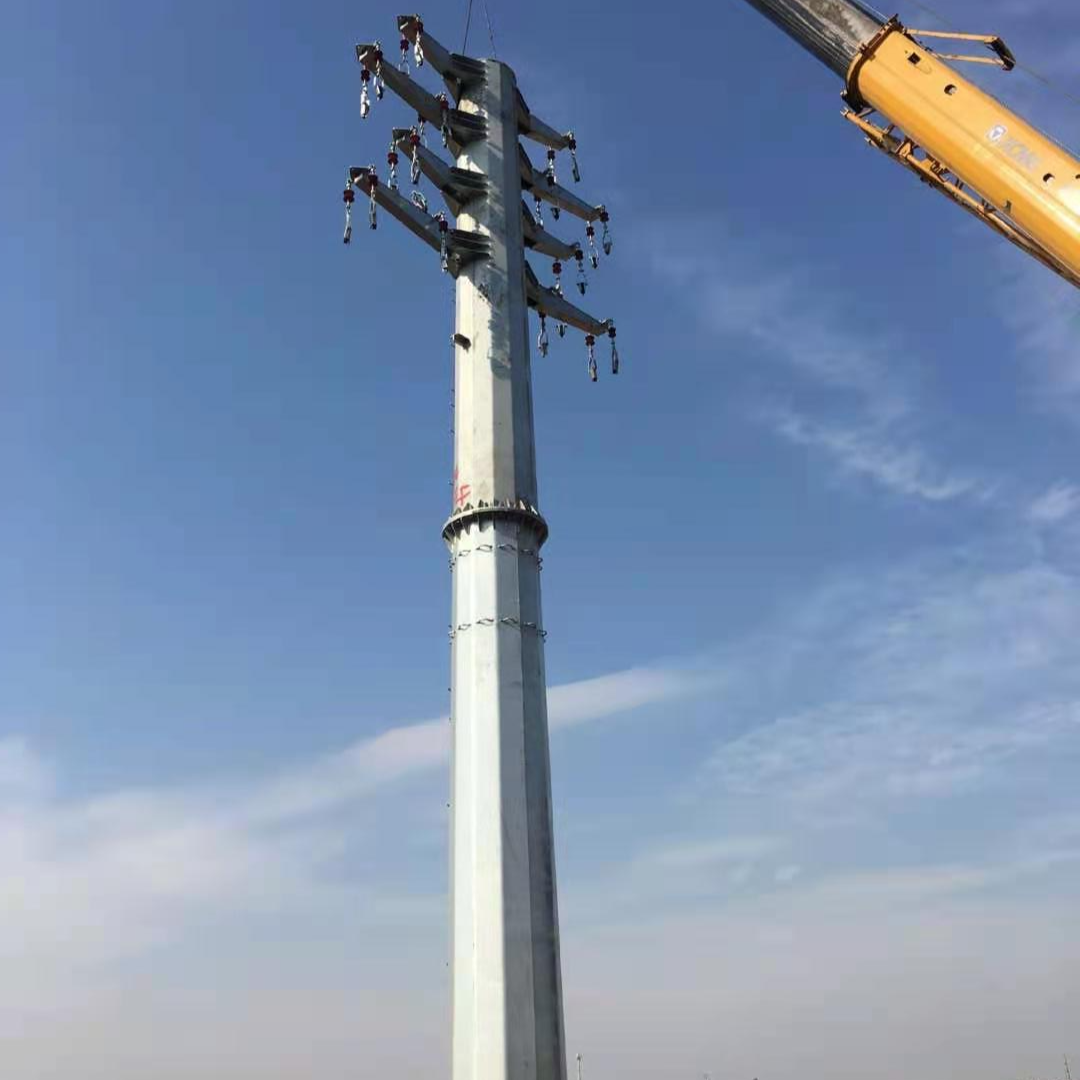
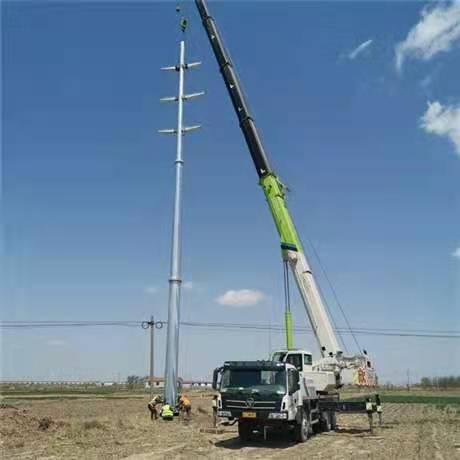
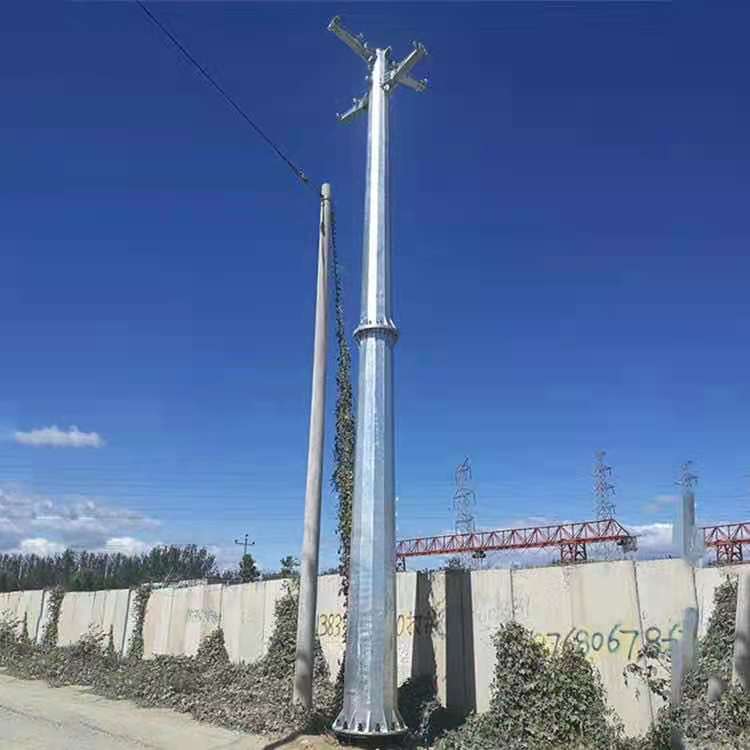
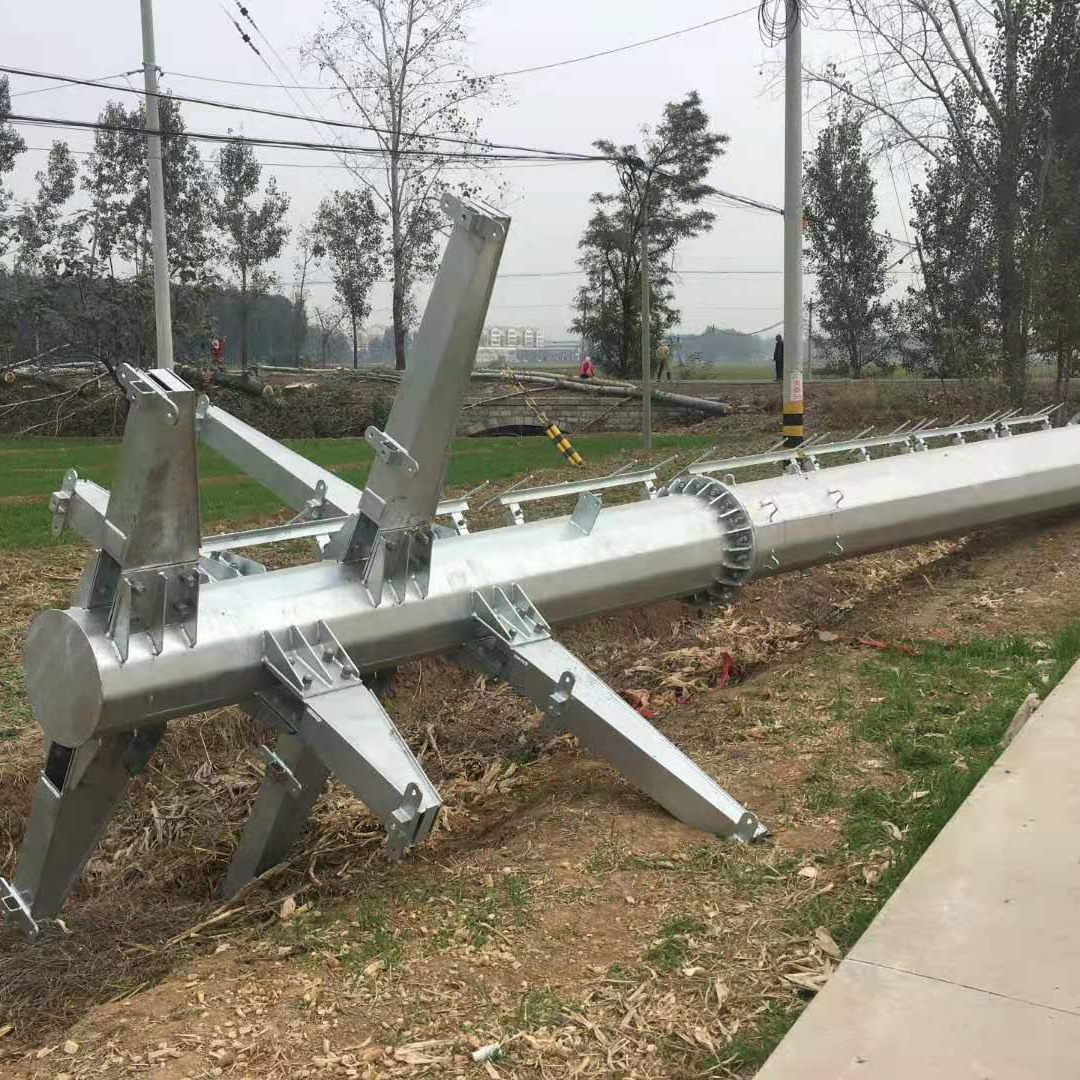
Type Material Features Application ScenariosWood Rod Wood is easy to process and cost-effective, but prone to rot and has low bearing capacityHistoric lines or temporary installationsReinforced Concrete Pole Concrete + steel reinforcement has strong durability and corrosion resistance, but is heavyUrban and rural power grids, highways, etc.Prestressed Concrete Pole High-strength steel + prestressing process has high crack resistance and saves steel, suitable for important transmission lines of high-voltage power lines, large span crossingsMetal Rod High steel strength, large span, but high cost and prone to rustSpecial terrain or high-load areasFiber Reinforced Composite Pole Fiber reinforced composites are lightweight and corrosion-resistant, but aging performance needs verificationCoastal areas or high-corrosion environmentsSecondly, Core Technology in Structural Design
- Pre-stressed technology
- Principle: Apply pre-tension to the steel bars before pouring concrete to counteract part of the load and enhance crack resistance.
- Advantages: Saves 30% steel, suitable for rods 10-15 meters long, and improves ice and snow load-bearing capacity by 50%.
- Cross-section optimization
- Ring bar: Taper 1:75, tip diameter 100-230mm, wall thickness 30-60mm, bending modulus increased by 20%.
- Square bar: 15% higher torsional rigidity than circular bars, but wind resistance increases by 30%.
- Connectivity Technology
- Welding: Suitable for short rods, with low cost but prone to welding defects.
- Flange Connection: Bolted assembly, suitable for long-distance transportation, installation efficiency increased by 40%.
Section 3: Application Scenarios and Feature Compatibility
Pole-type Function Positioning Technical Parameters Typical Scenarios Straight Pole Support Conductors, accounting for 80% of the total pole length (6-12m), buried depth 1.5-2m; Transmission Lines in Flat Areas; Tension Pole Segmentation for Load-bearing, Preventing Conductor Breakage at 1km Intervals; Double Cross Arm Segmentation Points, Large Drop Terrain Corner Poles with Combined Angle of Both Conductors ≤30°; Reinforced Pole Diameter 10% at Line Turning Points; Crossing Poles with Large Span for Overcoming Obstacles (200-500m Span), Equipped with guy wires for river and railway crossings; Windproof Poles with Reinforced Rib Plates to Withstand Typhoons of 12 Levels; Buried Depth 3m in Coastal and Frequent Typhoon Areas; Future Development Trends
- Material Innovation
- Ultra-High Performance Concrete (UHPC): Compressive strength up to 150MPa, 20% reduction in bar diameter without reducing load-bearing capacity.
- Carbon fiber composite core wire: Reduces tower load by 30%, enhancing transmission efficiency.
- Smart Monitoring
- Integrated tilt sensor and vibration monitoring module for real-time tower status alerts.
- Pilot drone automatic inspection system, maintenance efficiency increased by 60%.
- Green Transition
- Promote solar-powered streetlight poles: Top-mounted solar panels for night lighting and as backup power for 5G base stations.
- Developing biodegradable composite rod materials for ecological sensitive area requirements.
Summary
Power poles, serving as the "skeleton" of the power grid, deeply reflect the modernization process of the power system. Evolving from traditional reinforced concrete poles to intelligent composite towers, the fusion of material innovation and digital technology is propelling the grid towards a safer, more efficient, and greener direction. In the future, as new energy sources are integrated and the demand for smart cities grows, power poles will further transform into multifunctional energy pillars.


