





- AllProduct Category


13315813073

Recommended Products
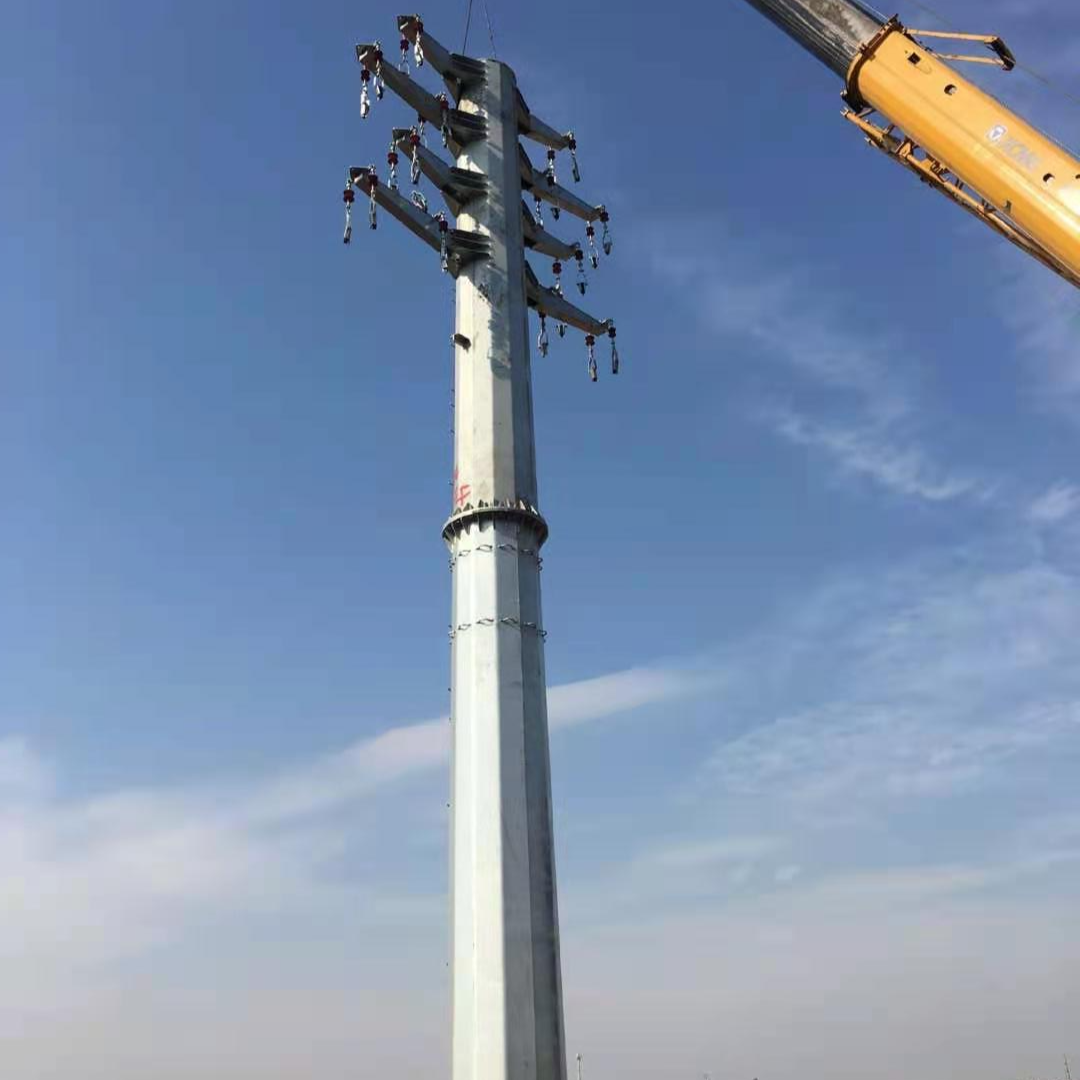
详情描述
The power infrastructure is the core supporting structure of the power system, with its design directly impacting the efficiency, safety, and reliability of power transmission. The following will explore from four aspects: the core framework, technological evolution, industry trends, and challenges.
I. Core Framework and Components
- Power Structure
- Diversified Energy: Coal-fired power (share declining, accounting for 47.6% of installed capacity in 2023), hydropower, nuclear power, wind power, and photovoltaic power (accounting for 15.3% of the national electricity generation in 2023) coexist.
- Energy Storage Facilities: Battery Storage, Pumped Storage, Compressed Air Energy Storage, etc., to mitigate the volatility of new energy.
- Power Grid Topology
- Ultra-high-voltage backbone network: 1000kV AC/±800kV DC lines, inter-provincial and inter-regional transmission loss less than 3%.
- Power Grid Levels: High Voltage (110-220kV), Medium Voltage (10-35kV), Low Voltage (380/220V), utilizing ring or radial structures.
- Key Milestones
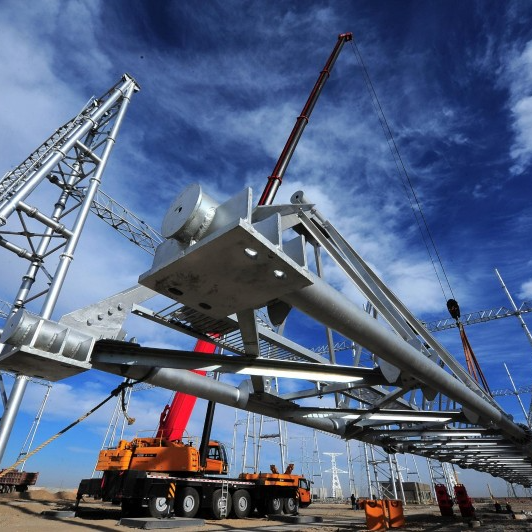
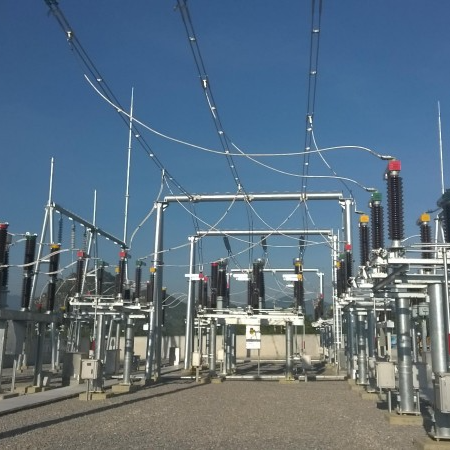
- Substation: Main transformer capacity ranges from 50MVA to 1000MVA, with GIS (Gas Insulated Switchgear) technology enhancing land efficiency.
- Smart Meters: Coverage rate reaches 98%, supports two-way metering and demand response.
Section II: Technological Evolution and Innovation
- Material Innovation
- Superconducting Cables: High-temperature superconducting materials (such as YBCO) achieve zero-resistance transmission, reducing losses by 60%.
- Carbon Fiber Wires: Twice the strength of steel-core aluminum stranded wires, with a span extension of 30%.
- Automation Upgrade
- FA (Fault Detection Automation): Fault location and isolation time reduced from hours to 3 minutes.
- DERMS (Distributed Energy Resource Management System): Coordinates photovoltaics, energy storage, and load to enhance regional autonomy.
- Digital Twin
- Power Grid Simulation Platform: Real-time predicts load fluctuations, optimizes dispatching strategies, and pilot program in a certain provincial power grid reduces operation costs by 12%.
III. Industry Trends and Dynamics
- Renewable energy dominance
- Integrated energy storage: Construction of GW-scale bases in Qinghai, Inner Mongolia, etc., with 10%-20% energy storage capacity.
- Distributed Photovoltaic: In 2023, residential photovoltaic installations reached 42GW, up 46% year-on-year.
- Smart Grid Deepening
- Energy Router: Supports plug-and-play multi-energy ports; led by industry standards set by Huawei, SunPower, and other companies.
- Virtual Power Plant: Aggregating flexible loads such as air conditioners and electric vehicles to participate in peak shaving and frequency regulation.
- Policy Orientation
- Carbon Trading Mechanism: Pilot provinces and cities incorporate power grid losses into carbon accounting to promote energy-saving renovations.
- Electricity Market Opening: Allowing power sales companies to participate in spot trading; a certain province is piloting an 8% reduction in electricity prices.
IV. Core Challenges and Solutions
- Stability challenges
- Renewable Energy Fluctuations: Wind and solar power output prediction error up to 15%, requiring a reserve capacity of 10%-15%.
- Solution: Utilize AI predictive algorithms (LSTM neural networks), reducing error to 8%.
- Cybersecurity Threats
- Attack Case: In 2022, a power grid suffered an APT attack, resulting in 100,000 households experiencing power outages.
- Security Measures: Implement quantum encryption communication and use domestically produced chips at critical nodes.
- Extreme Climate Adaptation
- Typhoon Impact: Typhoon "Doksuri" in 2023 caused over 1 billion yuan in losses to coastal power grids.
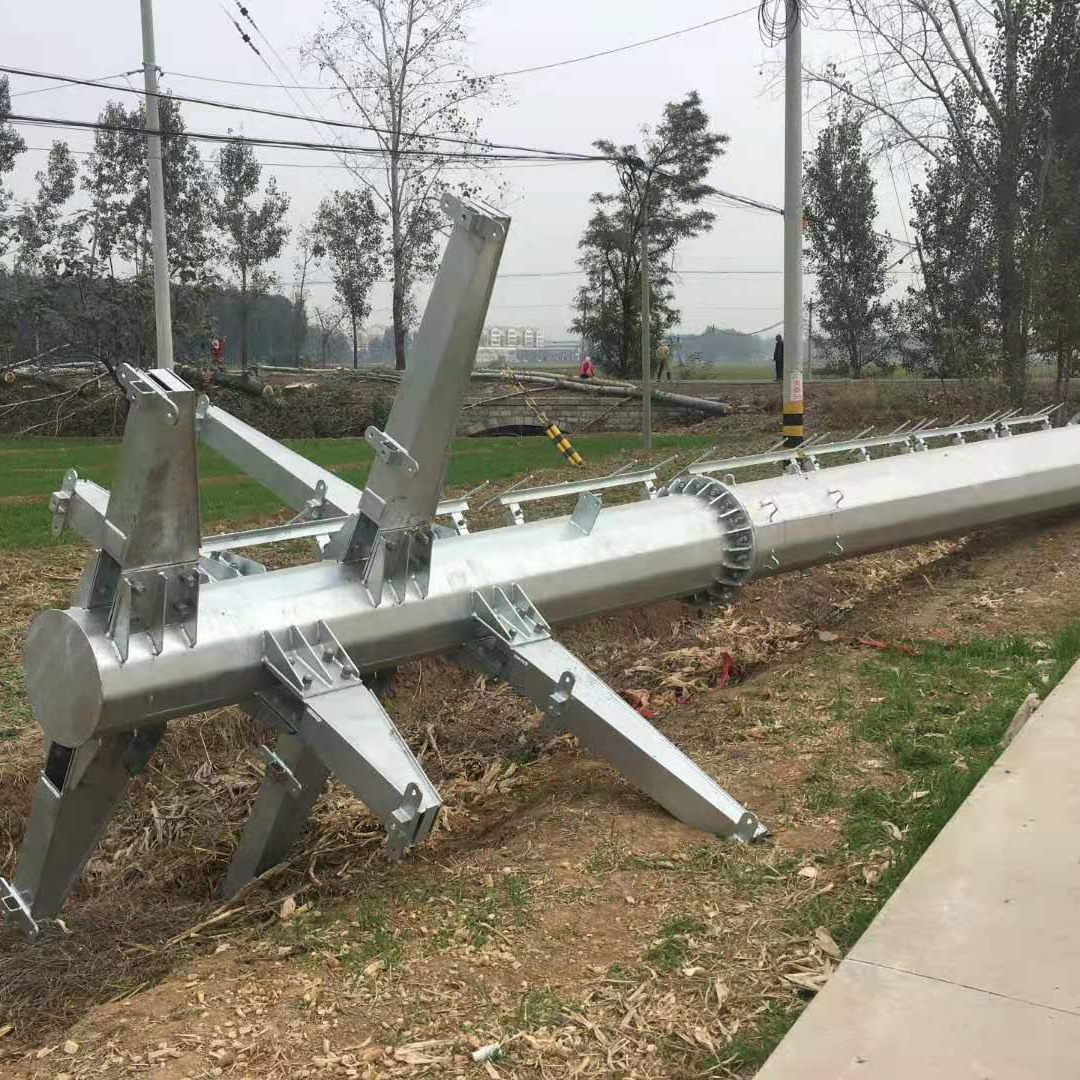
- Technical Solutions: Research and develop wind-resistant tower (design wind speed of 50m/s), and apply floating photovoltaic technology.
V. Future Outlook
- Ultra-long-distance Power Transmission: Research and development of ±1100kV ultra-high-voltage DC transmission, suitable for cross-border grid interconnection.
- Hydrogen Integration: Pilot electrolytic water hydrogen storage system with a conversion efficiency of 75%.
- SpaceGrid: SpaceX plans to launch solar-powered satellites and conduct wireless space-to-ground power transmission tests by 2030.
The power architecture is undergoing a transformation from "rigid networks" to "flexible intelligent systems," with technological innovation and policy guidance jointly propelling the power grid towards a zero-carbon, efficient, and resilient direction.


