The role of lightning rods_News Center Co., Ltd._Hengshui Chizhen Steel Structure Co., Ltd._Zhongshang 114 Industry Resources Network
Hengshui Chizhen Steel Structure Co., Ltd.

Training Tower, Lightning Protection Tower

24-hour Service Hotline
13315813073
Current Location:Home>News Center Co., Ltd.>The role of lightning rods

    The role of lightning rods

    2025-04-06

    The role of lightning towers


    Lightning Rod, also known as a lightning arrester or lightning conductor, is a critical facility used to protect buildings, equipment, and personnel from direct lightning strikes. Its core function is to provide a low-impedance channel for lightning current discharge, safely channeling the energy of lightning into the ground, thereby preventing lightning-induced fires, explosions, equipment damage, and casualties. The following details its role from multiple dimensions:

    I. Lightning Protection Core Function

    1. Lightning Strike and Diversion
    • The lightning rod attracts lightning through its tip (lightning rod terminal) and uses its own metallic structure to dissipate the lightning current into the grounding system, preventing concentrated discharge from damaging the target.
    • Analogous to lightning rods, but typically taller and more complex in structure, lightning towers are designed for broader protection.
    1. Reduce Lightning Risk
    • In lightning-prone areas (such as open fields, high-rise buildings, and communication base stations), lightning rods can significantly reduce the likelihood of lightning strikes, ensuring the safety of the targeted area.
    • Data: Studies show that installing lightning rods properly can reduce the likelihood of lightning strikes by over 80%.

    Section II: Application Scenarios and Industry Demands

    1. Telecommunications Industry
    • Protecting communication facilities such as base stations, microwave stations, and satellite receiving stations to ensure stable signal transmission and prevent equipment damage or communication disruptions due to lightning strikes.
    • Case: Communication base stations in mountainous areas often suffer equipment damage due to lightning strikes, which can be significantly reduced with the installation of lightning rods.
    1. Energy Industry
    • Protecting power stations, wind farms, photovoltaic power plants, and other energy facilities against lightning-induced fires or explosion accidents.
    • Data: Lightning is one of the primary causes of substation failures, and lightning rods can significantly reduce the rate of equipment failures caused by lightning strikes.
    1. Architecture and Public Safety
    • Protect high-rise buildings, airports, sports venues, and other densely populated areas to prevent lightning strikes from causing injuries or property damage.
    • According to the "Code for Design of Lightning Protection for Buildings" (GB 50057), class I lightning protection buildings must be equipped with an independent lightning rod tower or air terminal network.
    1. Aerospace Industry
    • Protecting radar stations, missile launch sites, airports, and other critical facilities to ensure stable equipment operation.
    • Case Study: A missile launch base experienced equipment damage due to a lightning strike, as there was no lightning rod installed. After installing lightning rods, the accident rate significantly decreased.

    Section III: Structure and Material Advantages

    1. Multi-type structures
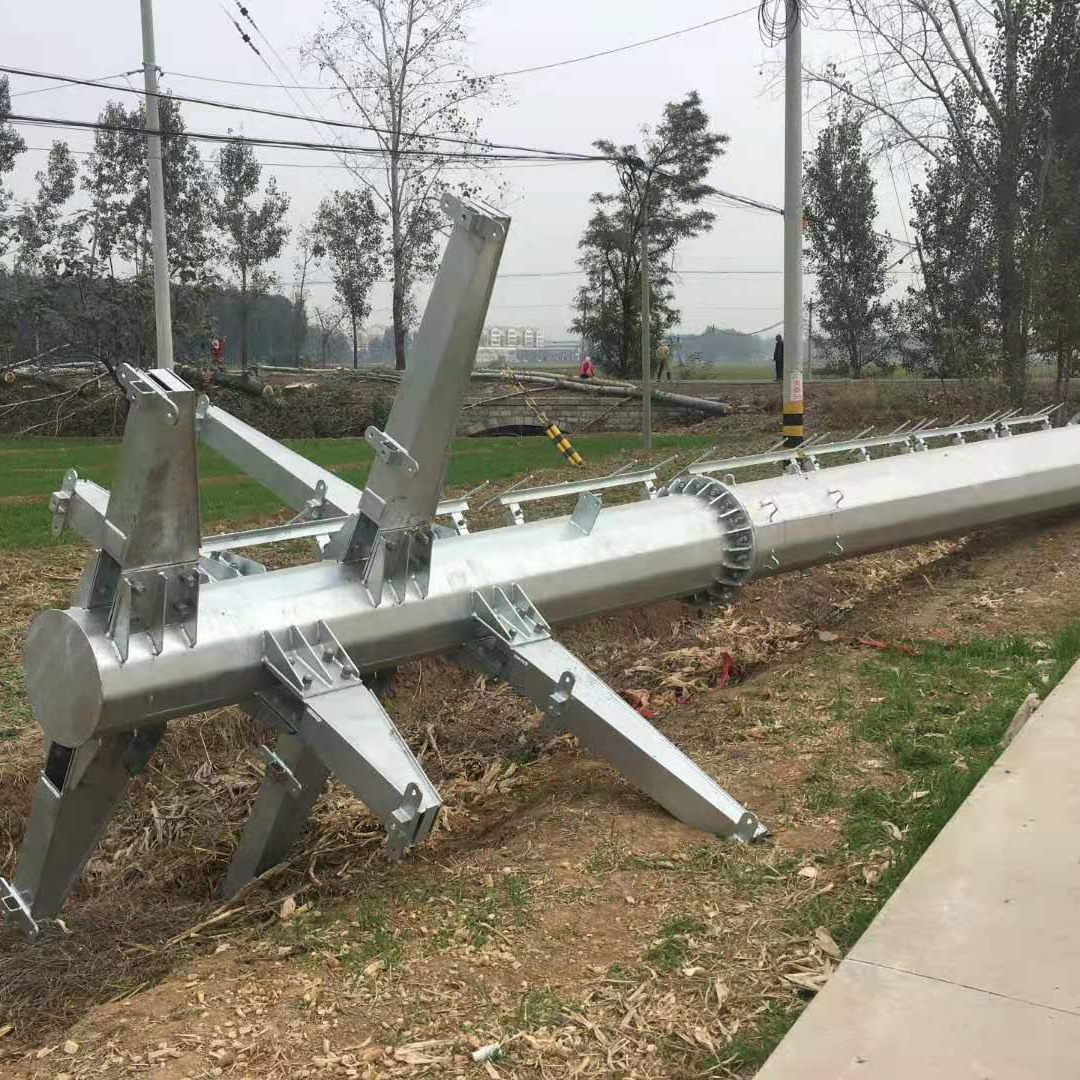
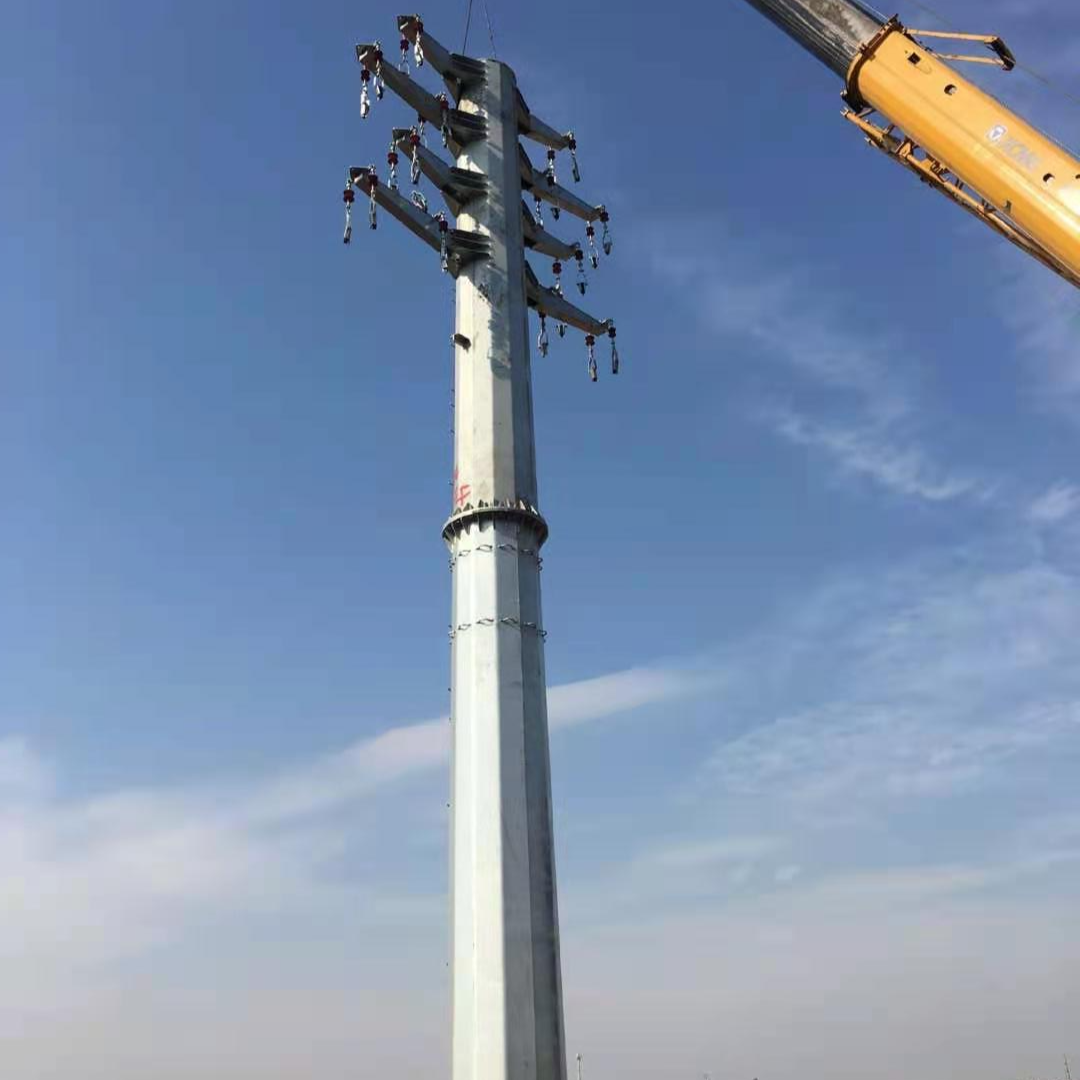
    • Steel Lightning Rod Tower: High strength, corrosion-resistant, suitable for complex environments.
    • Glass Reinforced Plastic Lightning Rod: Lightweight, with excellent insulation properties, suitable for weight-sensitive environments.
    • Reinforced Concrete Lightning Protection Tower: Strong Stability, Suitable for Permanent Protection.
    1. Material Characteristics
    • Conductivity: Metal materials (such as galvanized steel) ensure rapid conduction of lightning currents.
    • Corrosion Resistance: Surface treatments (such as hot-dip galvanizing) extend service life and reduce maintenance costs.

    IV. Technical Specifications and Safety Standards

    1. Key Parameters
    • Height: Typically ranges from 15 to 60 meters, calculated based on the protected area.
    • Ground Resistance: Requirement ≤10Ω, to ensure rapid discharge of lightning current.
    • Wind Resistance: Design must meet the local maximum wind speed requirements (e.g., 50 m/s).
    1. Safety Standards
    • Meets the "Code for Design of Lightning Protection for Buildings" (GB 50057) and International Electrotechnical Commission (IEC) standards.
    • Certification: Must pass certification from a lightning protection testing institution to ensure performance meets standards.

    V. Maintenance and Management

    1. Regular inspections
    • Inspect grounding resistance, connection bolts, and tower corrosion to ensure system integrity.
    • Frequency: At least one comprehensive inspection per year.
    1. Emergency Response
    • Following a lightning strike, the tower and grounding system must be immediately inspected, damaged parts repaired, to prevent a second accident.

    Case Study

    • Case 1: Communication Base Station Lightning Protection
    • A communication base station in a mountainous area suffered equipment damage due to lightning strikes. Subsequently, a 30-meter tall steel lightning rod was installed, reducing the grounding resistance to 8Ω. Over the following two years, no lightning strike incidents occurred.
    • Case 2: Lightning Protection for Wind Farms
    • A wind farm installed lightning rods, resulting in a 70% decrease in wind turbine shutdowns due to lightning strikes and a 50% reduction in annual maintenance costs.

    Summary

    The lightning rod tower, through mechanisms such as flash arrest,分流 (diversion), and grounding, provides reliable lightning protection for various facilities. Its applications are extensive, from communication base stations to facilities, all requiring the lightning rod tower to ensure safety. Proper selection, correct installation, and regular maintenance are crucial for ensuring its effectiveness.


Contact us

  • Company Name

    Hengshui Chizhen Steel Structure Co., Ltd.

  • Service Hotline

    13315813073

  • Company Phone

    13315813073

  • Company Address

    Hebei Province, Jing County, Guangchuan Town, Hengshui City

b2b.china9.net © Zhongshang 114 Hebei Network Technology Co., Ltd.Address: Room 6009, Oriental New World Center, No.118 East Zhongshan Road, Qiaoxi District, Shijiazhuang City, Hebei ProvincePlatform Service Hotline: 4006299930

 Click OK to indicate that you agree to《Service terms》《Privacy policy》