
 High-Temperature Self-Limiting Heat Trace Tape
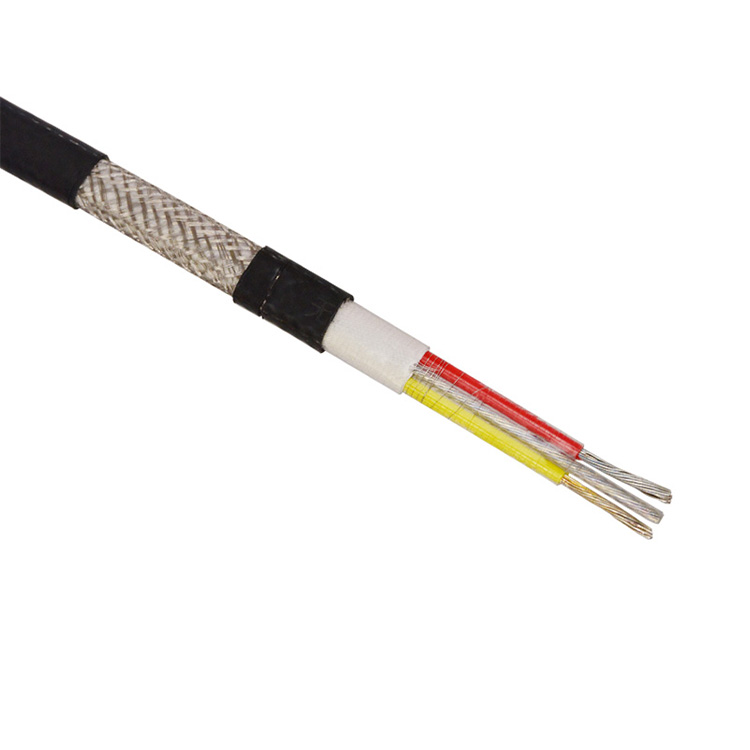 Three-phase constant power electric trace heating
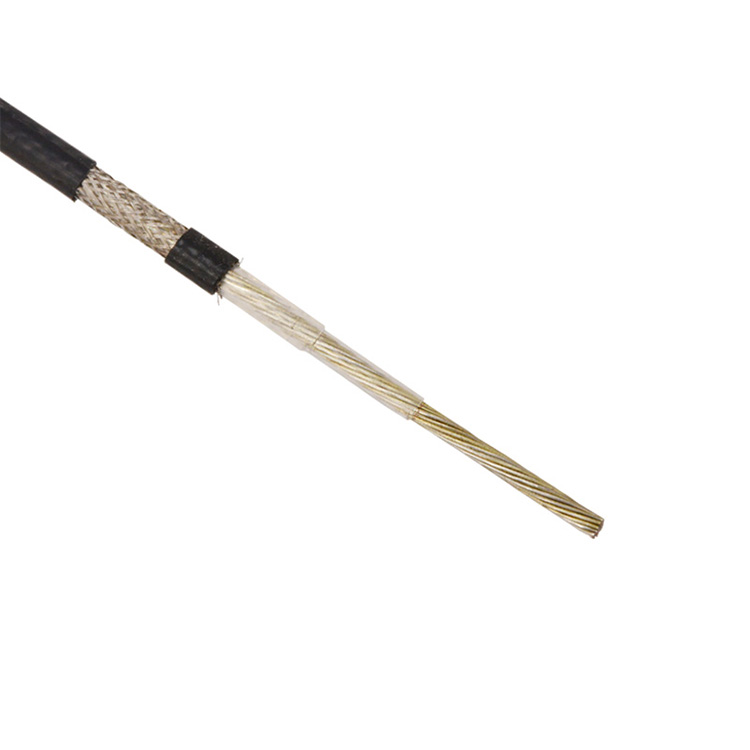 Thermal Snow Melting Cable by SIM
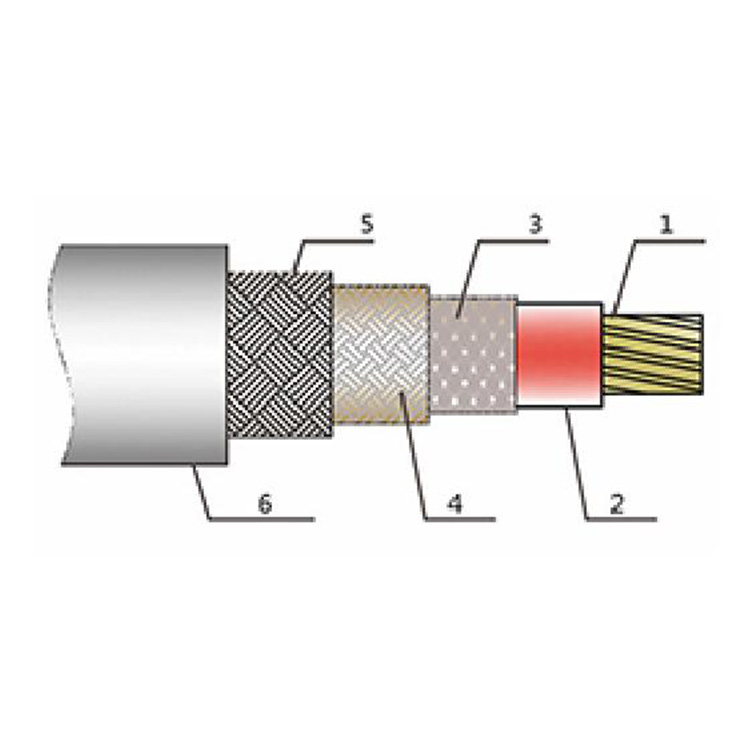 Fire-resistant series electric tracing heater
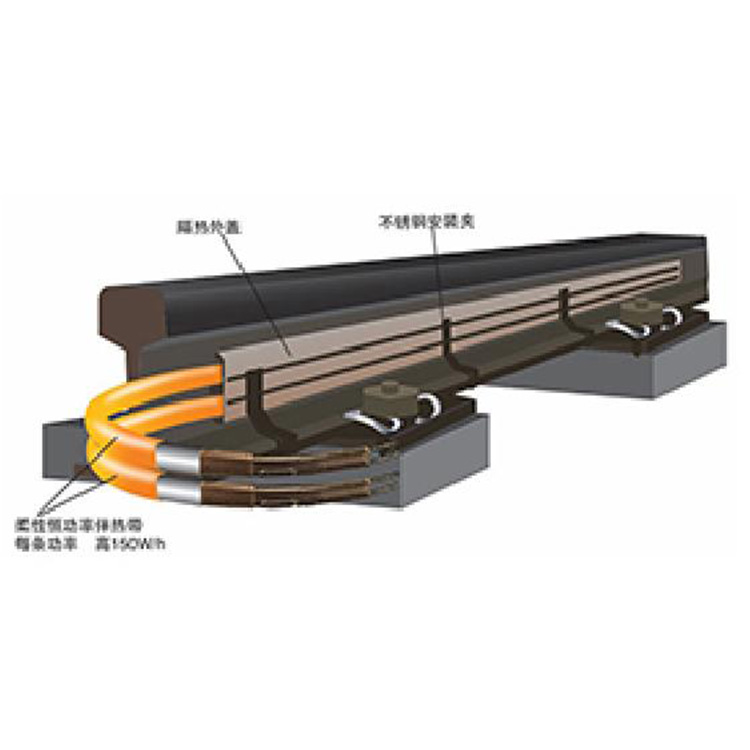 Constant Power Parallel Track Electric Heat Tracing System
 LLHT Electric Heat Tracing System
Product Details

Electric Trace Heating, Skin Heating Cable, MI Heating Cable, Various Electri...


产品Price Negotiable
最小起订Quantity: 供货总Quantity:


Nominal Section: |
|
Insulating Sheath: |
2-5 stories |
Power Voltage: |
220~35,000V |
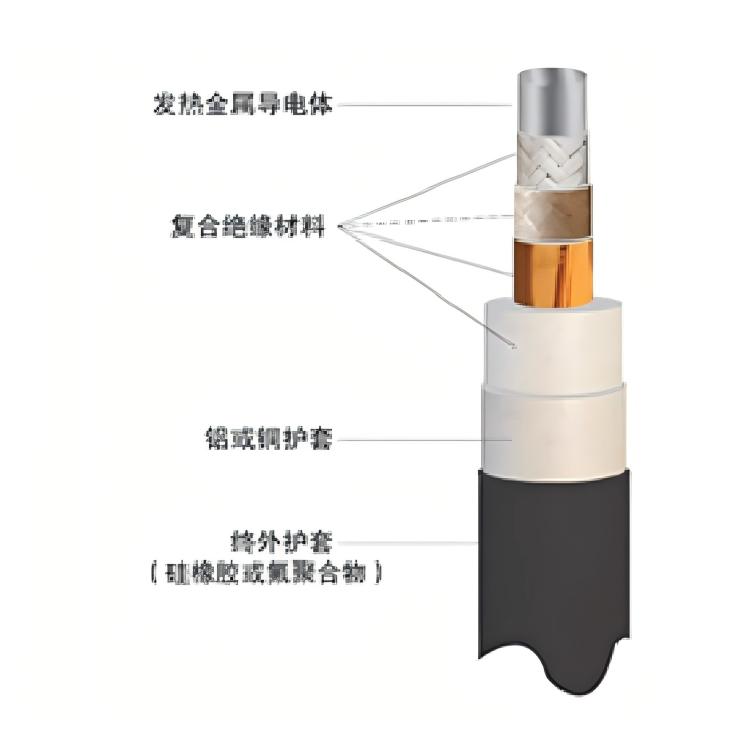
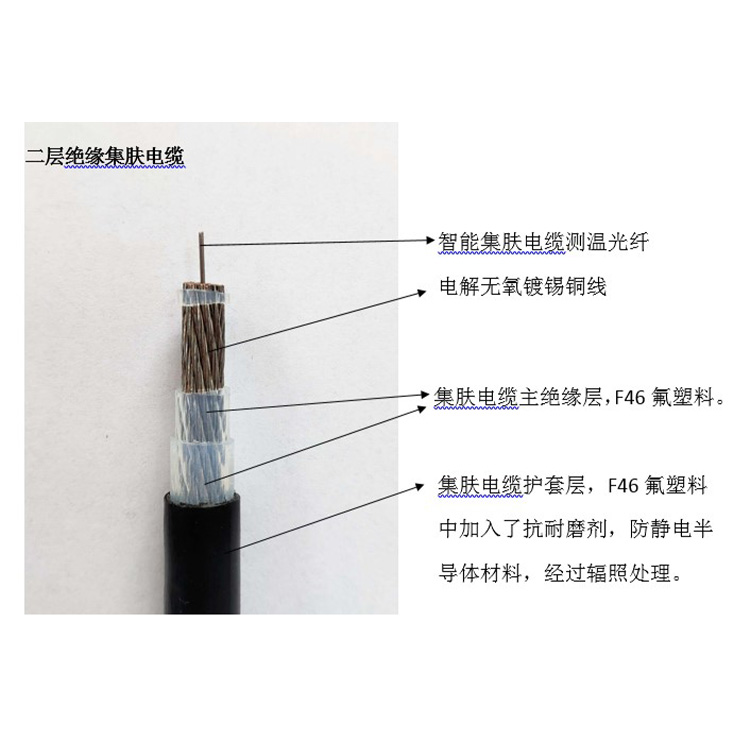
Pipe Skin Electric Current Tracing (SECT) technology is a new type of metal pipeline heating method. It offers high heating efficiency, is adaptable for the heating and tracing of all metal fluid conveying pipelines, and has an irreplaceable advantage in long-distance pipeline tracing. It also boasts simple structure, safety, reliability, lifespan matching the fluid pipeline, and easy installation and maintenance. Therefore, it has received high attention and widespread application both domestically and internationally. SECT skin effect electric heating technology, due to its majority application in large-scale projects and numerous technical challenges, has been slower to gain traction. Our company began researching the application of SECT skin effect electric heating technology in the 1980s and has completed many typical cases, creatively resolving numerous technical difficulties in engineering installation, enabling the development of this technology in our country. Skin Effect Heat Flow Diagram The principle of the SECT is based on the skin effect and proximity effect of alternating current. The skin effect refers to the phenomenon where the current tends to concentrate near the surface of a conductor as it passes through a carbon steel conductor. The proximity effect is an electromagnetic phenomenon occurring between two conductors carrying equal currents in opposite directions. When current flows through the cable and heating tube in the heating tube, the current on the heating tube gradually concentrates on the inner wall of the heating tube, generating Joule heat to meet the needs of heat tracing. The Joule heat produced by the skin effect heat tracing system primarily comes from three parts: When an electric current is passed through the heating tube, the heat emitted by the heating tube (main source of heat). 2. Heat generated from the internal cable of the heating tube. 3. The magnetic hysteresis loss within the heating tube generates some heat. In a skin effect device, an insulated conductor (SECT wire) passes through a steel pipe with strong magnetism and is connected to the pipe's end. The pipe's other end is connected to the neutral and phase lines of the power supply, applying industrial frequency or medium frequency AC voltage. Current flows through the conductor and the pipe to form a circuit, generating Joule heat. Due to the relationship between the pipe's size, material, and AC frequency, the AC current is not uniformly distributed across the pipe's cross-section but is concentrated over a certain depth on its inner surface, with the current density decreasing exponentially. The voltage and current on the outer surface of the pipe are almost zero, thus posing no safety issues. Therefore, the SECT pipe can be directly welded to the conveying pipe, making it an efficient heat source. The heat generated by the SECT pipe is rapidly transferred to the conveying pipe through the weld and thermal conductive mortar, serving as a heating function. Due to the welding of the SECT pipe with the conveying pipe, heat conduction is excellent, resulting in a temperature difference between the SECT pipe and the conveying pipe of only 5-10°C (refer to the skin effect current diagram). To prevent static electricity and induced interference in the pipeline, grounding is set at certain intervals on the SECT pipe. If the heat output of a single SECT pipe is insufficient, it can be designed with two or more pipes. Skin Effect Heating System Thermal Equilibrium Diagram Pipe Skin Electric Heating Technology Features 1) Versatile and widely applicable Suitable for various laying methods (direct burial underground, underwater laying, overhead ground) and application scenarios (factories, mines, field pipeline stations and other stringent work environments). 2) Safe and reliable, easy to install and maintain The heating pipes are made of steel tubes with high strength and tight seals, providing good protection. The heating cables use high-temperature-resistant fluoroplastic cables. The heating pipes form an insulating structure due to the skin effect, ensuring that the outer surface of the fluid pipes and heating pipes are not electrified. A safety grounding is done approximately every kilometer on the fluid pipes, with the grounding resistance not exceeding 4Ω, guaranteeing that the fluid pipes remain at zero potential, ensuring safety and reliability. Compared to other electric heating methods, the skin effect heating method is convenient for maintenance and inspection, requiring almost no maintenance during normal operation. In case of a fault, it is also easy to locate the fault point. Simply open the junction boxes at both ends of the fault point, pull out the damaged cable, and replace it with a new one. In contrast, when using other heating cables, if any issue arises, the entire heating cable must be removed, and the insulation layer needs to be destroyed to repair it. 3) Energy-saving with high heating efficiency Skin effect heating belongs to isothermal heating methods, offering balanced heating and high efficiency without local overheating. Simply increase the voltage as the pipeline lengthens. Compared to standard heating cables, energy savings can reach over 35%; compared to steam tracing, savings can exceed 80%. 4) Achievable automation control The control and protection screens can both be installed inside the monitoring room, equipped with conventional protection devices such as short-circuit and overcurrent protection, and can accurately adjust temperatures through temperature sensors, achieving automated and intelligent control. This allows for unattended operation, meeting the requirements of modern management. 5) Can be pre-fabricated in advance The infusion tube is welded with the heating tube, then insulated and encased with a protective shell. These processes can be pre-fabricated on-site, offering convenience in construction and ensuring the quality of work. 6) High tensile strength and resistance to mechanical damage. 2. Pipe Skin Effect Electric Trace Heating Model Description JFRDC-□-5~90 JFRDC: Skin Effect Cable □: Insulation Code, J2~J4 5~90: Nominal Cross Section mm² 3. Key Technical Parameters of Pipeline Skin Effect Electric Heat Tracing Products Nominal Cross Section: 5-90 mm² Insulating Sheath: 2~5 layers Power Voltage: 220~35,000V Working Voltage: 0.3~15 kV Operating Frequency: 50~4000 Hz Insulation Resistance: ≥ 2500 MΩ (20°C) Operating Temperature: -40~500℃ Bend Radius: 260mm Heating Power: 3~270W/m 4. Applicable Locations The skin effect electric heating system is highly suitable for heating, frost prevention, and temperature maintenance of long-distance pipelines. The heating distance can extend over 20km, and it only requires single-ended power supply without the need for parallel power supply circuits. It is particularly well-suited for harsh conditions and application scenarios in outdoor sites, capable of traversing varying elevation terrains. (Similar to Feature 1)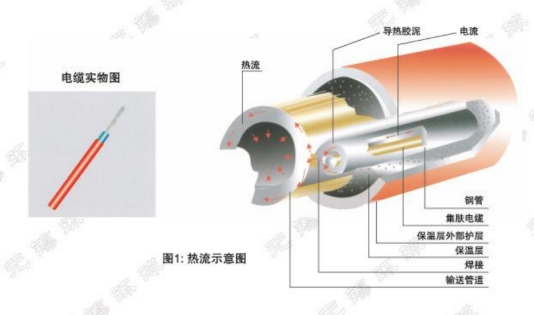

Phone Consultation