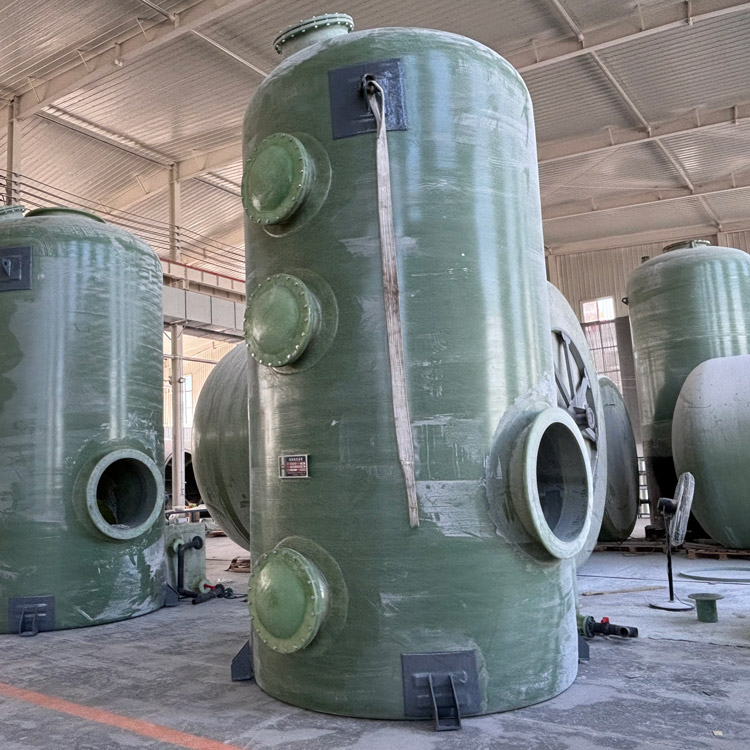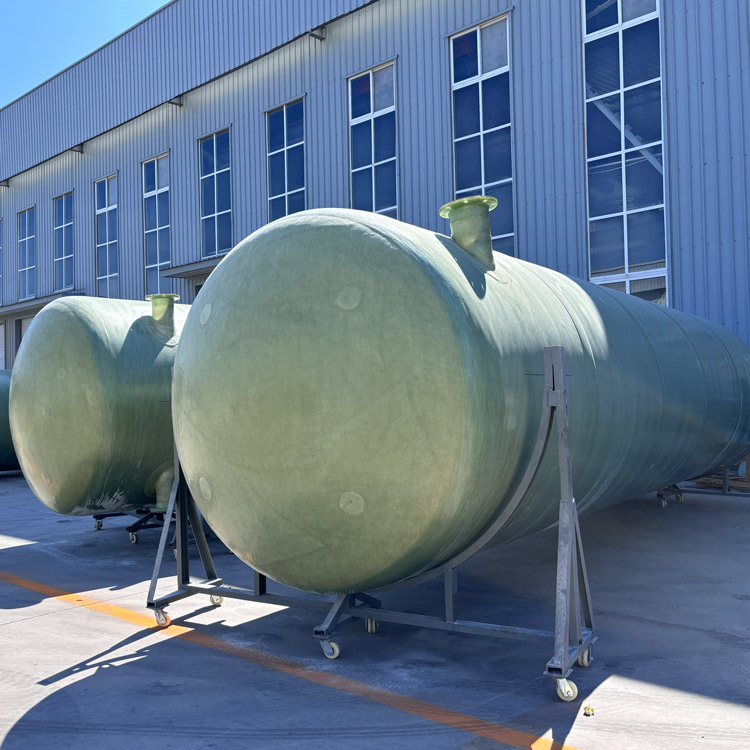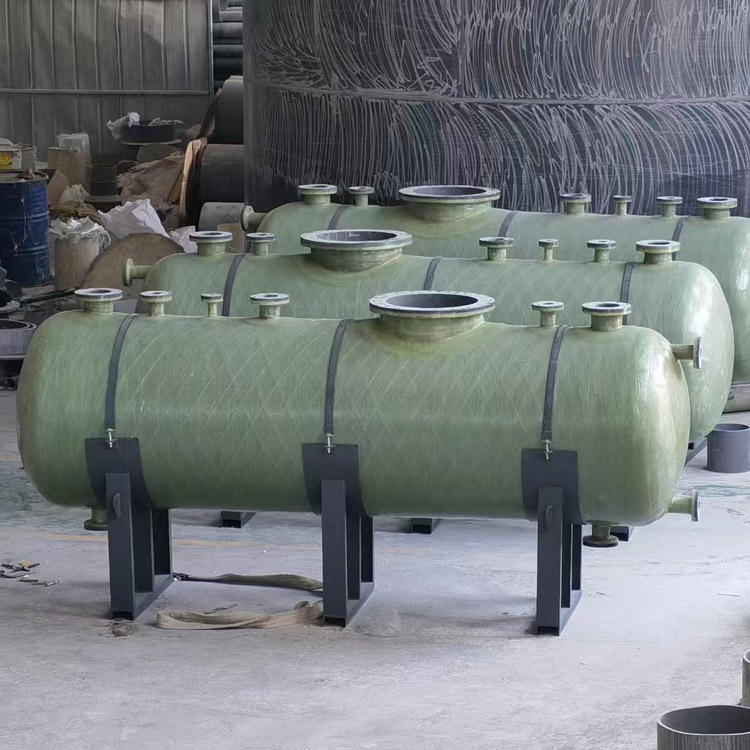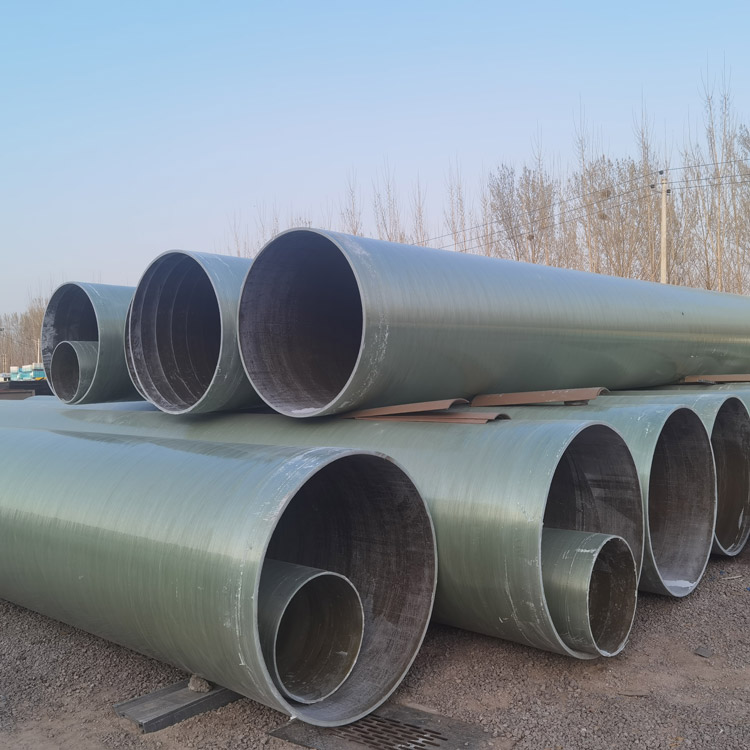
Fiberglass Storage Tanks, Fiberglass Pipe
15132883828
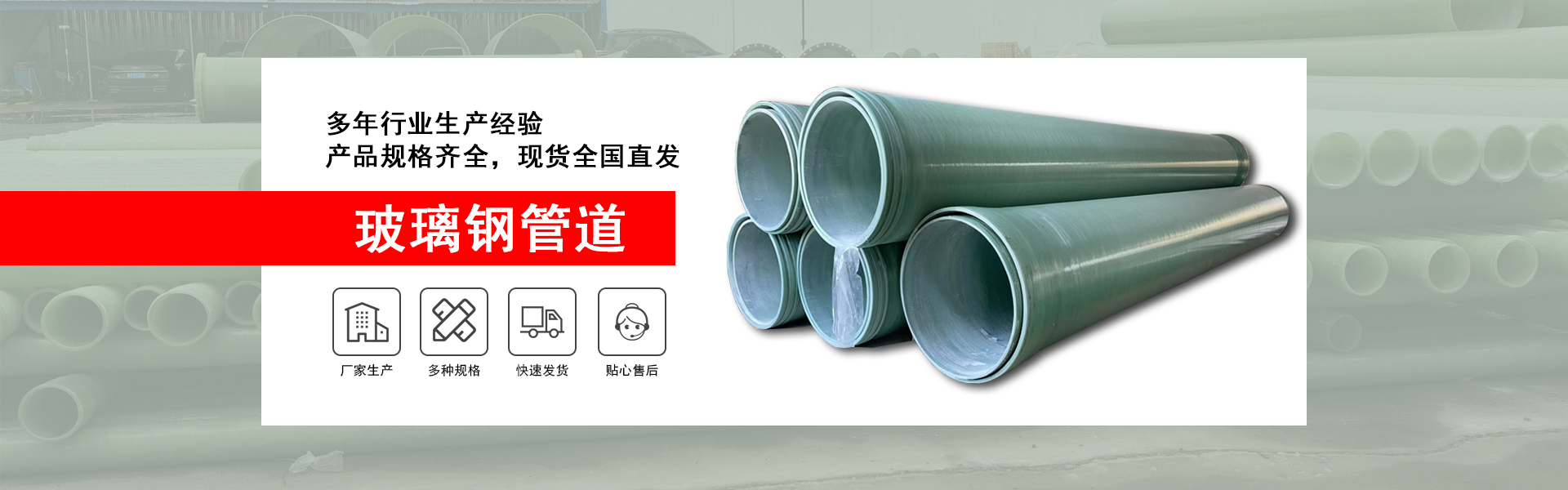
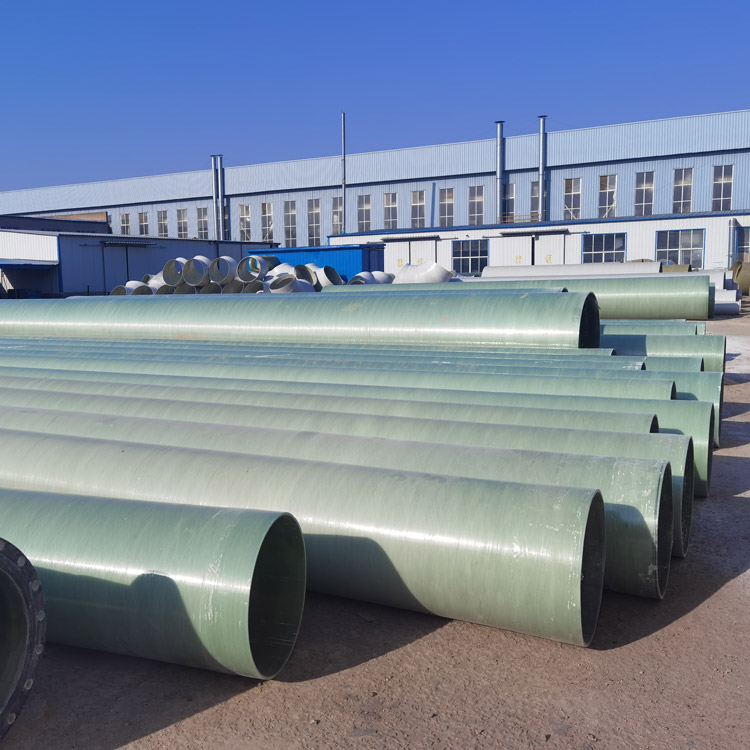
Compared to pipes made of other materials, sewage fiberglass pipes possess a range of unique advantages and characteristics. Below is an analysis comparing sewage fiberglass pipes with commonly used materials such as concrete pipes, metal pipes, and PE pipes.
One: Corrosion Resistance
Glass-reinforced plastic (GRP) piping boasts excellent chemical resistance, capable of withstanding the侵蚀 of acids, alkalis, salts, and various other corrosive agents, ensuring long-term stable operation. This characteristic makes it particularly important in industrial wastewater treatment for industries such as chemicals and oil. Concrete piping, while somewhat resistant to corrosion, is prone to erosion by acidic and alkaline substances, leading to aging and damage. Metal piping, such as cast iron and steel pipes, is susceptible to corrosion, especially in humid or high pH environments, which accelerates the rate of corrosion and affects the lifespan of the piping. PE piping is chemically stable, but can also suffer from corrosion when exposed to harsh conditions for extended periods.
Weight and Construction Convenience
Fiberglass Pipe: Lightweight, easy to transport and install, significantly reducing construction difficulty and costs. Additionally, its longer pipe sections design minimizes the number of joints, further accelerating installation speed.
Concrete pipes: Heavy, difficult to transport and install, requiring professional lifting equipment and construction teams.
Metal pipes: They are also quite heavy, requiring welding or threaded connections during installation, which increases the complexity and cost of construction.
PVC Pipes: Lightweight, easy to transport and install, with low construction costs.
Hydraulic Performance
Glass Reinforced Plastic Pipes: With smooth inner walls and low roughness, these pipes offer reduced resistance to fluid flow, effectively lowering energy consumption and pumping costs.
Concrete pipes: The inner surface is relatively rough, resulting in higher fluid resistance and energy consumption.
Metal tubes: The smoothness of the inner wall depends on the manufacturing process and material, but it is generally not as smooth as glass fiber reinforced plastic pipes.
P.E. Pipes: Smooth inner wall resists scaling, offers excellent hydraulic performance.
Four: Mechanical Strength and Pressure Resistance
Fiberglass Pipe: It boasts high mechanical strength, capable of withstanding certain external pressure and impact loads, ensuring the safe and stable operation of the pipeline system.
Concrete pipes: exhibit good compressive strength but have relatively weaker resistance to external pressure and impact resistance.
Metal pipes: Steel pipes, for instance, offer high pressure resistance and impact resistance, whereas materials like cast iron pipes are relatively weaker.
P.E. Pipes: High tensile and compressive strength, but relatively low mechanical strength, prone to damage and cracking.
V. Lifespan and Maintenance Costs
Fiberglass Pipe: With excellent corrosion resistance and mechanical properties, the lifespan of fiberglass sewage pipes typically exceeds 50 years, reducing long-term maintenance and replacement costs.
Concrete pipes: They have a relatively short service life and require regular maintenance and replacement.
Metal pipes: Prone to corrosion and damage, requiring frequent maintenance and replacement.
P.E. Pipes: Although they do have a service life, it is relatively shorter compared to glass fiber reinforced pipes.
Section 6: Cost Comparison
Fiberglass Pipe: While the production cost is high, its overall cost-effectiveness is high due to the stability and low maintenance costs associated with its long-term use.
Concrete pipes: relatively low in cost, but with higher construction and maintenance expenses.
Metal Tubes: Prices are highly influenced by market fluctuations, and they require frequent maintenance and replacement, resulting in higher overall costs.
PVC Pipes: Generally, they are moderately priced, but the specific cost depends on factors such as pipe specifications and materials.
In summary, FRP piping excels in its corrosion resistance, weight and ease of installation, hydraulic performance, mechanical strength and pressure resistance, service life, and maintenance costs. Although its production cost is relatively high, the overall cost-effectiveness remains high when considering its stability over the long term and low maintenance costs. Therefore, in the wastewater treatment and conveyance field, FRP piping has a broad application prospect and market demand.
Contact us

Service Hotline
15343189388
Company Telephone
15132883828

Address
No Chinese content provided.
b2b.china9.net © Zhongshang 114 Hebei Network Technology Co., Ltd.Address: Room 6009, Oriental New World Center, No.118 East Zhongshan Road, Qiaoxi District, Shijiazhuang City, Hebei ProvincePlatform Service Hotline: 4006299930