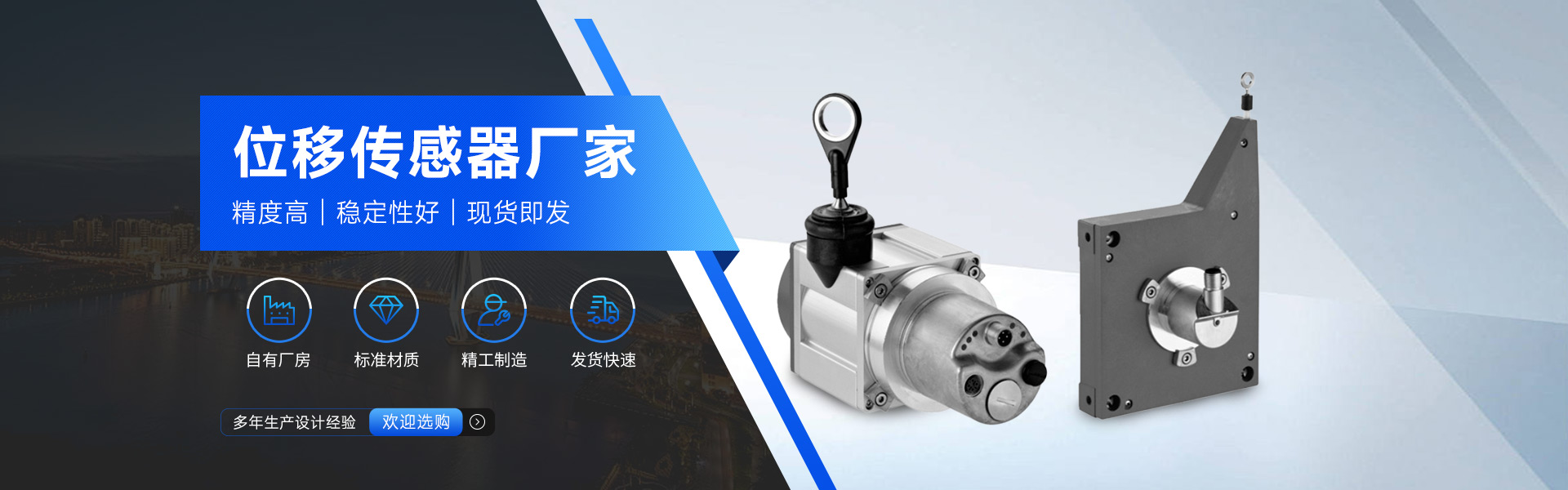
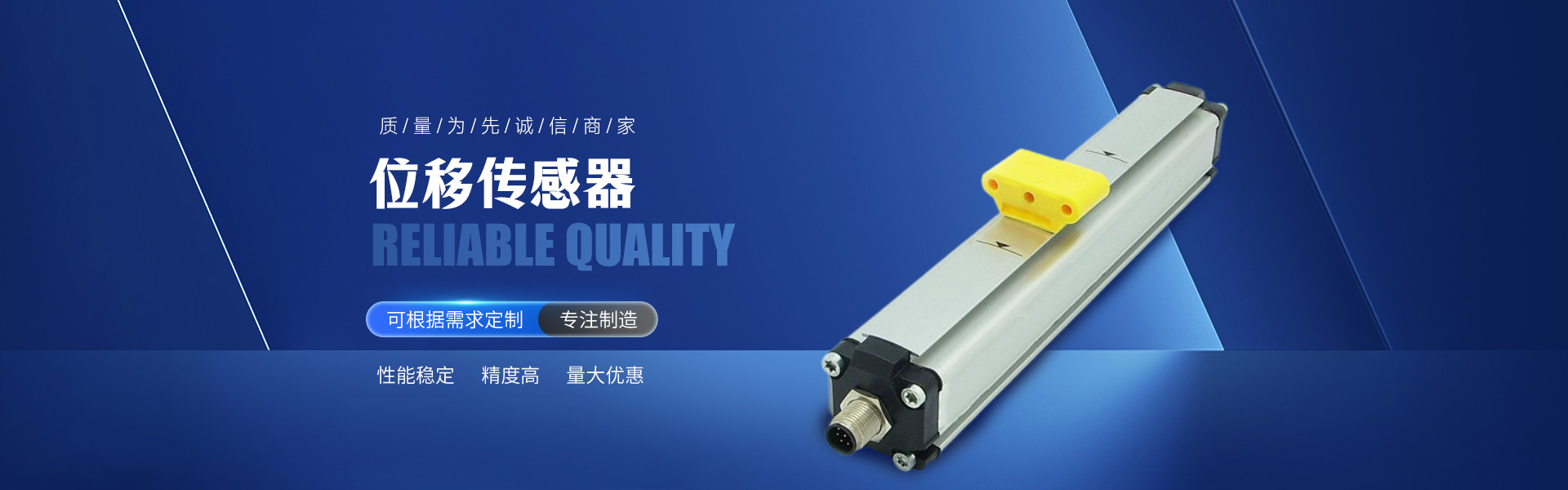
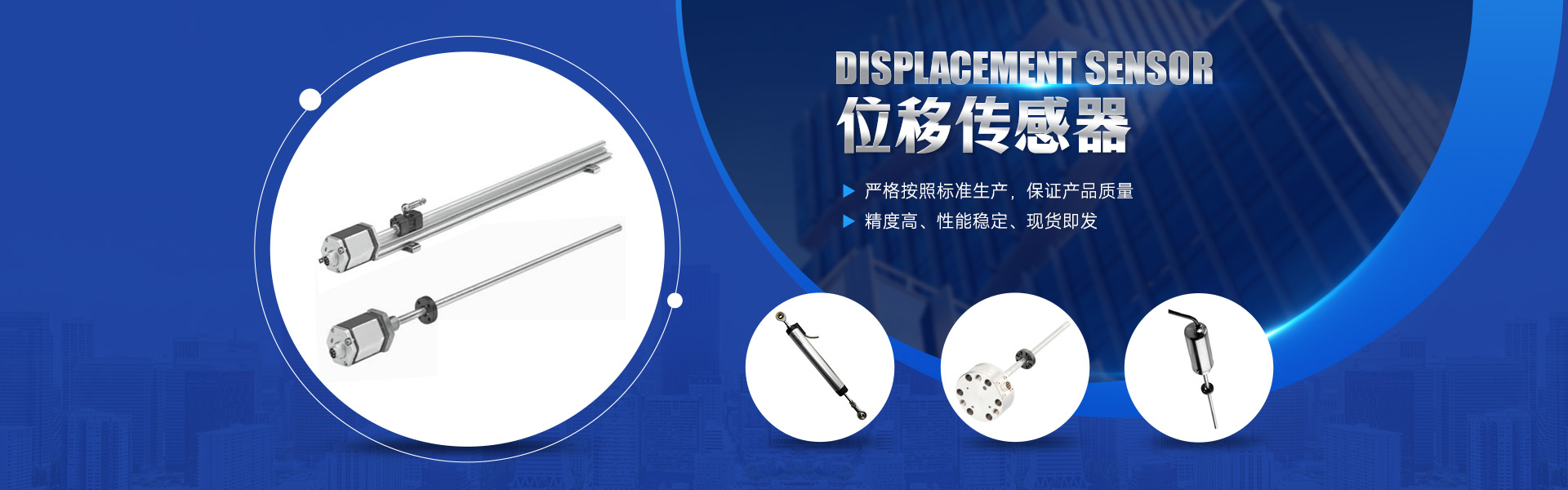
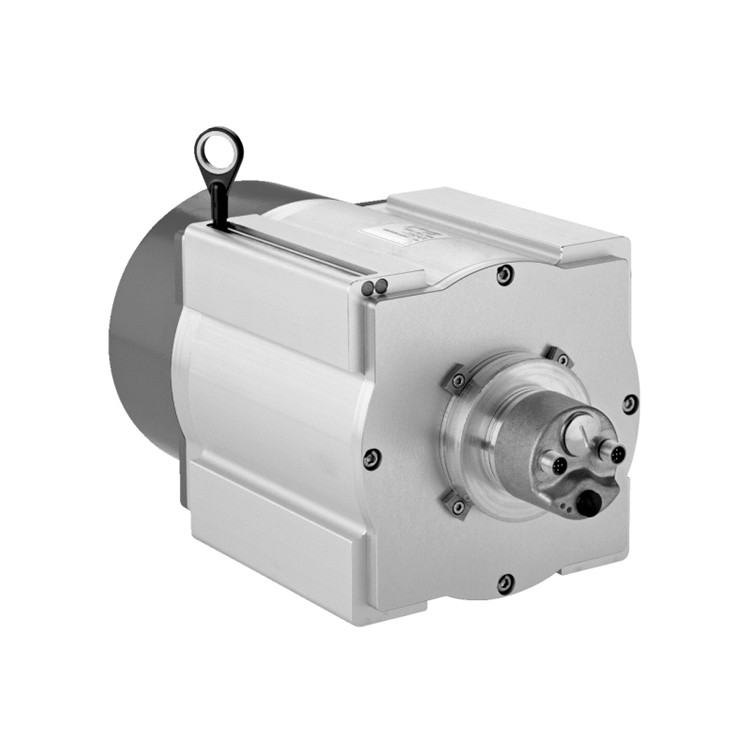
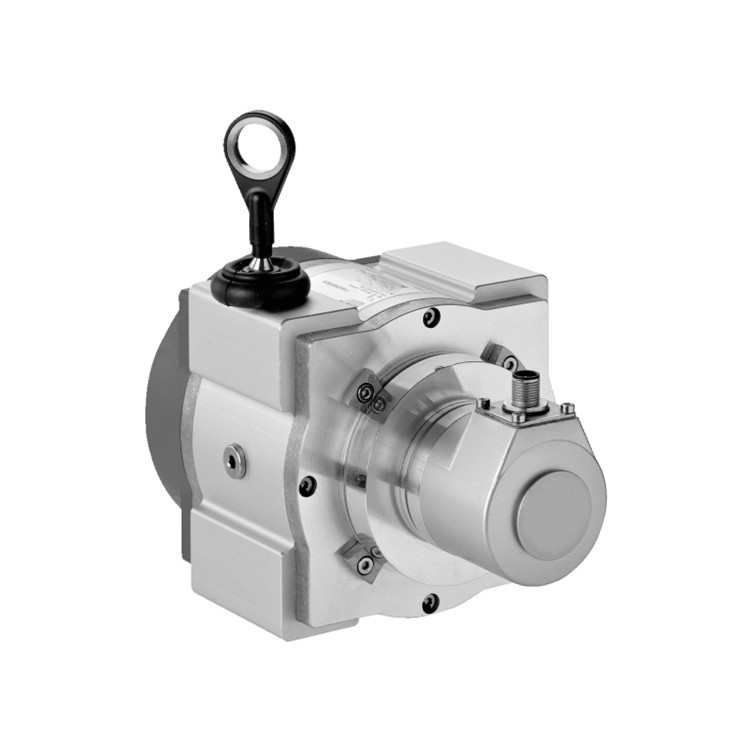
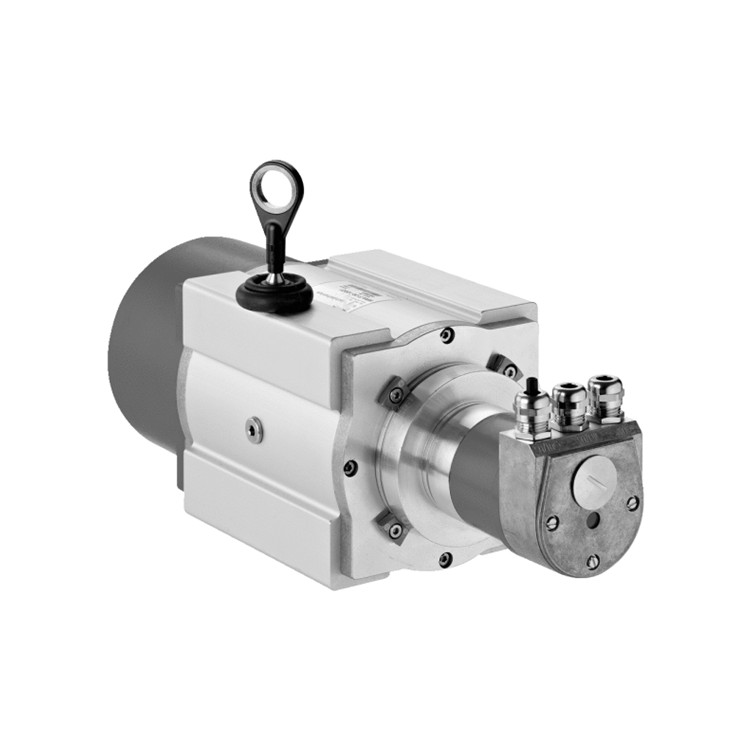
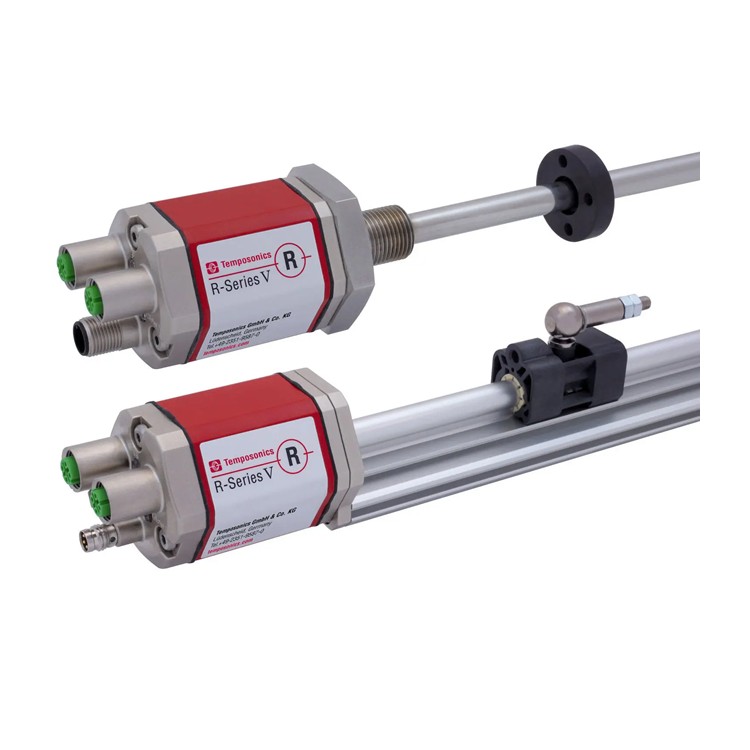
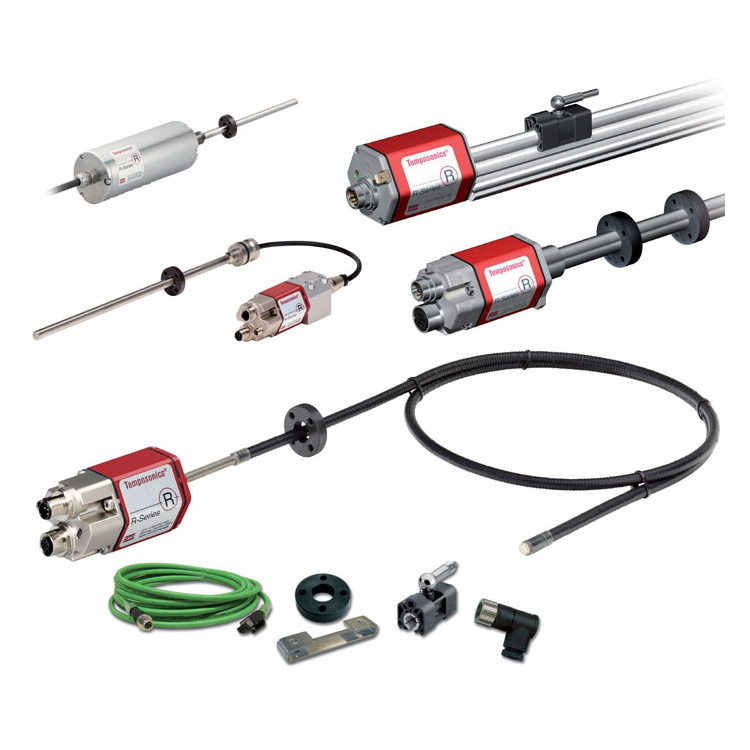
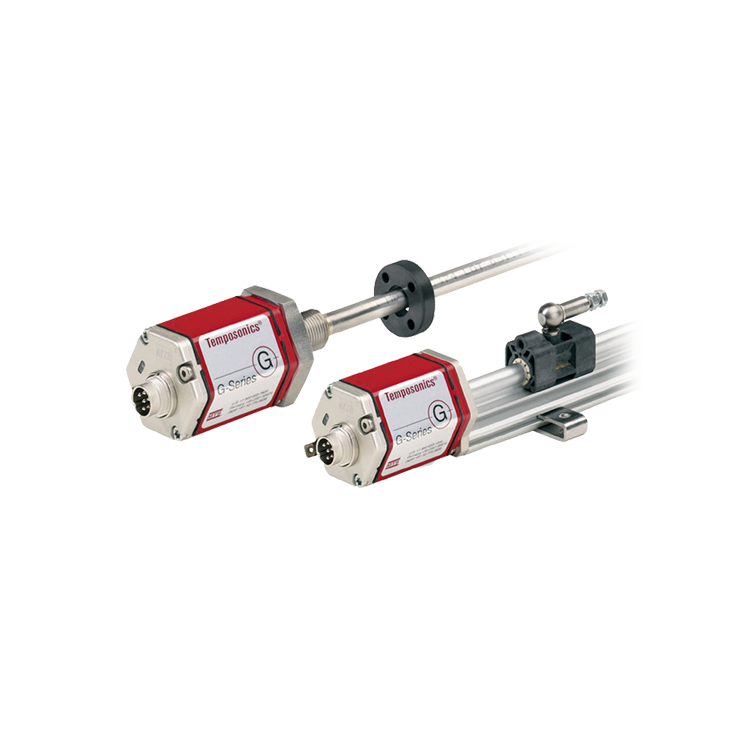
Position Sensors, Magnetostrictive Position Sensors, Rope...

In the testing machine equipment, merely providing accurate measurements and results is insufficient. Consistency in these results must be maintained with each use of the machine. Variations in test data indicate that the obtained results may be flawed and potentially useless. This inconsistency not only undermines the effectiveness of the testing but also compels operators to run more samples to achieve a quantifiable significant average, thereby wasting the operator's time and money. It may require 100 tests instead of just 25 or 50 for a single component.

Industry Standards
Before discussing various technologies, it's crucial to understand how the industry measures reliability and consistency. Historically, efforts to quantify these factors have varied in success. However, in 2005, a new standard, ASTM E2309, was released to regulate the methods and criteria for testing equipment in linear displacement machines. According to the requirements outlined in ASTM E2309, consistency and confidence levels of data captured by linear position sensors can be measured and compared.
ASTM E2309 features four levels of accuracy specification:
A-Grade± 0.5% reading or ± 0.001 inches (0.025 mm)
B Level±1.0% reading or ±0.003 inches (0.075 mm)
C LevelReadings ± 2.0% or ± 0.005 inches (0.125 mm)
D Level± 3.0% reading or ± 0.010 inches (0.250 mm)
As shown above, within each category, there are two accuracy specifications—the relative error, which refers to the percentage of the reading, and the absolute error, which refers to the actual measurement error itself. There is also a third specification related to measurement resolution, which is not particularly relevant to the key points outlined here.
To determine the ASTM E3209 grade, data from two runs are required. Then, the differences between these runs are used to demonstrate the confidence in the measurement repeatability.
These categories are crucial for manufacturers, as they enable companies to select testing equipment that precisely meets their application's parameters, industry expectations, and standards, while still considering other factors such as operational costs, ease of installation, and environmental conditions.
Measurement Technology
One of the common methods used in today's testing equipment for measuring linear displacement is the Linear Variable Differential Transformer (LVDT). The LVDT operates by measuring the current along a cylindrical ferromagnetic core. A metallic object moves along the core and generates a signal, which is then measured by three coils placed along the tube. This technology offers various advantages, including compatibility with most industrial equipment, ease of installation, and quick startup (no need for recalibration).
Technology, magnetostrictive, operates by inducing acoustic strain pulses within a specially designed magnetostrictive waveguide through the instantaneous interaction of two magnetic fields. One field originates from a movable permanent magnet passing through the exterior of the sensor tube; the other field comes from current pulses or interrogation pulses applied along the waveguide. This interaction generates strain pulses that propagate along the waveguide at the speed of sound until detected at the sensor head.
By measuring the elapsed time between the application of the interrogation pulse and the arrival of the strain pulse, the position of the magnet can be determined with high precision. This enables accurate, non-contact position feedback without wearing down the sensing elements. Magnetostrictive positioning also requires no recalibration and can be easily installed in most industrial environments.
Factors Affecting Accuracy
In our controlled laboratory settings (with controlled temperature, electrical/magnetic interference, shock, vibration, etc.), most sensors will provide quite consistent results. The true indicator is the product's behavior in actual environmental conditions.
Especially LVDTs, which are susceptible to environmental influences. Designed as variable AC transformers, LVDTs are prone to be affected by cable capacitance, impedance, demodulator phase shift, and even minute changes in the transformer and its matching magnetic core's physical windings. Furthermore, as the core and transformer maintain concentricity and angular alignment, the components may degrade over time, particularly when combined with sand or other contaminants.
How They Measure – The Advantages of Magnetostrictive
Although LVDTs still hold a significant position in the market, the advantages of magnetostrictive sensors are evident through direct comparisons using ASTM E2309. With typical linearization algorithms, LVDTs struggle to meet Class C specifications (±± 2.0% of reading or ± 0.005 inches) over a physical range of >25 cm, whereas most magnetostrictive linear position sensors can easily maintain Class A ratings (0.5% of reading or ± 0.001 inches), especially during actual field measurements. This advantage becomes more prevalent in applications requiring very long stroke lengths (>100 cm) or high-speed readings (50 cm/s).
Compared to LVDTs, magnetostrictive sensors are less susceptible to environmental factors such as electromagnetic interference, shocks, and vibrations. Moreover, as magnetostrictive sensors do not use moving parts, wear due to continuous use is not an issue. These sensors can operate indefinitely with minimal maintenance. They can be installed in almost any space without affecting performance.
Magnetic伸缩sensors are compatible with a wide range of electronic protocols, including EtherNet/IP™, EtherCAT, Profibus, DeviceNet, CANbus, SSI, analog, and generic Ethernet. The sensor division has introduced a model featuring separate electronic components. By disassembling the electronic components, manufacturers can further isolate sensitive equipment from harsh environments, which may be damaged by temperature, shock, vibration, or other conditions, without affecting the sensor's performance.
Conclusion
Although LVDTs still hold value in low-end performance applications, magnetostrictive technology offers tangible benefits in equipment requiring long-term reliable data. In testing machine applications, magnetostrictive linear position sensors will deliver more consistent results, reduce wear, and allow for a high ASTM E2309 classification, enabling manufacturers to better meet application specifications, customer expectations, and industry regulations.


b2b.china9.net © Zhongshang 114 Hebei Network Technology Co., Ltd.Address: Room 6009, Oriental New World Center, No.118 East Zhongshan Road, Qiaoxi District, Shijiazhuang City, Hebei ProvincePlatform Service Hotline: 4006299930