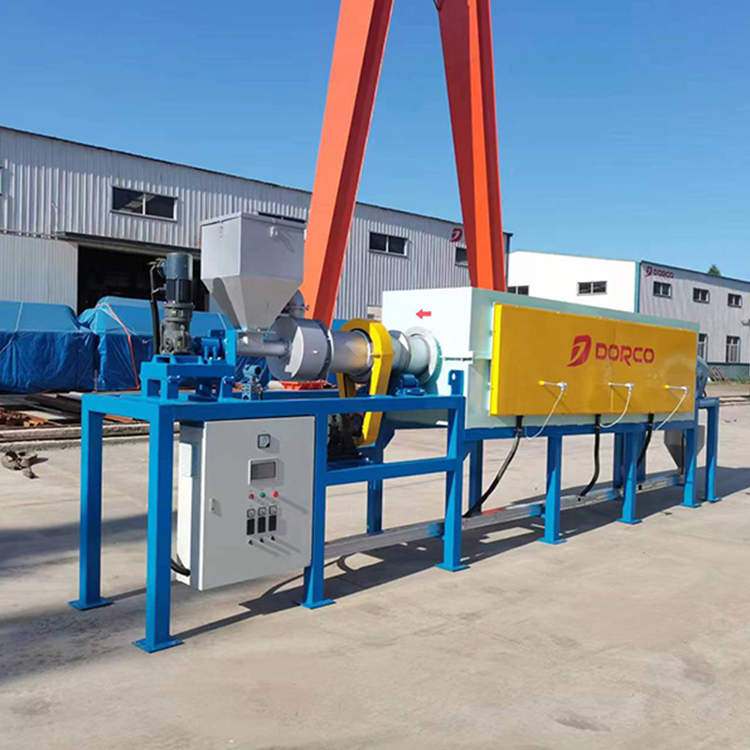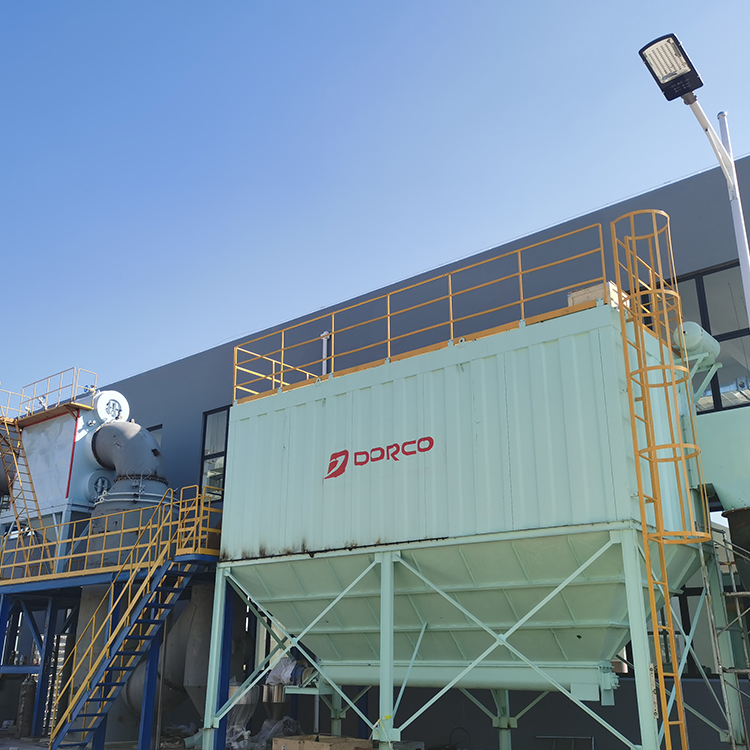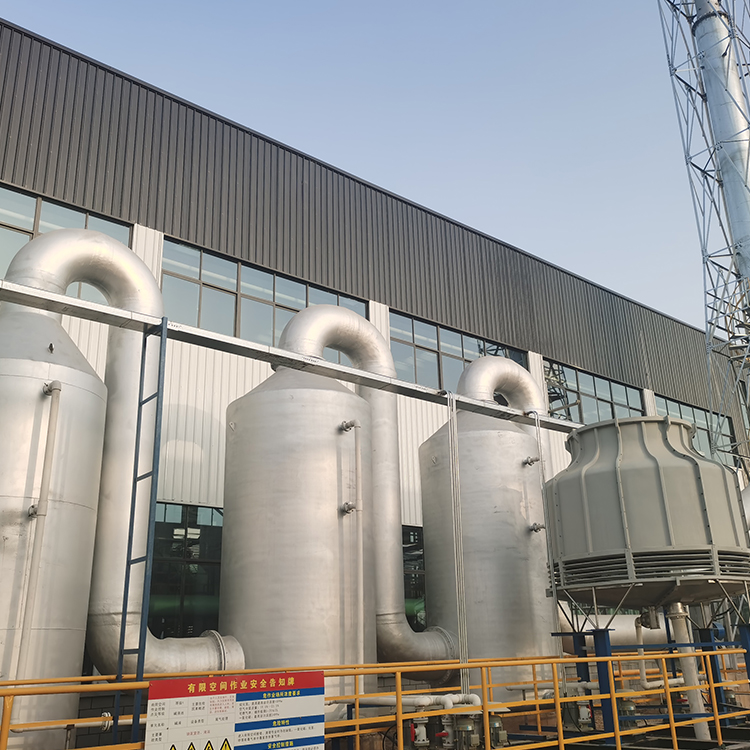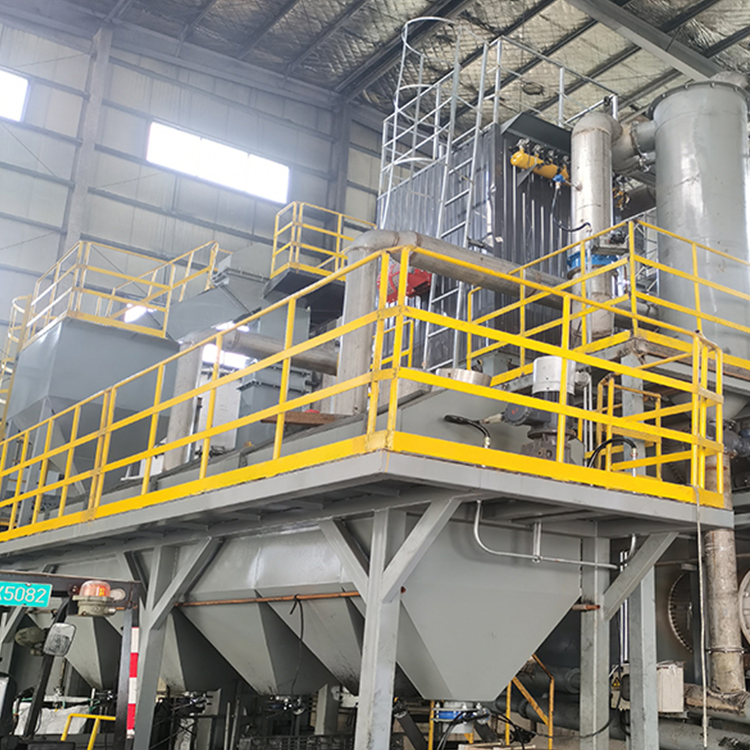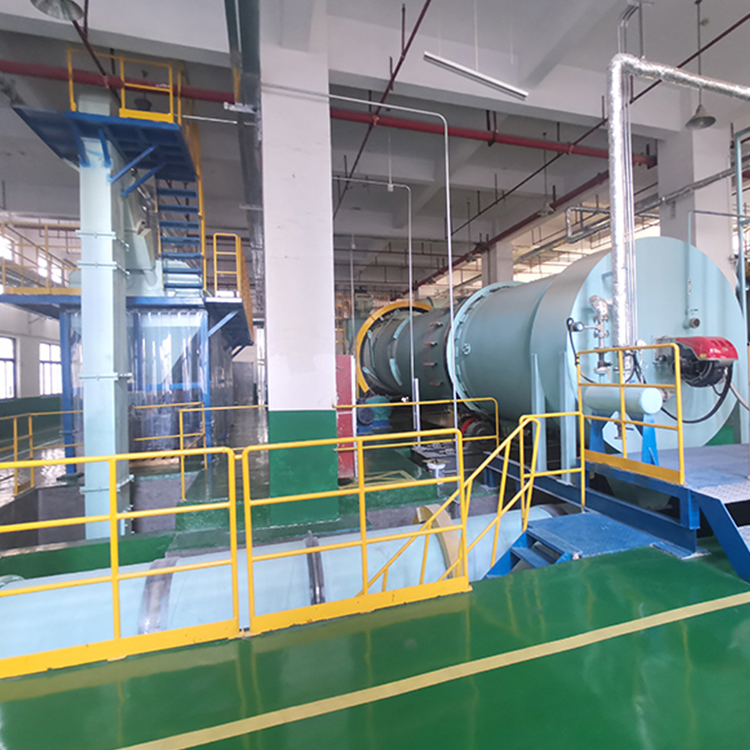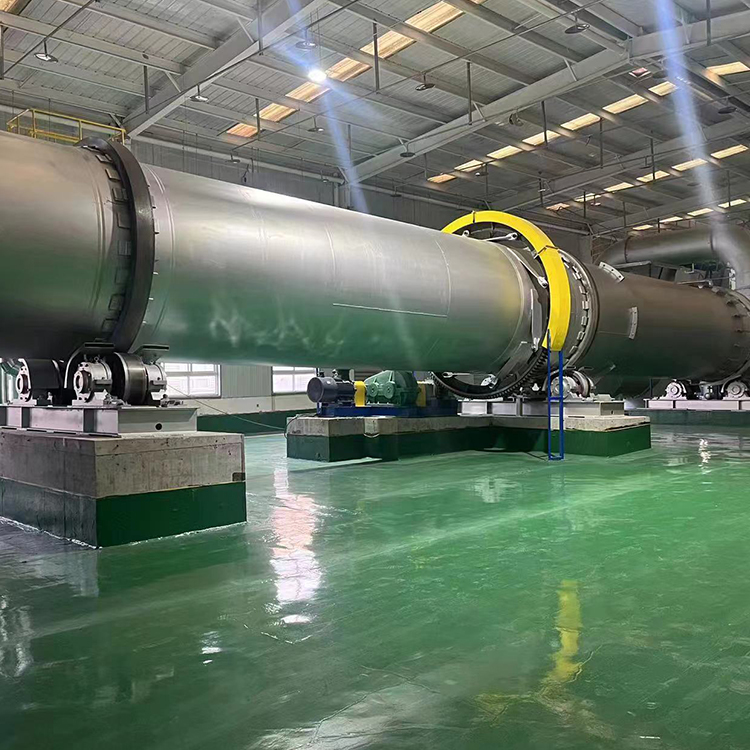
Waste hazardous activated carbon regeneration full equipm...

Activated carbon is a carbon material with a large specific surface area and a porous structure. It can be categorized by its raw material into coal-based activated carbon, wood-based carbon, fruit shell carbon, and bone carbon; and by its form into columnar carbon, crushed carbon, powdered carbon, and fibrous activated carbon. The main raw materials for activated carbon are carbon-rich organic materials such as coal, wood, and fruit shells, which are activated to form complex pore structures with adsorption capabilities. Pores with a radius greater than 20,000 nm are large pores, those between 15,000 and 20,000 nm are medium pores, and those less than 150 nm are micro-pores. The adsorption of activated carbon primarily occurs in these voids and surfaces, with a large number of molecules on the activated carbon pore walls generating a strong attraction to pull impurities from water and air into the pores.
Activated carbon adsorption can be categorized into physical adsorption and chemical adsorption. Physical adsorption primarily occurs in the abundant micropores of activated carbon, used for removing impurities from water and air. These impurities must have a molecular diameter smaller than the pore size of the activated carbon. Different raw materials and processing techniques result in varying microporous structures, specific surface areas, and pore sizes of activated carbon, making it suitable for different applications. Activated carbon not only contains carbon elements but also functional groups on its surface, which react chemically with the adsorbed substances, commonly occurring on the surface of the activated carbon. Impurities in the medium continuously enter the porous structure of activated carbon through physical and chemical adsorption, leading to saturation and a decrease in adsorption efficiency. After adsorption saturation, activated carbon needs to be activated and regenerated to restore its adsorption capacity for reuse. The main indicators for evaluating the adsorption performance of activated carbon include methylene blue value, iodine value, and caramel adsorption value, with higher adsorption capacity indicating better adsorption efficiency.
Activated carbon can be applied in air purification and water, as well as wastewater treatment, for the separation or collection of impurities in air and water media. Both granular activated carbon and powdered carbon serve the same purpose and can be used for water treatment. Granular carbon is less prone to loss and can be recycled and reused, suitable for less severe pollution water treatment processes that require continuous operation. Powdered carbon is not easily recyclable and is generally used for one-time applications in intermittent and more severe water treatment processes. Granular activated carbon for potable water treatment typically has well-developed micropores and mesopores and should meet three requirements: high adsorption capacity, fast adsorption speed, and good mechanical strength. Powdered activated carbon requires, in addition to the above characteristics, that the smaller the particle size, the better the adsorption effect.
Activated carbon filter beds are a deep treatment process in water supply treatment, effectively removing color, odor, taste, and dissolved organic pollutants from water, enhancing the quality of the supplied water. Granular activated carbon is periodically backwashed based on the quality of the raw water. Generally, water冲洗 is used, with backwashing occurring every six days, requiring a backwash intensity that reaches over 30% of the filter bed expansion rate. New carbon primarily relies on physical and chemical adsorption. After a certain period of use, when a biofilm forms on the carbon surface, biological degradation becomes the primary mechanism. Replacement or regeneration is necessary when the indicator for evaluating the adsorption effect of activated carbon falls below relevant standards or when certain pollutants穿透 the carbon bed. New carbon requires soaking for 24-48 hours before use, followed by backwashing to remove residual impurities such as tar and carbon dust. The number of backwashes and the turbidity of the effluent can be determined based on the intended use of the treated water. For water treatment with activated carbon, the turbidity of the backwash effluent is typically controlled between 2-5 NTU.
Powdered activated carbon excels in addressing sudden odor issues in water and treating industrial pollutants.
When using powdered activated carbon, it is essential to conduct adsorption tests based on the type and concentration of the pollutants to be removed, in order to determine the type of activated carbon and the required amount of powdered carbon. Before adding powdered carbon, it is important to first mix the carbon powder into a carbon slurry and add it uniformly to the water. The longer the contact time, the better the pollution removal effect.
During the use of powdered carbon, the following safety issues should be noted; when the dust concentration reaches a certain level, it is prone to explosion upon contact with an open flame, thus smoking, sparks, and open flames are prohibited in the operating area; it should be kept away from oxidizers; due to the small and light particles of powdered carbon, dust pollution should be avoided during use, and operators must wear dust masks to prevent inhalation into the lungs.


b2b.china9.net © Zhongshang 114 Hebei Network Technology Co., Ltd.Address: Room 6009, Oriental New World Center, No.118 East Zhongshan Road, Qiaoxi District, Shijiazhuang City, Hebei ProvincePlatform Service Hotline: 4006299930