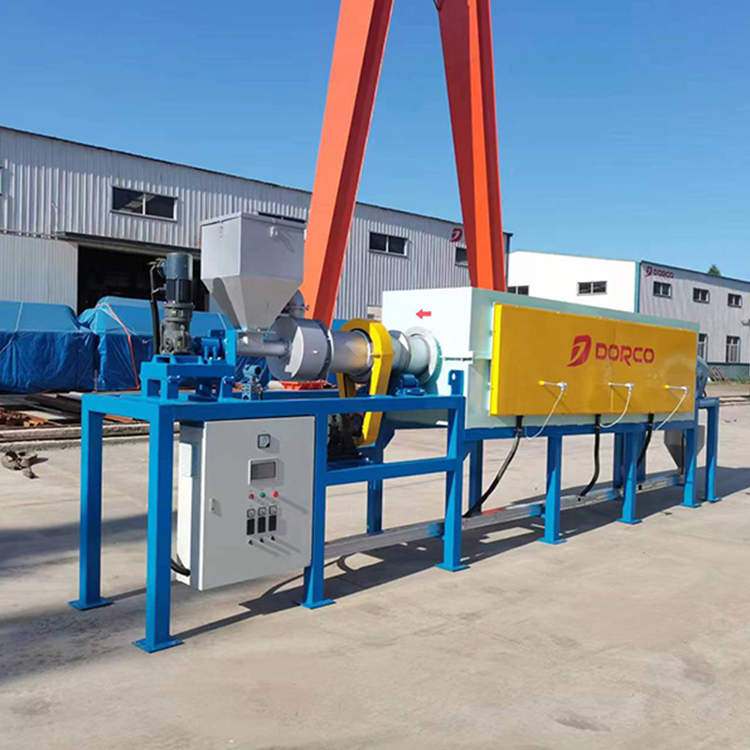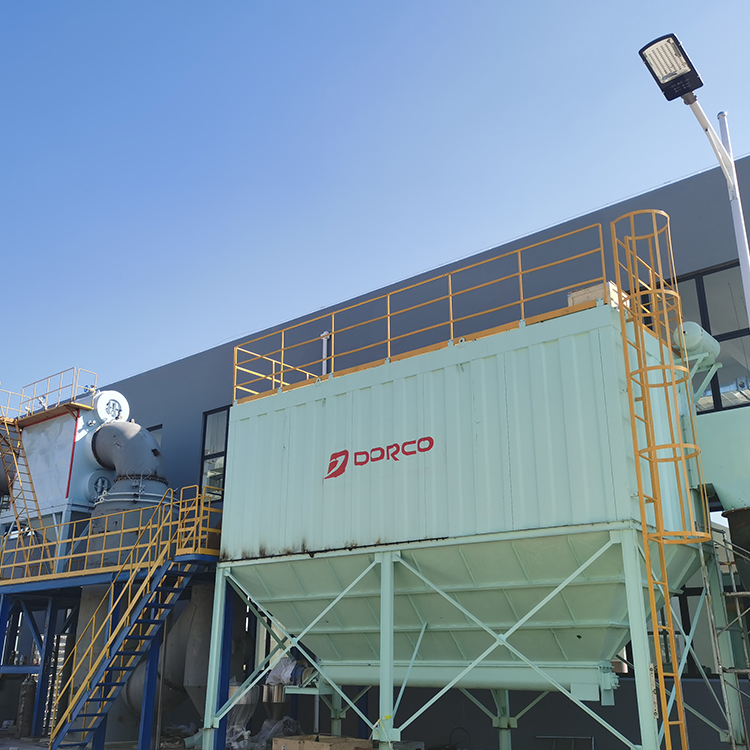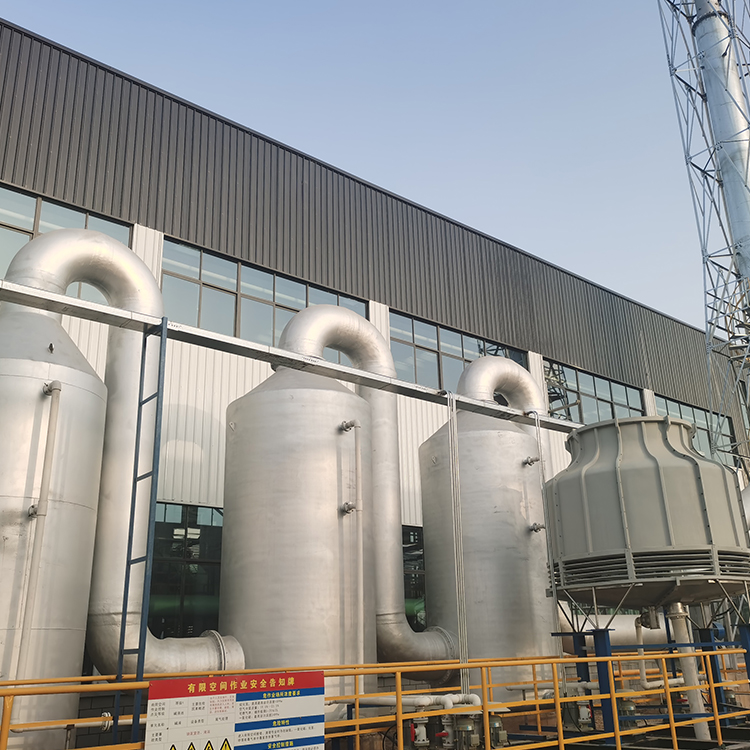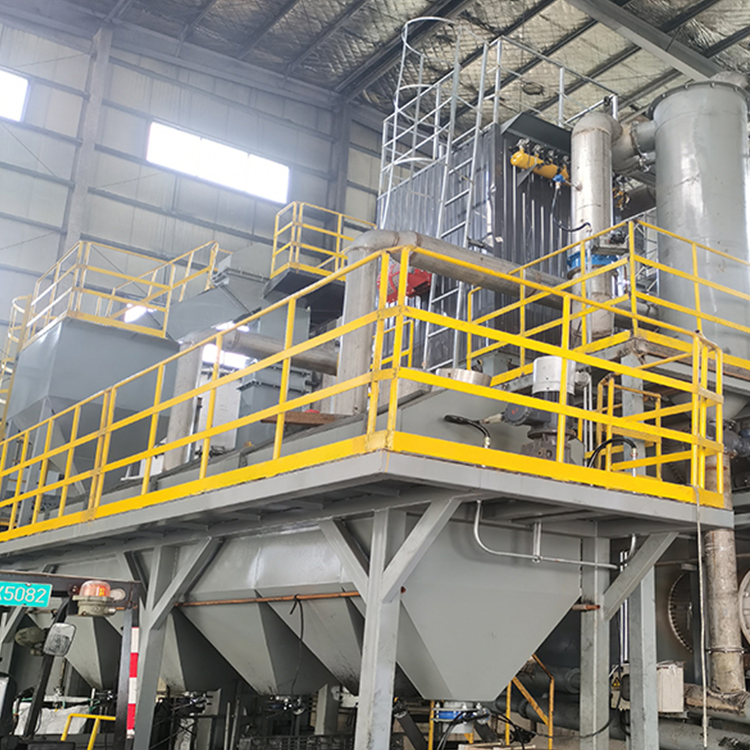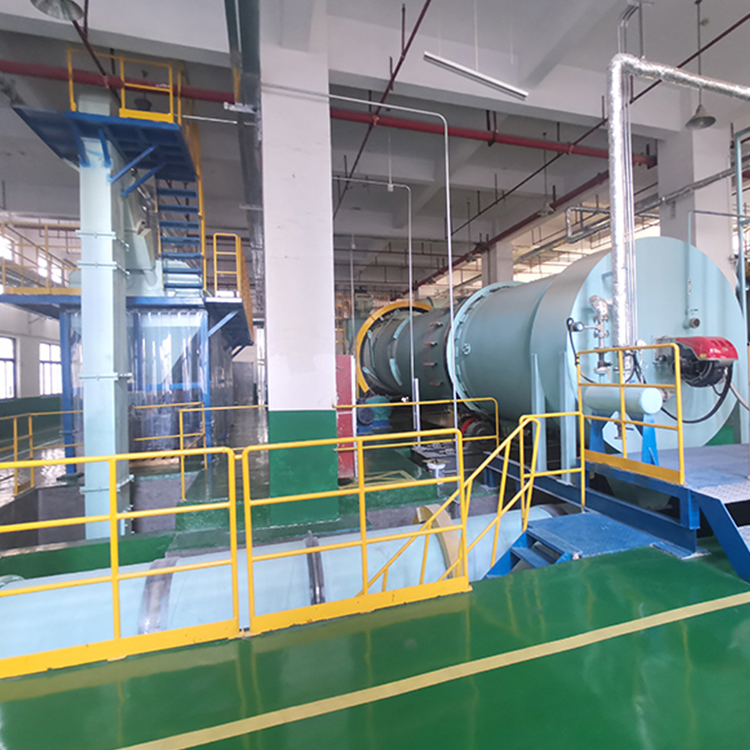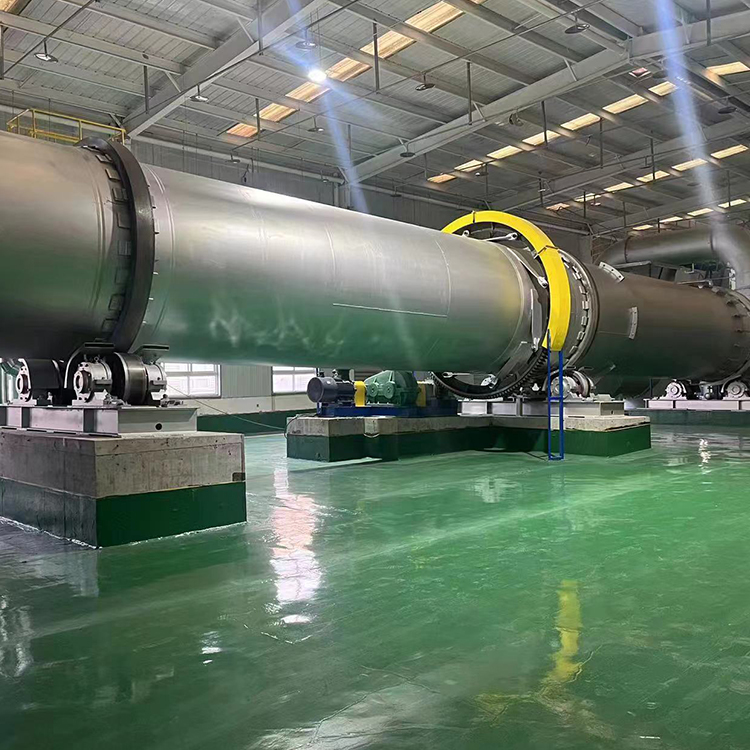
Waste hazardous activated carbon regeneration full equipm...

Generally, it is divided into regeneration after adsorbing organic impurities and regeneration after absorbing water:
Silicone adsorption of organic impurities followed by regeneration is categorized into the following types:
Firing method
For coarse-pore silica gel, it can be gradually heated to 500-600℃ in a calcination furnace, taking approximately 6-8 hours until the particles turn white or yellow-brown. For fine-pore silica gel, the calcination temperature should not exceed 200℃.
Washing Method
After silicone absorbs water vapor to saturation, it is soaked in hot water for rinsing. The process can be enhanced with detergents to remove waste oil or other organic impurities, followed by clean water rinsing and drying to remove moisture.
Solvent Rinse Method
Based on the type of organic substances adsorbed by the silica gel, an appropriate solvent is selected to dissolve the organic substances trapped within the silica gel. Subsequently, the silica gel is heated to remove the solvent.
Silicone Absorption and Re-generation
Silica gel absorbs moisture, which can then be removed through thermal desorption. There are various methods of heating, such as electric furnaces, flue gas waste heat, and hot air drying. The desorption heating temperature should be controlled between 120-180°C, while for blue indicator gel, colored silica gel, and blue silica gel, it should be between 100-120°C. The maximum temperature for regenerating various industrial silica gel should not exceed the following limits: coarse-pore silica gel should not exceed 600°C; fine-pore silica gel should not exceed 200°C; blue indicator gel (or colored silica gel) should not exceed 120°C; silica-alumina gel should not exceed 350°C. After regeneration, the moisture content of the silica gel should generally be controlled below 2% to be reused.
Qingdao Doleko Environmental Technology Co., Ltd., the Chongqing Silicone Regeneration Project, utilizes the heating calcination method, primarily for desorption and regeneration of medical-grade silicone after absorption. Through drying and calcination in a carbonization furnace, the silicone can be restored to its original performance, allowing for multiple reuse.


b2b.china9.net © Zhongshang 114 Hebei Network Technology Co., Ltd.Address: Room 6009, Oriental New World Center, No.118 East Zhongshan Road, Qiaoxi District, Shijiazhuang City, Hebei ProvincePlatform Service Hotline: 4006299930