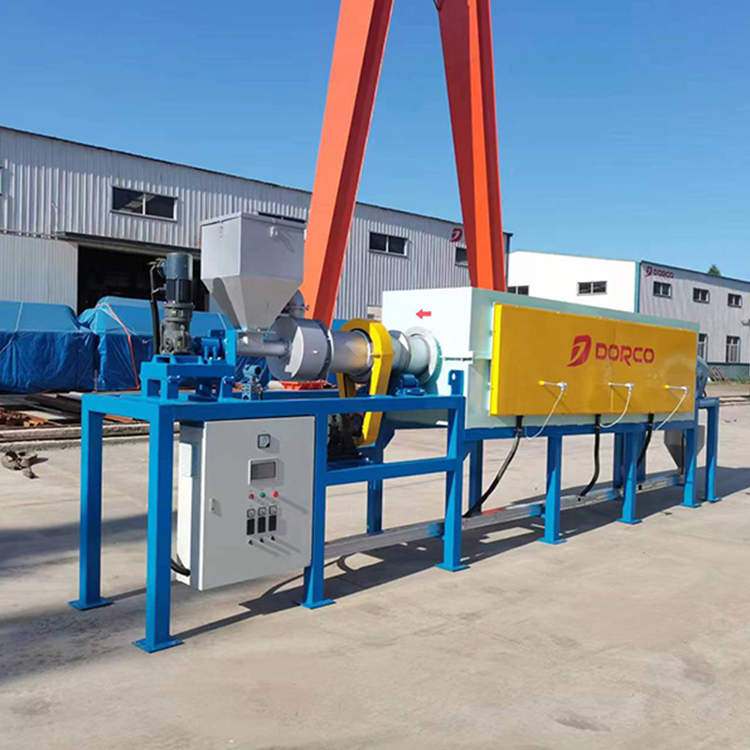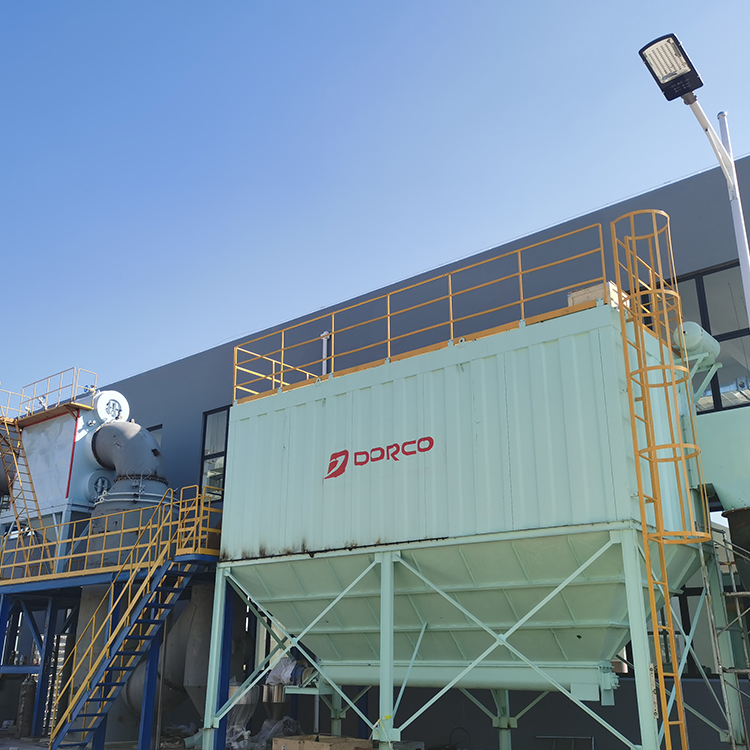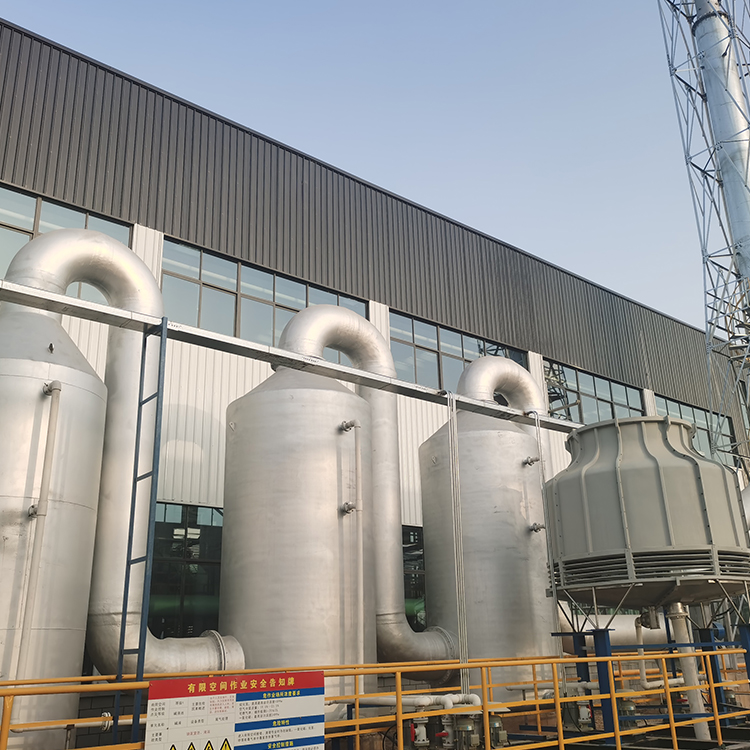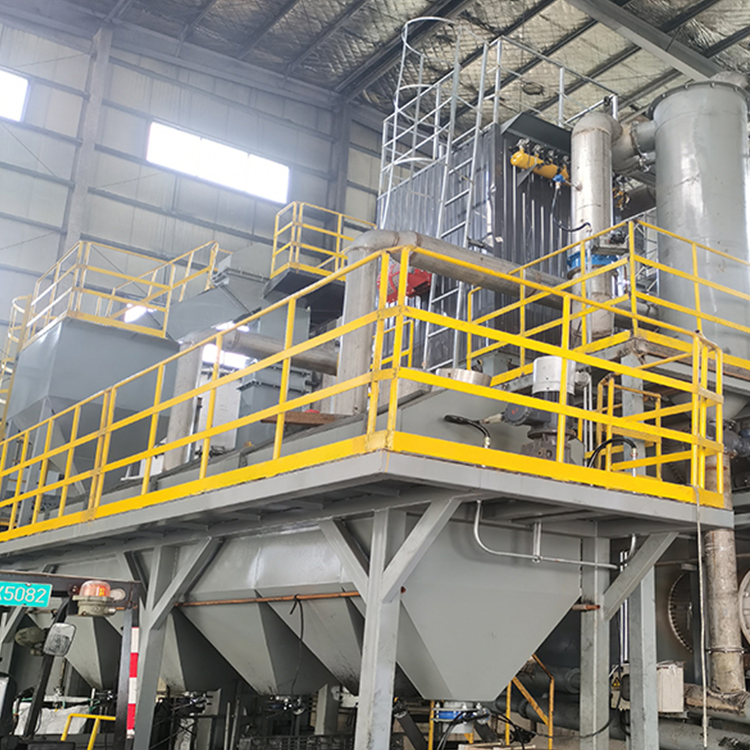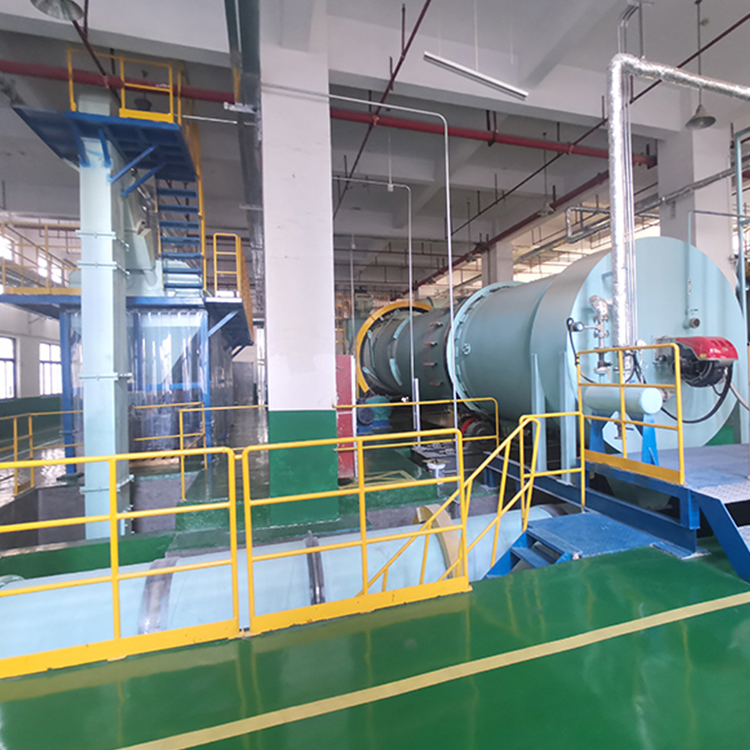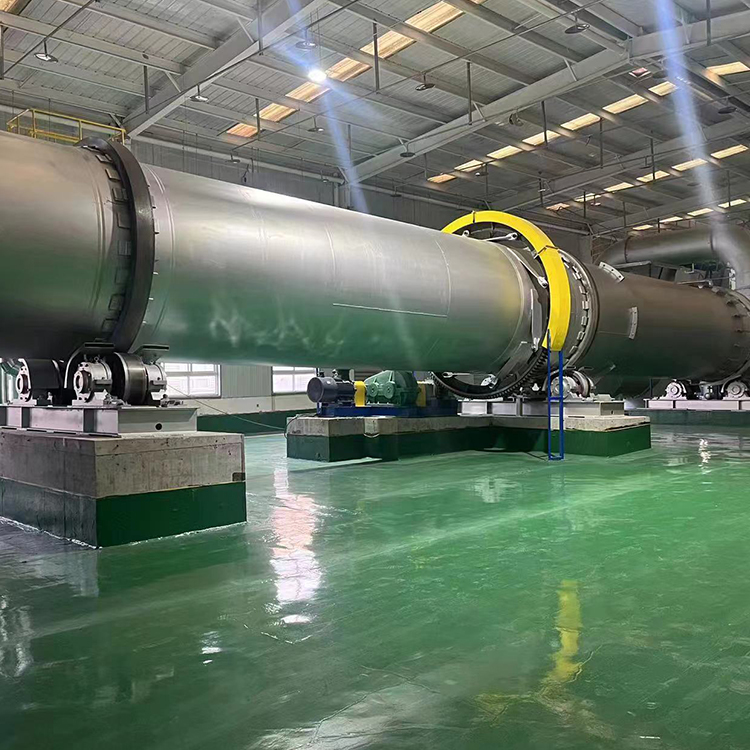
Waste hazardous activated carbon regeneration full equipm...

The adsorption capacity of activated carbon is related to the temperature and quality of the water. The higher the water temperature, the stronger the adsorption capacity of activated carbon; when the water temperature reaches or exceeds 30°C, the adsorption capacity reaches its limit and may gradually decrease. When the water is acidic, the adsorption capacity of activated carbon for anionic substances is relatively reduced; when the water is alkaline, the adsorption capacity for cationic substances is weakened. Therefore, unstable pH levels of the water can also affect the adsorption capacity of activated carbon.
The adsorption principle of activated carbon involves forming a balanced surface concentration on its particle surface, which then attracts and adsorbs organic impurities into the interior of the activated carbon particles, resulting in a high initial adsorption efficiency. However, over time, the adsorption capacity of activated carbon diminishes to varying degrees, and its adsorption effectiveness decreases accordingly. If the water in an aquarium becomes turbid and contains a high concentration of organic matter, the activated carbon will quickly lose its filtering function. Therefore, activated carbon should be cleaned or replaced on a regular basis.
The size of activated carbon particles also affects their adsorption capacity. Generally, the smaller the activated carbon particles, the larger the filtration area. Therefore, powdered activated carbon has the largest total surface area and excellent adsorption effects, but it is easily washed into the aquarium with water, difficult to control, and rarely used. Granular activated carbon, due to its non-flowing particles, does not easily block organic matter and other impurities in the water, making it highly effective in adsorption and easy to carry and replace.
Activated carbon's adsorption capacity is proportional to the time it comes into contact with water; the longer the contact time, the better the quality of the filtered water. Note: The filtered water should flow slowly through the filter layer. NewActivated carbon should be thoroughly cleaned before its first use; otherwise, blackish water may leak out. Before placing the activated carbon into the filter, a layer of sponge 2 to 3 centimeters thick should be added at the bottom and top.The purpose is to prevent algae and other large particles from seeping in. After using activated carbon for 2-3 months, if the filtration effect diminishes, new activated carbon should be replaced. The sponge layer should also be replaced regularly.


b2b.china9.net © Zhongshang 114 Hebei Network Technology Co., Ltd.Address: Room 6009, Oriental New World Center, No.118 East Zhongshan Road, Qiaoxi District, Shijiazhuang City, Hebei ProvincePlatform Service Hotline: 4006299930