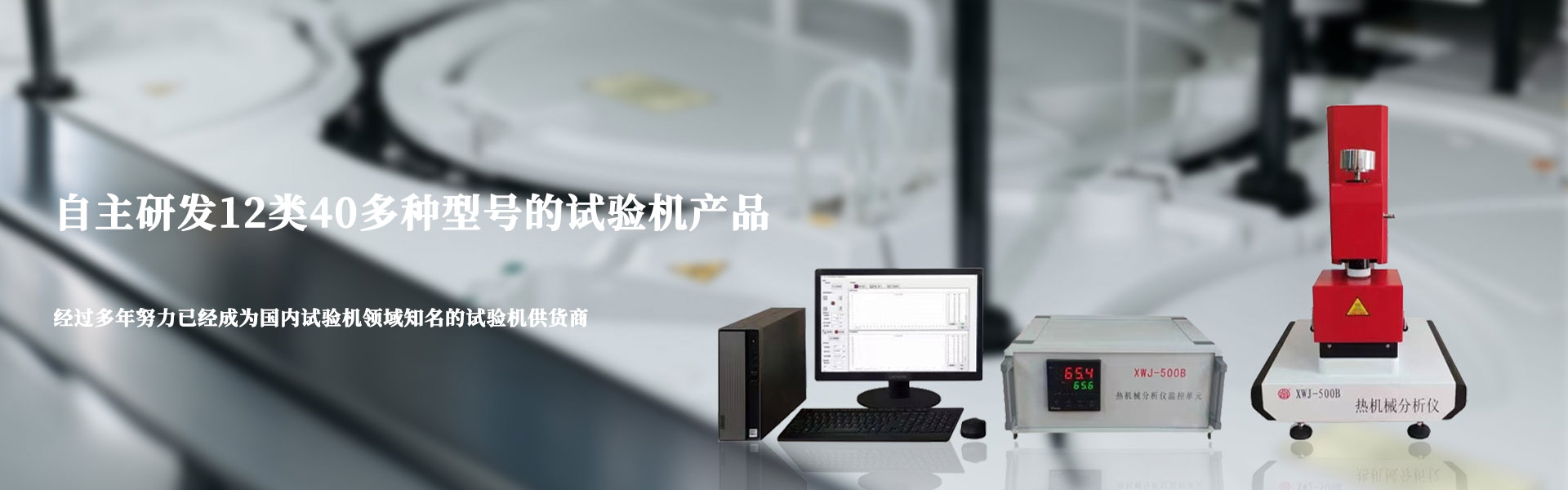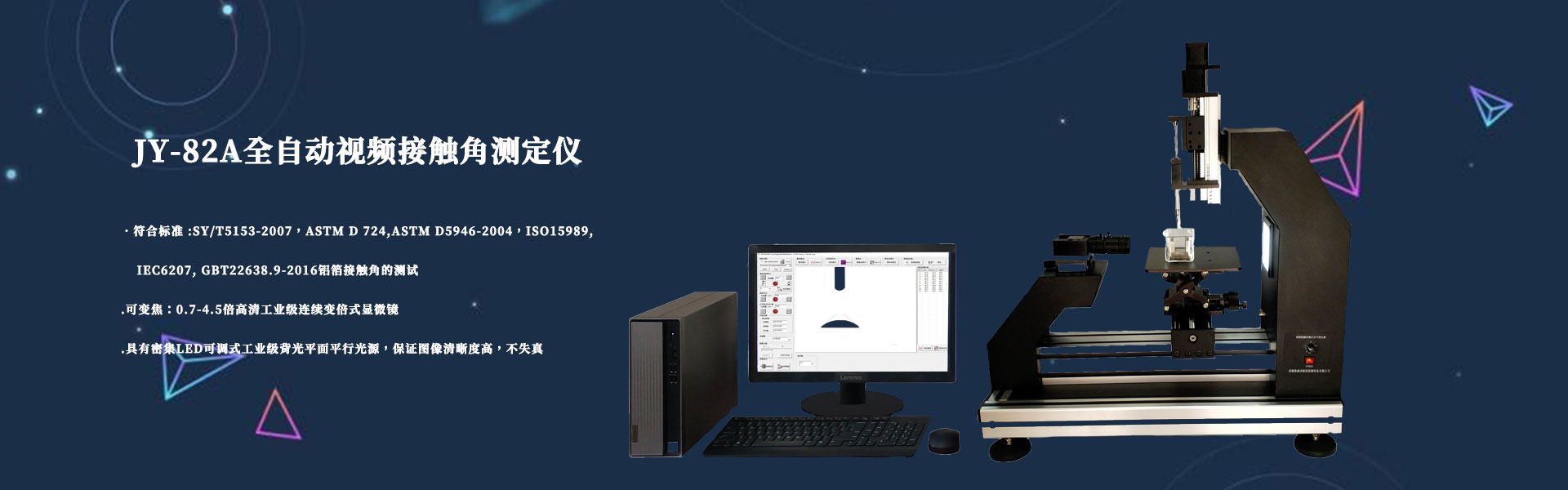
After years of dedication, we have become a renowned supp...

How to determine which brand of contact angle tester is the best, we suggest a comprehensive analysis through the following methods:
1. The contact angle tester, analyzed through the essence of its function, is a scientific instrument designed to measure contact angle values, thereby ensuring precision and reliability. The prerequisites for these elements include the authority of the algorithms and the extent to which they are accepted by experts. Currently, contact angle testing algorithms include circular fitting, elliptical fitting, tangent method, and Young-Laplace equation fitting. Among them, the Young-Laplace equation fitting method, which is both professional and close to the essence of interface chemical phenomena, is particularly noted. This contact angle testing method is also known as Drop Shape Analysis. The most commonly used algorithms are two: one based on the Select plane algorithm for the Young-Laplace equation fitting, and another proposed by Professor A.W. Neumann's team, known as ADSA, which includes ADSA-P, ADSA-D, ADSA-NA, and ADSA-RealDrop. The ADSA algorithm is more widely accepted by professionals. On the other hand, circular fitting and elliptical fitting algorithms are very low in applicability, with stringent requirements for drop volume, contact angle, and drop shape, resulting in low reliability and repeatability of measurement results. Due to the insufficient authority of the algorithms, they are usually not used, but rather offered as an optional method for reference.
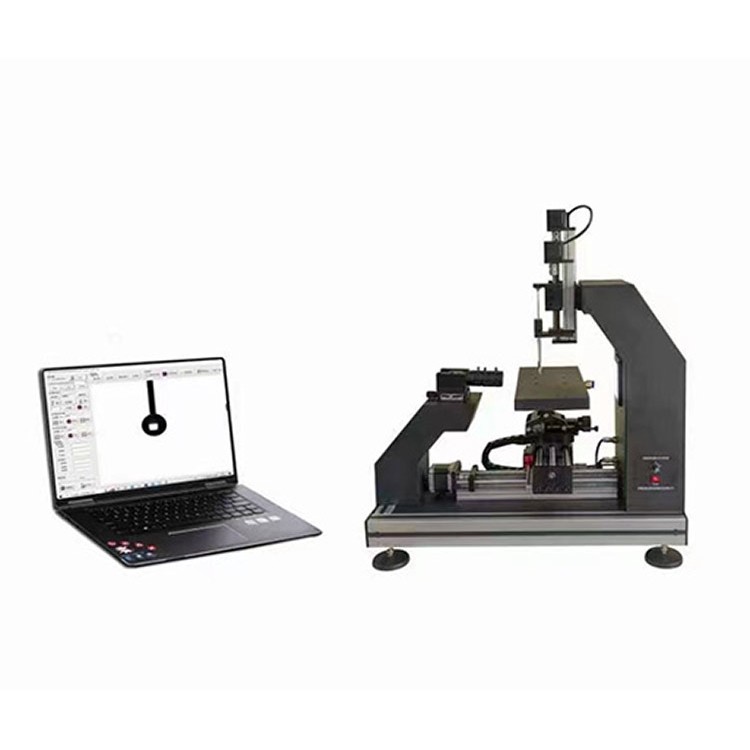
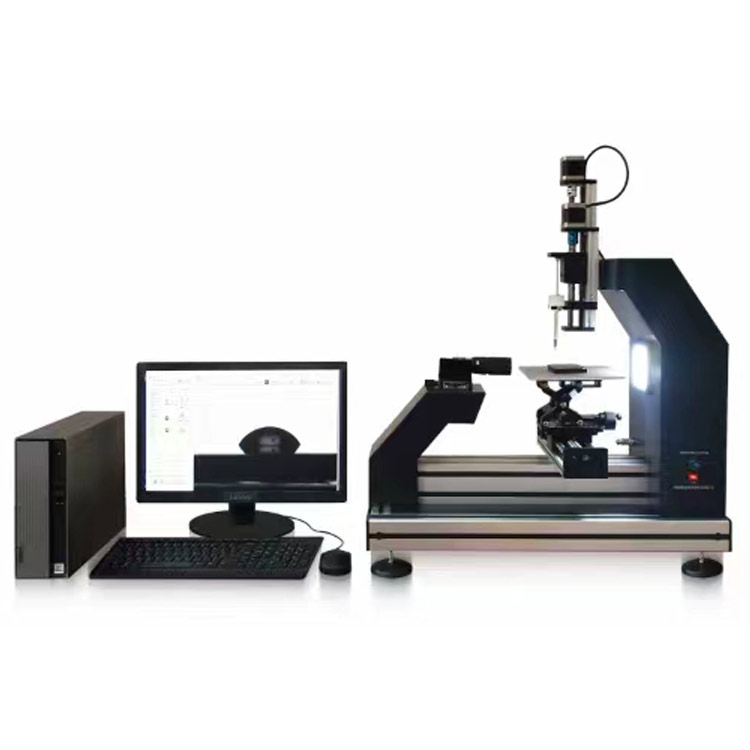
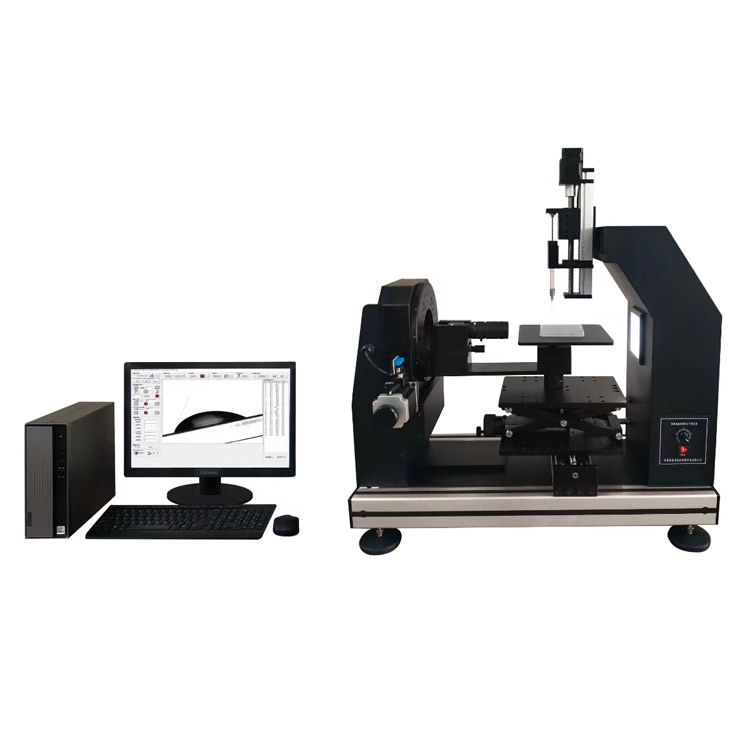
2. The accuracy of contact angle testers is determined by imaging system analysis. Typically, the requirements for an imaging system include the lens, light source, and camera. As contact angle testing is a drop contour test, the sophistication of a parallel light lens and background light source specialized in contour analysis is undeniable. Their features of large depth of field and high definition are tailor-made for applications like contact angle testing. Currently, there are very few contact angle measurement instruments with parallel light lenses and light sources, and only a few manufacturers produce such contact angle testers.
3. The advancement of the contact angle meter is judged based on the precision of mechanical processing and ease of operation.
Currently, most manufacturers of contact angle measurement instruments employ a very simple, low-precision mechanical displacement structure. However, the precision requirement for contact angle testing is approximately 0.01mm, thus, a differential head with a precision of around 0.01mm can meet and comply with the requirements.
Such control accuracy is achieved. Therefore, the control components of the contact angle measuring instrument, including the lifting of the sample stage, the precision of the liquid applicator (if using the ADAS algorithm, no precision requirement for droplet-free application due to the automatic correction of gravitational effects), the level of the sample stage, the level of the lens, its perpendicularity, and its position relative to the lens, and so on. If a differential head is present in these critical areas, it indicates that the design's precision meets the requirements for contact angle measurements and is advanced.


b2b.china9.net © Zhongshang 114 Hebei Network Technology Co., Ltd.Address: Room 6009, Oriental New World Center, No.118 East Zhongshan Road, Qiaoxi District, Shijiazhuang City, Hebei ProvincePlatform Service Hotline: 4006299930