After years of dedication, we have become a renowned supp...

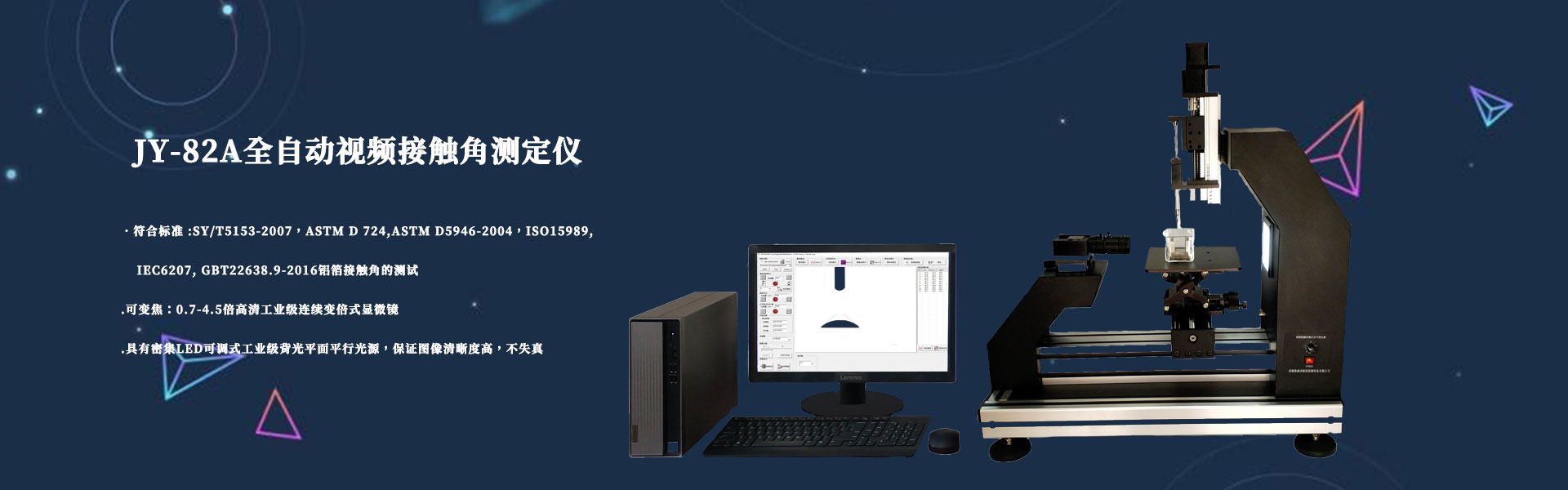
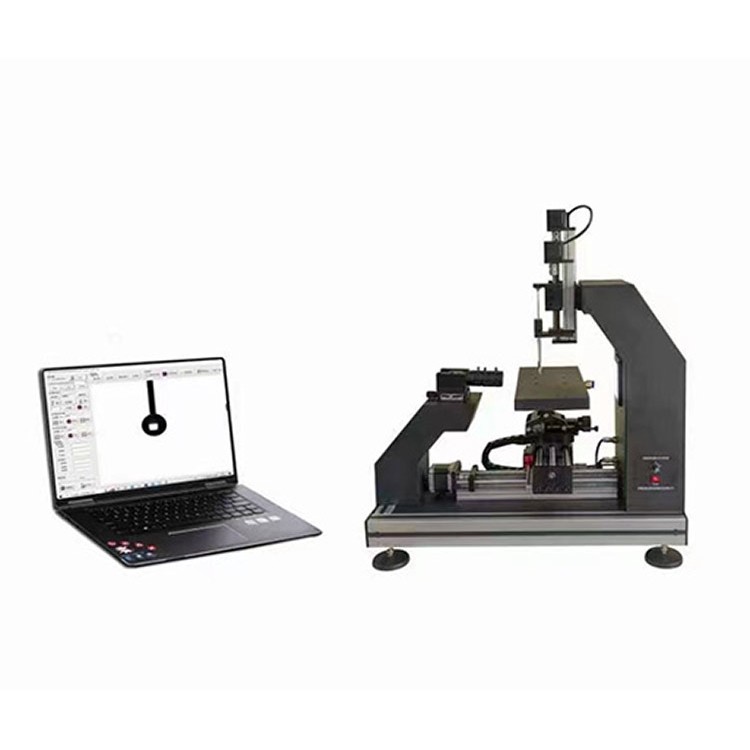
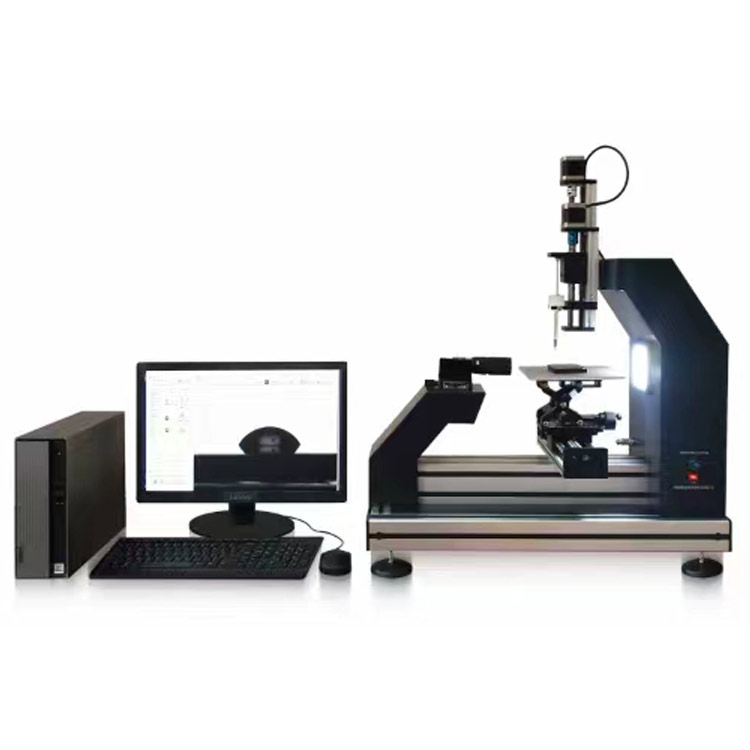
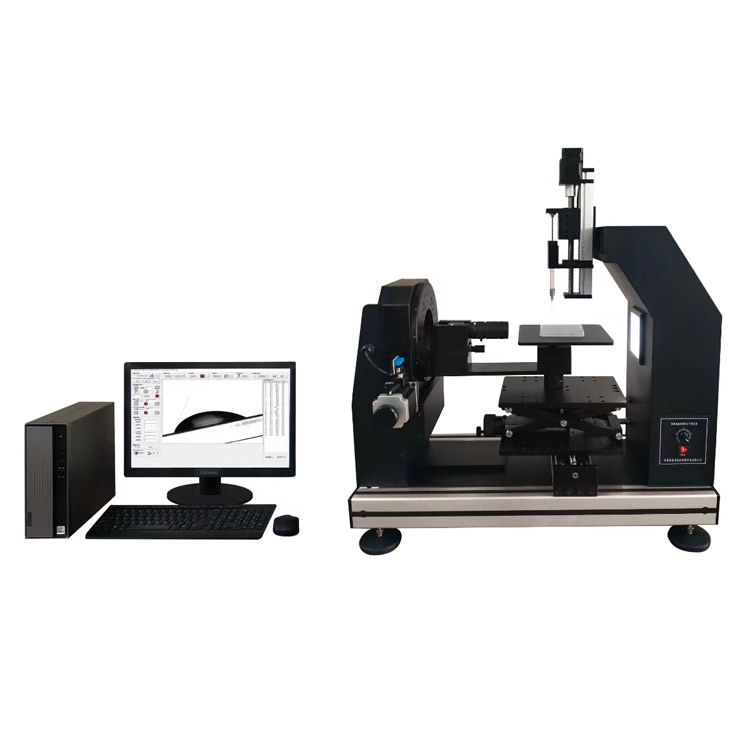
The mainframe of the contact angle meter is highlighted by its overall stability and ease of operation. This encompasses factors such as the accuracy of focusing, the overall stability, and the compatibility between the mainframe design and the software design.
But more importantly, there's a critical factor in the design of the main unit: the appearance of the test item and the volume of the testable sample (length, width, height). We recommend considering this factor when making a purchase; otherwise, there may be items that cannot be tested and completed.
At the same time, the design of the main unit will vary depending on the operation you wish to perform. These details need to be confirmed with the manufacturer's sales engineer. However, if the engineer is unfamiliar with some key technologies of the main unit design, it indicates they may not be well-versed in the overall application of the contact angle goniometer. In this case, you may indeed need to consider whether to purchase the instrument from them.
The existing contact angle goniometers are primarily categorized into the following three types:
1. Protractor: This category of instrument has evolved from the basic crosshair-style angle measurement to the current model that utilizes CCD technology combined with software.
In terms of contact angle analysis methods, commonly referred to as angle gauging or height gauging, aspect ratio comparison, etc. Overseas options that are more affordable will typically specify them as angle gauges. (Please note the difference in English terminology.)
2. Standard Contact Angle Goniometer: This type of instrument typically uses a CCD and software system. Methodologically, they have moved beyond the simple contact angle analysis stage of measuring height and angle, now employing basic curve analysis. Such instruments are widely used internationally. However, they may be influenced by the assumptions of interfacial chemical theory.
3. Advanced Contact Angle Goniometer: This instrument is designed to achieve high-definition images within its optical system, minimizing the impact of background noise. It employs more advanced analysis techniques in the contact angle measurement method, directly eliminating the adverse factors involving the surface tension of the liquid, thereby accurately analyzing the size of the contact angle.
Certainly, the above classification is based on the contact angle optical system and the contact angle analysis method in the software. However, we believe that such a categorization is more conducive to a rational analysis of the selection of contact angle gauges in the order of instrument development.


b2b.china9.net © Zhongshang 114 Hebei Network Technology Co., Ltd.Address: Room 6009, Oriental New World Center, No.118 East Zhongshan Road, Qiaoxi District, Shijiazhuang City, Hebei ProvincePlatform Service Hotline: 4006299930