Specializing in the design, manufacturing, installation, ...

Currently, many industries are using RO membrane technology for wastewater treatment.RO Concentrate EvaporatorAchieving wastewater concentration and reduction as well as the reuse of reclaimed water, however, RO resin sludge is still produced, which requires further treatment in an RO resin sludge evaporator. Let's delve into the RO concentrate evaporator in detail!
I. Introduction to RO Concentrate Evaporator
The principle of the RO concentrated liquid evaporator is to treat the RO-doped evaporation equipment using the evaporation crystallization process.
Section II: RO Doping Concept
RO gel浆, when treating polluted water (waste) using reverse osmosis membrane technology, produces approximately one-third of concentrated water (concentrate). The concentrate contains a large amount of non-biodegradable organic substances harmful to human health and the ecological environment. Direct discharge may contaminate soil and surface water, so the RO membrane concentrate must be processed through an evaporator system for evaporation crystallization and zero-discharge treatment.
Section 3: RO Doping Characteristics
1. With high concentration production, during long-term operation, to ensure all the indices of reverse osmosis effluent, the concentration liquid production accounts for 30~40% of the influent volume.
2. The COD level is high, and the main components of the COD in the concentrated solution are difficultly degradable organic matter.
3. Poor Biodegradability: The organic matter in the RO concentrate is mainly composed of hard-to-degrade components, typically with a BOD/COD ratio less than 10. The organic matter in the concentrate is not easily involved in microbial metabolism as a nutrient source.
4. High Salt Content: After multiple concentrations, the concentration of lv ions in the concentrated solution is approximately between 10,000 to 50,000 mg/L, with a TDS of 10,000 to 15,000 mg/L, and a hardness of around 1,000 mg/L.
Section 4: RO Concentrate Evaporator Composition
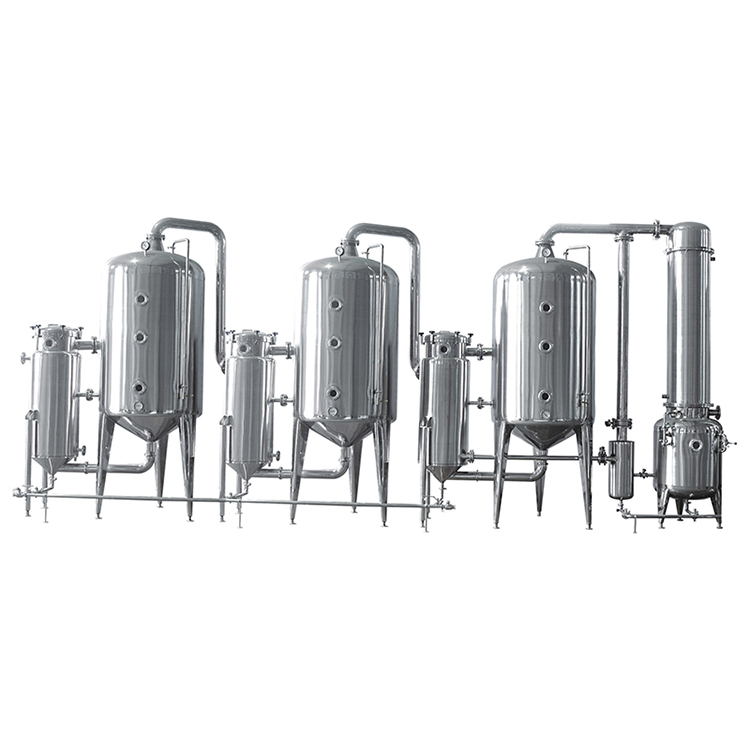
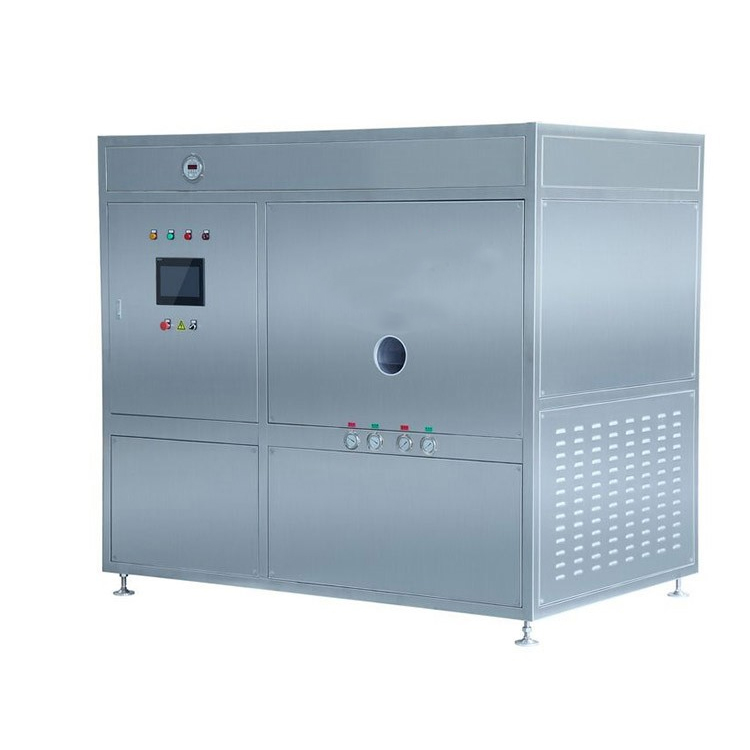
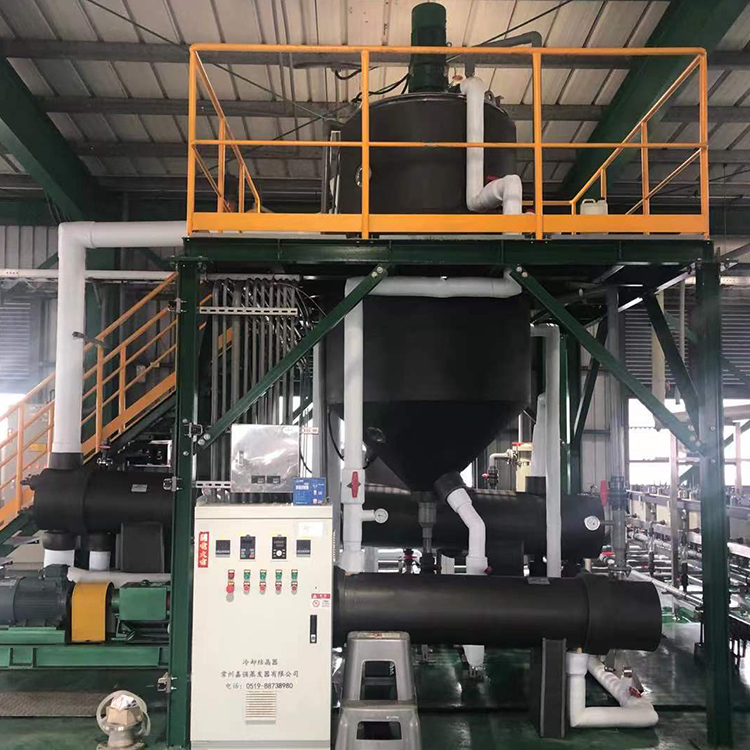
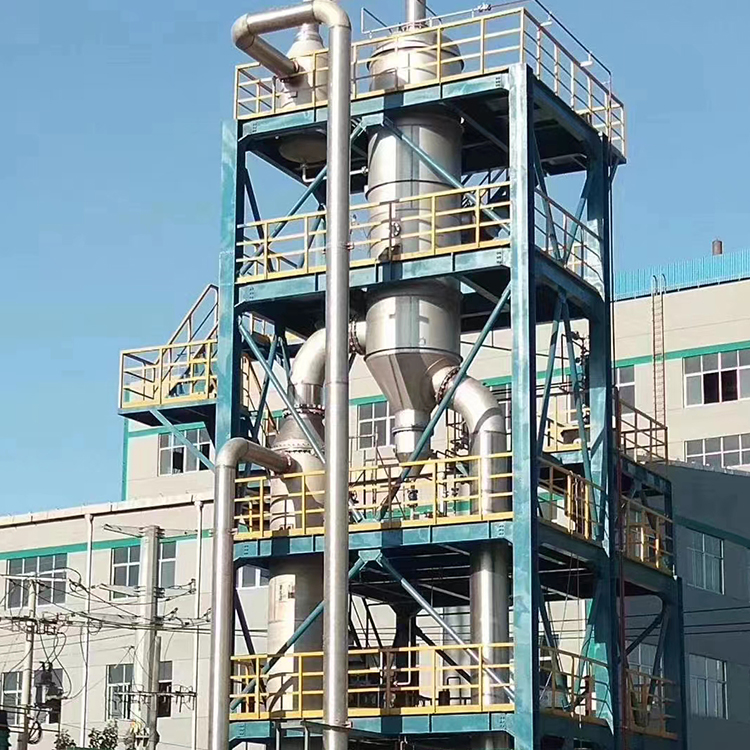
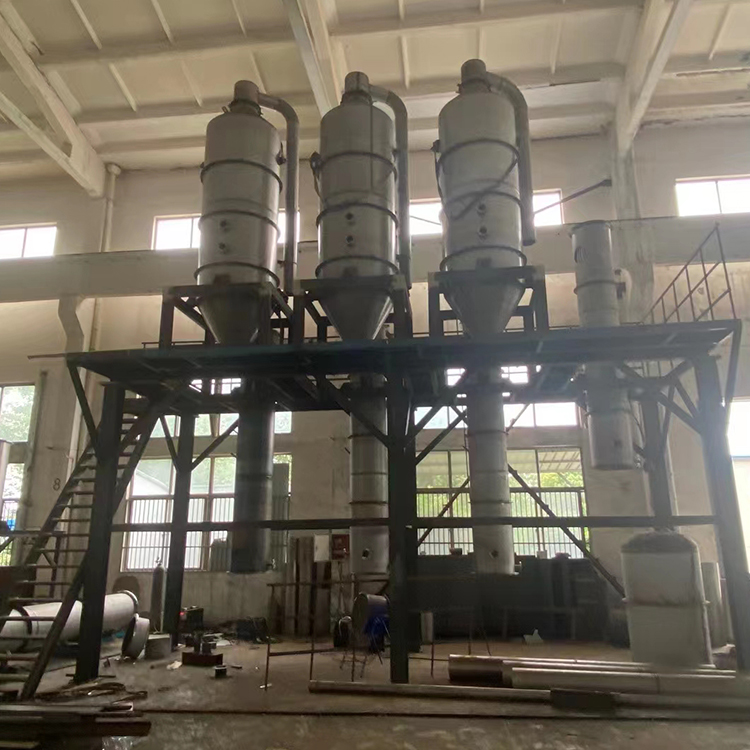
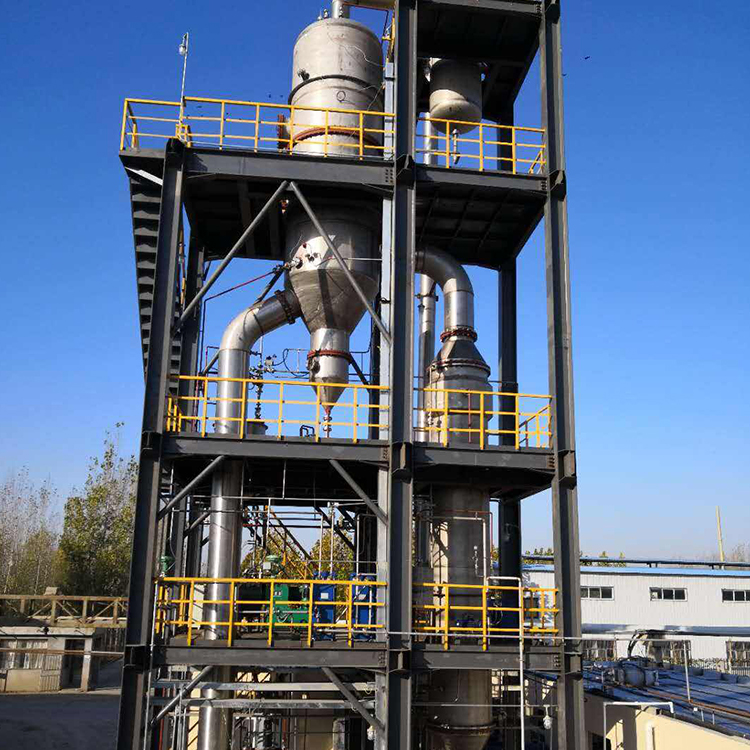
The RO concentrate evaporator is composed of various heating elements, separators, condensers, thermal pumps, vacuum systems, feed liquid transfer pumps, condensate discharge pumps, control panels, electrical cabinets, valves, pipelines, and other systems.
Fifth: RO Doping Evaporator Technology
The Reverse Osmosis (RO) slurry is evaporated and concentrated, then crystallized. The RO slurry is heated, evaporated, and boiled, with the steam condensing into freshwater and concentrated liquid, which is then recrystallized to produce salt. Common RO concentrated liquid evaporation processes include multi-effect evaporation, MVR evaporation, and forced circulation evaporation processes.
Our company has implemented an RO concentrate evaporator to process RO slurry, which allows for the crystallization and concentration of the slurry. The system is equipped with an RO concentrate evaporator unit, ensuring zero waste liquid discharge. A significant amount of crystalline material is recovered, and valuable substances are separated based on their composition, achieving zero discharge and recycling of RO contaminants.
Six. RO Concentrate Evaporator Application Range
The RO Concentrate Evaporator is widely applicable in the treatment of industrial wastewater from petrochemical, coal chemical, textile, dye, brewing, leather making industries, as well as the management of garbage leachate and urban sewage.


b2b.china9.net © Zhongshang 114 Hebei Network Technology Co., Ltd.Address: Room 6009, Oriental New World Center, No.118 East Zhongshan Road, Qiaoxi District, Shijiazhuang City, Hebei ProvincePlatform Service Hotline: 4006299930