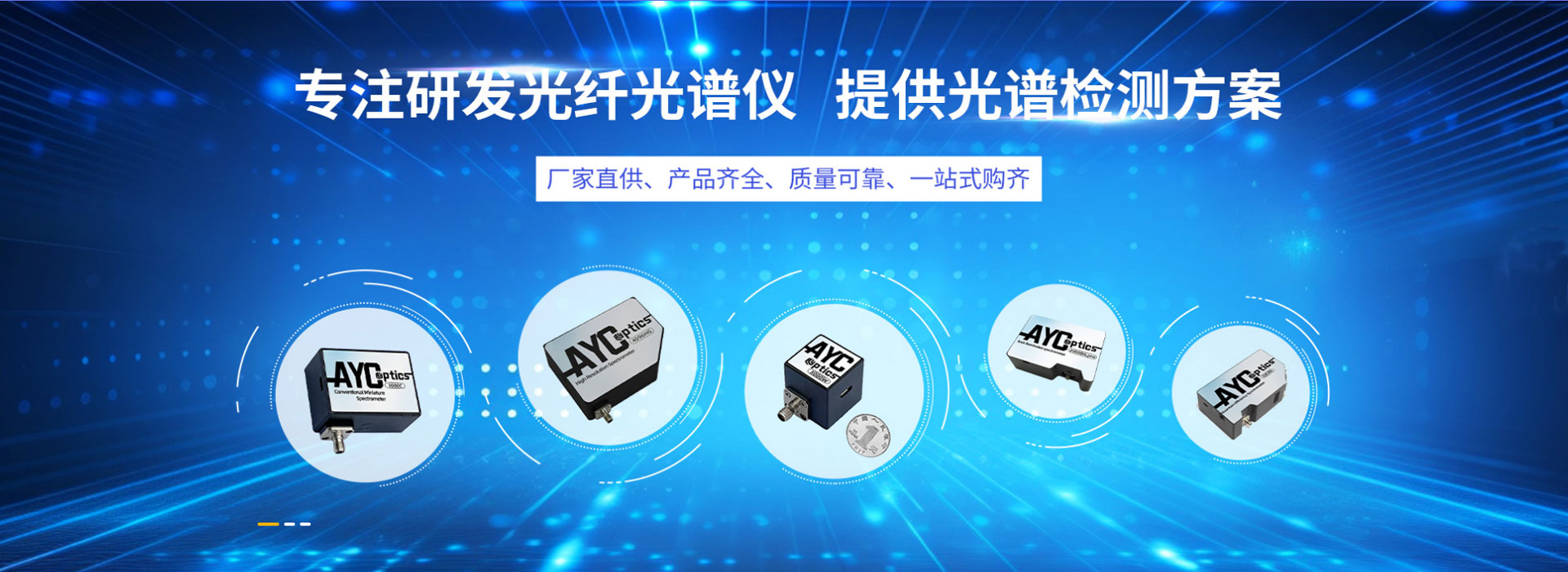
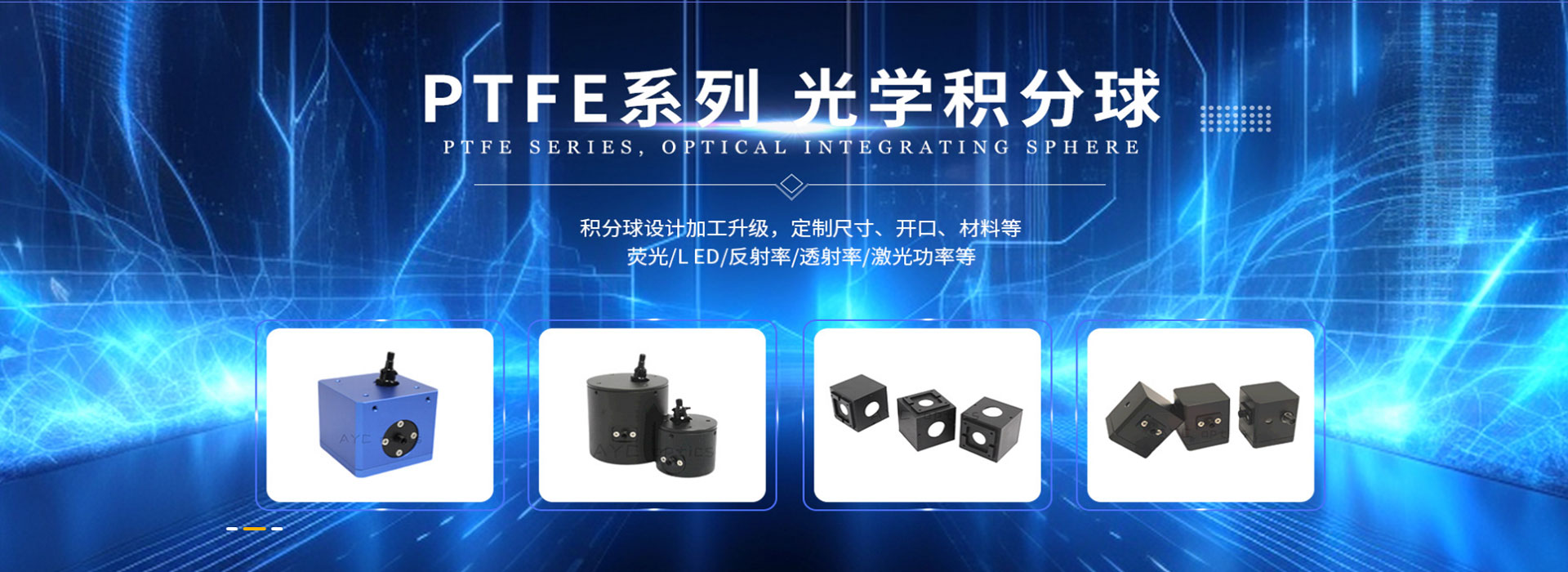
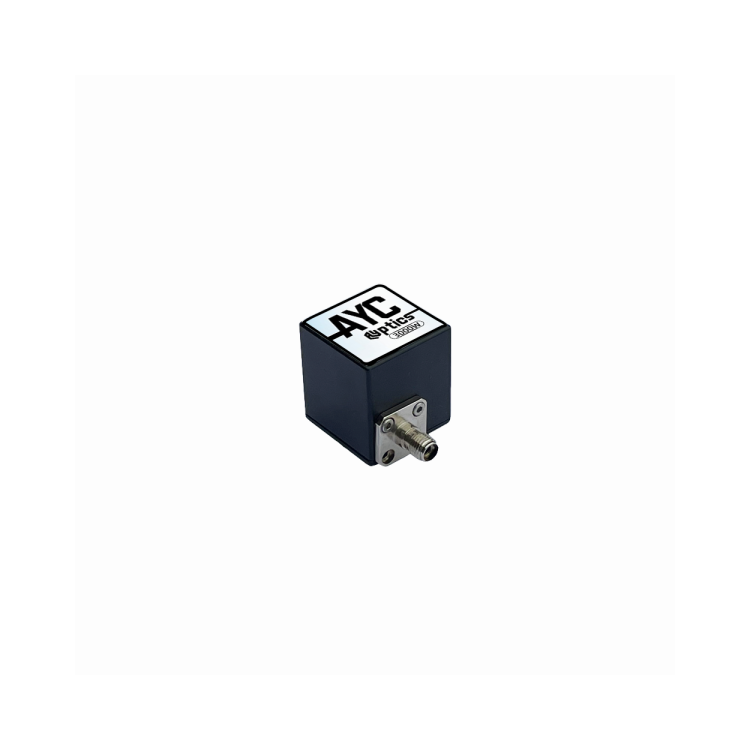
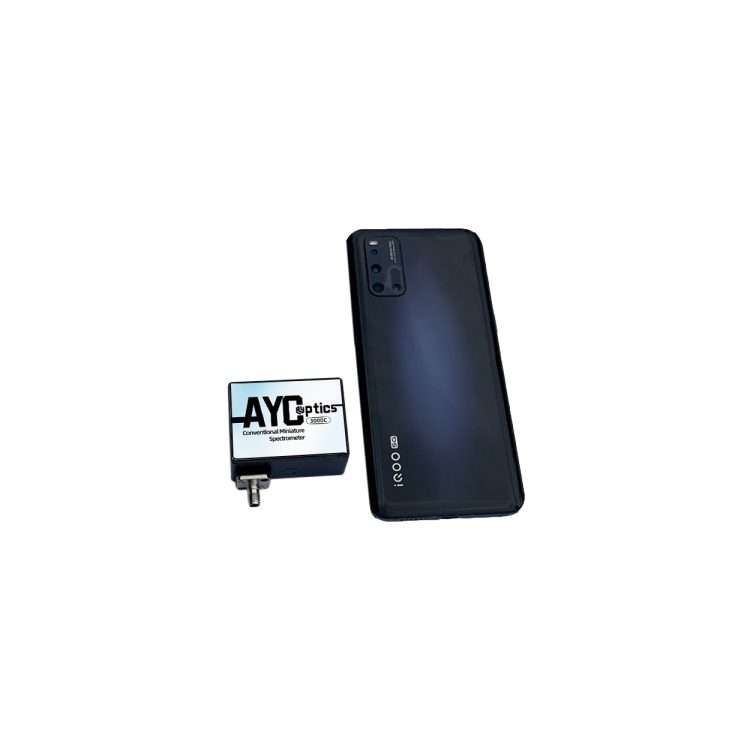
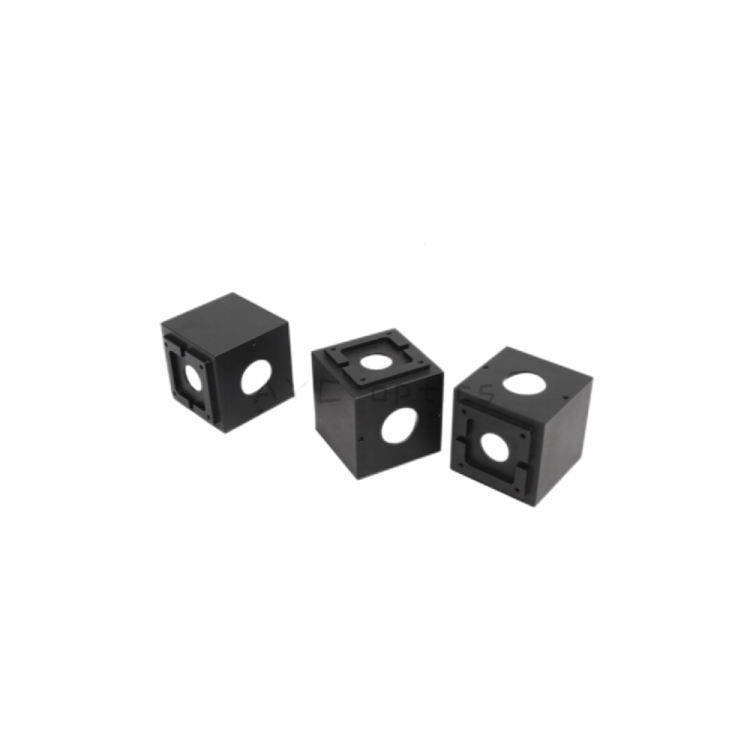
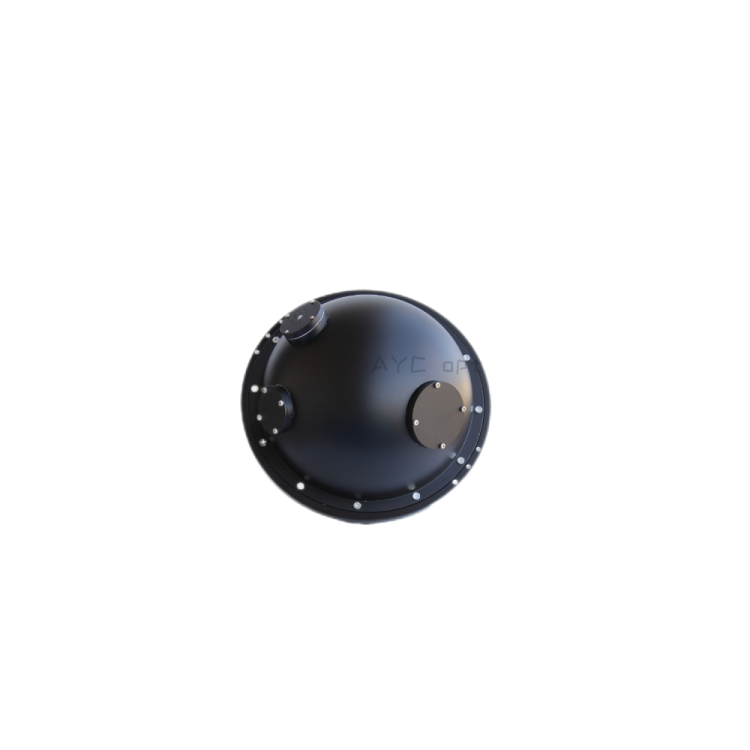
Our flagship products include: high-performance fiber optic spectrometers, Raman spectrometers, waterproof diffusing plates, calibration plates, and integrating spheres.
18825176734
One,Principle Foundation:
1. Molecular Vibration InformationNear-infrared spectroscopy is a type of frequency-doubled and fundamental absorption spectrum in molecular vibration spectroscopy, primarily due to the anharmonicity of molecular vibrations, which causes transitions from the ground state to higher energy levels. Various organic molecules within fruits, such as sugars, organic acids, and water-containing hydrogen groups, etc., contribute to this.X-H (where X = C, N, O) exhibits specific vibrational absorption in near-infrared light. Different molecular structures and compositions lead to varying absorption wavelengths and intensities in near-infrared light, enabling the detection of these absorption signals to infer the internal quality and composition of the fruit.
2. The Interaction of Light and Fruit OrganizationWhen near-infrared light is shone on fruit, it undergoes reflections, transmissions, and scattering. Part of the light is reflected back from the fruit's surface, while some penetrates the fruit tissue and is absorbed or scattered. Additionally, some light passes through the fruit. These transmitted or scattered rays carry information about the fruit's internal structure and composition. Near-infrared spectrometers can collect these rays and analyze their spectral characteristics, thereby obtaining relevant information about the fruit's internal quality.
Section II: Specific Light Property Testing Methods and Applications:
(1) Reflectance Spectroscopy:
1. PrincipleThe detector and light source are positioned on the same side of the sample, where the detector detects the light reflected back from the sample in various ways. The reflection of fruit under light is categorized into regular reflection (specular reflection) and diffused reflection. In regular reflection measurements, the primary information obtained is the optical properties of the fruit's surface, as well as light that passes through the surface and reflects back from the shallow internal layers.
2. Application AdvantagesSpectrum information is relatively easy to obtain and has a high reflectance, which can to some extent reflect the surface characteristics and some internal information of fruits. It can be used in fruit production inspection and grading lines to make preliminary judgments about the external quality and some superficial internal qualities of fruits, such as checking the flatness of the fruit surface and the evenness of color. These features may be correlated with the internal quality of the fruit.
3. LimitationsThe calibration model used for measurement is susceptible to changes influenced by the surface characteristics of fruits, such as texture and shape, which can affect the intensity and direction of reflected light, thereby interfering with the detection results. Therefore, for different types of fruits, the measurement model needs to be adjusted according to their specific characteristics.
(II) Diffuse Reflectance Spectroscopy:
1. PrincipleWhen light is projected onto fruit, it undergoes directionally uncertain reflections on the fruit's surface or interior. This measurement method lies between reflection and transmission, with the received spectral information including both scattered light from the fruit's surface and light that has been scattered through the internal tissue and returned.
2. Application AdvantagesDue to the spectral information's ability to reflect the internal characteristics of fruits to a great extent, it is one of the commonly used methods in non-destructive fruit quality testing. It can be used to detect internal quality indicators such as sugar content, acidity, and hardness of fruits. For instance, by establishing a relationship model between diffuse reflectance spectroscopy and fruit sugar content, sweetness can be predicted quickly and accurately.5。
3. Limitations: During the measurement process, it is necessary to isolate the light source from the detector to prevent light directly impacting the detector from affecting the measurement results. This is challenging to achieve on high-speed fruit production sorting lines, and the measurement system is relatively complex.
Section 3: Transmission Spectroscopy Method
The principle involves placing the fruit to be tested between a light source and a detector. The detector measures the light that has passed through the fruit or interacted with its molecules, which carries information about the fruit's structure and composition.
2. Application Advantages: The spectral information obtained is less affected by the surface characteristics of the fruit, allowing for a more direct reflection of the internal tissue information. For fruits with uniform internal quality and high transparency, transmission spectroscopy can provide more accurate detection results.
3. Limitations: The number of fruits that can be optically transmitted is relatively small, requiring a higher-energy light source to ensure sufficient light intensity, which increases the cost and complexity of the detection system. Moreover, for fruits with thicker skins and denser flesh, the intensity of transmitted light may be very weak, leading to increased detection difficulty and not well-suited for the needs of fruit production grading lines.
III. Specific internal quality indicators for fruit testing:
Sugar Content Testing: The sugar in fruits is a key component that affects their sweetness and texture. Near-infrared spectrometers can establish a relationship model between sugar content and the absorption or scattering characteristics of fruits to specific near-infrared wavelengths. For instance, within certain wavelength ranges, the absorption intensity of sugar molecules to near-infrared light is positively correlated with sugar content. By measuring the light signals at these wavelengths, the sugar content of fruits can be detected quickly and non-destructively.
2. Acidity Testing: The organic acid content in fruits determines their acidity, and the chemical bonds within organic acid molecules exhibit specific absorption properties to near-infrared light. Near-infrared spectrometers can leverage this to measure fruit acidity, providing a basis for assessing ripeness and quality grading.
3. Hardness Testing: The hardness of fruit is closely related to its internal tissue structure and cellular state. Near-infrared spectrometers can indirectly reflect the hardness of fruit by analyzing the scattering and absorption of light within the fruit tissue. Generally, fruits with higher hardness have a more compact tissue structure, and their light scattering and absorption characteristics differ from those of fruits with lower hardness.
4. Internal Defect Detection: Internal defects in fruits, such as hollows, rot, and damage, can affect the propagation and scattering of light within the fruit. Near-Infrared Spectrometers can detect these abnormal light characteristics, thereby enabling the detection of internal defects in fruits. For instance, when a fruit is internally rotten, its optical properties change; the Near-Infrared Spectrometer can capture these changes, allowing for the timely identification of problematic fruits.
Aoyu Chenlight (Guangzhou) Photoelectric Technology Co., Ltd.Established in collaboration with several industry professionals engaged in the research and development of spectrometer instruments, committed to developing internationalSpectroscopic Analytical InstrumentsBased on our unique integration of optics, mechanics, and electronics,Spectral AnalysisThe company has integrated technologies such as cloud computing to develop a full range of multi-instrument testing, with the optical fiber spectrometer as its flagship product.
Contact us

Service Hotline
18825176734
Company Telephone
18825176734

Address
257 Junye Road, Huangpu District, Guangzhou, Room 704, Building 2, Self-compiled Address
b2b.china9.net © Zhongshang 114 Hebei Network Technology Co., Ltd.Address: Room 6009, Oriental New World Center, No.118 East Zhongshan Road, Qiaoxi District, Shijiazhuang City, Hebei ProvincePlatform Service Hotline: 4006299930