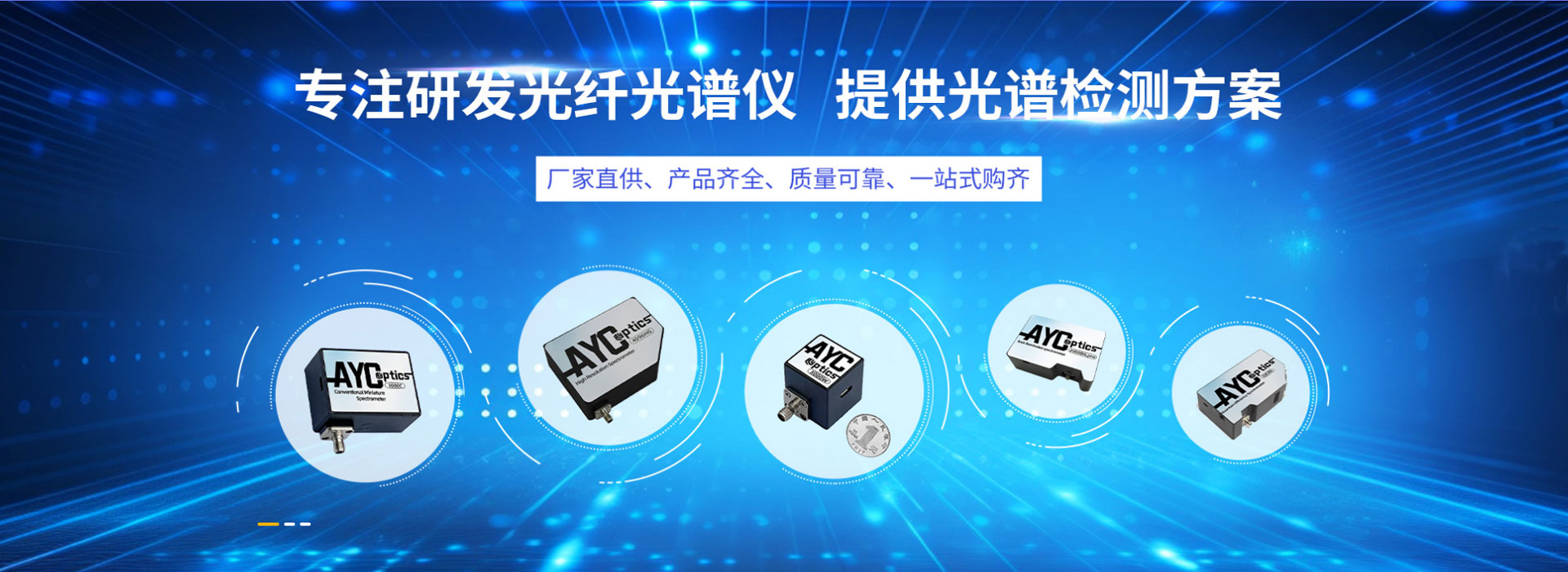
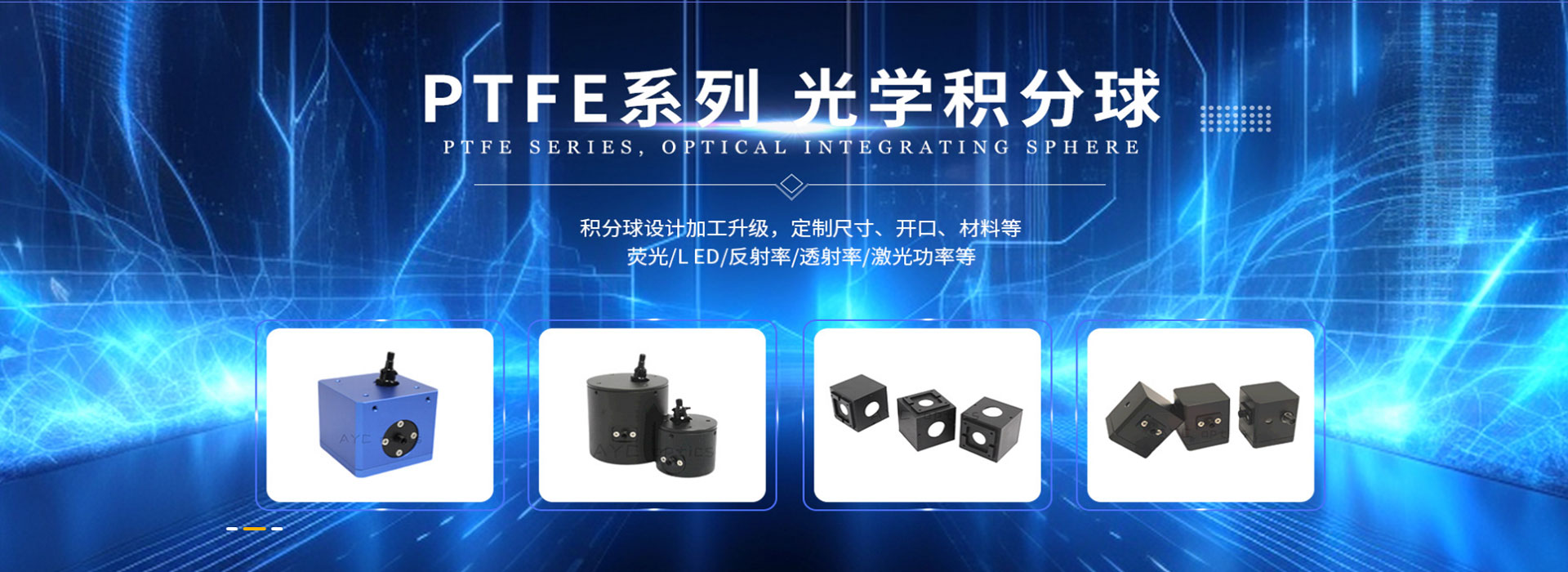
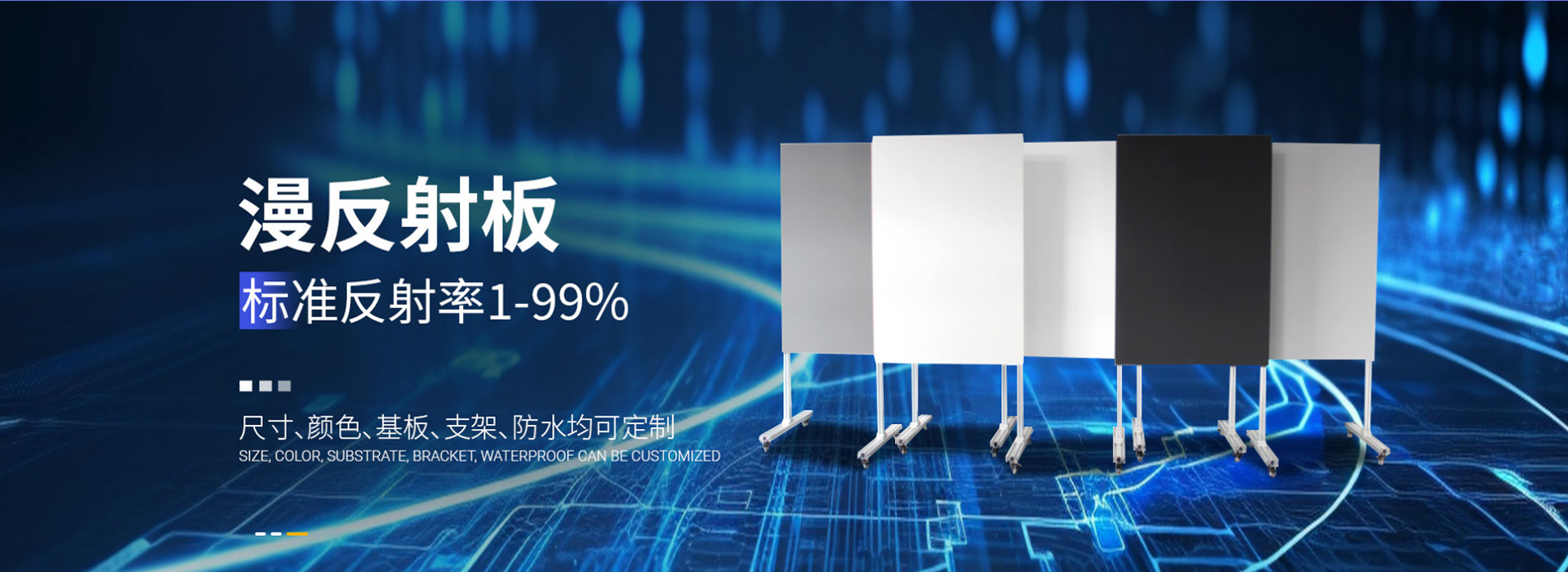
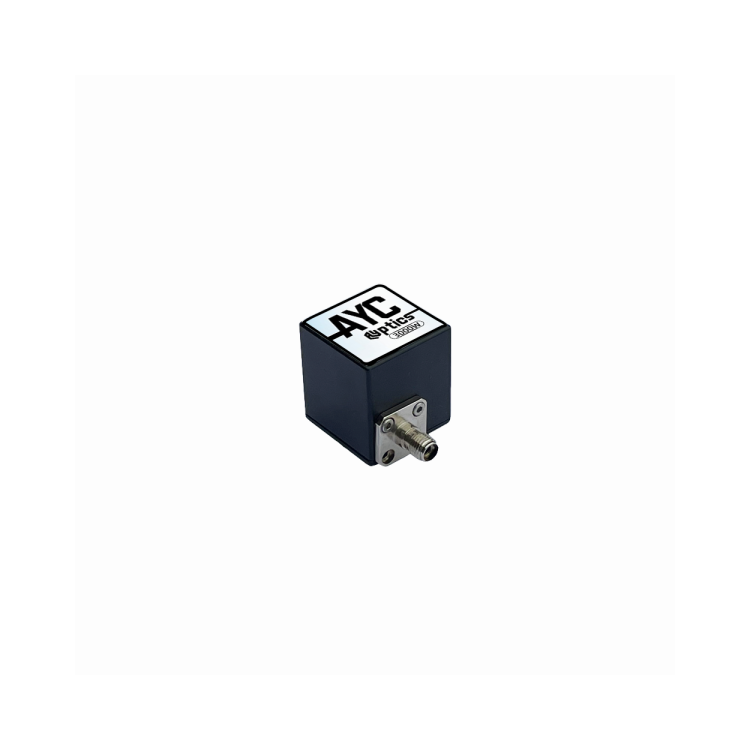
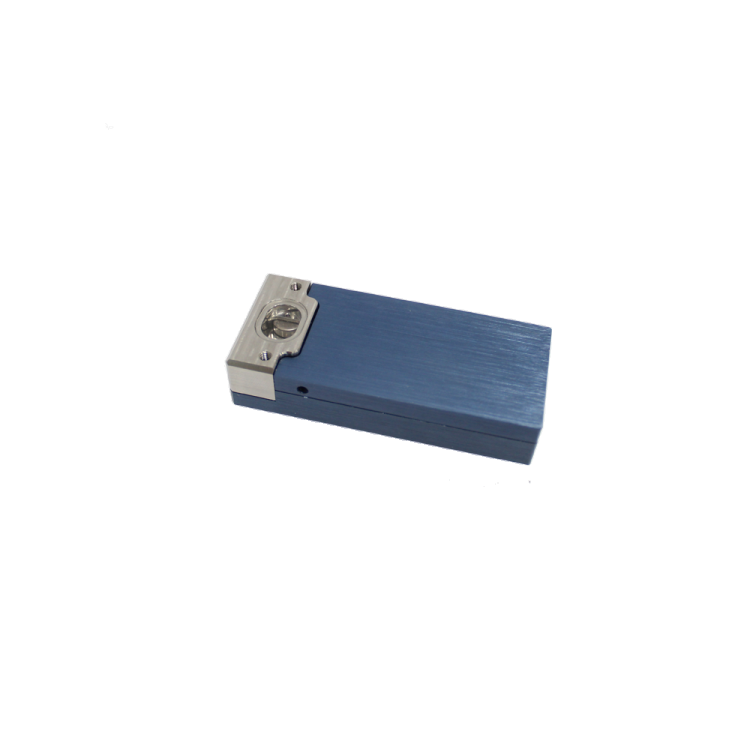
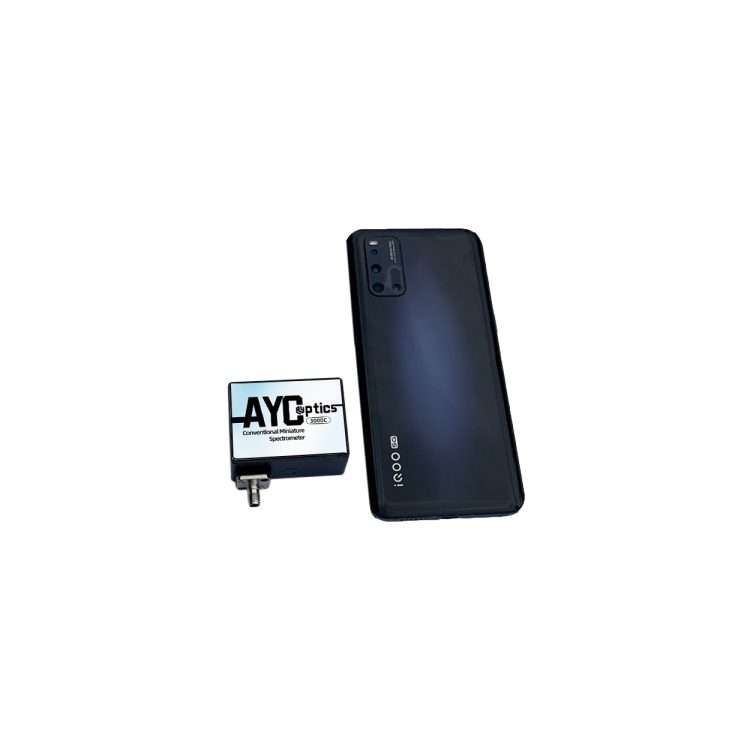
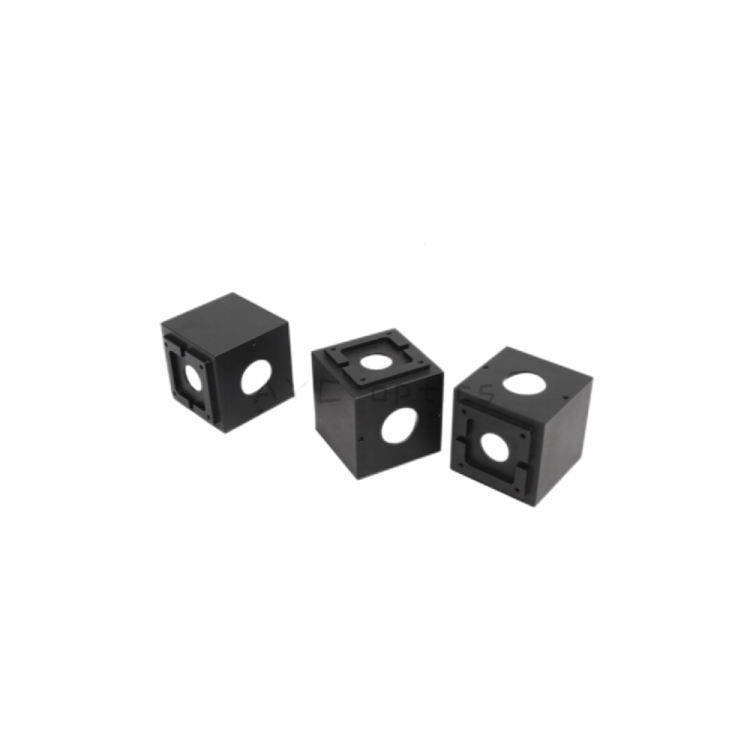
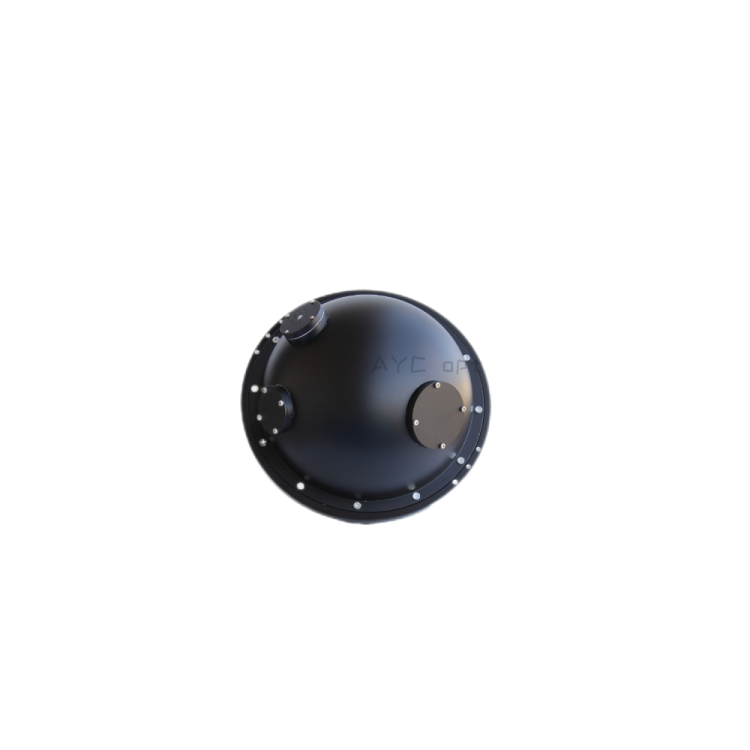
Our flagship products include: high-performance fiber optic spectrometers, Raman spectrometers, waterproof diffusing plates, calibration plates, and integrating spheres.
18825176734
Environmental Monitoring:
Water Quality Monitoring: Capable of detecting spectral characteristics of chlorophyll, organic matter, suspended solids, heavy metals, and other pollutants in water bodies. By analyzing these spectral data, it is possible to assess the eutrophication status of water bodies, the development of harmful algal blooms, and other water quality issues. It can also help determine the concentrations of elements such as nitrogen and phosphorus in the water bodies, which is of great significance for preventing and controlling eutrophication.
2. Air Quality Monitoring: Capable of detecting various atmospheric gases, such as carbon dioxide, ozone, sulfur dioxide, and nitrogen oxides. By capturing the spectral characteristics of these gases, we can assess their concentrations and distributions, aiding in the study of air pollution sources and impacts, and providing scientific basis for formulating environmental protection policies.
3. Soil Monitoring: It can be used to monitor soil quality. Analyzing the spectral data of soil can reveal its chemical properties such as water content, organic matter content, nutrient content, and heavy metals. This is particularly important for assessing soil erosion, land degradation, and the degree of soil pollution, providing a scientific basis for soil restoration and management.
Section II: Agricultural Sector
Crop Growth Monitoring: Spectral technology enables the monitoring of crop growth conditions, such as analyzing the spectral data reflected by vegetation. This can help detect early stress on vegetation, including drought, pests and diseases, or nutrient deficiencies, allowing farmers to take timely measures for prevention and control, thereby improving crop yield and quality.
Soil Analysis: Used to analyze soil composition and characteristics, helping farmers understand soil fertility conditions for proper fertilization and soil improvement.
3. Agricultural Product Quality Testing: Offers testing for the quality of agricultural products, such as the sweetness, acidity, and ripeness of fruits, as well as protein and moisture content in grains, providing a basis for grading, pricing, and sales of agricultural products.
Section 3: Food Safety Domain
Food Composition Analysis: Capable of quickly and accurately analyzing the components in food, detecting nutrients, additives, contaminants, etc., to provide strong support for food safety supervision.
2. Freshness Detection for Foods: Capable of real-time monitoring the freshness of food items such as fruits and meats, determining their ripeness and spoilage levels, which aids in ensuring food safety and quality.
3. Food Pathogen Detection: This service can detect pathogens in food, such as Salmonella and E. coli, enabling the timely identification of food safety risks and safeguarding public health.
4. Food Traceability Management: This solution can be used to establish a food traceability system, ensuring full monitoring of food from origin to consumer, thereby guaranteeing food quality and safety.
Section 4: Healthcare Industry
Disease Diagnosis: Spectroscopic analysis techniques can be employed for disease diagnosis. For instance, infrared spectroscopy can analyze the chemical composition of biological tissues, aiding in disease diagnosis; fluorescence spectroscopy is used for cancer diagnosis and biomarker identification; and Raman spectroscopy provides structural information of biomolecules, utilized for disease detection and diagnosis, among others.
2. Pharmaceutical Analysis: Utilized for component analysis, quality control, and drug development, among other applications. For instance, spectroscopic techniques can detect the concentration of active ingredients, impurity levels, and the stability of the drug.
3. Trace Element Analysis in Human Body: Techniques such as atomic absorption spectroscopy can be used to analyze the levels of trace elements in the human body, aiding in understanding patients' nutritional and health status.
V. Industrial Sector:
Material Analysis: Used for component analysis, structural analysis, and quality testing of materials. For instance, in industries such as steel, mining, and chemicals, spectral technology can be employed to analyze the composition of raw materials and products, ensuring that product quality meets standards.
2. Industrial Process Monitoring: Monitors and controls parameters during industrial production processes, such as in the petrochemical industry, where spectroscopy technology is used to monitor the composition and progression of substances in the reaction process, optimizing production techniques.
3. Quality Assurance Testing: In industries such as electronics and automotive manufacturing, spectral technology can be utilized to inspect product surface quality, coating thickness, and material purity.
Six: Cultural Heritage Protection and Art Authentication: By analyzing the spectral characteristics of cultural relics and artworks, their authenticity, age, material, and other information can be identified, providing significant support for cultural heritage protection and art transactions.
Seven: In the field of geological exploration, it can be used for mineral resource exploration and geological structure analysis. For example, by analyzing the spectral characteristics of rocks and soils using spectral technology, potential mineral resources can be discovered, as well as geological structures and stratigraphic information can be understood.
In the aerospace sector, spectroscopy technology can be utilized for satellite remote sensing, environmental monitoring of aircraft, and material analysis, among other applications. For instance, through spectral instruments carried by satellites, large-scale monitoring of the Earth's surface can be conducted to gather information on vegetation, soil, water bodies, and more, which is valuable for resource surveys and environmental monitoring.
Contact us

Service Hotline
18825176734
Company Telephone
18825176734

Address
257 Junye Road, Huangpu District, Guangzhou, Room 704, Building 2, Self-compiled Address
b2b.china9.net © Zhongshang 114 Hebei Network Technology Co., Ltd.Address: Room 6009, Oriental New World Center, No.118 East Zhongshan Road, Qiaoxi District, Shijiazhuang City, Hebei ProvincePlatform Service Hotline: 4006299930