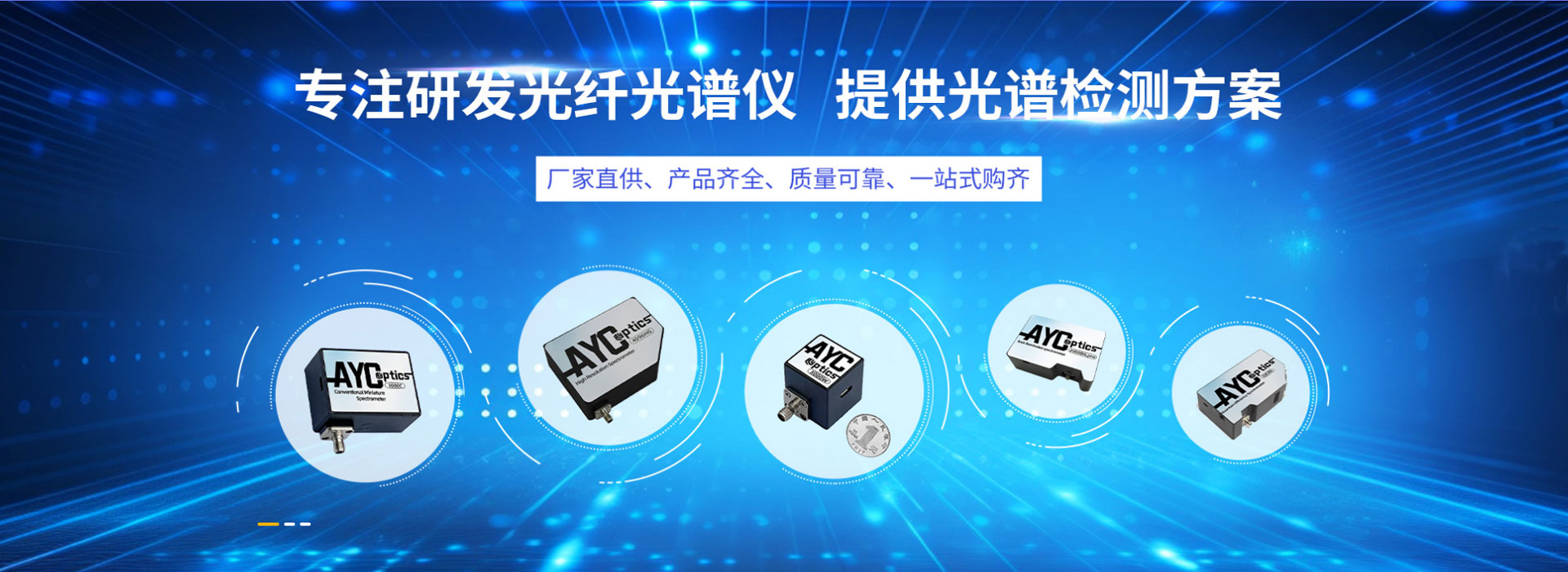
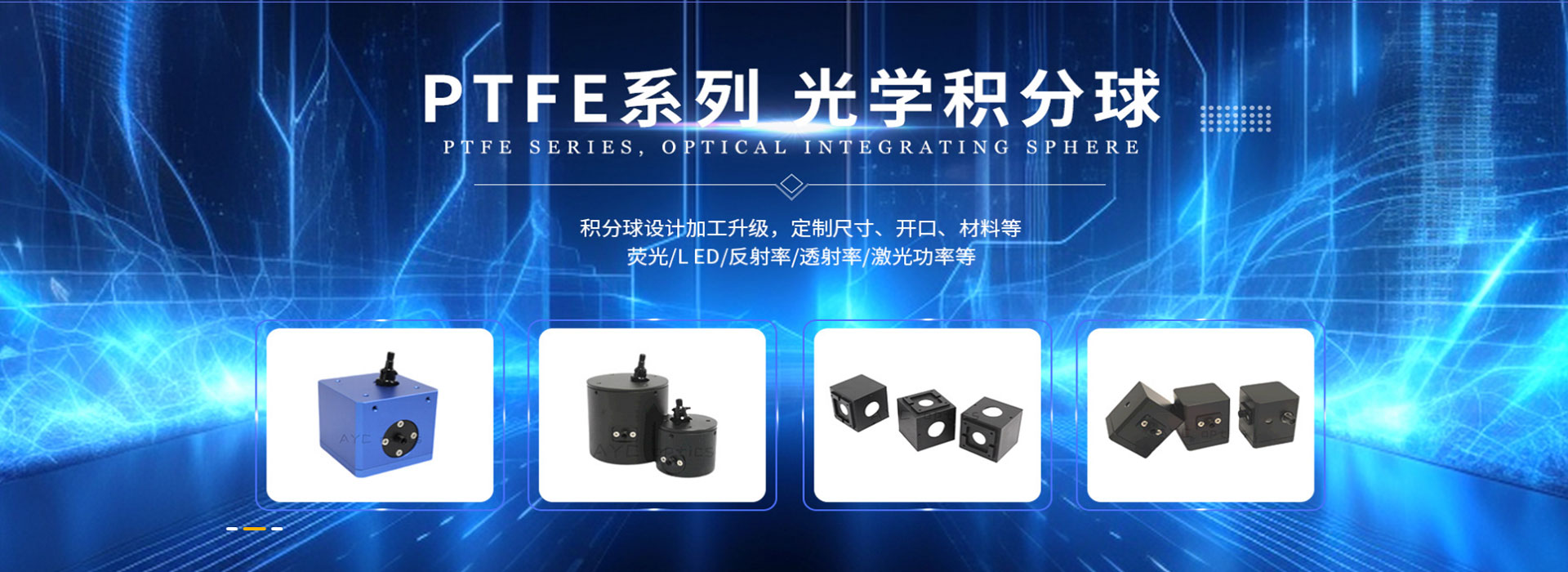
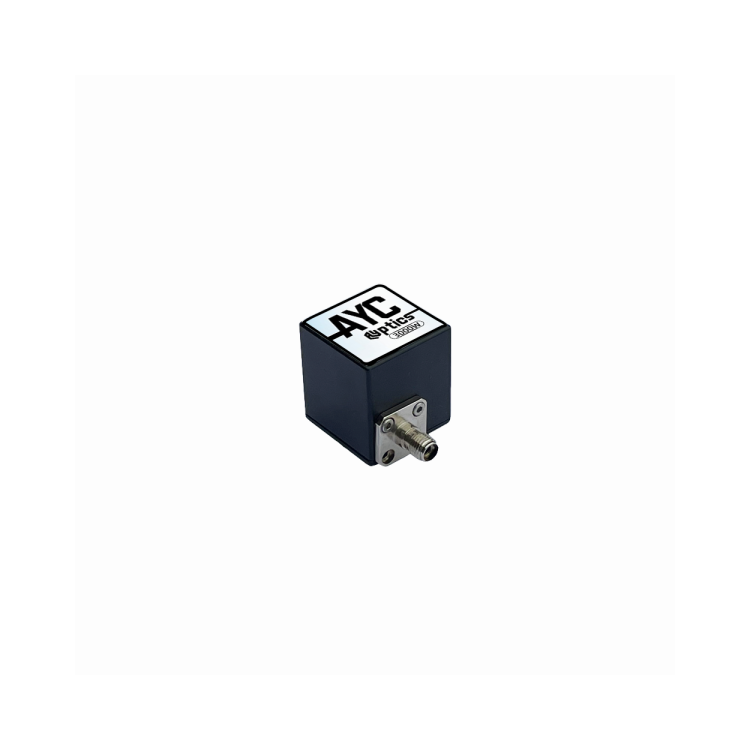
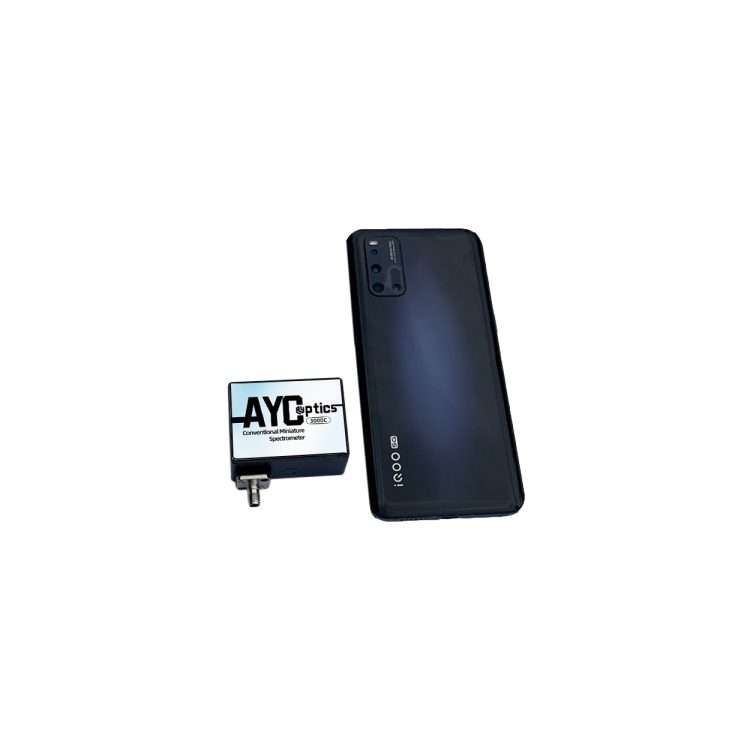
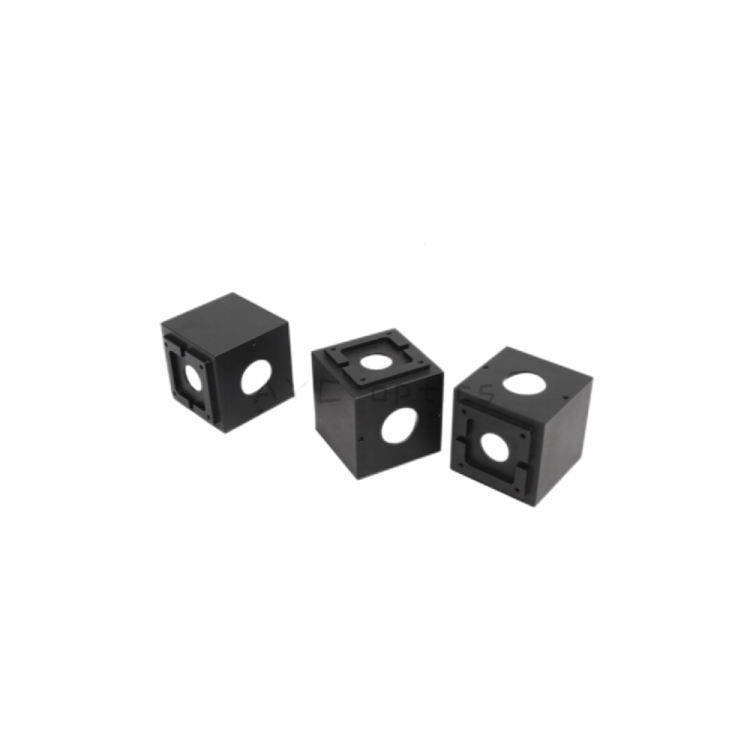
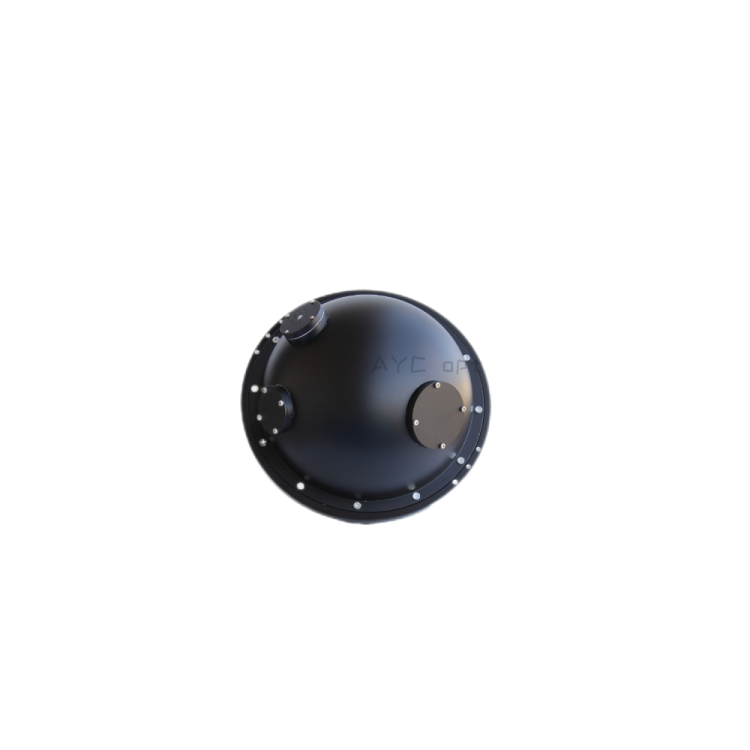
Our flagship products include: high-performance fiber optic spectrometers, Raman spectrometers, waterproof diffusing plates, calibration plates, and integrating spheres.
18825176734
I. Fundamental Principles
1. Reflection Spectroscopy Principle: When near-infrared light is shone onto the surface of a plastic sample, reflection occurs. The reflected light contains information about the chemical composition and physical structure of the plastic. Chemical bonds within the plastic molecules (such as)C - H、C - O、C = C Specific vibrations in the near-infrared region are absorbed, which can affect the spectral characteristics of the reflected light. Due to their varying chemical structures and compositions, different types of plastics exhibit distinct absorption and reflection properties of near-infrared light, enabling the identification of plastic types through spectral analysis of the reflected light.
2. Diffused and Specular Reflection: During the reflection process, there are two types: diffused reflection and specular reflection. Diffused reflection refers to the scattering of light in all directions on the sample surface, which can provide comprehensive information about both the internal and surface properties of the plastic; specular reflection is mainly the reflection of light on the sample surface like a mirror, reflecting more on the smoothness and other physical properties of the surface. For plastic identification, diffused reflection spectrum is more important, as it contains information about the chemical bonds and functional groups within the plastic.
Step-by-Step Identification Procedures and Methods
1. Sample Preparation:
1. Generally, plastic samples require a relatively flat surface to ensure consistent reflection of light. If the sample surface is rough, it may affect the direction and intensity of the reflected light, thereby disrupting spectral analysis. For plastic samples with irregular shapes, cutting or polishing may be necessary to better match the light source and detector of the spectrometer.
2. Pay attention to the cleanliness of the samples to avoid surface dirt, oils, and other impurities affecting the reflection spectrum. For instance, some plastic products may leave mold release agents during the manufacturing process, which must be thoroughly cleaned before testing.
2. Spectral Acquisition:
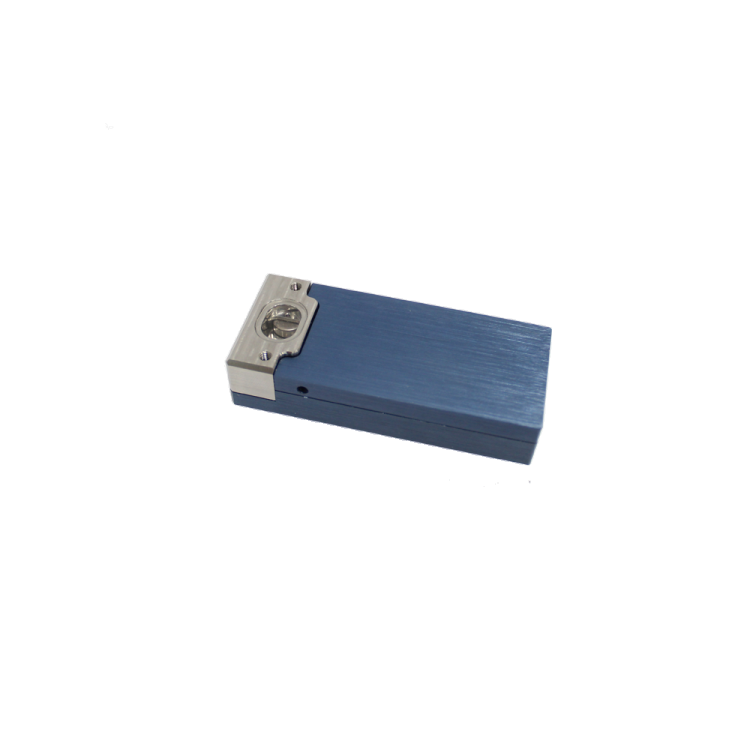
1. No Chinese content provided.Near-Infrared SpectrometerWhen conducting reflection spectral acquisition, it's necessary to set appropriate parameters, including wavelength range, resolution, and integration time. Generally, the wavelength range for near-infrared spectroscopy is: 780 - 2526nm Between, according to the characteristics and identification requirements of plastics, appropriate wavelengths can be selected. For instance, for plastics containing a high number of unsaturated double bonds, the focus may need to be on the wavelength of the absorption peak of the double bond characteristics.
2. Resolution determines the smallest wavelength interval a spectrometer can distinguish. Higher resolution can provide more detailed spectral information, but it also increases data volume and measurement time. Integration time affects the intensity of light signal collection. For plastic samples with low reflectivity, it may be necessary to extend the integration time appropriately to obtain a sufficiently strong signal.
3. Data Processing and Analysis:
1. Original reflectance spectral data may be affected by noise and baseline drift, etc., and thus requires preprocessing. Common preprocessing methods include smoothing (such as...).Savitzky - Golay These methods, such as smoothing and baseline correction (e.g., polynomial fitting baseline correction), enhance the quality of spectral data, leading to more accurate subsequent analysis.
2. Main Component AnalysisPCASmall Sample Size Discriminant AnalysisPLS - DAPrincipal Component Analysis (PCA) can reduce the dimensionality of high-dimensional spectral data, extracting the main spectral feature components. By observing the principal component score plot, differences between different plastic samples can be intuitively determined. Partial Least Squares Discriminant Analysis (PLS-DA) is a supervised classification method that establishes a discriminant model based on known plastic species spectral data, which is then used for classifying and identifying unknown samples.
III. Factors Affecting Identification Accuracy
1. The Impact of Additives and Fillers: Many plastics are added various additives during production, such as plasticizers, antioxidants, and colorants, or mixed with fillers like calcium carbonate and talc. These additives and fillers alter the plastic's reflectance spectral characteristics. For instance, plastics with a high content of calcium carbonate fillers may exhibit characteristic absorption peaks of calcium carbonate in certain wavelength regions, which could interfere with the identification of the plastic's type.
2. The Impact of Surface Treatment: The processing techniques of plastic surfaces, such as coatings, printing, and electroplating, also affect the reflectance spectrum. Coatings form a new material layer on the plastic surface, with their spectral characteristics overlapping the original plastic spectrum. For instance, metal coatings on the plastic surface can produce reflection and absorption in the near-infrared region, masking some of the plastic's inherent spectral features.
3. Sample Thickness and Uniformity Impact: Variations in sample thickness can lead to different paths of light absorption and reflection within the plastic, thereby affecting the reflected spectrum. For uneven plastic samples, there may be differences in chemical composition or physical structure between different parts, causing fluctuations in the reflected spectrum and reducing the accuracy of identification.
Aoyu Chenlight (Guangzhou) Photoelectric Technology Co., Ltd.Established in collaboration with several industry professionals specializing in spectrometer research and development, committed to developing internationallySpectroscopic Analytical InstrumentsBased on unique technologies such as optoelectromechanical integration, spectral analysis, cloud computing, etc., we have developed a...Fiber Optic SpectrometerPunch product, full series development of multi-instrument testing.
Contact us

Service Hotline
18825176734
Company Telephone
18825176734

Address
257 Junye Road, Huangpu District, Guangzhou, Room 704, Building 2, Self-compiled Address
b2b.china9.net © Zhongshang 114 Hebei Network Technology Co., Ltd.Address: Room 6009, Oriental New World Center, No.118 East Zhongshan Road, Qiaoxi District, Shijiazhuang City, Hebei ProvincePlatform Service Hotline: 4006299930