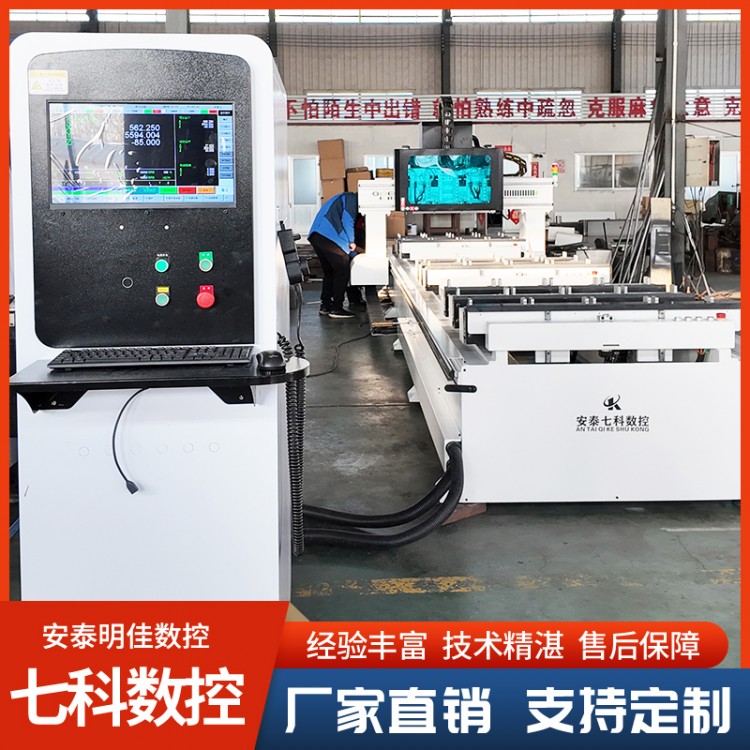
Numerical Control Cross-Cut Saws, Numerical Control Moldi...


Product Recommendation
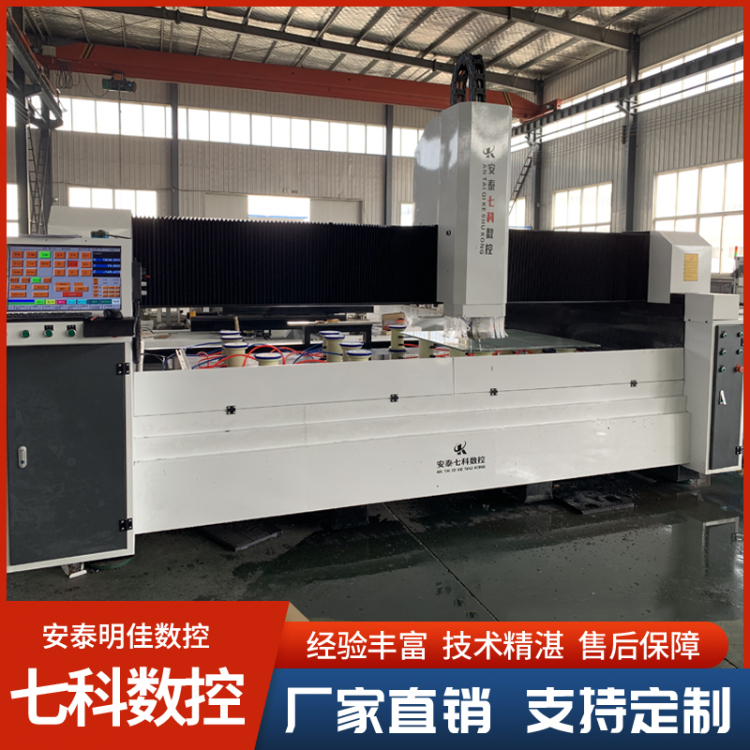
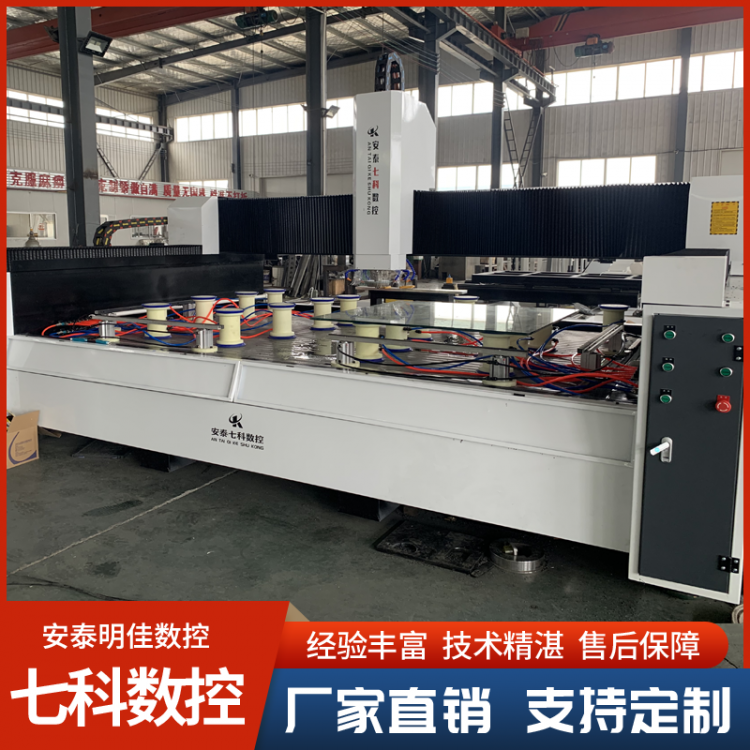
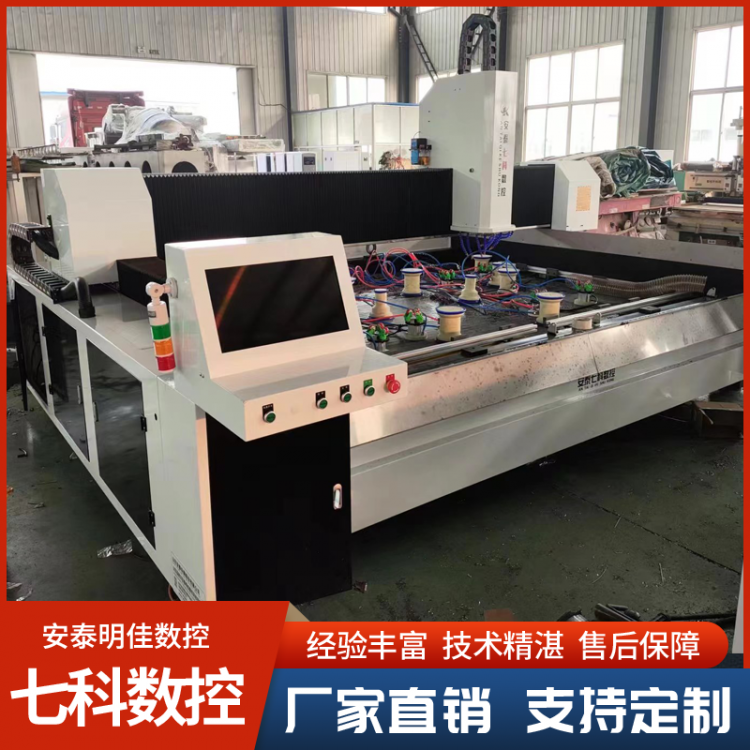
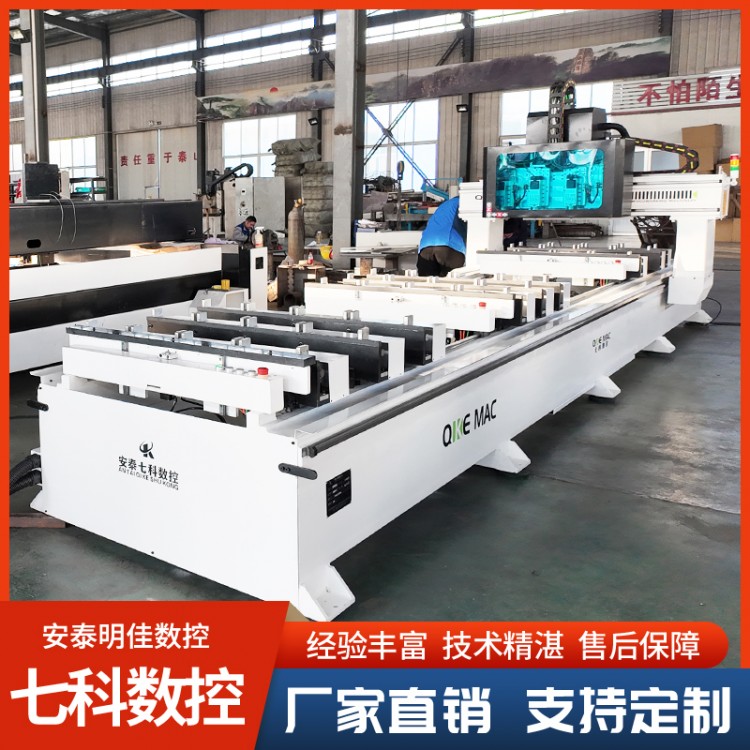
A CNC tenon and groove machine is a piece of equipment that uses digital control systems to process tenons and grooves in materials such as wood, stone, and metal. Below is a detailed introduction to this machine:
The working principle involves pre-programming machining parameters such as tool paths, cutting depth, and rotational speed to control the precise cutting movement of the tool on the material surface, thereby producing the required tenon and groove shapes and sizes. Operators simply need to secure the material to be machined on the worktable, start the equipment, and the CNC system will automatically direct the tool to perform machining operations according to the predetermined program, significantly enhancing precision and efficiency while reducing errors caused by human factors.
Composition Structure:
The Bed: As the fundamental supporting component of the entire machine, it is typically made of high-strength cast iron or steel, offering ample rigidity and stability to prevent vibrations and deformation during the machining process, thereby ensuring precision in the finished product.
Workbench: Designed for securing materials awaiting processing, it typically features positioning devices and clamping mechanisms that quickly and accurately locate and securely clamp materials, facilitating processing operations. The workbench can be precisely moved along the X, Y, and Z axes under the control of a numerical control system to achieve slotting and tenoning at various positions and angles.
Spindle and Tooling System: The spindle is a critical component that mounts and rotates the cutting tool, with its speed and torque selected based on the material and processing requirements. The tooling system includes various types of tenon and groove tools, such as straight-edge milling cutters, spiral milling cutters, T-slot cutters, etc., which can be replaced according to specific tenon and groove shapes and sizes to meet different processing needs.
Numerical Control System: This is the core component of the CNC mortise and tenon machine, comprising of a controller, driver, display, and operator panel. Operators input machining parameters and programs through the operator panel, and the numerical control system converts this information into electrical signals, controlling the spindle motor's speed, the movement of the worktable, and the feed of the tool, thus achieving accurate control of the machining process. Additionally, the numerical control system features fault diagnosis and alarm prompts, facilitating equipment maintenance and care.
Cooling and Lubrication System: During the machining process, a significant amount of heat is generated between the tool and the material. To extend the tool's lifespan and ensure processing quality, CNC tenon and groove machines are typically equipped with a cooling and lubrication system. This system cools the tool, reduces friction, and flushes away chips by spraying coolant or lubricating oil onto the machining area, ensuring the smooth progress of the process.


b2b.china9.net © Zhongshang 114 Hebei Network Technology Co., Ltd.Address: Room 6009, Oriental New World Center, No.118 East Zhongshan Road, Qiaoxi District, Shijiazhuang City, Hebei ProvincePlatform Service Hotline: 4006299930