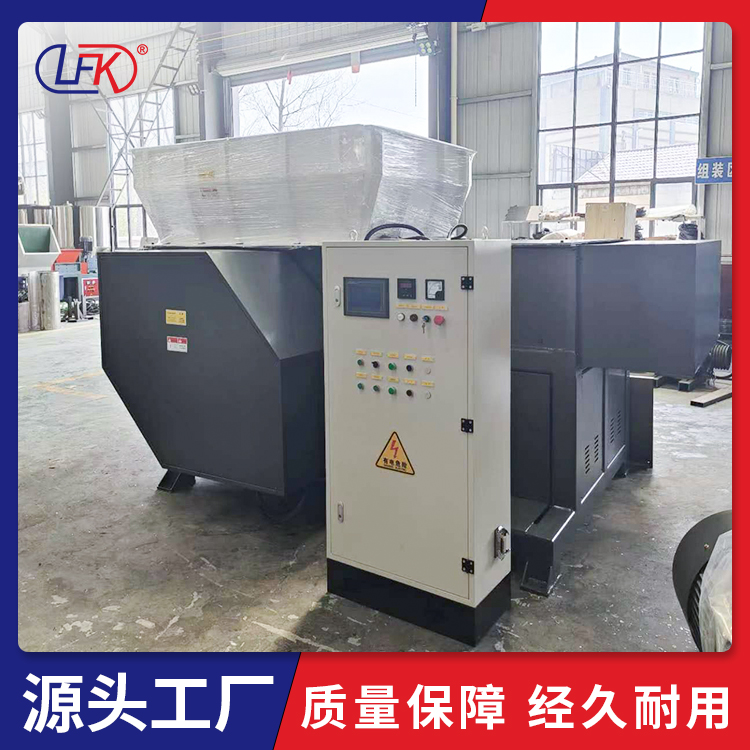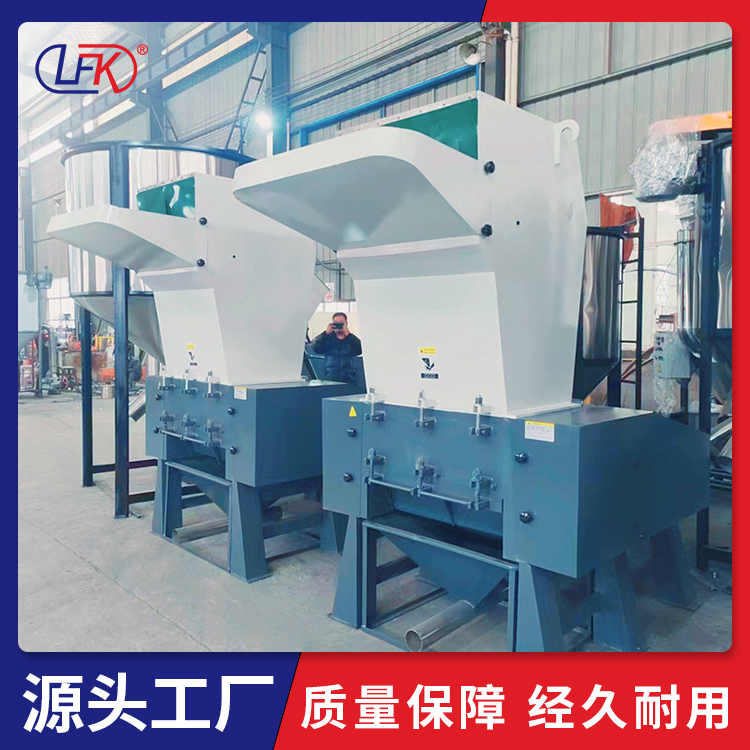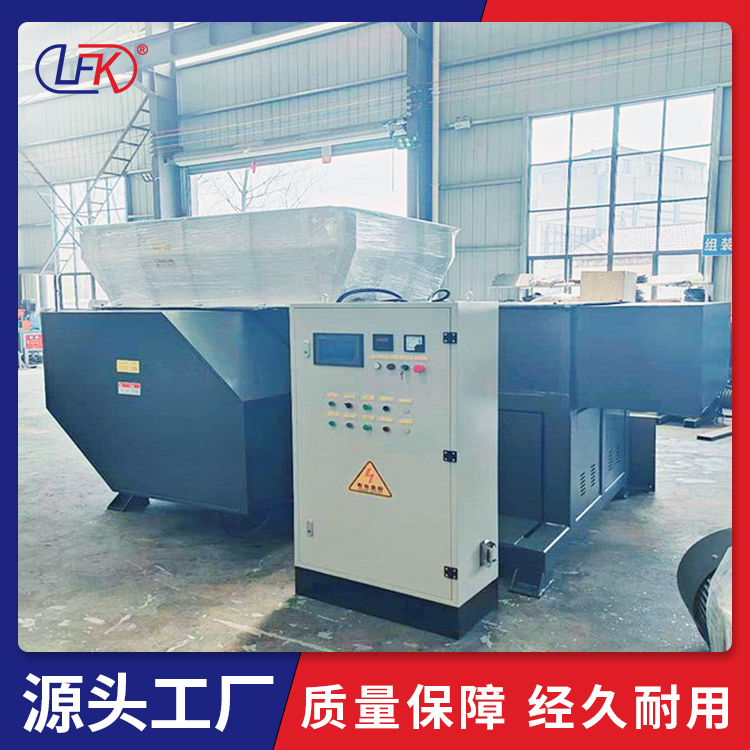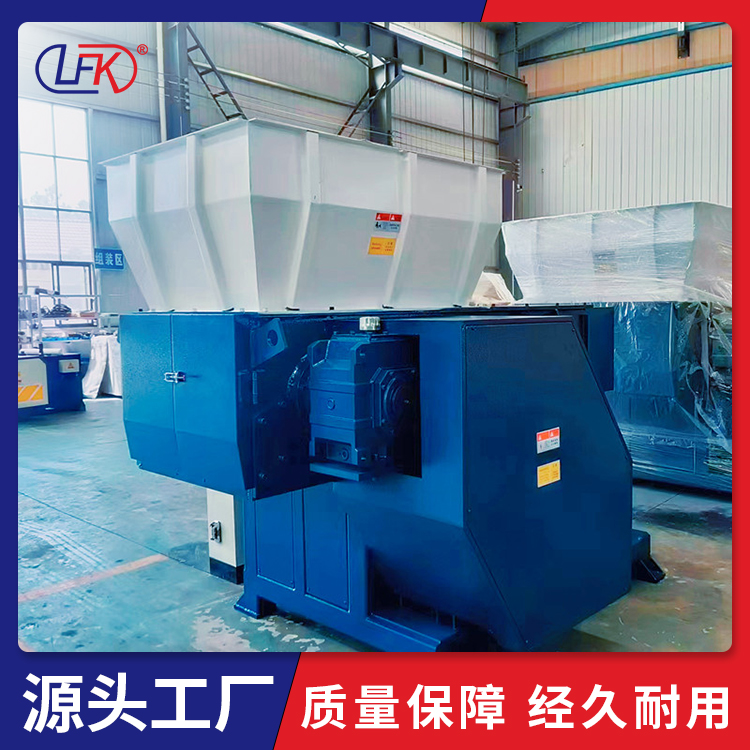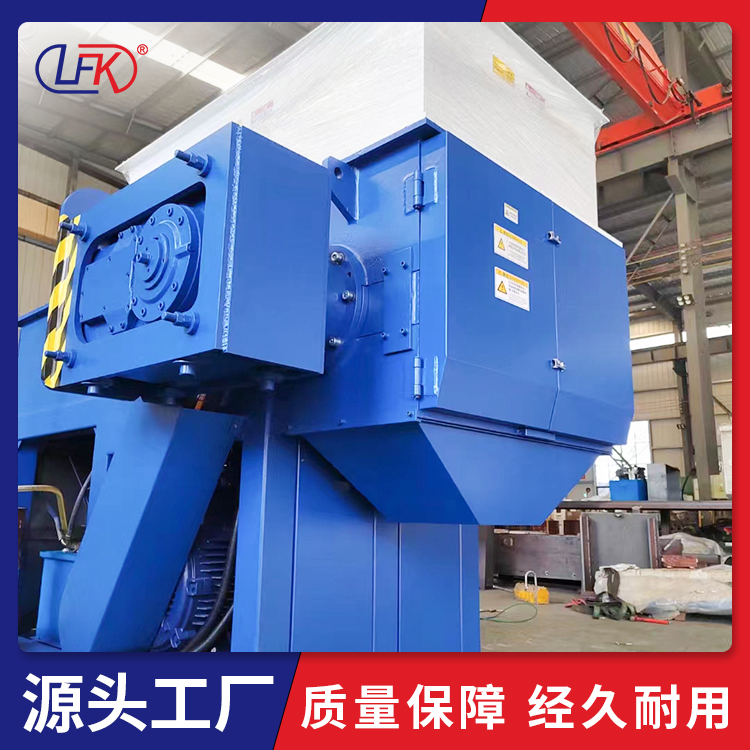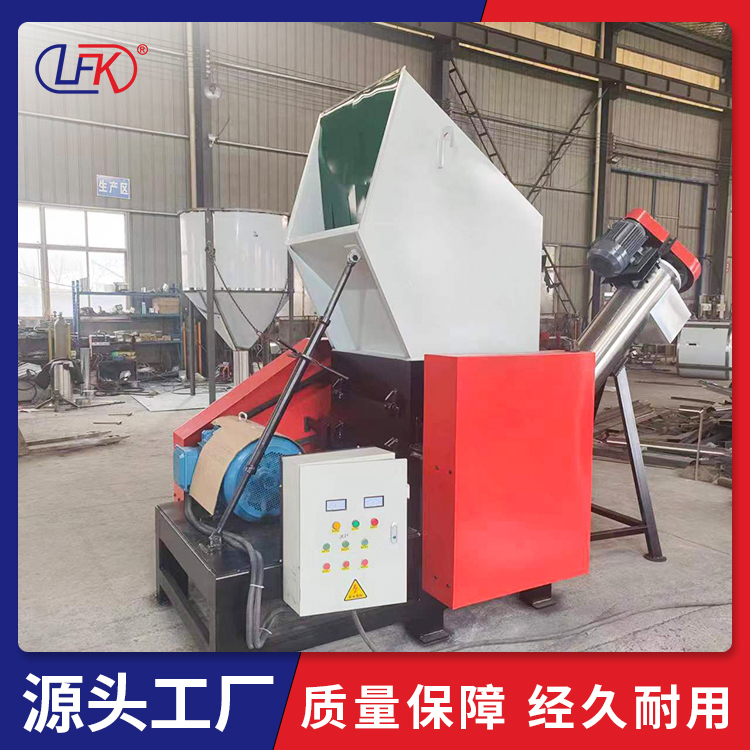
Single-Axis Shredder, Tire Shredder, Heavy-Duty Crusher, Plastic Shredder, Mini Shredder, Film Shredder
13626806370
Waste Sorting: Classification of Domestic and Industrial Solid Waste
1. Domestic waste refers to solid waste generated from daily life activities or services that support daily life, as well as solid waste specified as domestic waste by laws and administrative regulations. It primarily includes domestic waste, market and commercial waste, public place waste, street cleaning waste, and waste from enterprises and institutions. Examples include paper, cardboard, cans, bottles, leftover food and dishes, bones, vegetables, and leaves, etc.
2. Industrial solid waste refers to solid waste generated during industrial production activities. It can be categorized into industrial hazardous solid waste, which includes hazardous solid waste, and general industrial waste.
(Hazardous waste refers to solid waste listed in the "National List of Hazardous Waste," such as waste acids, alkalis, and surface treatment sludge from the chemical industry.)
(II) General industrial solid waste refers to industrial solid waste that is not listed in the "National List of Hazardous Waste" or determined to be non-hazardous based on the GB5085 identification standards and GB/T15555 identification methods as stipulated by the state. General industrial solid waste is solid waste without hazardous characteristics produced during the industrial production process. Examples include: fabric, leather, and foam shavings from garment, shoe, and shoe material processing factories; waste plastic from injection molding factories; waste metal from metal processing factories; and waste paper, adhesive paper, and wood shavings, etc.
General industrial solid waste is divided into Class I and Class II.
Class I general industrial solid waste
According to the extraction test methods stipulated in "Extraction Toxicity Test of Solid Waste" (GB5086-1997), the concentrations of any pollutants in the extracted liquid do not exceed the maximum allowable discharge concentrations specified in "Comprehensive Treatment of Wastewater" (GB8978-2002) and fall within the pH range of 6~9 for general industrial solid waste.
Category II general industrial solid waste
According to the method specified in the "Extraction Toxicity Test Method for Solid Wastes" (GB5086-1997), the extract obtained from the extraction test contains one or more pollutants with concentrations exceeding the "Comprehensive Emission Standard for Wastewaters" (GB8978-2002) maximum allowable discharge concentrations, or general industrial solid wastes with pH values outside the range of 6 to 9.
In the general industrial solid waste disposal and utilization process, there is no strict regulation specifying who enterprises should hand over their general solid waste to. However, with the introduction of the new solid waste law, many concepts must shift. Currently, enterprises need to understand what their general industrial solid waste consists of, identify what can be utilized, and what needs to be disposed of, ensuring proper source classification management for the general industrial solid waste they generate, with the correct destination already determined.
Contact us

Service Hotline
13776658704
Company Telephone
13626806370

Address
Ma'anshan City, Baojiang District, Xinshi Industrial Park, 118-9
b2b.china9.net © Zhongshang 114 Hebei Network Technology Co., Ltd.Address: Room 6009, Oriental New World Center, No.118 East Zhongshan Road, Qiaoxi District, Shijiazhuang City, Hebei ProvincePlatform Service Hotline: 4006299930