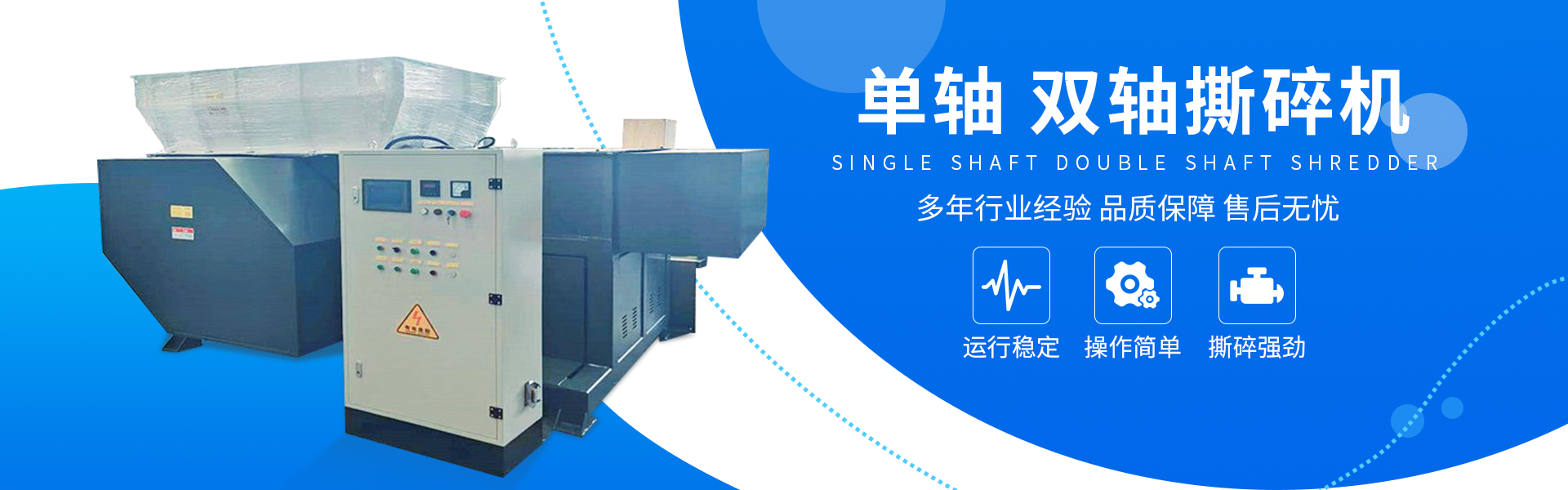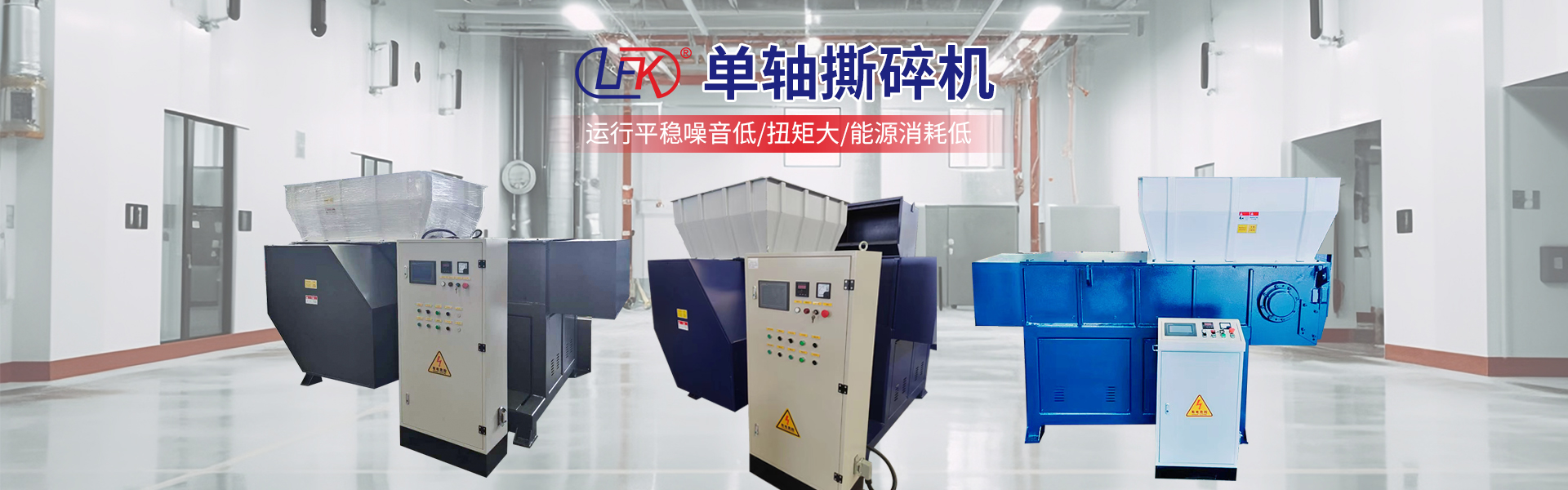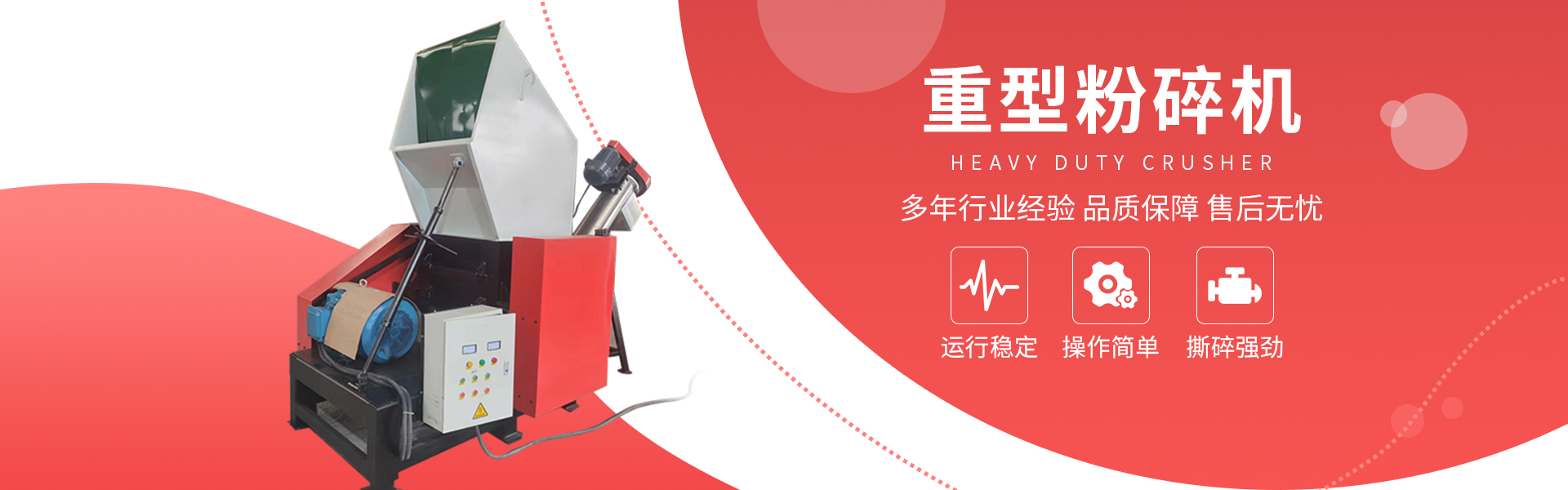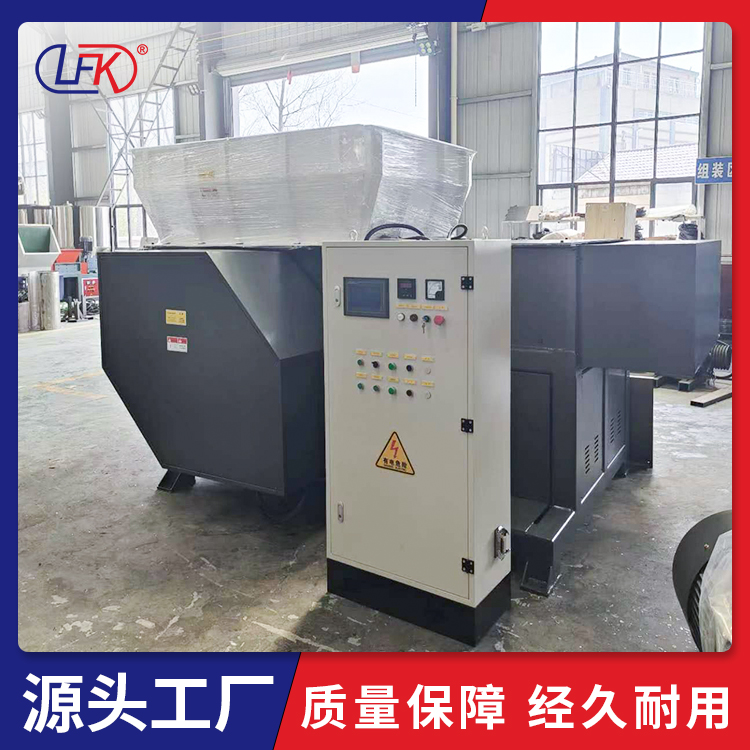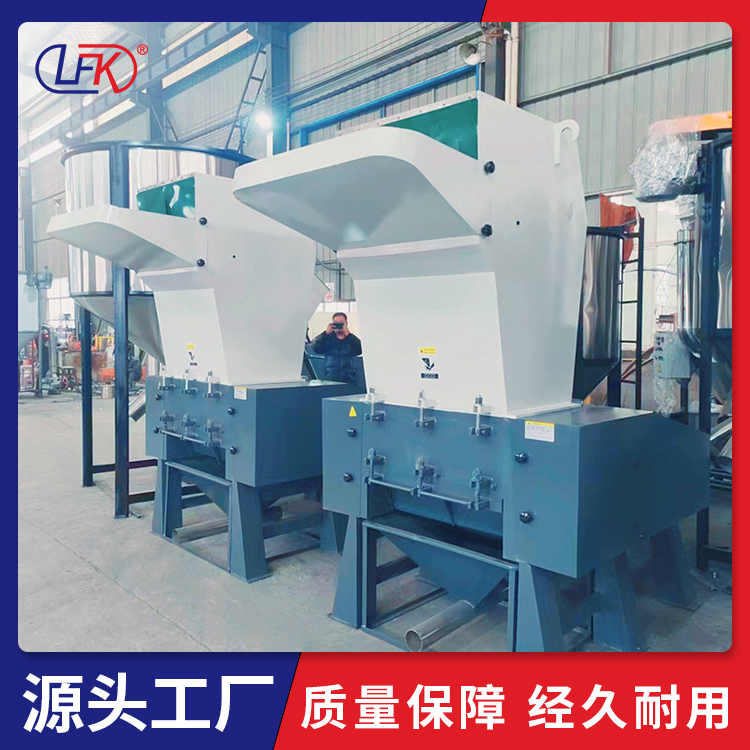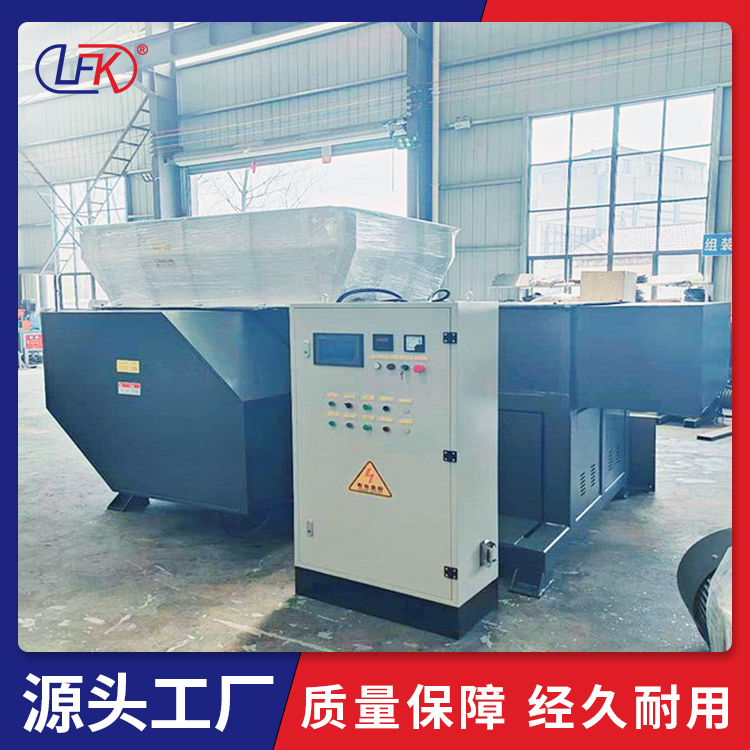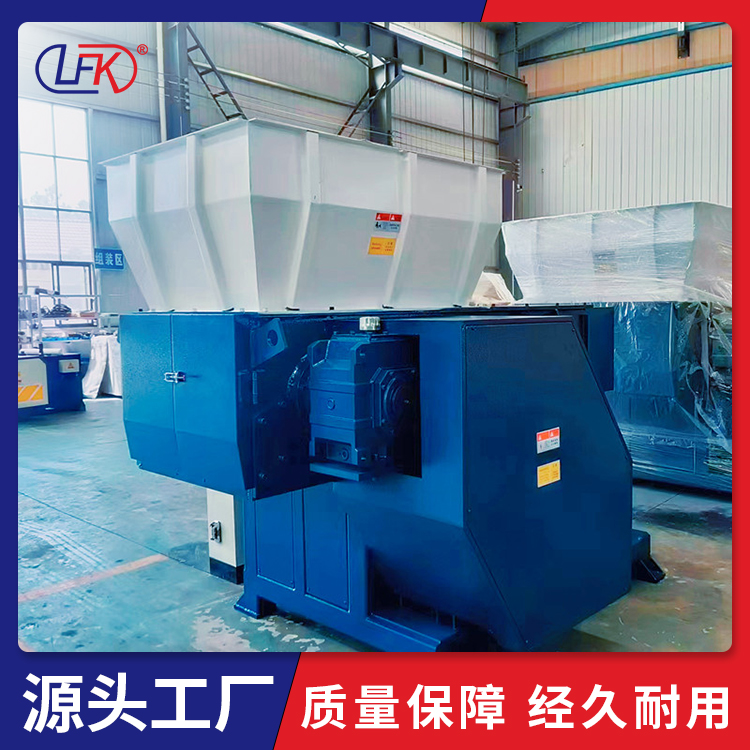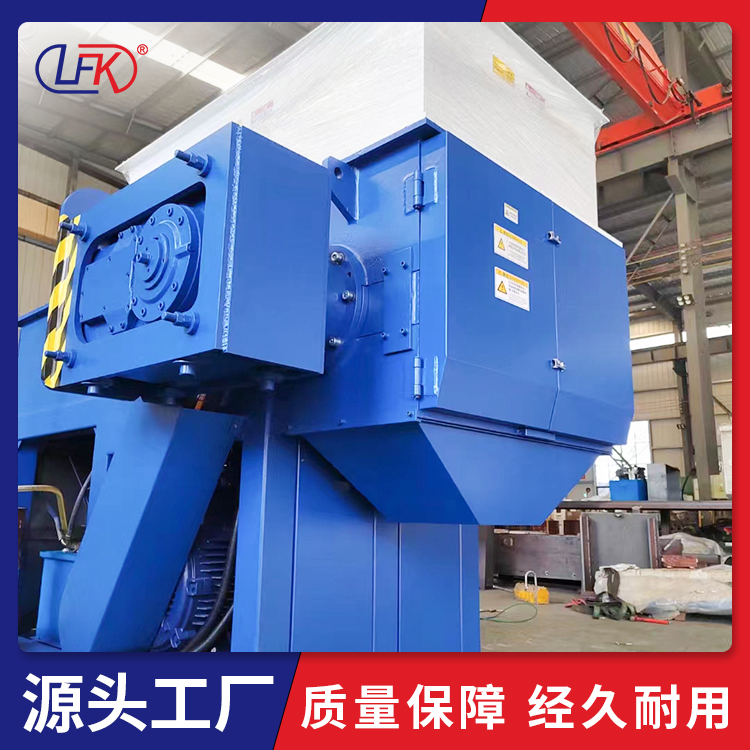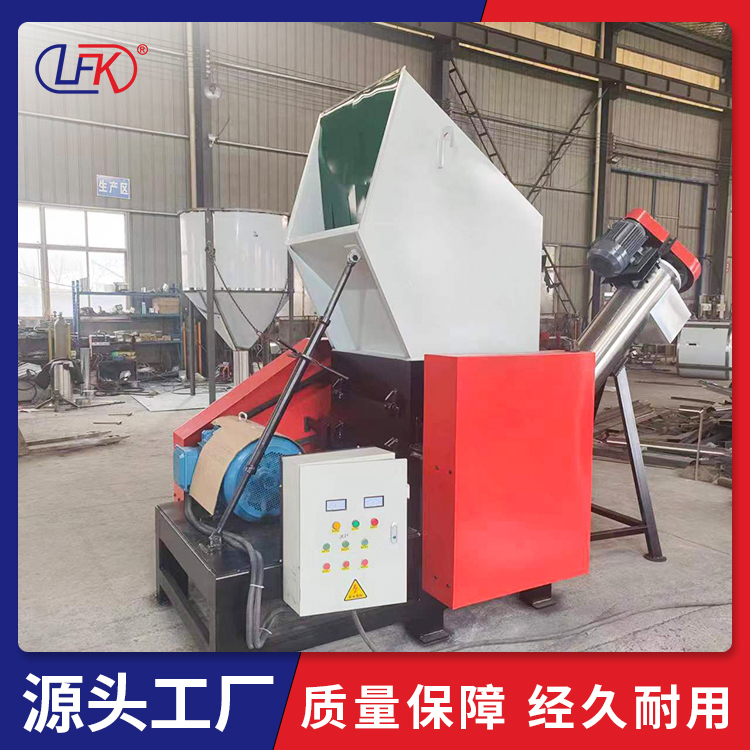
Single-Axis Shredder, Tire Shredder, Heavy-Duty Crusher, Plastic Shredder, Mini Shredder, Film Shredder
13626806370
Pressurization Technology
Compaction is a pre-treatment technique that reduces waste volume, lowers transportation costs, and extends landfill lifespan. It is a commonly used method for the pre-treatment of solid waste, such as car parts, aluminum cans, plastic bottles, etc., which are typically compacted first. Compaction is suitable for solid waste that needs volume reduction but is not advisable for certain types of waste that may cause operational issues, such as tar, sludge, or liquid materials.
Fracture Technology
To reduce the volume of waste entering incinerators, landfills, composting systems, and other disposal facilities, it is necessary to pre-crush solid waste. Waste that has been crushed not only has a uniform size but also a consistent texture, which facilitates compaction during the landfilling process. There are various methods of solid waste crushing, including impact crushing, shearing crushing, extrusion crushing, and friction crushing. Additionally, there are specialized low-temperature crushing and mixed crushing techniques. The most widely used and effective solid waste crusher is the shearing crusher, while for landfill and compost waste, the spiral roller crusher is more effective.
Sorting Technology
Solid waste sorting is a crucial method for the resource recovery and reduction of solid waste. It involves separating valuable materials for utilization and harmful substances for isolation. Another approach is to segregate waste based on different particle size levels, with the basic principle being to exploit the differences in certain properties of the materials to separate them. For instance, separation based on the magnetic and non-magnetic properties of waste; based on particle size differences; and based on density differences, among others. Depending on their properties, various mechanical devices can be designed and manufactured for solid waste sorting, which includes manual picking, screening, gravity separation, magnetic separation, eddy current separation, and optical separation, among others.
Curing Treatment Technology
Solidification technology is a non-hazardous treatment process that involves adding solidification matrix to waste, fixing or encapsulating hazardous solid waste within inert solidification matrix. The treated solidification products should exhibit good impermeability, mechanical strength, and resistance to leaching, moisture, freeze-thaw cycles. The solidification process can be categorized into sedimentary, asphalt, glass, and gel solidification, depending on the type of solidification matrix used.
Incineration and Pyrolysis Technology
Incineration is a comprehensive process of high-temperature decomposition and deep oxidation of solid waste, with the benefit of decomposing a large amount of harmful waste into harmless substances. As the proportion of combustible materials in solid waste increases, the use of incineration to process solid waste and harness its thermal energy has become an essential trend. This method requires less land for solid waste disposal, handles large volumes, and is commonly practiced in large cities with populations exceeding 100,000, where energy recovery systems are also installed. Japan, due to land scarcity, has increasingly adopted incineration, with the thermal energy obtained from the process used for electricity generation, heating for residents, and maintaining greenhouse temperatures, among other applications. Japan and Switzerland annually incinerate over 65% of urban waste to regenerate energy. However, incineration has its drawbacks, such as high investment costs, smoke emissions causing secondary pollution, and severe equipment corrosion. Pyrolysis involves heating organic matter under anaerobic or low-oxygen conditions at high temperatures (1000°C-1200°C), causing it to decompose into gas, liquid, and solid products. Compared to incineration, pyrolysis is a more promising treatment method, with the advantage of lower infrastructure investment and the ability to use the produced gases as fuel.
Biological Treatment Technology
Biological treatment technology utilizes the decomposition of organic solid waste by microorganisms to render it harmless, transforming organic solid waste into energy, food, feed, and fertilizer. It can also be used to extract metals from waste materials and slag, making it an effective method for the resource utilization of solid waste. Widely applied methods include composting, biogas production, sugar production from waste cellulose, feed production from waste fibers, and biological leaching.
Contact us

Service Hotline
13776658704
Company Telephone
13626806370

Address
Ma'anshan City, Baojiang District, Xinshi Industrial Park, 118-9
b2b.china9.net © Zhongshang 114 Hebei Network Technology Co., Ltd.Address: Room 6009, Oriental New World Center, No.118 East Zhongshan Road, Qiaoxi District, Shijiazhuang City, Hebei ProvincePlatform Service Hotline: 4006299930