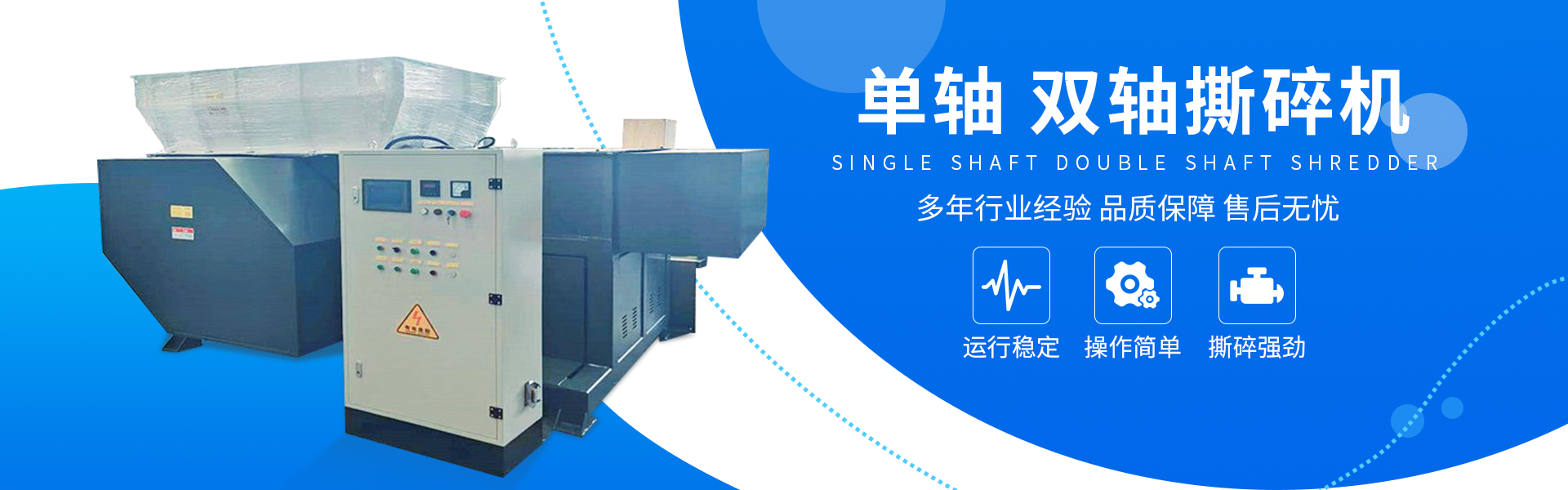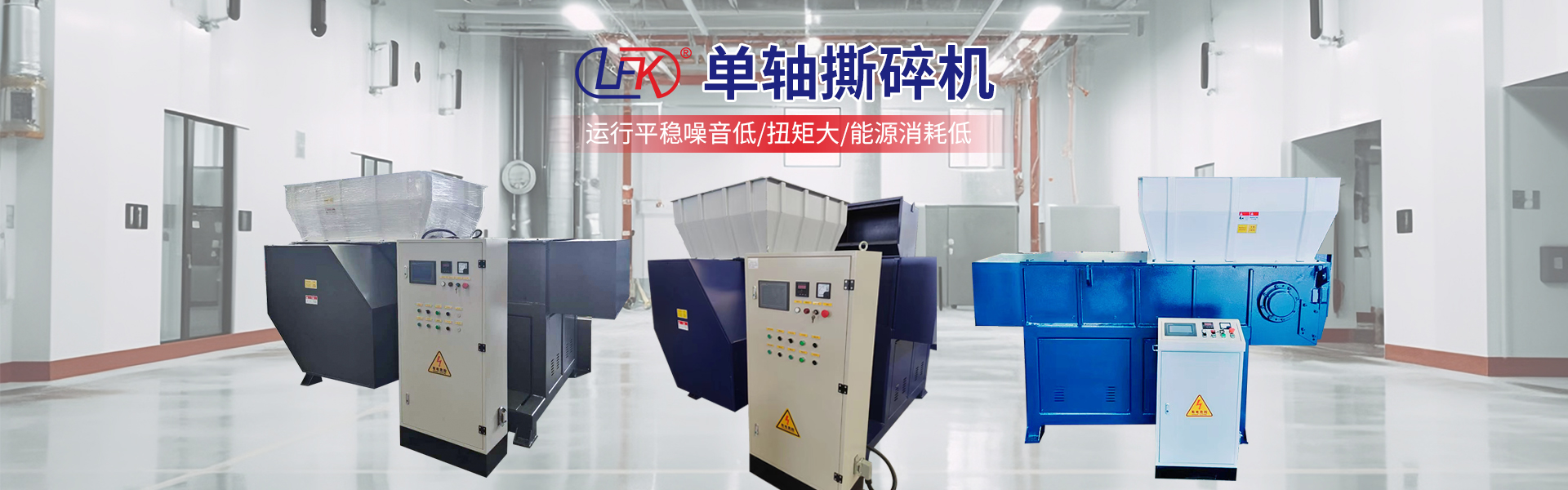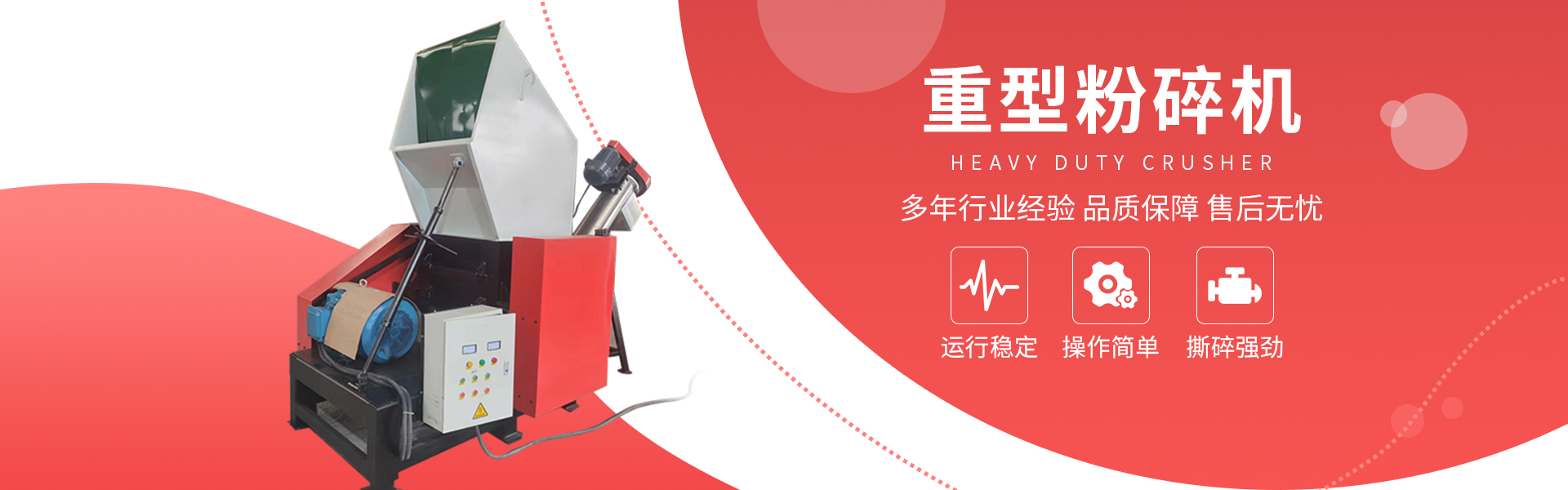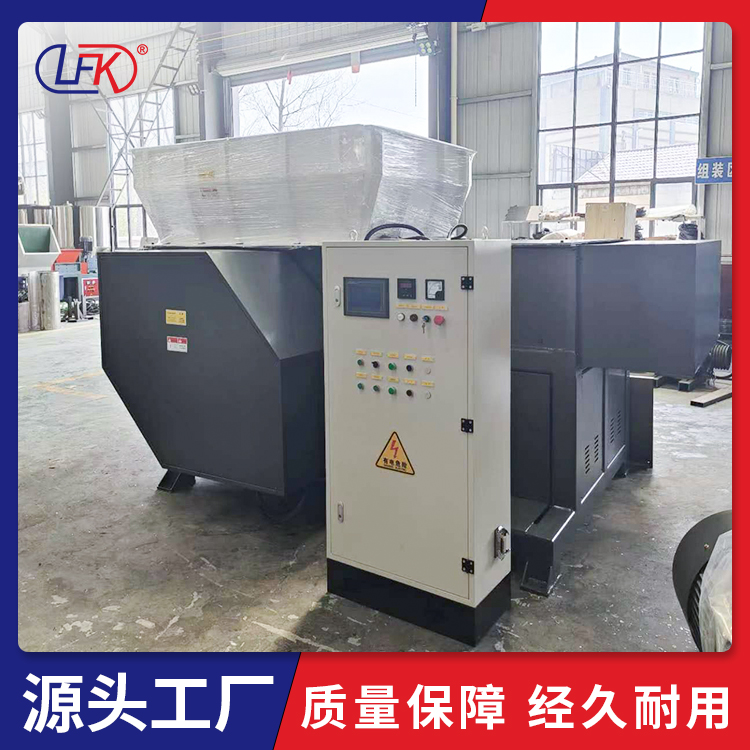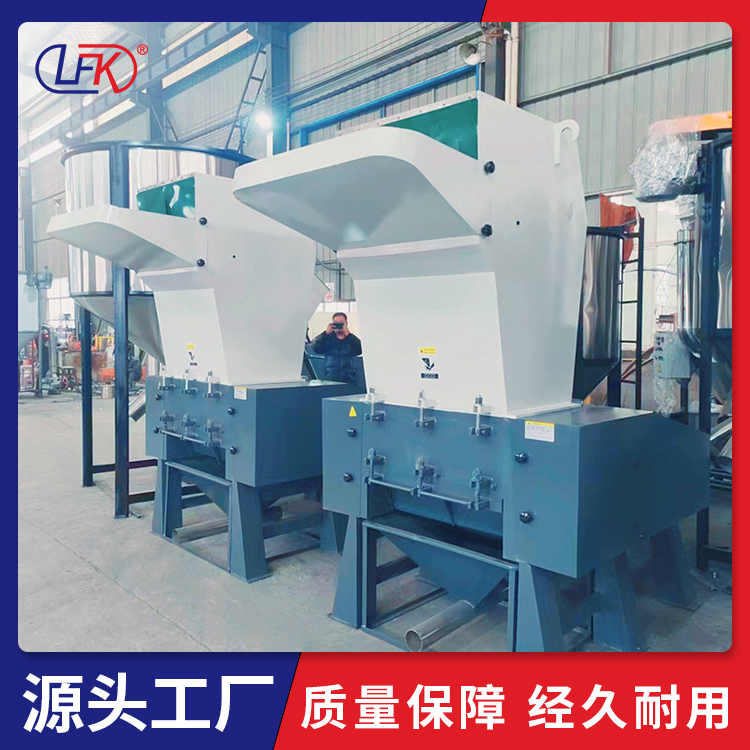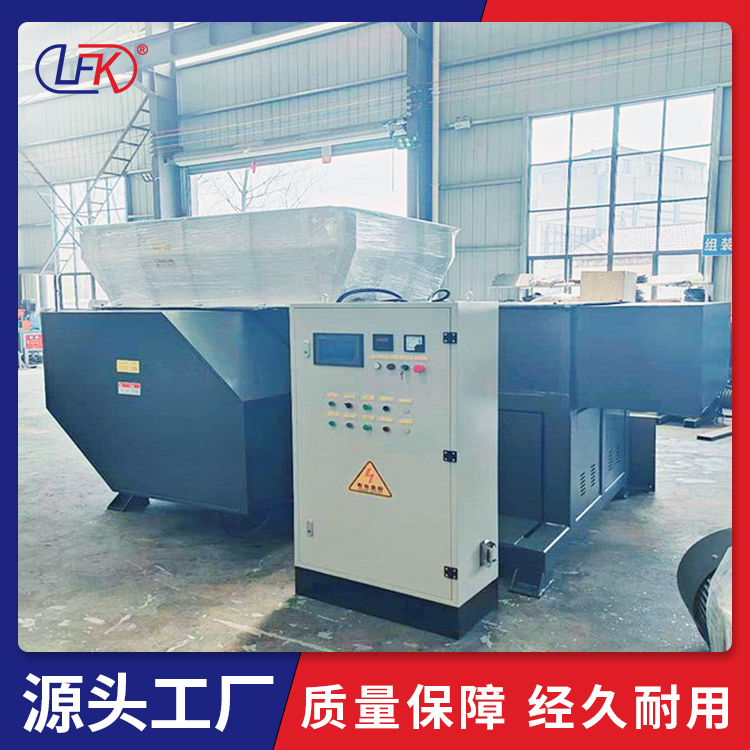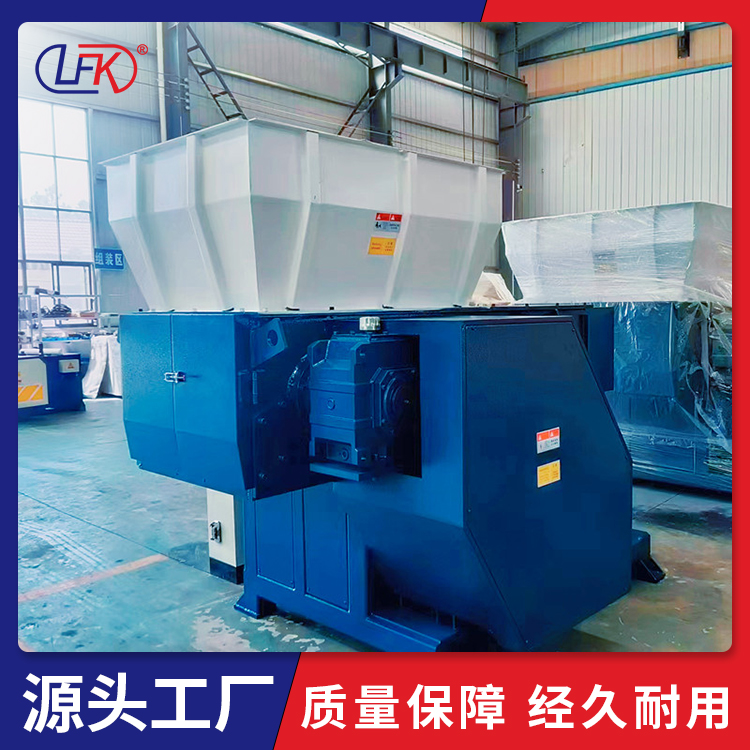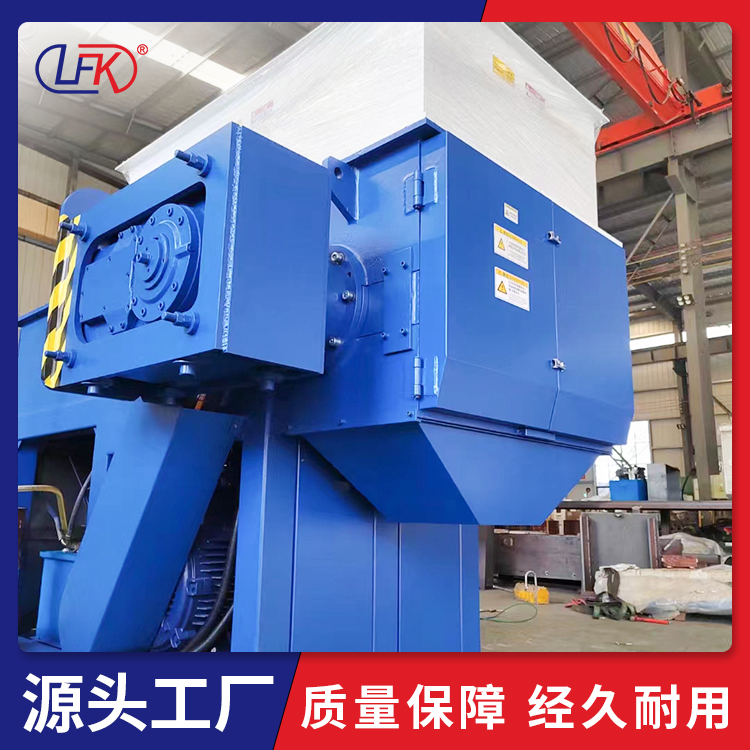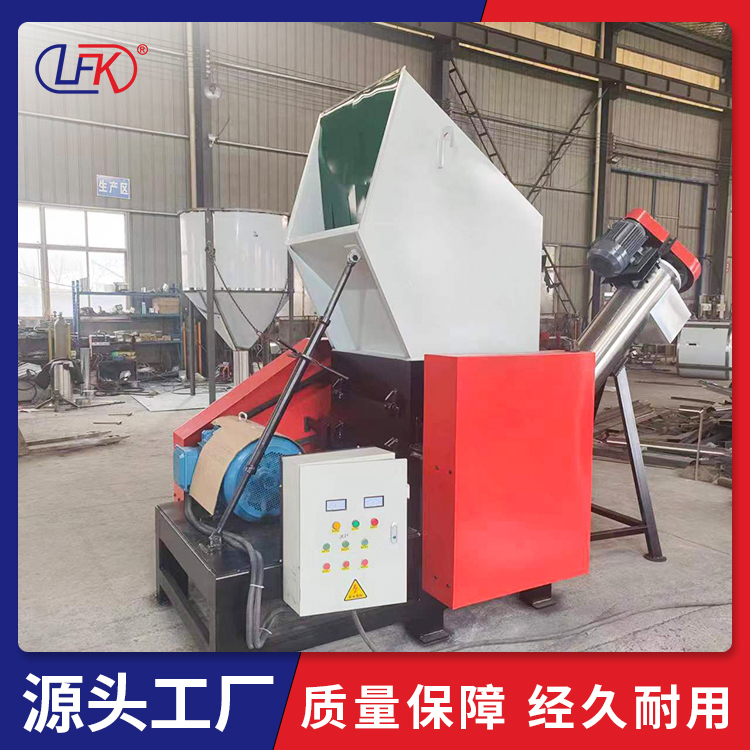
Single-Axis Shredder, Tire Shredder, Heavy-Duty Crusher, Plastic Shredder, Mini Shredder, Film Shredder
13626806370
With the development of cities and surrounding areas, solid waste management has become an urgent issue. China has nearly 50 comprehensive solid waste treatment projects built by environmental protection investments, spanning 16 provinces, autonomous regions, and municipalities, with a total treatment capacity of 45,000 tons/day, making it a leader in the solid waste market of our country. As a professional seller of garbage handling equipment and a leading enterprise in the garbage handling industry, we have a deep understanding of this. Let's listen to an expert explain the basic methods of managing urban solid waste.
Waste treatment technology encompasses a variety of disciplines, including physics, chemistry, biology, and mechanical engineering. The main treatment technologies include:
(1) Pre-treat solid waste. Prior to the comprehensive utilization and processing of solid waste, pre-treatment is often required to prepare for subsequent treatment. The pre-treatment process mainly includes steps such as crushing, screening, milling, and compression.
(2) Physical Treatment of Solid Wastes. Utilizing the physical and chemical properties of solid wastes, we separate useful or toxic substances from them. By leveraging the characteristics of solid wastes, methods such as gravity separation, magnetic separation, electrical separation, photoelectric separation, ballistic separation, friction separation, and froth flotation can be adopted individually.
(3) Chemical Treatment of Solid Wastes. Utilizing the chemical conversion of solid wastes to recover useful substances and energy. Methods such as calcination, sintering, solvent extraction, thermal decomposition, incineration, and electrical radiation are considered chemical treatment techniques.
(4) Biological Treatment of Solid Wastes. The process involves using microbial action to treat waste. Its basic principle is to utilize the biochemical effects of microorganisms to decompose complex organic matter into simpler substances and convert toxic substances into non-toxic ones. Anaerobic fermentation and composting are examples of biological treatment methods.
(5) Final Disposal of Solid Waste. Hazardous solid waste without value for use must be disposed of. Disposal methods include incineration, landfilling, and dumping at sea. Prior to landfilling or disposal into the ocean, solid waste must undergo decontamination treatment.
Waste solid has the following characteristics:
If land occupied by urban domestic waste is not promptly treated and disposed of, it will occupy farmland, damage agricultural production, and disrupt landforms, vegetation, and natural landscapes.
Improper handling of soil contaminated solid waste can lead to harmful components being carried into human soil through surface runoff, killing microorganisms, disrupting soil structure, and deteriorating soil health.
3. Polluted water bodies and solid waste can be washed into surface runoff with natural precipitation or carried by the wind, eventually flowing into rivers, lakes, and other water bodies, causing surface water pollution.
4. Certain solid wastes can cause specific injuries, such as burns, explosions, contact poisoning, and corrosion. Side stream wastes may also indirectly harm human health through animals and plants, such as heavy metal contamination.
Solid waste refers to substances that have lost their original utility in production, living, and other activities, or those that have not lost their utility but have been discarded or abandoned, including solid, semi-solid materials, gases placed in containers, and substances that are regulated by laws and administrative regulations as waste management materials. This also includes liquid waste that cannot be discharged into water and gas substances that cannot be released into the atmosphere, placed in containers. Such waste is generally hazardous and can be included in the solid waste management system.
Waste solid粉碎 methods are categorized into dry, wet, and semi-wet processes. Wet and semi-wet crushing methods both incorporate grading and separation processing. Dry crushing, also known as crushing, is generally referred to as mechanical crushing, which can be divided into mechanical energy crushing and non-mechanical energy crushing.
Contact us

Service Hotline
13776658704
Company Telephone
13626806370

Address
Ma'anshan City, Baojiang District, Xinshi Industrial Park, 118-9
b2b.china9.net © Zhongshang 114 Hebei Network Technology Co., Ltd.Address: Room 6009, Oriental New World Center, No.118 East Zhongshan Road, Qiaoxi District, Shijiazhuang City, Hebei ProvincePlatform Service Hotline: 4006299930